
Quick Links: About Us - Contact Us
For bookings, call us at +501 677-2900
Quick Links: About Us - Contact Us

Quick Links: About Us - Contact Us
Ready to get in the water? Browse reef tours from San Pedro.
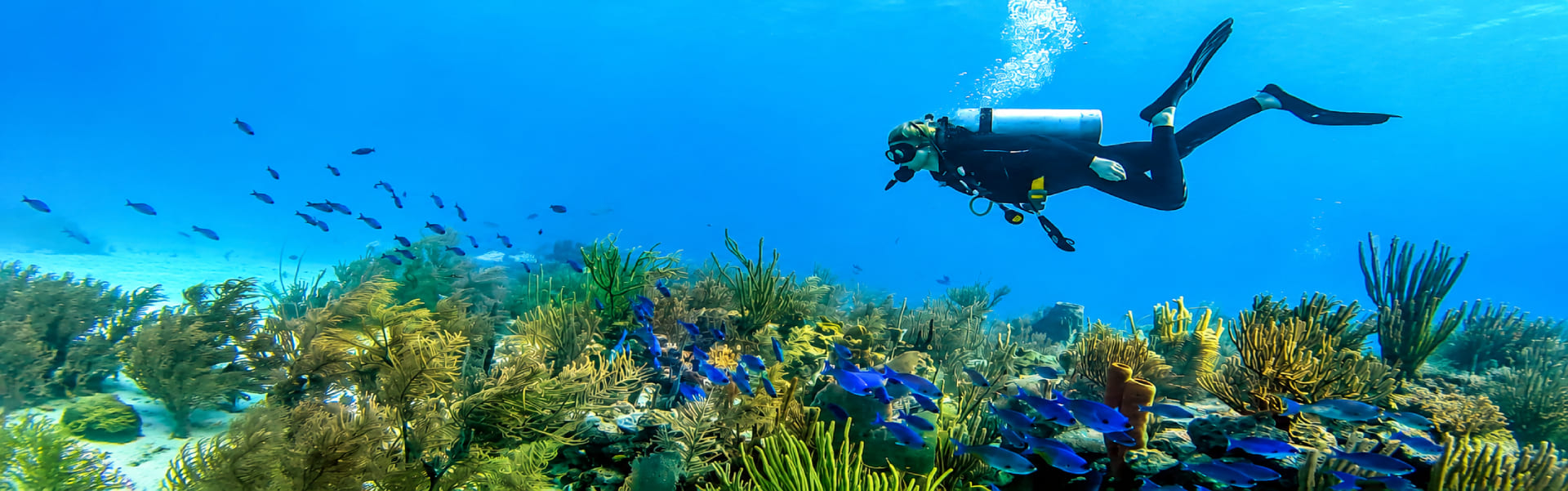
Browse reef tours or call +501 677-2900Belize protects one of the most accessible reef systems in the Caribbean. The Belize Barrier Reef is a UNESCO World Heritage site, and from Ambergris Caye you can be in the water over healthy reef after a short boat ride, whether you are a first-time snorkeler or an experienced diver.
This guide to snorkeling and diving in Belize helps you choose between snorkeling and scuba, pick the right sites, time your trip around the seasons and find a reputable operator. We are based on Ambergris Caye, so we focus on the sites you can reach from San Pedro and point you to the right guides for the rest.
Both show you the reef. They differ in depth, time underwater and requirements, so the right choice depends on your comfort and your group.
| Snorkeling | Scuba diving | |
|---|---|---|
| Best for | Beginners, families and non-divers | Certified divers and learners |
| What you need | Basic comfort in the water; most tours supply gear (confirm when you book) | A certification, or an introductory dive with an instructor |
| Where | Shallow reef and protected zones | Reef cuts, walls, atolls and the Blue Hole |
| Typical trip | A half-day tour | A half day to a full day |
Mixed groups do well at Hol Chan because snorkelers and divers can share the same area. If you are not certified but want to dive, ask operators about introductory dives and certification courses before you arrive.
| Site | Best for | Snorkel or dive | What to know |
|---|---|---|---|
| Hol Chan Marine Reserve | A first reef day, mixed groups | Both | Belize’s first marine reserve (1987), about four miles south of San Pedro |
| Shark Ray Alley | Nurse sharks and stingrays | Snorkel only | Shallow zone about a mile south of the Hol Chan cut |
| Mexico Rocks | Beginners and calmer, shallow reef | Mostly snorkel | Patch reef off the north coast of the island |
| Bacalar Chico | Quieter water | Both | Marine reserve at the northern tip; a longer boat trip |
| Great Blue Hole | A bucket-list dive | Mainly dive; rim snorkel | Lighthouse Reef day trip with a long boat ride |
| Turneffe and Lighthouse Reef | Reef walls and bigger fish | Mainly dive | Offshore atolls reached by longer boat trips |
| Gladden Spit | Whale sharks in season | Snorkel and dive | Near Placencia, not San Pedro |

Hol Chan means little channel in Maya, and the reserve is named for the cut through the reef, which is around 30 feet deep. It is the most popular reef trip from San Pedro, with reef fish, turtles and rays. Shark Ray Alley sits about a mile south and is shallow, with nurse sharks and stingrays gathering close to the boat. Only snorkeling is allowed at Shark Ray Alley, even on dive trips.
Most combined tours last about three hours and leave in the morning or afternoon. Ask your operator what the reserve fee covers, and go in the morning if you want calmer water. Read more in our Hol Chan and Shark Ray Alley guide.
Mexico Rocks is a shallow patch reef that suits beginners and families who want an easier first snorkel. Bacalar Chico, at the northern tip of the island, is a marine reserve that takes a longer boat ride and is usually less crowded.


The Great Blue Hole is a near-circular sinkhole at Lighthouse Reef, roughly 300 meters across and about 124 meters deep. It sits well offshore, so a trip from San Pedro is a long day, often 10 to 13 hours including boat travel. Most operators require Advanced Open Water certification and recent diving experience for the dive, and they check your card. Snorkelers can join trips that visit the rim and nearby reef, and some visitors choose a scenic flight instead. Plan with our Blue Hole guide.
Turneffe and Lighthouse Reef are offshore atolls with walls and open-water species. Gladden Spit, off the south coast near Placencia, is known for whale sharks in season. Whale shark timing depends on the season and the moon, so read when to see whale sharks and confirm dates with an operator. For the wider reef, see our Belize barrier reef guide.
You can get in the water year-round, but conditions change with the season.
| Season | Roughly | What to expect |
|---|---|---|
| Dry season | December to May | More sunny days, usually calmer seas and the busiest period. Book early. |
| Rainy season | June to November | More rain and cloud, which can affect sea conditions and visibility. Overlaps hurricane season (June 1 to November 30). |
| Whale shark window | Spring, near Placencia | Depends on the moon and the season; confirm with operators |
Sea conditions matter more than the calendar, so keep one spare day in your plan and be flexible if a trip is postponed. If you are traveling in hurricane season, carry travel insurance that covers weather disruption. More detail: Belize weather month by month, rainy vs dry season and the hurricane season guide.

A good operator makes the trip safer and more enjoyable. Before you book, check:
Local tip: [TEAM TIP – ask a captain or dive instructor for one practical tip, e.g. the best time of day for a particular site or what they wish visitors asked before booking.]

For wider safety tips, see safety myths vs facts.
Planning your stay? See our Ambergris Caye and San Pedro guide. A rental golf cart makes it easy to reach docks, dive shops and beach bars on your own schedule.

Ready to book? See current reef tours and availability.
Browse reef toursFor most visitors, Hol Chan Marine Reserve and Shark Ray Alley are the best first choice because they are close to San Pedro and suit all levels. Mexico Rocks is gentler for beginners, and the Great Blue Hole and the atolls suit those willing to take a long day trip.
Comfort in the water helps, but many tours offer flotation and guides stay close. Tell your operator when you book if you are a nervous or weak swimmer, so they can fit you with a vest and place you in an easier site such as a shallow reef.
Most operators require Advanced Open Water certification and recent dive experience for the Great Blue Hole, and they check your card before you go. If you are not certified, you can snorkel the surrounding reef or take a scenic flight instead.
Yes, some trips let snorkelers visit the rim and nearby reef at Lighthouse Reef, while the deep dive is for certified divers. It is a long day, often 10 to 13 hours from San Pedro, so confirm the schedule and what is included.
You can snorkel year-round. The dry season, roughly December to May, usually brings calmer seas and more sun, and it is the busiest period. The rainy season, June to November, can affect visibility and overlaps hurricane season, so stay flexible.
Nurse sharks and stingrays at Shark Ray Alley are used to boats and visitors, and the water is shallow. Follow your guide’s instructions, keep your hands to yourself, and do not chase or grab the animals. Take care around rays and watch where you step.
Most combined trips take about three hours, including the short boat ride from San Pedro, and morning and afternoon departures usually run daily. Hol Chan is around four miles south of town, so you spend most of the time in the water.
Bring reef-safe sunscreen, a rash guard or cover-up, a towel, water, a hat and some cash for fees or tips. Divers should carry their certification card, and anyone prone to seasickness should take a remedy before the boat leaves.
Questions before you book? Call +501 677-2900.
Change log: [date] – page published.