Quick Links: About Us - Contact Us
For bookings, call us at
+501 677-2900
Quick Links: About Us - Contact Us

Quick Links: About Us - Contact Us
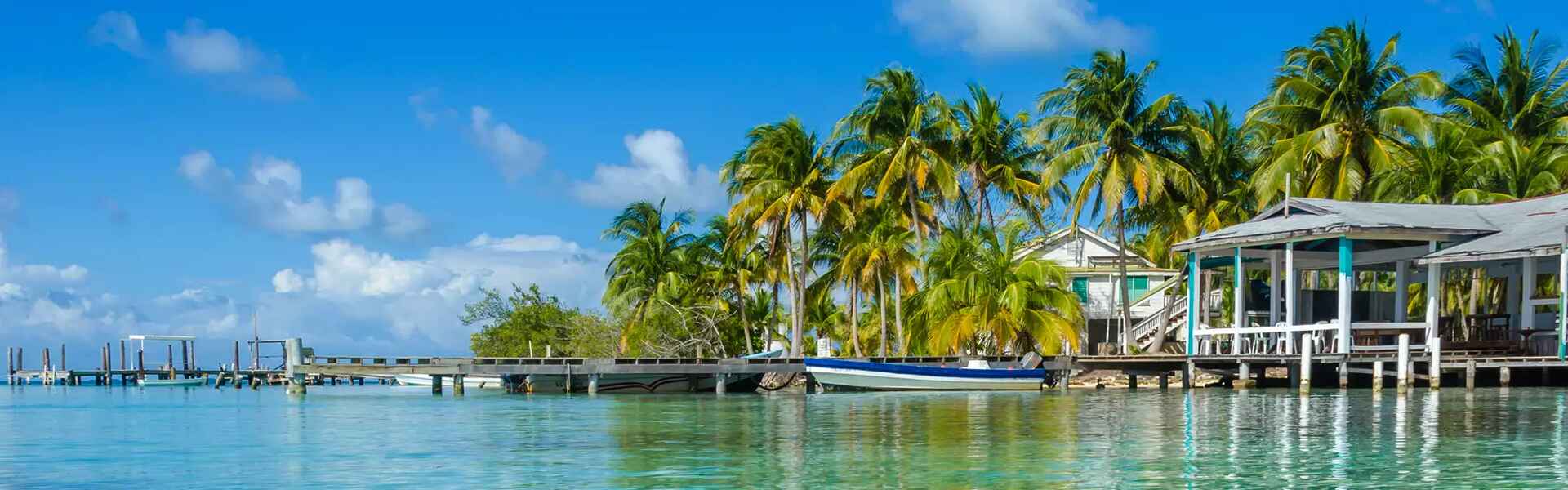

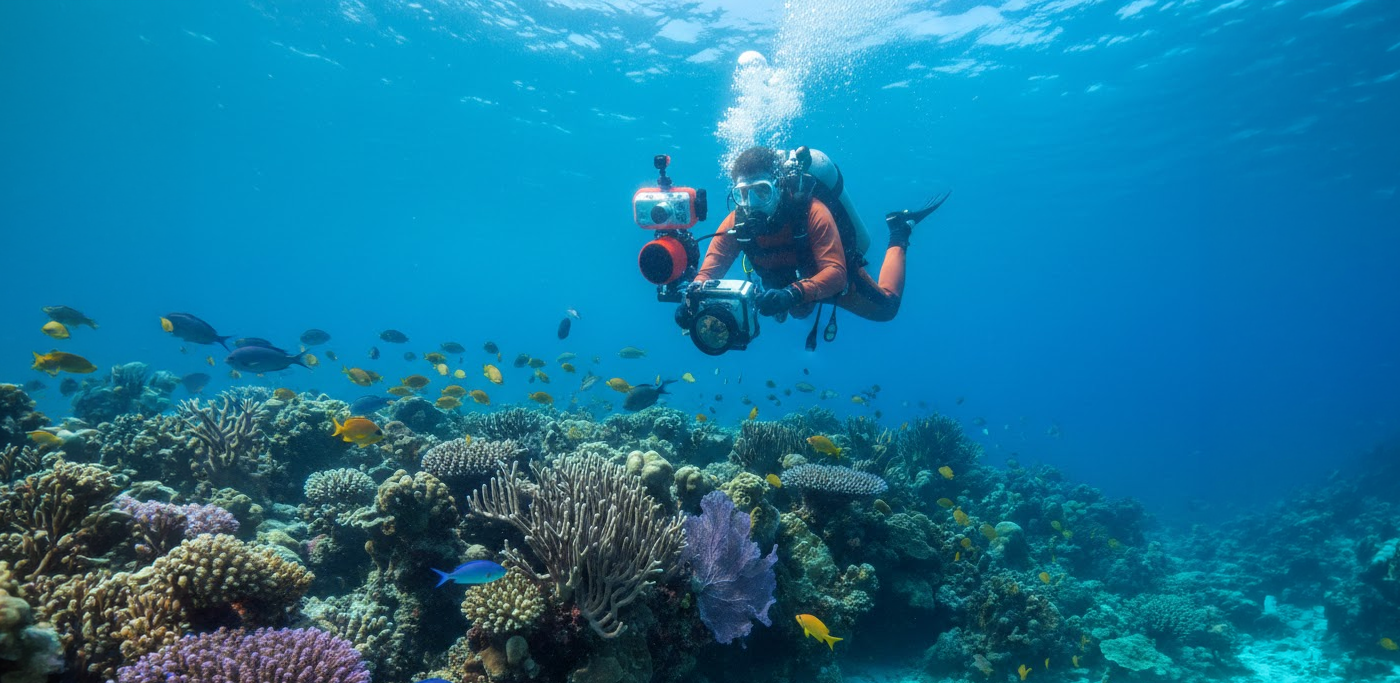
Belize is home to the second-largest barrier reef in the world, and for underwater photographers, it’s nothing short of paradise. Crystal-clear waters, shallow coral gardens, dramatic drop-offs, and abundant marine life make Belize one of the best destinations for capturing stunning reef images. Whether you’re snorkeling with a GoPro or diving with a DSLR rig, understanding the right gear, light, depth settings, and ethical practices will help you bring home incredible Belize reef photos—without harming the ecosystem.
This guide breaks down everything you need to know about underwater photography in Belize, from equipment choices and camera settings to the species you’re most likely to see and how to share your images responsibly.
The Belize Barrier Reef stretches for over 300 kilometers and includes world-famous sites like Hol Chan Marine Reserve, Turneffe Atoll, Lighthouse Reef, and the Great Blue Hole. What sets Belize apart is its exceptional water clarity, especially during the dry season, combined with healthy coral systems and diverse marine species.
Many reef areas are shallow, making them perfect for snorkeling photography, while deeper walls and channels appeal to scuba divers looking for dramatic compositions. Add calm conditions, consistent sunlight, and easy access from the cayes, and it’s easy to see why Belize is a favorite for underwater photographers of all skill levels.
Before you jump in with your camera, it helps to understand the conditions you’ll be shooting in.
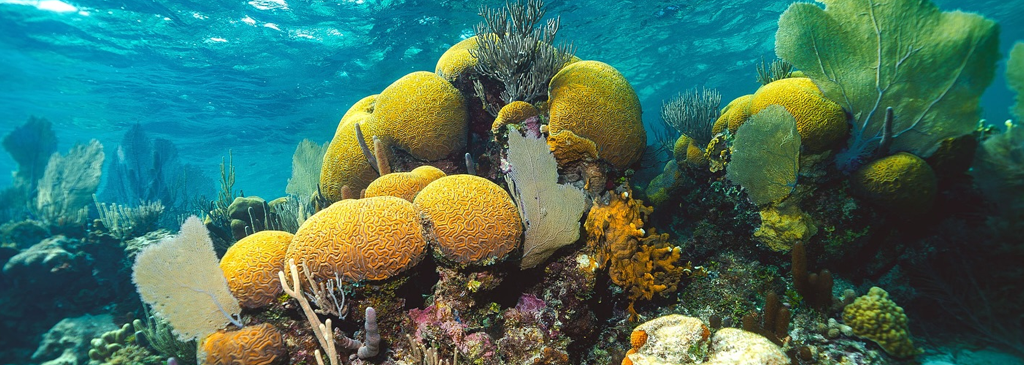
Visibility in Belize often ranges between 25 to 40 meters, particularly from late November through May. The reef structure varies from shallow coral gardens just a few feet below the surface to steep walls dropping into deep blue water. Currents are usually mild but can be stronger around channels and atolls.
These conditions allow photographers to experiment with wide-angle reef scenes, close-up fish portraits, and even split shots on calm days. Knowing your dive site’s depth and current patterns will help you plan your settings and compositions more effectively.
You don’t need professional gear to capture beautiful underwater photos in Belize.
Best Seasons for Clear Water
For shallow reef photography, natural sunlight is often enough. As you go deeper, artificial lighting becomes essential to maintain color accuracy and contrast.
Composition Tips
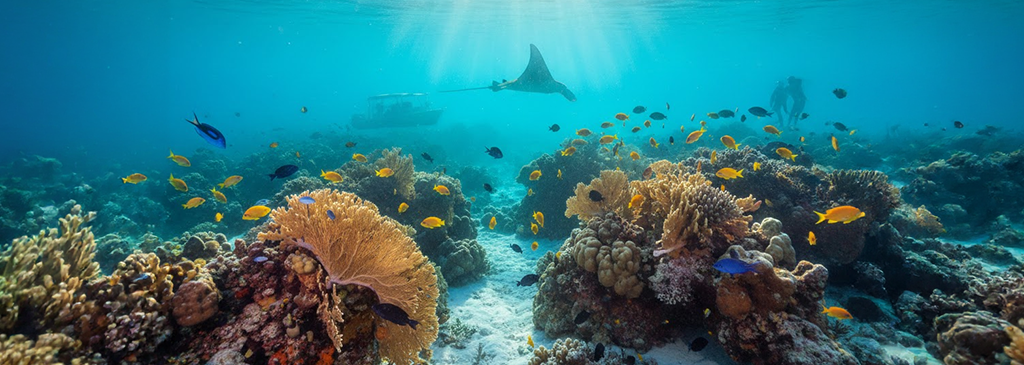
Belize’s reef is rich with marine life, making every dive a photo opportunity.
Common Reef Fish
Larger Marine Life
Coral and Reef Details
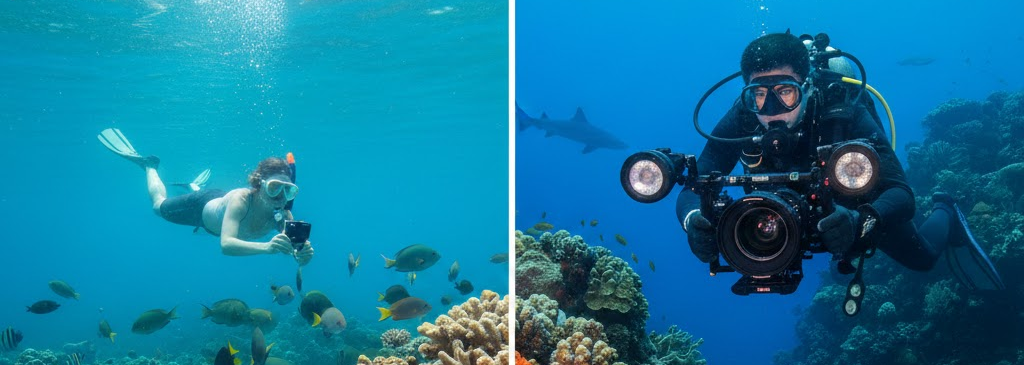
Snorkeling is excellent for beginners and those using action cameras. Many of Belize’s best reef areas sit in less than 5 meters of water, offering bright light and vibrant colors with minimal equipment.
Scuba diving opens up more creative options, especially along reef walls and deeper coral structures. Divers can take their time composing shots, experimenting with lighting, and capturing larger marine animals.
Popular photo-friendly locations include Hol Chan Marine Reserve, South Water Caye, Turneffe Atoll, and Glover’s Reef.
Reef-Safe Shooting Practices
Ethical Posting on Social Media
Post-processing helps bring your images closer to what your eyes saw underwater.
Photographing Belize’s reef is about more than capturing beautiful images—it’s about preparation, patience, and respect for one of the world’s most precious marine ecosystems. With the right gear, proper lighting, thoughtful camera settings, and ethical behavior, you can create stunning underwater photographs while helping preserve Belize’s reef for years to come.
For more Belize travel tips, snorkeling guides, and island adventures, explore our blogs.