Quick Links: About Us - Contact Us
For bookings, call us at
+501 677-2900
Quick Links: About Us - Contact Us

Quick Links: About Us - Contact Us
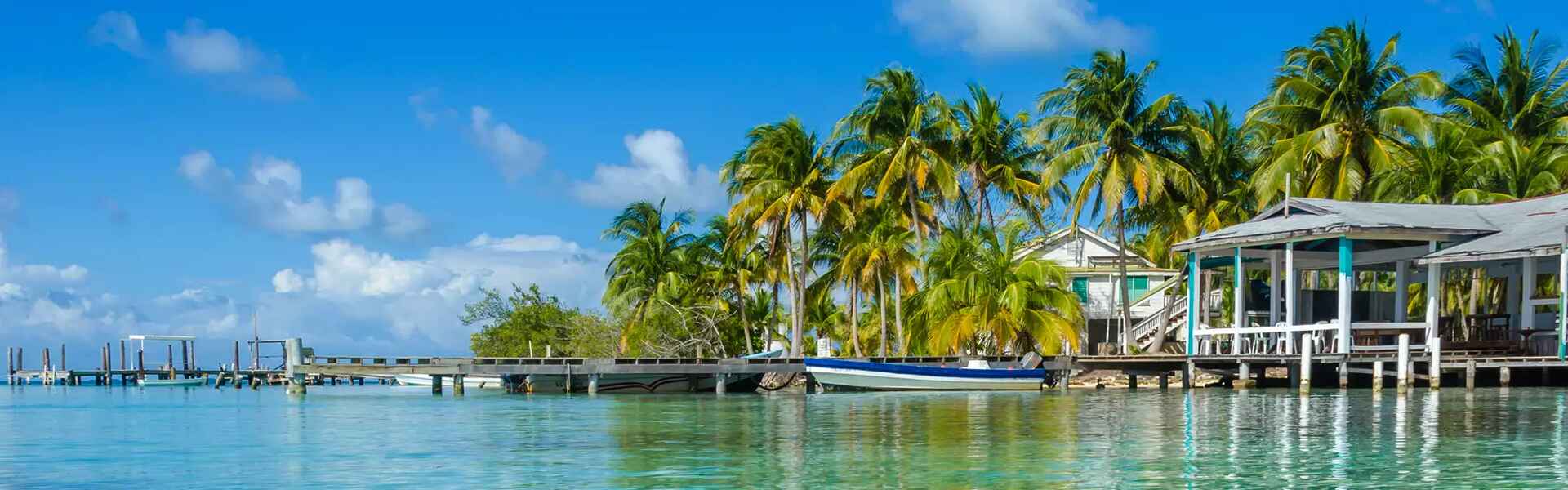

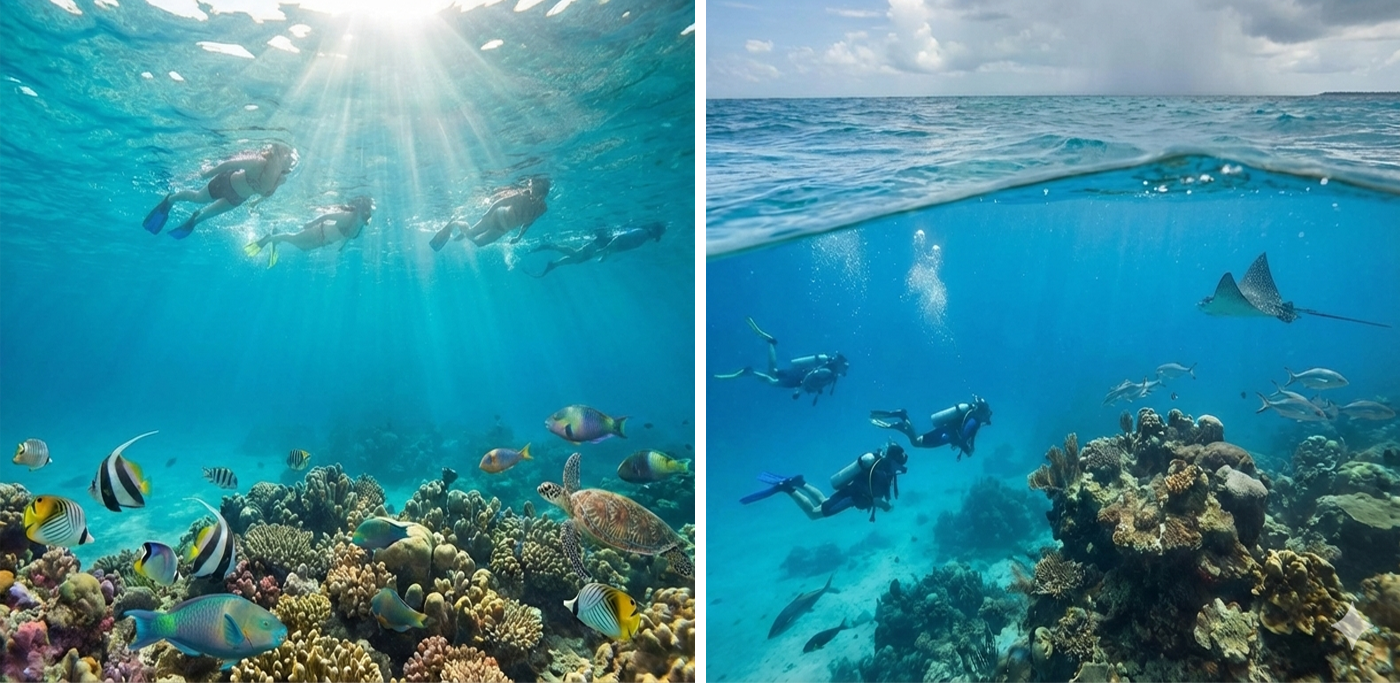
Belize is home to the second-largest barrier reef in the world, making it a dream destination for snorkelers and scuba divers year-round. But while the reef is always stunning, sea conditions, visibility, and marine life change noticeably depending on the season. If you’re planning a reef adventure and wondering whether February (dry season) or July (wet season) is better, this quick comparison will help you decide.
In this guide, we break down the Belize reef seasons comparison by looking at visibility, currents, wildlife encounters, and water temperature. We’ll also share quick tips for snorkelers and divers so you can choose the season that best matches your experience level and expectations.
Belize has two main seasons that directly affect marine conditions:
The dry season is marked by low rainfall, calmer seas, and steady weather patterns. Trade winds are lighter, which means smoother surface conditions and excellent underwater clarity. February sits right in the heart of this season and is often considered one of the most reliable months for reef activities.
The wet season brings warmer water, occasional rain showers, and stronger currents. While rainfall can affect near-shore visibility, offshore reef sites often remain clear. July, despite being part of the wet season, is a popular month for divers due to increased marine activity and warmer sea temperatures.
Understanding these seasonal differences is key to choosing the right time for snorkeling or diving in Belize.
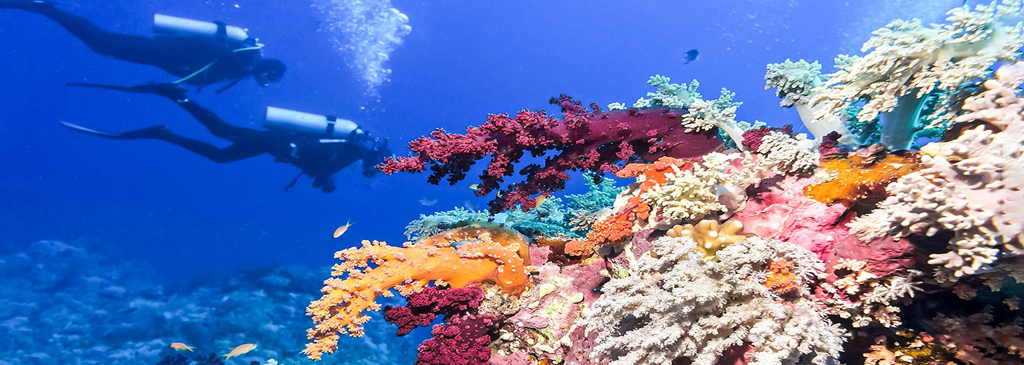
During the dry season, Belize enjoys some of its clearest reef conditions.
For anyone focused on coral details, reef fish, and photography, February offers near-perfect visibility.
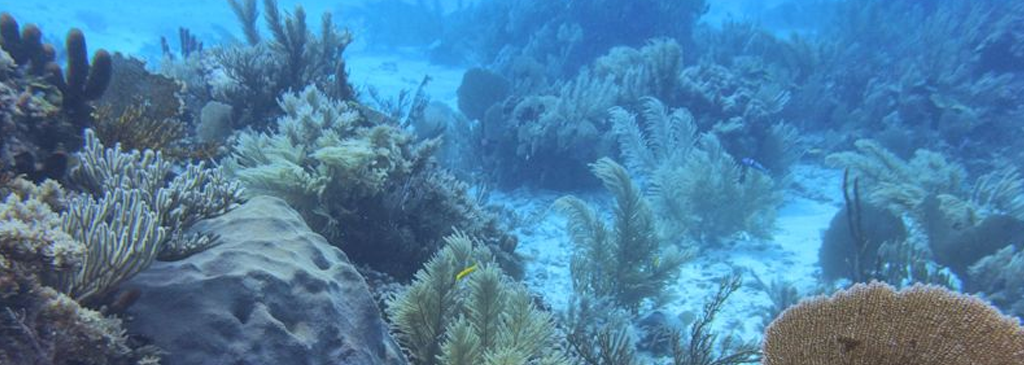
In July, visibility can vary depending on location.
While not as consistently clear as February, July still delivers rewarding underwater views, especially for experienced divers.
Dry season sea conditions are generally calmer and more predictable.
These conditions are perfect for relaxed reef exploration and longer bottom times.
The wet season introduces moderate to occasionally strong currents.
For certified divers who enjoy drift dives, July can be thrilling rather than challenging.
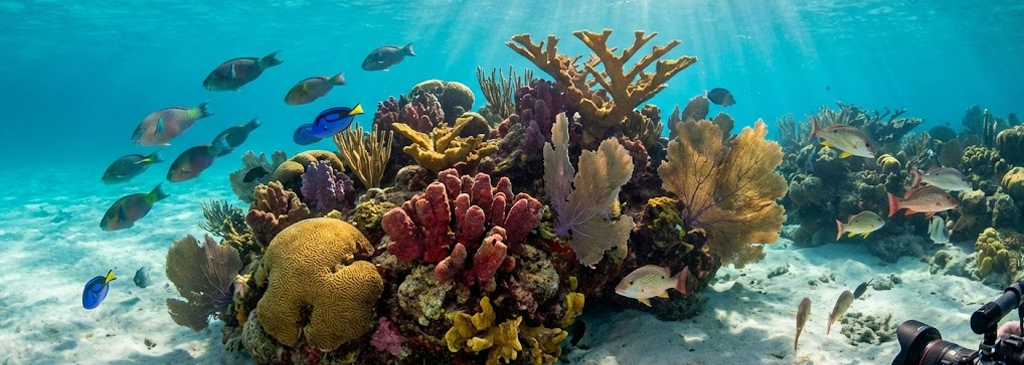
The dry season offers consistent reef activity.
While large pelagic sightings are less common, the reef ecosystem feels vibrant and stable.
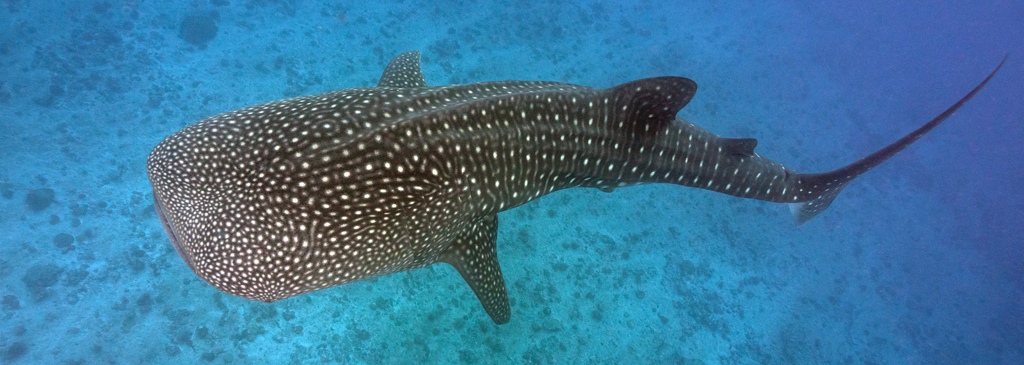
Wet season conditions often bring bigger and more dramatic encounters.
For divers chasing unique wildlife moments, July offers exciting possibilities despite slightly variable conditions.
Water temperature is another key factor when comparing Belize marine February vs July conditions.
Warmer water in July often means longer, more comfortable dives, especially for those sensitive to cooler temperatures.
|
Factor |
Dry Season (February) |
Wet Season (July) |
|
Visibility |
Excellent (80–100+ ft) |
Good to Very Good (60–90 ft) |
|
Currents |
Mild and predictable |
Moderate, ideal for drift dives |
|
Wildlife |
Reef fish, turtles, rays |
Larger species, active feeding |
|
Water Temperature |
Cooler, refreshing |
Warm and comfortable |
|
Best For |
Beginners & photographers |
Experienced divers & adventure seekers |
Snorkelers looking for easy, stress-free reef access will feel most comfortable during the dry season.
Scuba divers with some experience often find July diving more exciting and rewarding.
There’s no single “best” season for Belize’s reef—it all depends on what kind of experience you want. If you prefer clear water, calm seas, and relaxed snorkeling, the dry season in February is hard to beat. If you’re drawn to warmer water, drift dives, and bigger marine encounters, July’s wet season conditions may be exactly what you’re looking for.
No matter when you visit, Belize’s reef delivers unforgettable underwater adventures. Choose your season wisely, plan around your comfort level, and the reef will do the rest.