Quick Links: About Us - Contact Us
For bookings, call us at
+501 677-2900
Quick Links: About Us - Contact Us

Quick Links: About Us - Contact Us
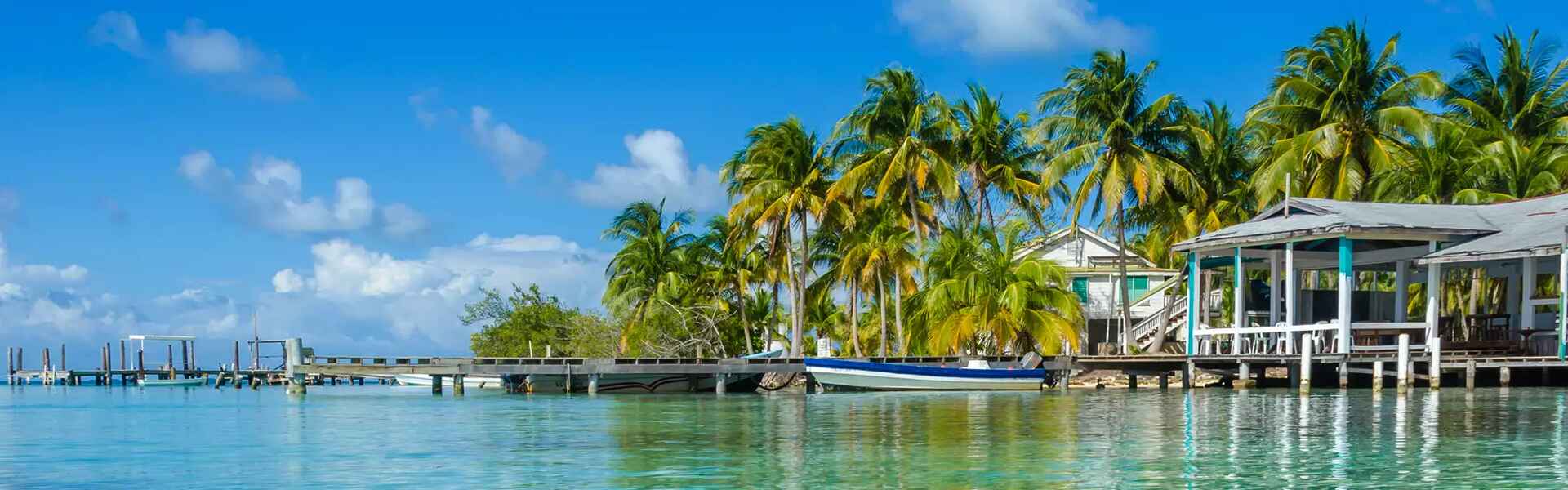

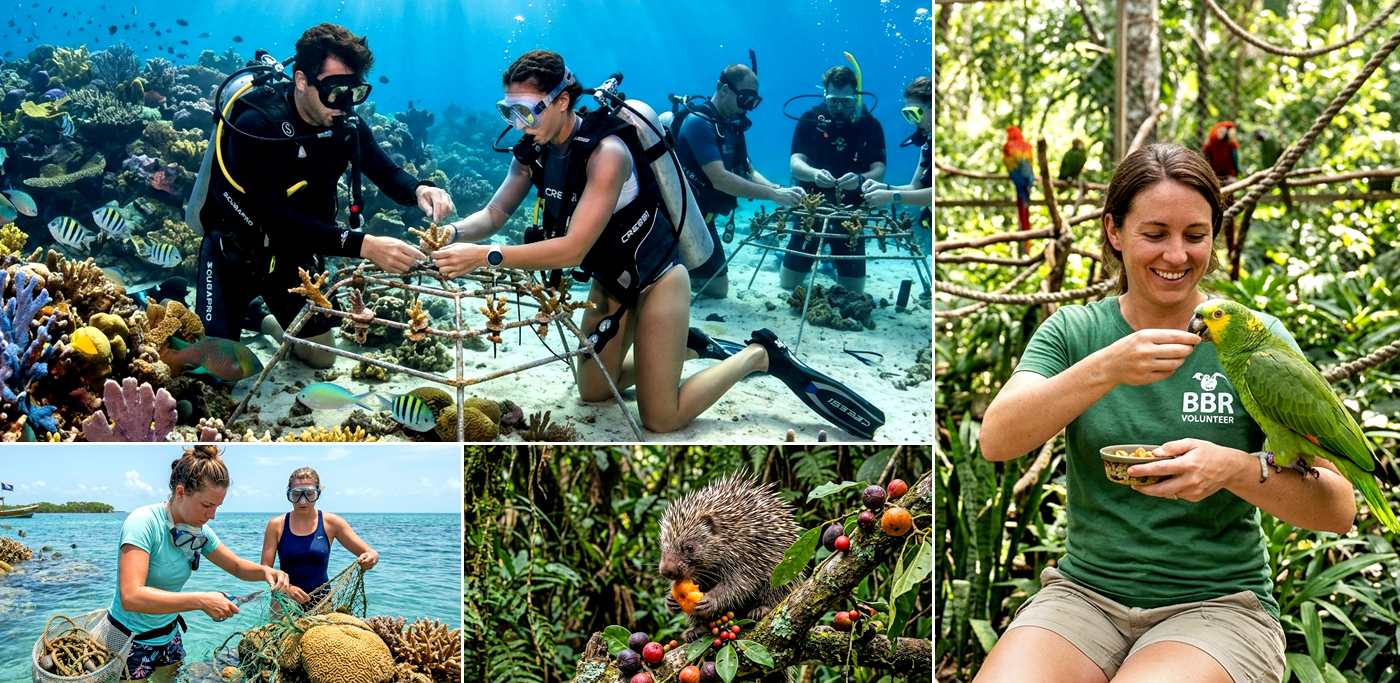
Volunteering in Belize is one of the most meaningful ways to engage with a country whose natural world is under genuine pressure. From coral reef conservation to jaguar research, from marine turtle monitoring to sustainable agriculture development, Belize’s conservation community maintains a range of volunteer programs that welcome skilled and unskilled international participants—offering experiences that go far beyond the tourist surface and create lasting connections with place and community.

It is an excellent time for eco-volunteering in Belize. The beginning of the rainy season means coral spawning preparation activities on the reef, active nesting season monitoring for sea turtles, and agricultural planting cycles on sustainable farms. Conservation organizations welcome the volunteer surge that spring travel creates, and the reduction in mainstream tourism ensures volunteers receive more personal mentorship and meaningful project involvement.
Reef cleanups and coral restoration represent some of the most impactful and accessible volunteer work in Belize. The Belize Barrier Reef is under pressure from climate-driven coral bleaching, coastal development runoff, and entangled fishing gear, and every additional pair of hands in the water contributes meaningfully to reef health.
Fragments of Hope (fragmentsofhope.org) is a Belize-based coral restoration organization working primarily in southern Belize. Founded by marine biologist Lisa Carne, the organization runs one of the most successful coral nursery programs in the Caribbean and welcomes volunteer divers (Open Water certification minimum) to assist with coral fragment collection, nursery maintenance, and outplanting activities.
Volunteer stays of 1–4 weeks are accommodated; contact the organization directly for current volunteer intake, cost (which covers accommodation and food), and application process.
Reef Environmental Education Foundation (REEF) conducts fish population surveys throughout the Mesoamerican Reef system and trains volunteer divers to conduct standardized underwater surveys that contribute to scientific databases used by conservation managers. No prior scientific experience is required—REEF provides full training and survey protocols. Training costs approximately USD 50; survey trips depart regularly from Ambergris Caye.
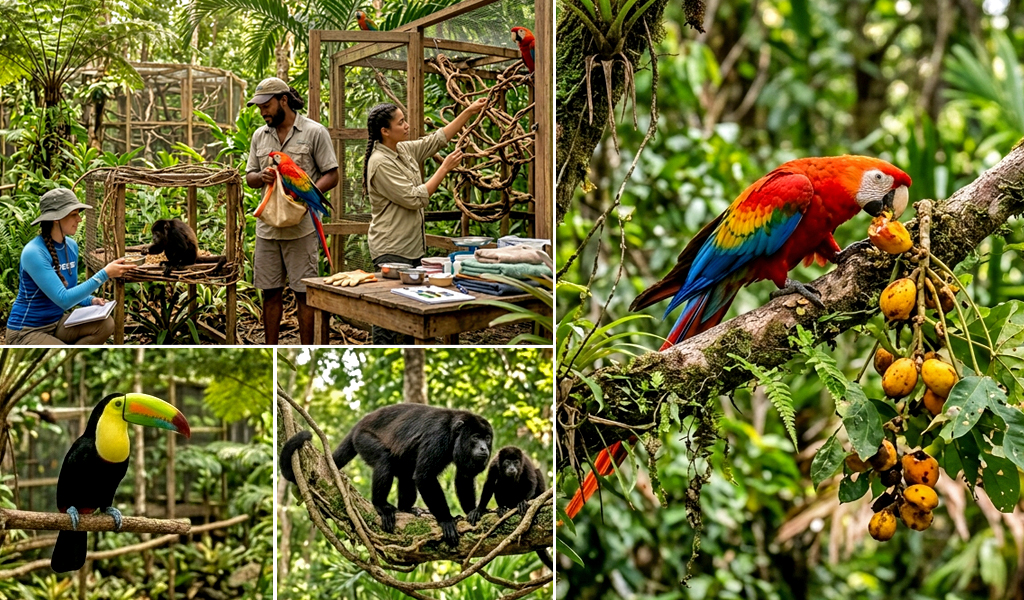
Belize Wildlife & Referral Clinic (BWRC) based in Belmopan, accepts volunteers to assist with the rehabilitation of injured and orphaned wildlife. The clinic handles a wide range of native Belizean species, including howler monkeys, tapirs, kinkajous, and various bird species. Volunteers assist with feeding, enclosure maintenance, and animal care under the supervision of veterinary and rehabilitation staff. Minimum commitment: 2 weeks. Accommodation is basic (shared facilities on-site or nearby homestays). Application is through the BWRC website. Associated costs cover food and lodging (approximately USD 25–35/day) rather than program fees.
Belize Bird Rescue in Ladyville (near Belize City) operates a rescue and rehabilitation facility for native and captive-bred birds, including endangered parrots and macaws. Volunteers assist with feeding, enrichment activities, and facility maintenance. This is an excellent option for birdwatching enthusiasts who want hands-on experience with species they might otherwise only observe at a distance.
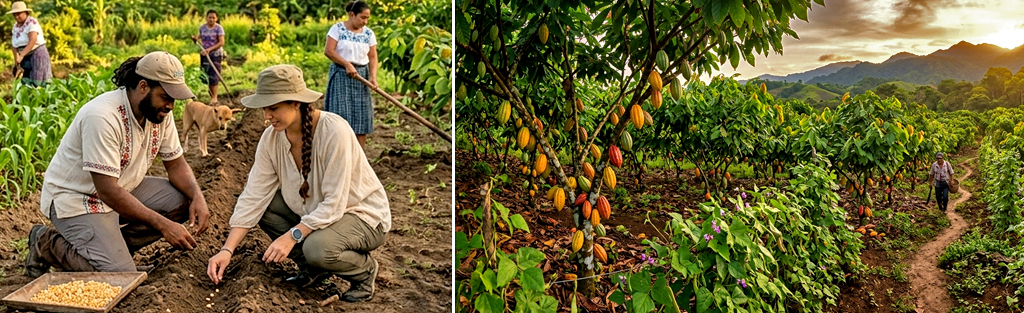
The Toledo Institute for Development and Environment (TIDE) works with communities in southern Belize on sustainable agriculture, conservation management, and community development. Volunteer opportunities include working alongside Maya farming families on traditional milpa (swidden) agricultural systems, participating in reforestation planting, and assisting with community-based tourism development initiatives.
The practical agricultural component of these programs—learning to plant corn, beans, and cacao in the traditional Maya way—is both physically satisfying and profoundly educational. Accommodation is typically in community homestays, providing a depth of cultural immersion that resort-based volunteering cannot replicate.
Research and apply at least 6–8 weeks before your intended arrival—legitimate conservation organizations vet volunteers and require applications, references, and sometimes skills assessments. Budget for program costs (food, accommodation, and organizational expenses) separately from your flight costs. Many volunteer programs are not free—the cost of your participation often directly funds the conservation work. Ensure you have comprehensive travel insurance that covers volunteer activities, as standard tourist policies sometimes exclude volunteer work. Check any visa requirements—Belize allows stays up to 30 days for most nationalities without a visa, extendable in-country for longer volunteer commitments.
Eco-volunteering in Belize allows travelers to make a positive impact while exploring the country. Whether supporting conservation projects or local communities, the experience is both meaningful and educational. It adds purpose to your journey and creates lasting memories beyond typical tourism. With proper planning, you can balance volunteering with exploration for a well-rounded trip.