Quick Links: About Us - Contact Us
For bookings, call us at
+501 677-2900
Quick Links: About Us - Contact Us

Quick Links: About Us - Contact Us


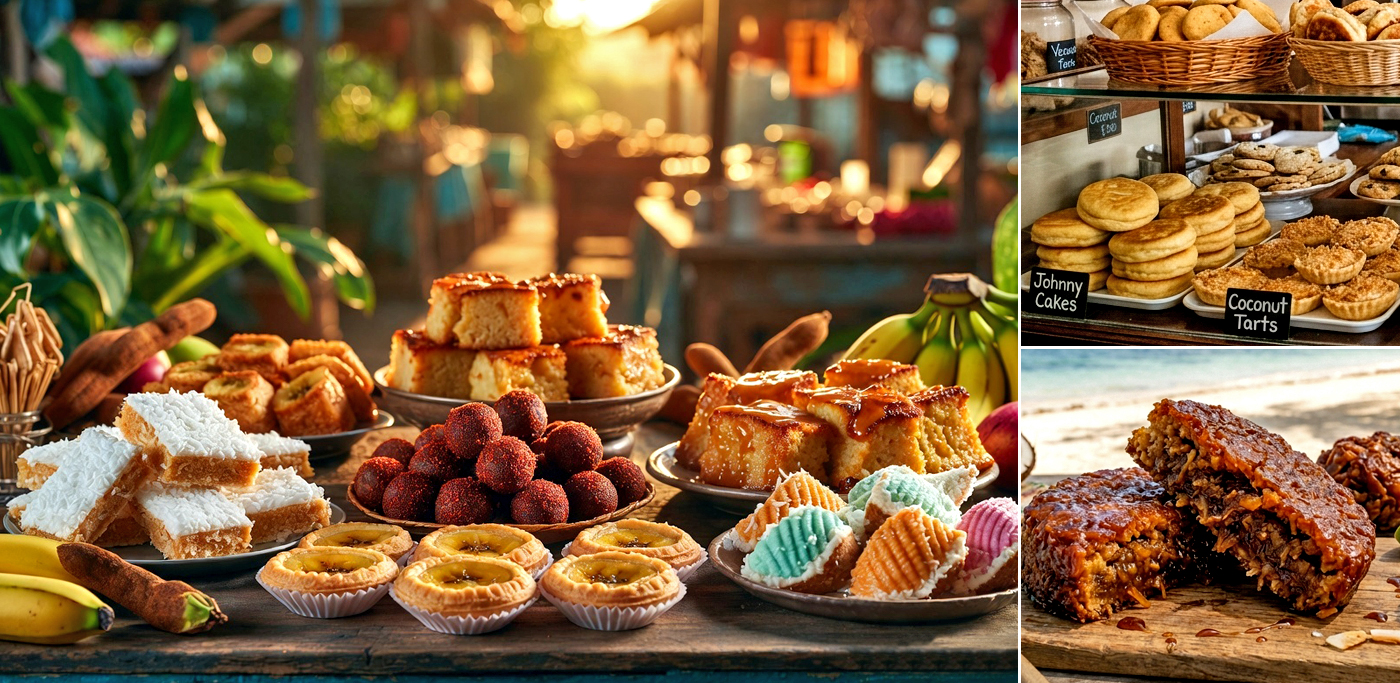
Belize’s dessert culture is one of the most underappreciated dimensions of the country’s extraordinary culinary landscape. Shaped by Maya, Garifuna, Creole, East Indian, and British colonial influences, Belizean sweets are unlike anything else in the Caribbean — complex, deeply flavored, rooted in tradition, and available at a fraction of the price of comparable artisan confections in any North American or European city.
May is a particularly good month for dessert exploration in Belize. Community markets operate at full spring activity; cultural celebrations produce traditional sweet preparations in abundance; and the end of dry season means fresh tropical fruits — the foundation of many Belizean desserts — are at their peak ripeness.
Tableta is a dense, brittle confection made from toasted grated coconut, roasted peanuts (or other local nuts), dark brown sugar, cinnamon, and occasionally vanilla — cooked together in a heavy pot until the sugar caramelizes and the mixture forms a cohesive mass, then pressed into flat bars or rounds and left to cool and harden. The result sits somewhere between a candy bar, a nut brittle, and a coconut cookie — deeply caramelized, intensely nutty, richly sweet, and profoundly Belizean.
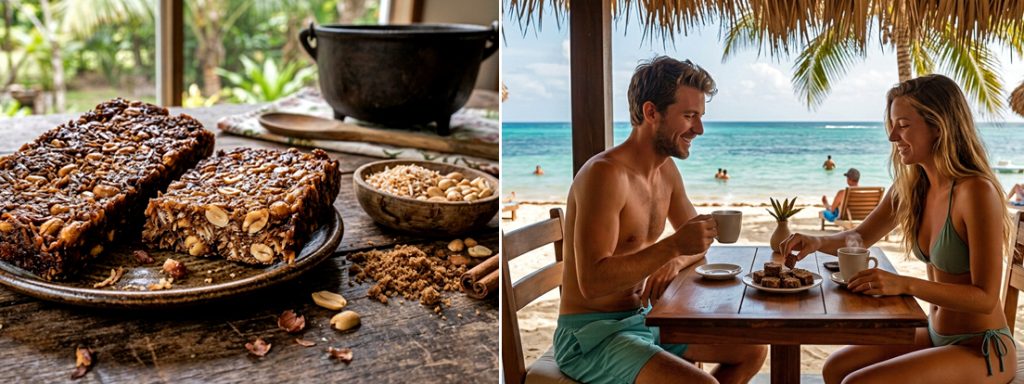
Tableta is particularly associated with Garifuna culinary tradition and appears at community markets, cultural festivals, and specialist sweet vendors throughout the Garifuna communities of Hopkins, Dangriga, and Punta Gorda. It’s also sold by market vendors and street sellers in Belize City and San Ignacio. Price: BZD 1–3 per piece. The flavor is powerful — a little goes a long way, and tableta is best enjoyed alongside a strong cup of traditional cacao tea or Belizean bush tea.
Tamarind balls are one of Belize’s most beloved street sweets — a tart, tangy, sweet confection made from the pulp of the tamarind fruit (Tamarindus indica) combined with sugar, salt, and sometimes small amounts of habanero or other local chili. The mixture is rolled into balls roughly the size of a large marble and sometimes coated in additional sugar or chili powder.
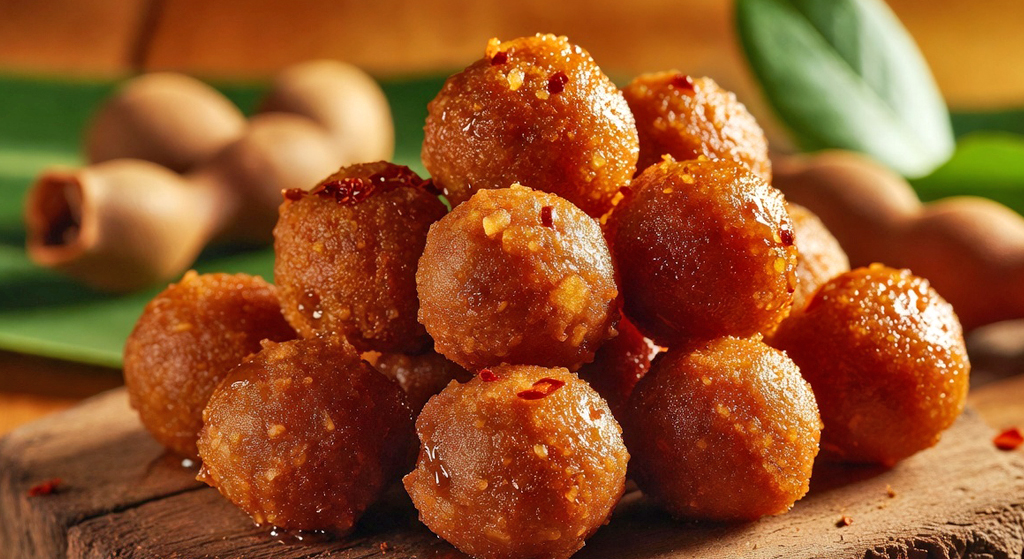
The flavor experience of a Belizean tamarind ball is genuinely unusual if you’ve never encountered tamarind in this form — powerfully tart from the tamarind’s natural tartaric acid, sweet from the added sugar, salty, and with a subtle heat from the chili that builds pleasantly. The combination of all four basic tastes simultaneously makes tamarind balls almost impossible to eat just one of. Price: BZD 0.50–1.00 each. Find them: school-adjacent vendors, market stalls throughout the country, and convenience stores across all tourist areas.
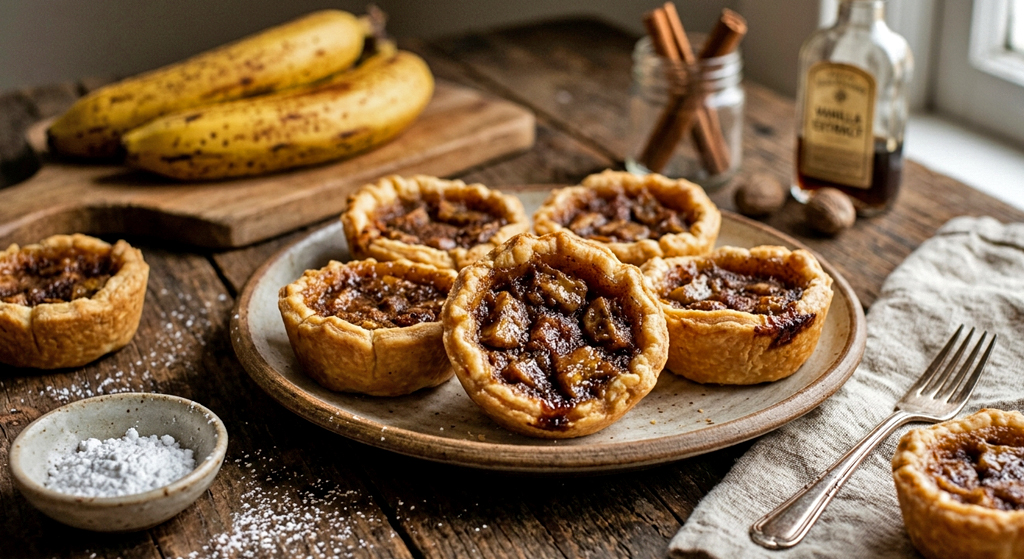
Banana tarts are a Creole-tradition baked sweet — small pastry cases (similar in texture to British short-crust pastry) filled with a cooked, spiced banana filling made from overripe local bananas, sugar, cinnamon, nutmeg, and vanilla. Baked until the pastry is golden and the filling has caramelized slightly at the edges, they’re best eaten warm, when the banana filling is fragrant and yielding.
The finest banana tarts in Belize come from small community bakeries rather than tourist-oriented establishments — the handmade versions, produced in family kitchens and sold at market stalls, are dramatically superior to commercially produced equivalents. San Ignacio Market on Saturday morning is the single best location for finding exceptional banana tarts alongside other traditional Belizean baked goods. Price: BZD 1–2 each.
Belizean fudge is a category of its own, bearing only a passing resemblance to the milk-based fudge of Northern Europe and North America. The most characteristically Belizean fudge varieties include coconut fudge (condensed milk, grated fresh coconut, sugar cooked to soft-ball stage), peanut fudge (similar base with roasted peanut butter), and the distinctive “seashell fudge” formed into conch shell shapes using food coloring and coconut as the primary ingredient.
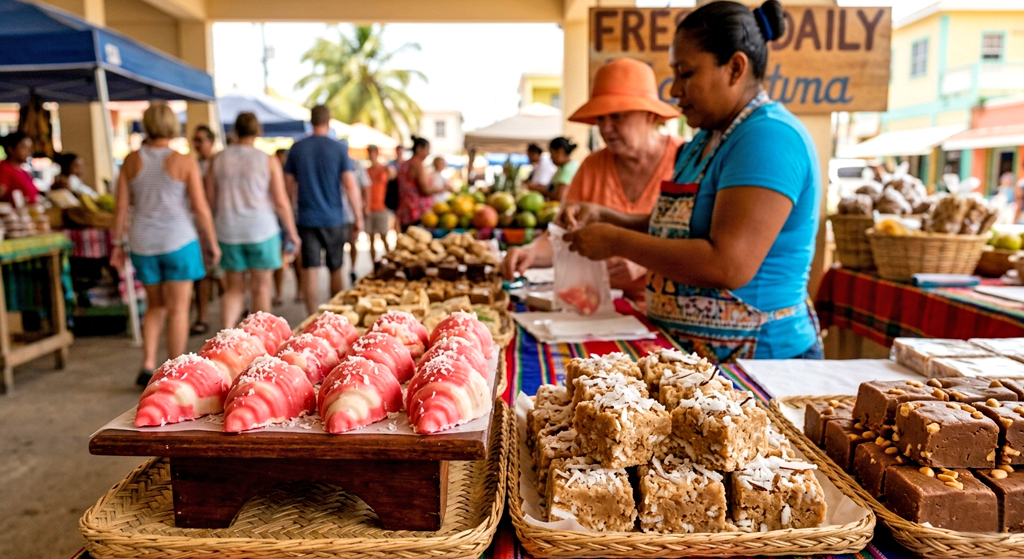
These confections are sold as souvenirs at craft markets and tourist areas throughout the cayes and mainland towns, but the best versions are found at market vendors who produce them fresh daily rather than in batches for extended storage. Price: BZD 2–5 for a small piece. The Caye Caulker front street vendors and Belize City’s Central Market are excellent sources.
Belizean bread pudding — a direct descendant of the British colonial tradition — transforms day-old Belizean coconut bread into a dessert of extraordinary richness. The bread is soaked in a mixture of eggs, coconut milk, sugar, nutmeg, cinnamon, and vanilla, then baked until the interior sets into a custardy, fragrant mass and the top caramelizes to a golden crust. Served warm with a thin caramel sauce or sweetened coconut cream, it’s one of the most comforting sweet experiences available in Belize.
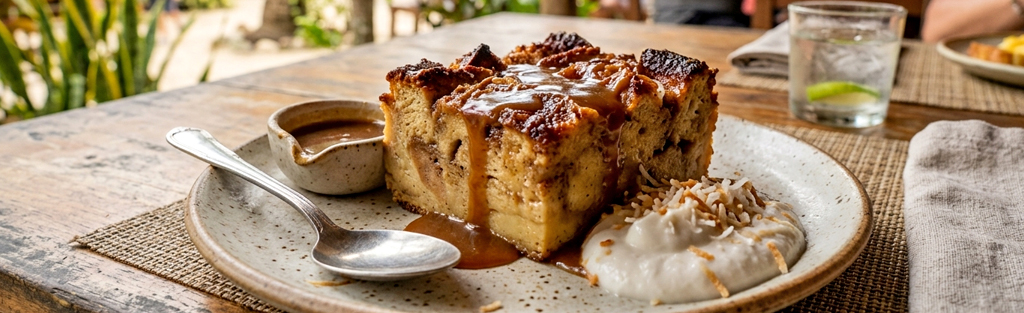
Bread pudding appears on the dessert menus of traditional Belizean restaurants throughout the country. DIT’s Restaurant and Nerie’s in Belize City are legendary versions; local restaurants in Hopkins and Placencia serve excellent variations using fresh local coconut bread as the base.
Belizean desserts reflect the country’s rich cultural influences and local ingredients. Trying these unique sweets adds a fun and flavorful dimension to your trip. It’s a simple way to experience Belize’s culinary diversity.