Quick Links: About Us - Contact Us
For bookings, call us at
+501 677-2900
Quick Links: About Us - Contact Us

Quick Links: About Us - Contact Us

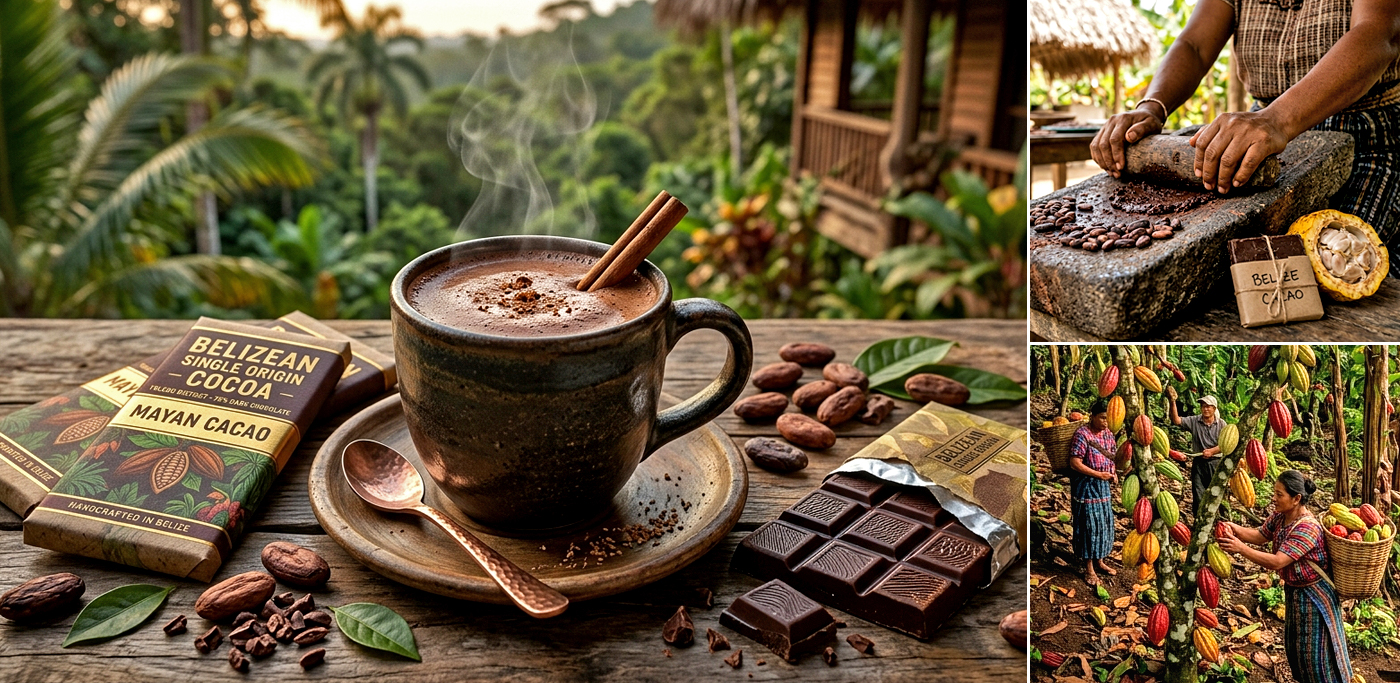
Belize’s chocolate tours center on two regions: the Toledo District in the south, home to Maya-owned cacao farms and the country’s Cacao Trail, and the Cayo District around San Ignacio, where shorter demonstrations pair well with a ruins day. Expect to taste raw cacao fruit, grind roasted beans on a traditional stone called a metate, and leave with a bar you made yourself.
Cacao has deep roots in Maya culture, where beans were once used as currency and brewed into a spiced ceremonial drink rather than eaten as candy. Toledo District, in southern Belize, is often called the country’s chocolate capital, and its cacao is grown by small Maya farming families, some of whom sell to internationally known chocolatiers through cooperatives such as the Toledo Cacao Growers Association.
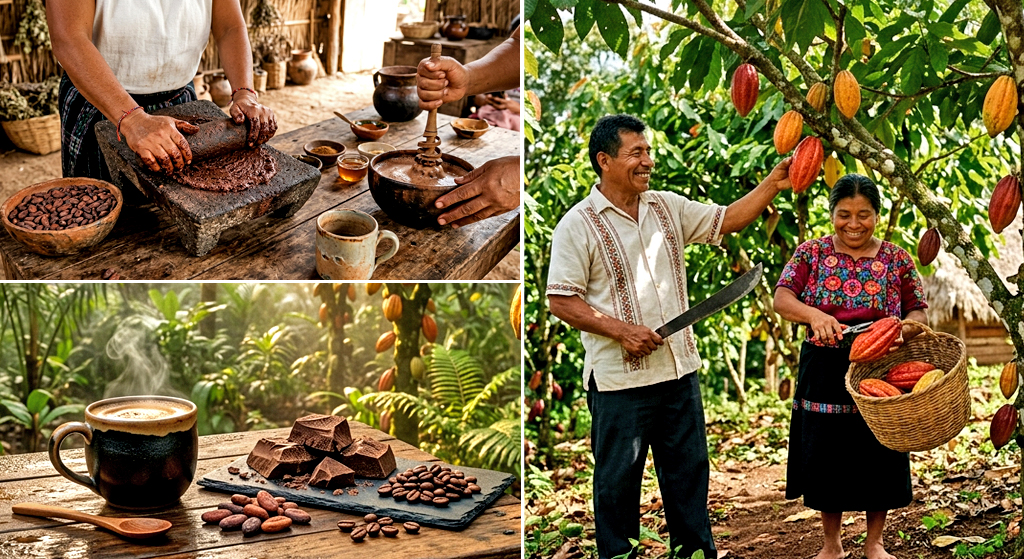
Based in San Felipe Village, about 11 miles from Punta Gorda, IXCACAO describes itself as the only Maya Belizean-owned and operated chocolate company in the world, founded in 1985 by Juan and Abelina Cho. Tours range from a shorter tasting to a longer, several-hour experience covering the farm walk, a ceremonial cacao drink, hands-on chocolate making and a traditional Maya lunch.
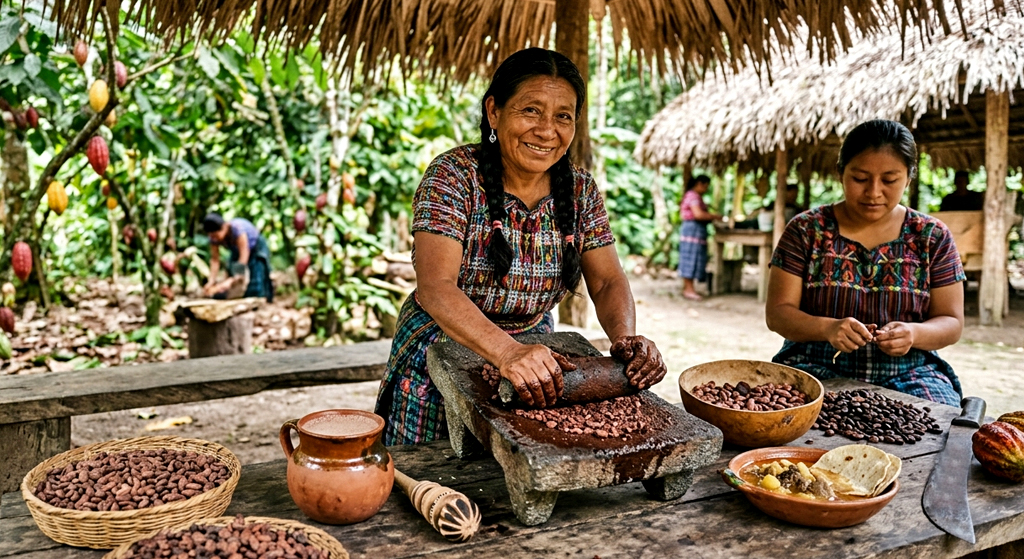
Also in San Felipe Village, Cyrila Cho and her family run a chocolate tour that includes peeling roasted cacao beans and grinding them on a traditional stone (a matate), plus a traditional stew lunch and hot chocolate. Tours have historically run several hours and included a visit to a nearby cacao farm.
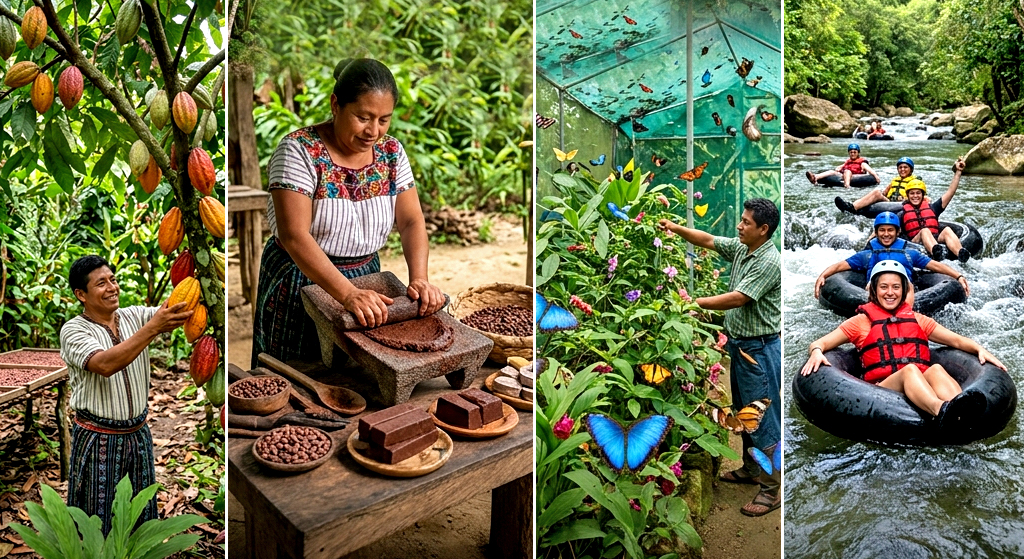
Near Maya Center Village, at the entrance to Cockscomb Basin Wildlife Sanctuary in Stann Creek, Ch’eil offers cacao-farm tours and chocolate-making demonstrations, sometimes combined with a butterfly farm visit or river tubing.
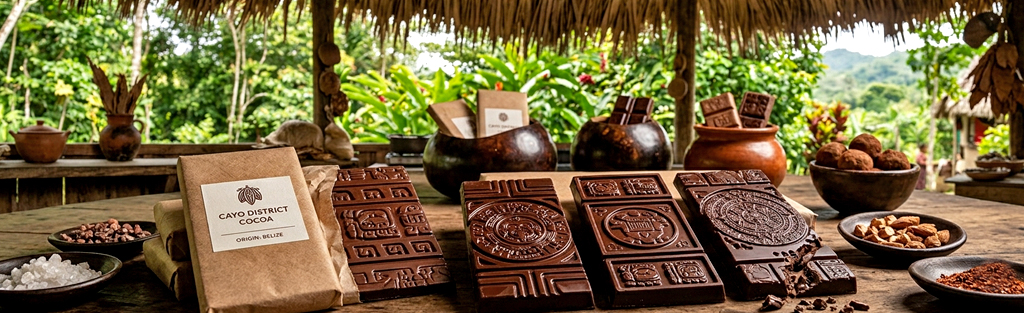
For travelers based in San Ignacio, several smaller operators offer chocolate demonstrations without the trip south to Toledo:
These are commonly paired with a Xunantunich or Cahal Pech tour on the same day.
Reported prices for chocolate tours have ranged from about US $25 for a shorter tasting and demonstration experience to around US$ 60 to US $80 for a longer farm tour with lunch. Most operators, especially the Toledo farms, run on a reservation-only basis, so book ahead rather than showing up. Confirm what’s included: some tours add a farm walk and lunch, others are demonstration-only.
Many of these tours take place in family homes and working farms, not commercial attractions, so the same courtesy you’d extend to any host applies: ask before photographing people, follow the family’s lead on what parts of the process are open to hands-on participation, and recognize that tour income supports a small farming household directly. Booking ahead isn’t just a scheduling courtesy; it lets the family prepare for your visit properly.
Beyond a bar you made yourself, many farms sell finished chocolate, cacao nibs and drinking-chocolate blocks to take home, often a better souvenir than a supermarket bar since it comes with a story about the specific family and farm behind it. If you’re combining a chocolate stop with other food experiences, a market visit or a seafood dinner rounds out a day built around local flavor.
One practical tip worth flagging: real Maya-made chocolate, ground on a metate rather than machine-processed, often has a rougher texture and more bitter, less sweet profile than the chocolate bars most travelers are used to. That’s not a flaw; it’s closer to how cacao has been consumed in this region for centuries, and part of what makes the experience worth seeking out rather than simply buying a bar in a gift shop.