Quick Links: About Us - Contact Us
For bookings, call us at +501 677-2900
Quick Links: About Us - Contact Us

Quick Links: About Us - Contact Us
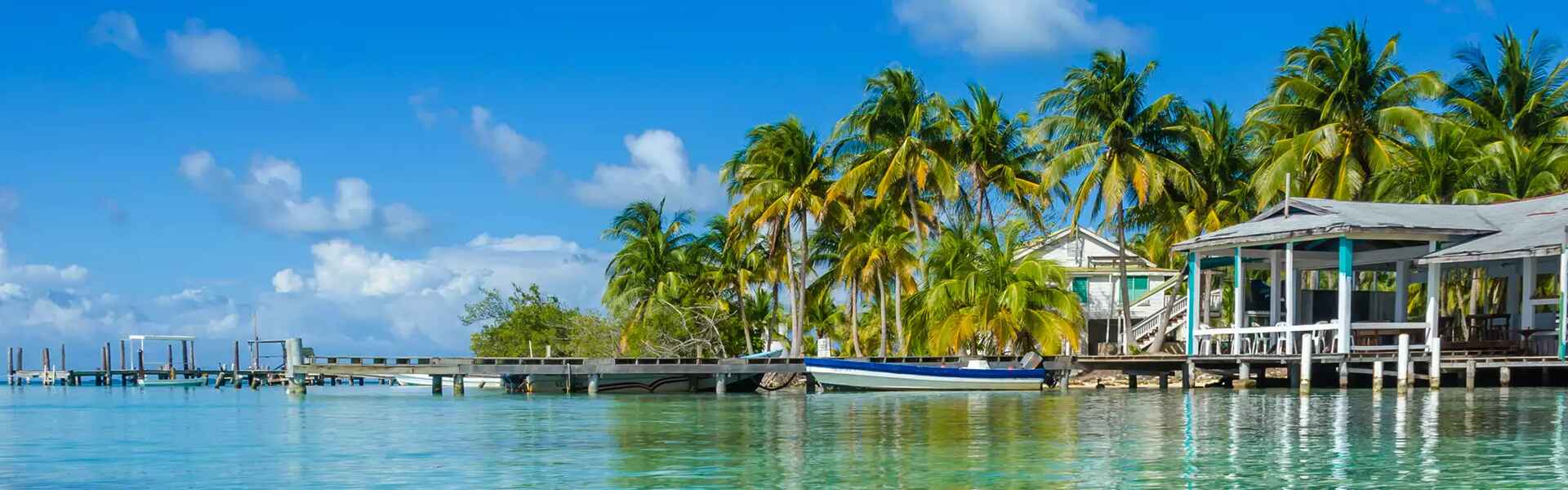

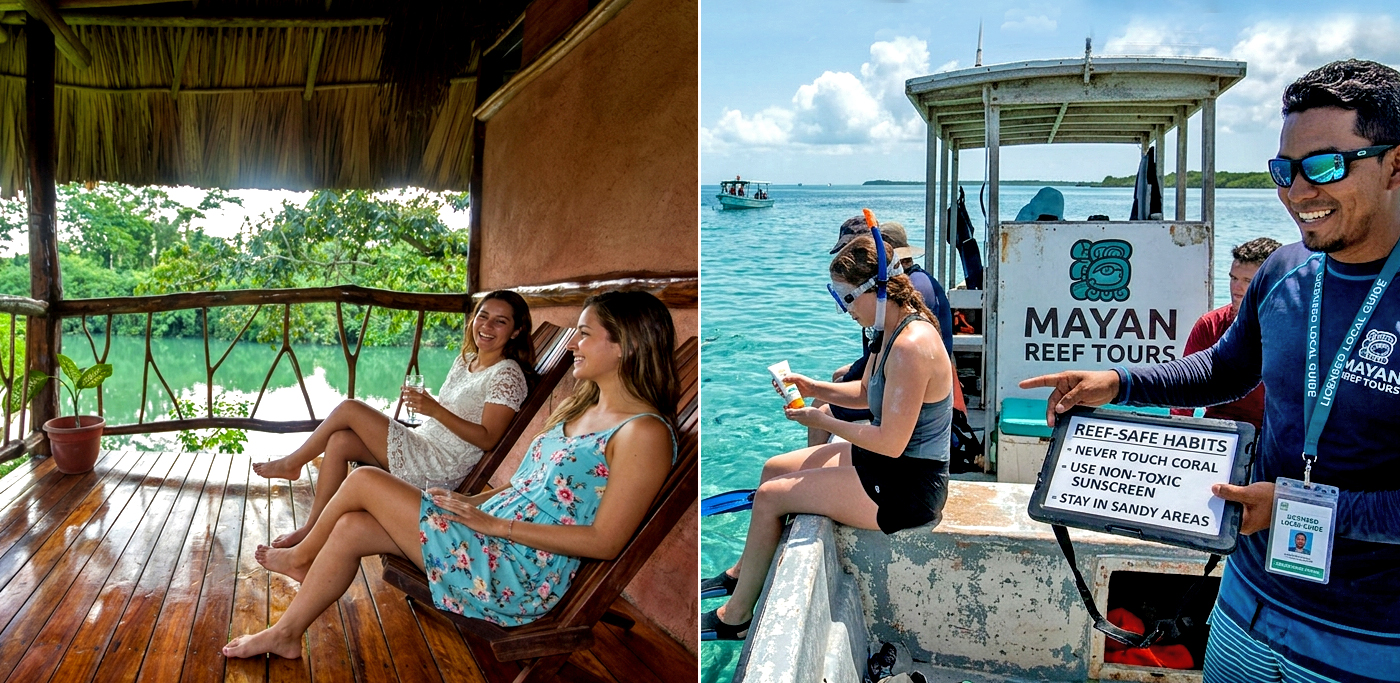
An eco-friendly Belize trip comes down to a handful of practical choices: staying at a lodge that’s transparent about its sustainability practices, choosing licensed local guides, following reef-safe habits at snorkel and dive sites, reducing single-use plastic, and supporting community-run tours and Maya-owned businesses. Belize’s economy and identity are closely tied to its reef and rainforest, so responsible tourism choices genuinely matter here, not just as a marketing angle.
Belize protects a notably large share of its land and sea through national parks, wildlife sanctuaries and marine reserves, and the Belize Barrier Reef Reserve System is recognized as a UNESCO World Heritage Site. The country has also taken steps to restrict single-use plastics. Tourism revenue is closely tied to the health of the reef and rainforest, which gives conservation a direct economic stake, not just an environmental one.
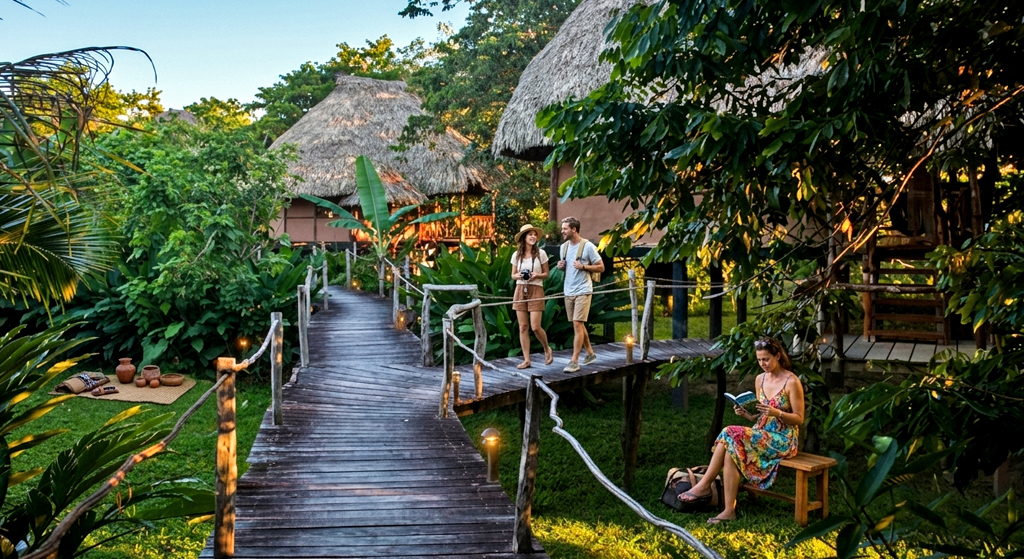
Look past marketing language and ask specific questions: Does the property hold a named certification (such as Green Globe)? Does it run or support a nature reserve? Does it employ and train local staff? Does it manage its own energy and waste? Strong lodges in the Cayo District, Stann Creek and Toledo tend to answer all four questions specifically rather than in vague marketing language.
Community-run and family-owned lodges, particularly in Toledo District, put tourism income more directly into local Maya and Garifuna communities. See [Cotton Tree Lodge] (mentioned in ) as one example of this model.

Belize has moved to restrict certain single-use plastic items. As a visitor, the simplest steps are to carry a refillable water bottle, decline single-use straws and bags where possible, and pack out anything you bring into a park or reserve, since some sites (like Cockscomb Basin) explicitly ask visitors to take out their own garbage.
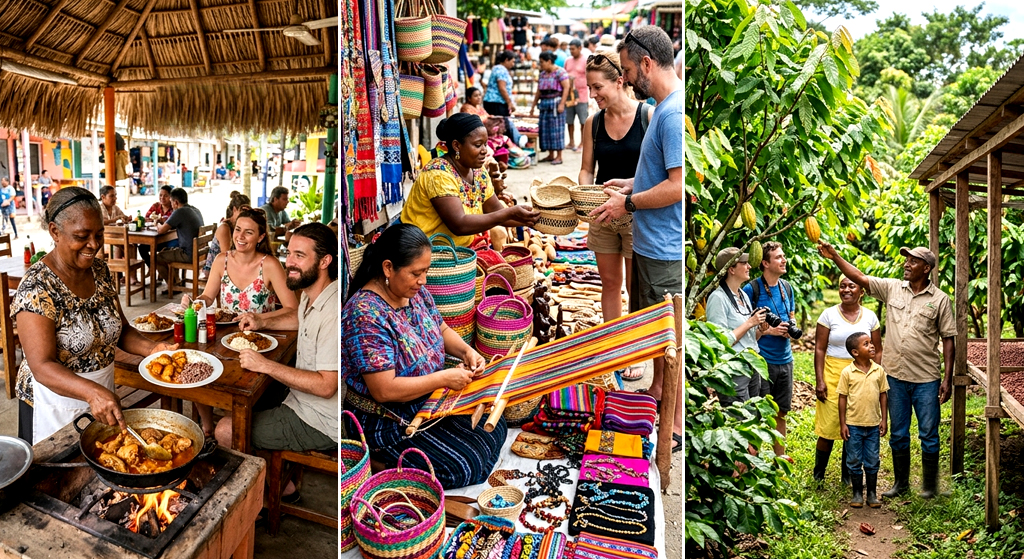

The wet season is when reserves, trails and reef systems are under the most natural pressure from rain and runoff, which makes responsible behavior (staying on trails, not disturbing wildlife, seeking higher ground, following guide instructions on river and cave conditions) especially relevant. It’s also a season when community-run lodges and tours particularly benefit from off-season bookings, since low-season revenue supports year-round conservation and community work.
Step | Why it matters |
Choose a lodge with a specific, verifiable sustainability practice | Avoids vague “eco” marketing |
Book licensed, BTB-registered guides | Supports accountable, trained tourism |
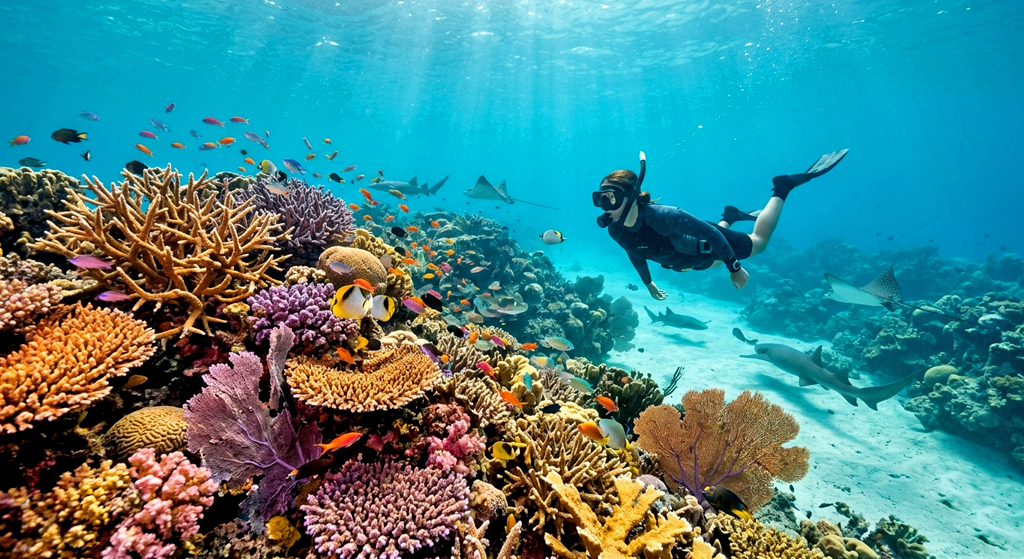
Use reef-safe sunscreen and no-touch etiquette | Protects the Belize Barrier Reef |
Carry a refillable bottle | Reduces plastic waste |
Buy from local artisans and family farms | Keeps tourism income in communities |
Follow guide instructions on wildlife and water conditions | Protects both you and the ecosystem |
The single most effective step in any of this is simply asking. Email a shortlist of properties or operators and ask specific questions: what certification do you hold, how is your energy generated, do you employ local staff, what happens to waste and wastewater, and does a stay or tour fee support a specific conservation program. Vague or evasive answers are as informative as detailed ones; a property that can’t answer basic questions about its own practices is telling you something too.
None of this requires restructuring your whole itinerary. A handful of specific choices, where you stay, which guides you book, how you handle sunscreen and plastic, and where you spend your souvenir budget- add up without asking you to sacrifice comfort or convenience. October, with its lower visitor numbers, is in some ways an easier month than December or April to make these choices thoughtfully, since community-run operators and small lodges have more room to work with fewer guests competing for their attention.