Quick Links: About Us - Contact Us
For bookings, call us at +501 677-2900
Quick Links: About Us - Contact Us

Quick Links: About Us - Contact Us


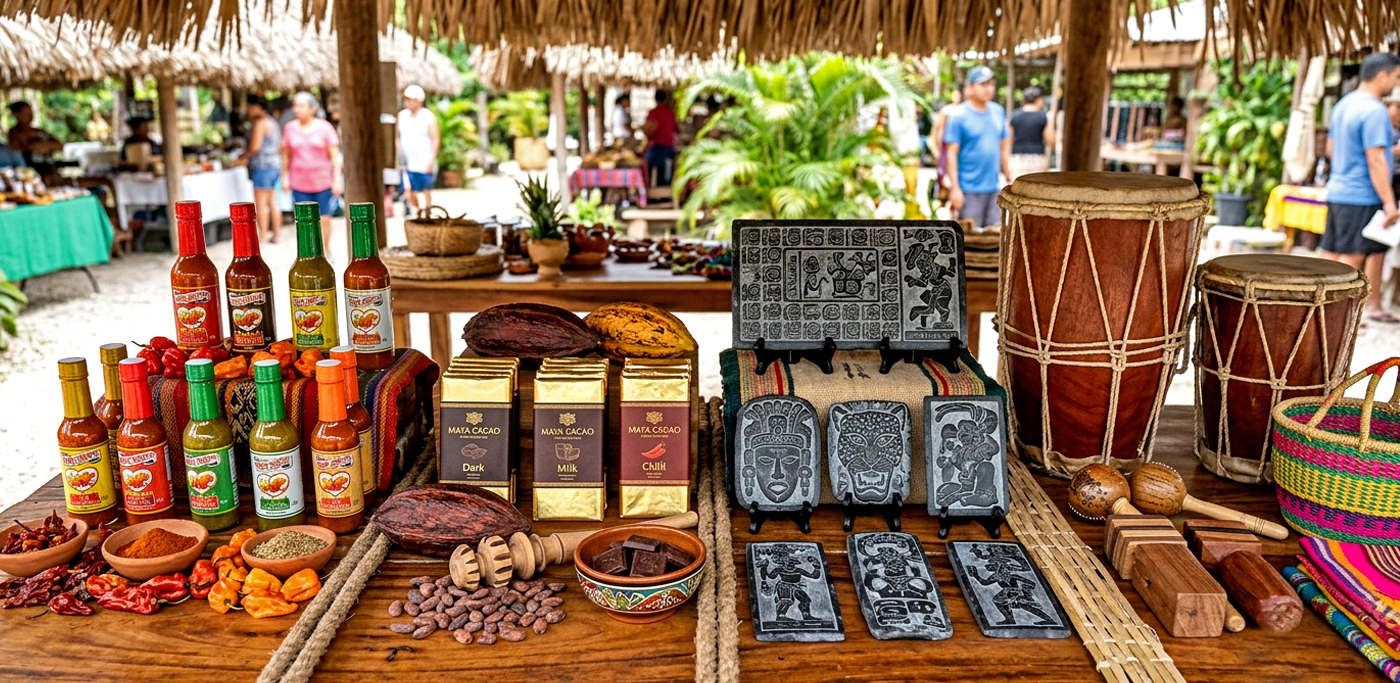
The most genuinely Belizean souvenirs are Marie Sharp’s hot sauce (the country’s best-known export), handmade chocolate from Maya cacao farms, Garifuna drums and crafts, Maya-carved slate artwork, and woven textiles and baskets from local cooperatives. Buy direct from makers and cooperatives where you can, and avoid items made from coral, turtle shell or other protected marine materials.
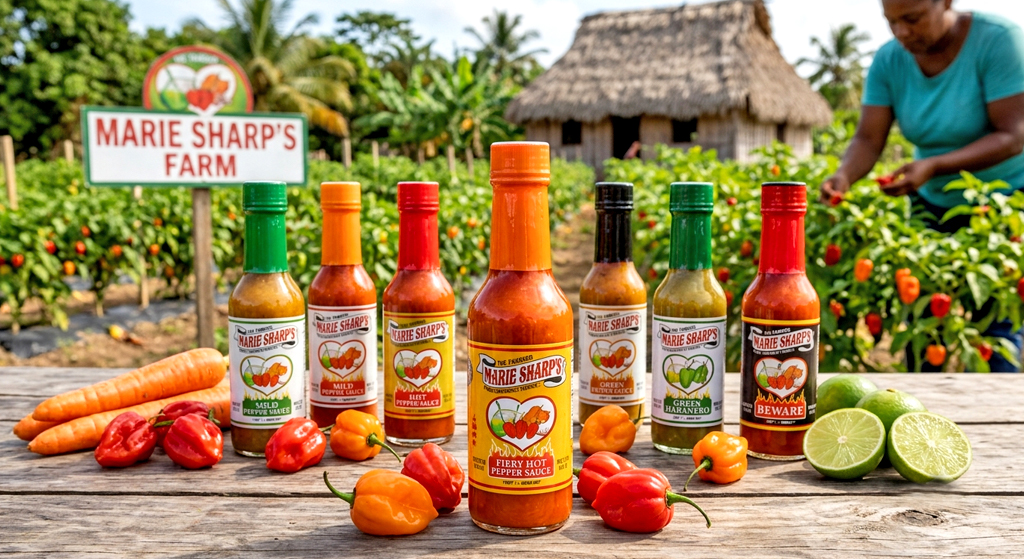
Marie Sharp’s Hot Sauce – Belize’s best-known culinary export, Marie Sharp’s habanero-based hot sauces come in a range of heat levels and flavors (the classic orange-label “Fiery Hot” is the most iconic). Widely available in grocery stores, gift shops and the airport, it’s a reliable, packable, genuinely Belizean gift that needs no explanation to recipients back home.
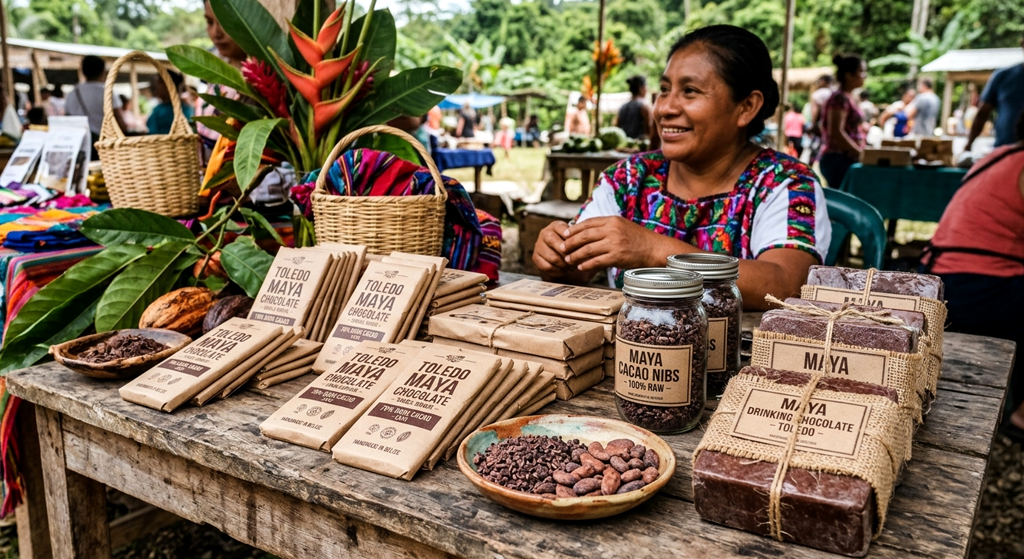
Belizean Chocolate and Cacao Products – Chocolate bars, cacao nibs and drinking-chocolate blocks from Maya-owned farms in Toledo or smaller producers in Cayo make a distinctive, better-than-average souvenir, especially if bought directly from the farm or a market stall where you can hear the story behind it.
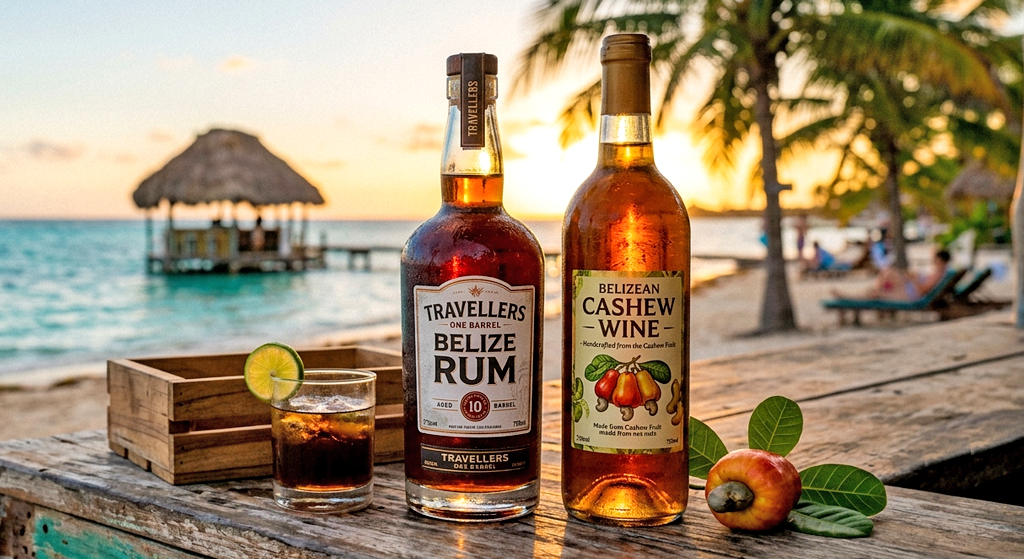
Rum and Cashew Wine – Belizean rum, along with more unusual local products like cashew wine (made from the fruit of the cashew tree, not the nut), offer a taste of the country that travels well in checked luggage, provided bottles are packed carefully.
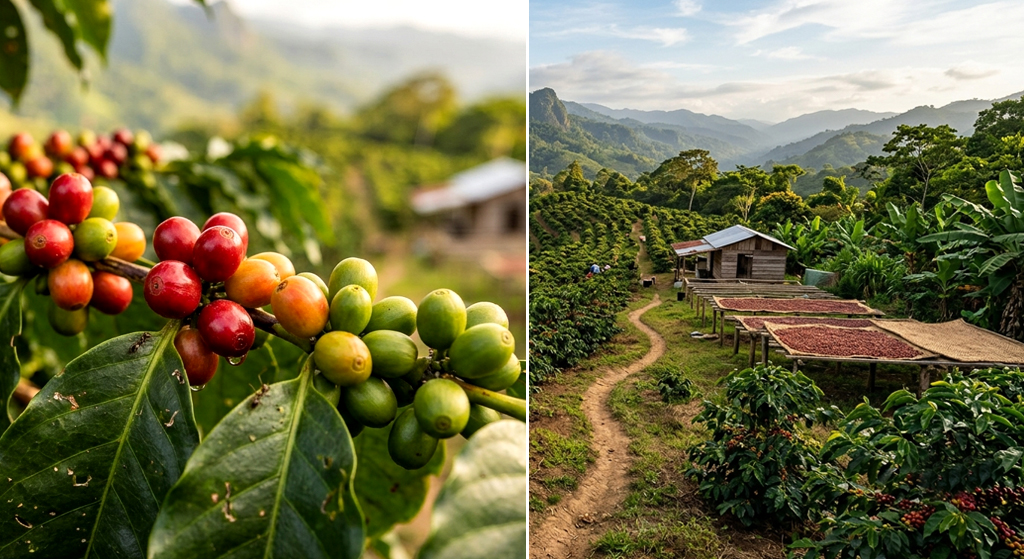
Local Coffee – As covered elsewhere in this guide, Belize’s small-scale coffee farms in Toledo and Cayo produce limited quantities worth seeking out specifically as a souvenir, since it’s not something most visitors expect to find.
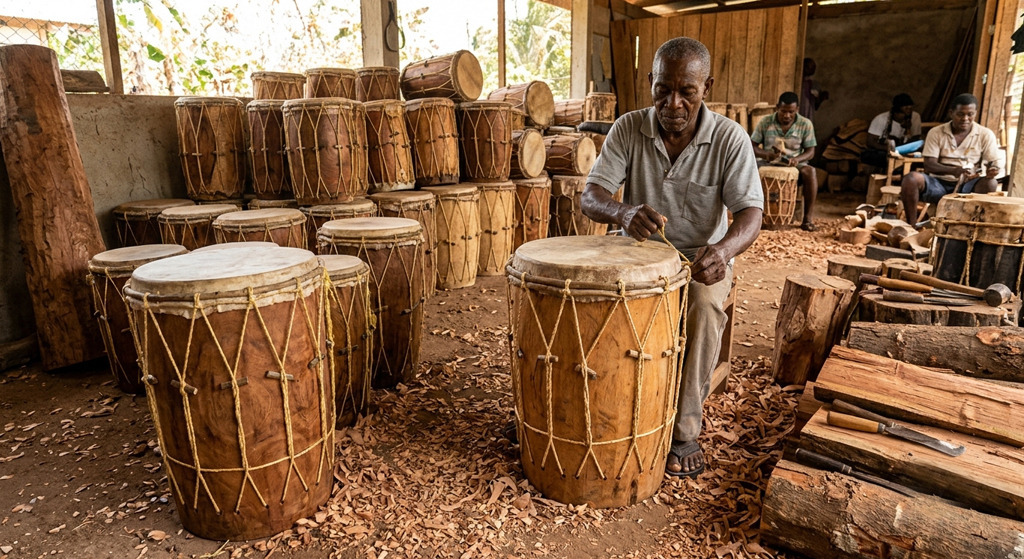
Garifuna Drums – Hand-carved and hand-tuned drums, made by Garifuna artisans primarily in the south (Hopkins, Dangriga, Punta Gorda), are both a beautiful object and a piece of living cultural heritage; drumming is central to Garifuna identity and spiritual practice. Buying directly from a known carver or a cooperative supports the craft directly.
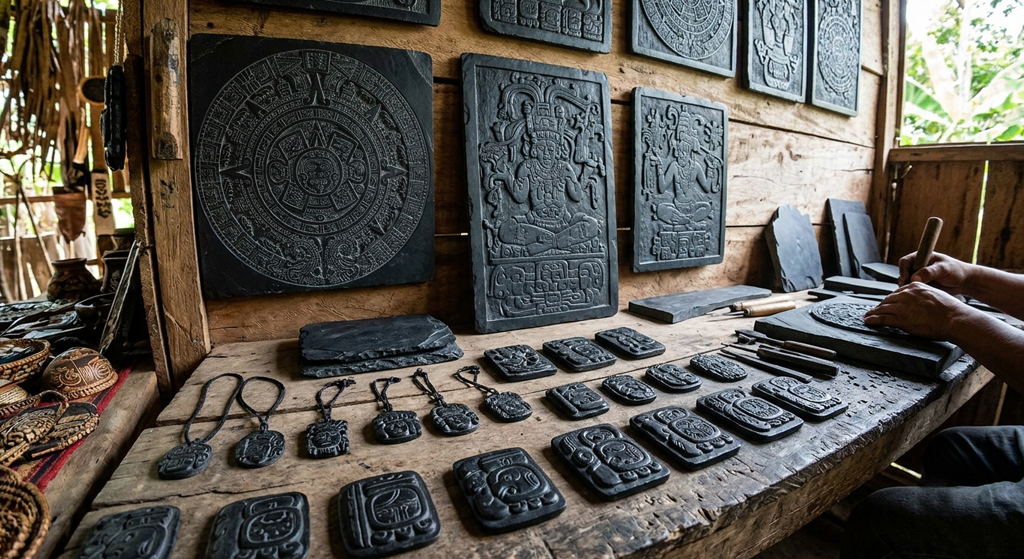
Maya Slate Carvings – Carved black slate artwork, often depicting Maya glyphs, calendar imagery or figures drawn from Maya mythology, is produced by artisans in the Cayo District and sold both at craft markets and near major ruin sites. Pieces range from small pendants to large wall art.
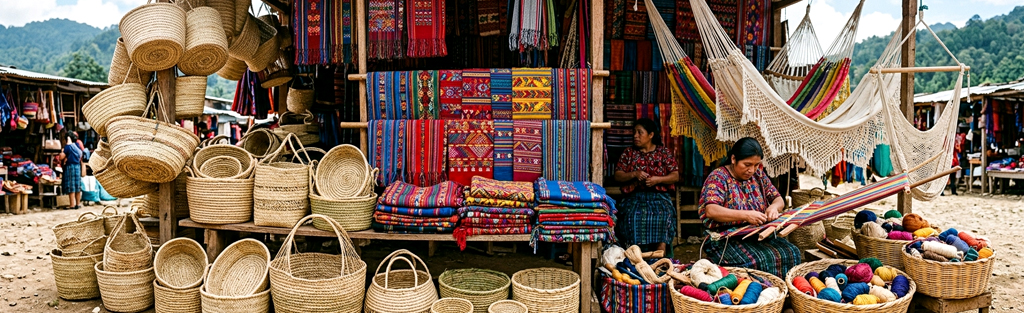
Woven Textiles and Baskets – Handwoven baskets, hammocks and textiles, often made by Maya or Mestizo artisans using palm fiber or cotton, are practical, packable and support traditional craft techniques passed down within families and cooperatives.
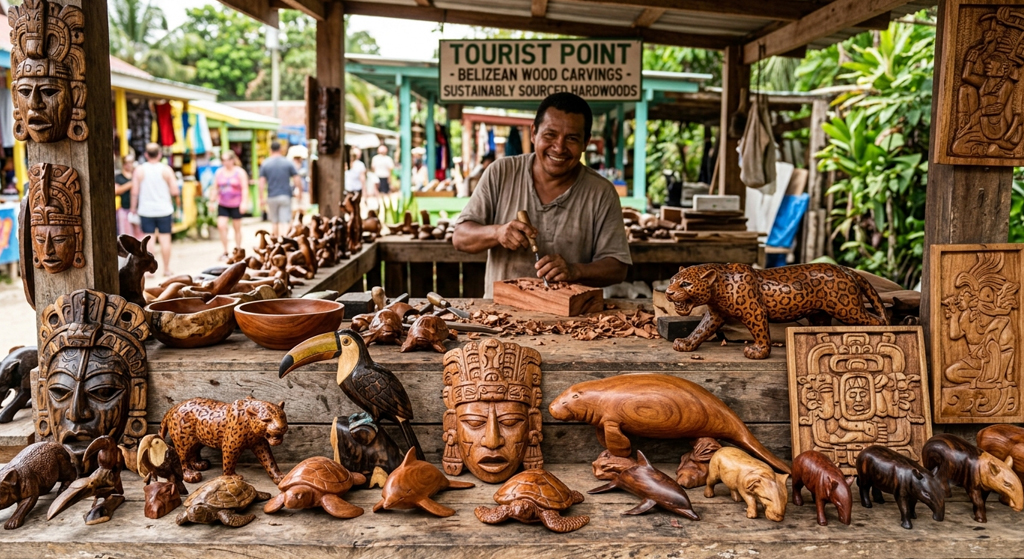
Wood Carvings – Carvings in local hardwoods like ziricote, mahogany and rosewood, ranging from small animal figures to larger decorative pieces, showcase Belize’s timber tradition; buy from a seller like Tourist Point who can speak to sustainable sourcing.
Simple, well-made cotton clothing featuring Belizean or Maya-inspired patterns, available at markets in San Pedro, San Ignacio and Belize City, makes an easy, wearable souvenir.
Wherever possible, buying from an artisan directly or through a recognized cooperative (such as groups supporting Maya or Garifuna craftspeople) puts more of your money directly into the hands of the people who made the item, rather than a middleman markup at a tourist-focused gift shop.
A few of the items above work especially well as a way to extend the trip past your return date: a hot sauce you’ll use weekly, a chocolate bar you’ll save for a specific occasion, or a drum that sits visibly in your home are all souvenirs that keep resurfacing the memory of the trip, which is arguably the actual point of bringing something back at all, more than a generic keychain or magnet would.
Set aside a specific souvenir budget before you go rather than deciding item by item in the moment, since it’s easy to underestimate how much a handful of small purchases adds up to across a trip. A simple split, a bottle of hot sauce and some chocolate for food gifts, one meaningful handicraft piece for yourself, and smaller items for anyone else on your list, tends to work better than trying to buy everything that looks appealing at every market stall.