Quick Links: About Us - Contact Us

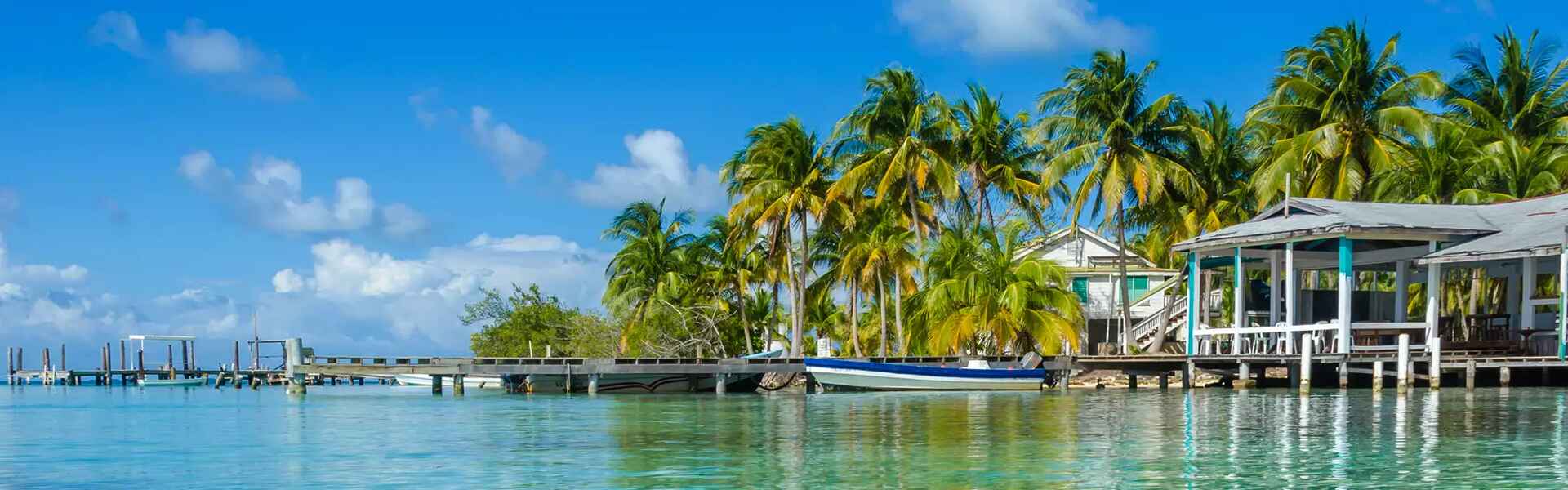


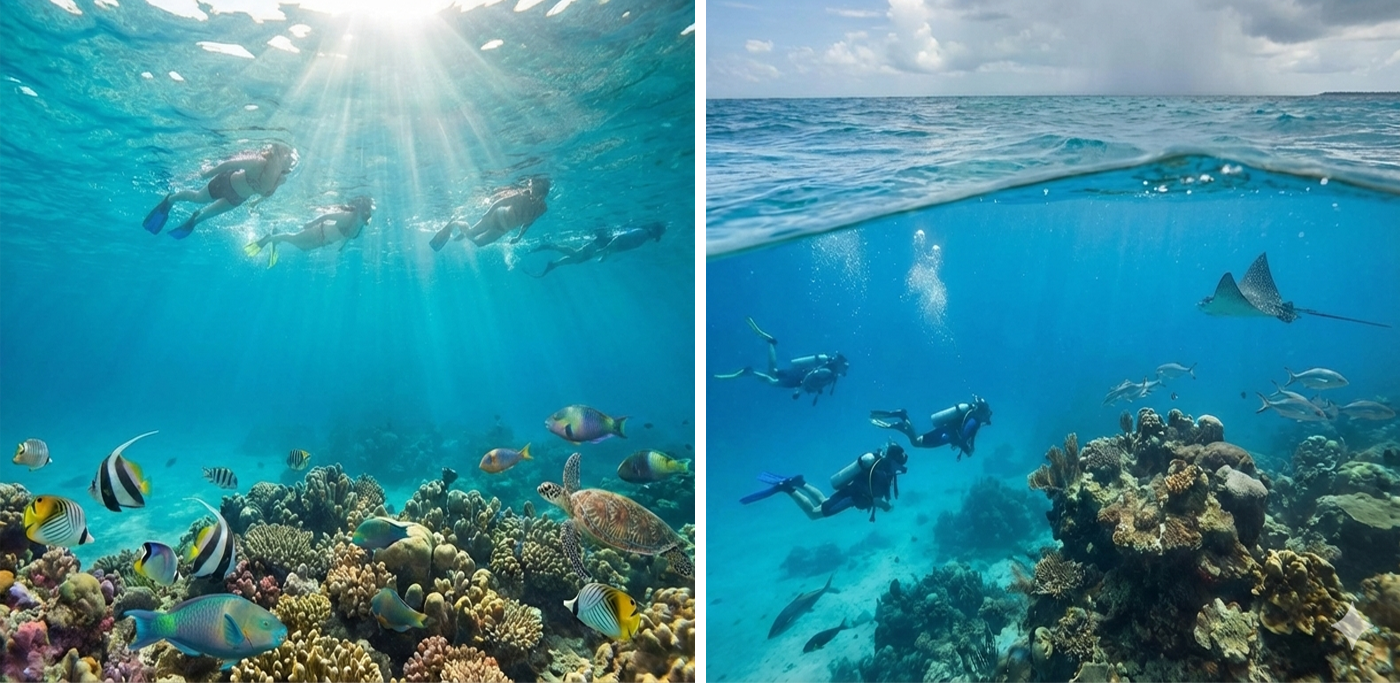
Belize is home to the second-largest barrier reef in the world, making it a dream destination for snorkelers and scuba divers year-round. But while the reef is always stunning, sea conditions, visibility, and marine life change noticeably depending on the season. If you’re planning a reef adventure and wondering whether February (dry season) or July (wet season) is better, this quick comparison will help you decide.
In this guide, we break down the Belize reef seasons comparison by looking at visibility, currents, wildlife encounters, and water temperature. We’ll also share quick tips for snorkelers and divers so you can choose the season that best matches your experience level and expectations.
Understanding Belize’s Reef Seasons
Belize has two main seasons that directly affect marine conditions:
Dry Season (December to May)
The dry season is marked by low rainfall, calmer seas, and steady weather patterns. Trade winds are lighter, which means smoother surface conditions and excellent underwater clarity. February sits right in the heart of this season and is often considered one of the most reliable months for reef activities.
Wet Season (June to November)
The wet season brings warmer water, occasional rain showers, and stronger currents. While rainfall can affect near-shore visibility, offshore reef sites often remain clear. July, despite being part of the wet season, is a popular month for divers due to increased marine activity and warmer sea temperatures.
Understanding these seasonal differences is key to choosing the right time for snorkeling or diving in Belize.
Reef Visibility: Dry Season vs Wet Season
Dry Season Visibility (February)
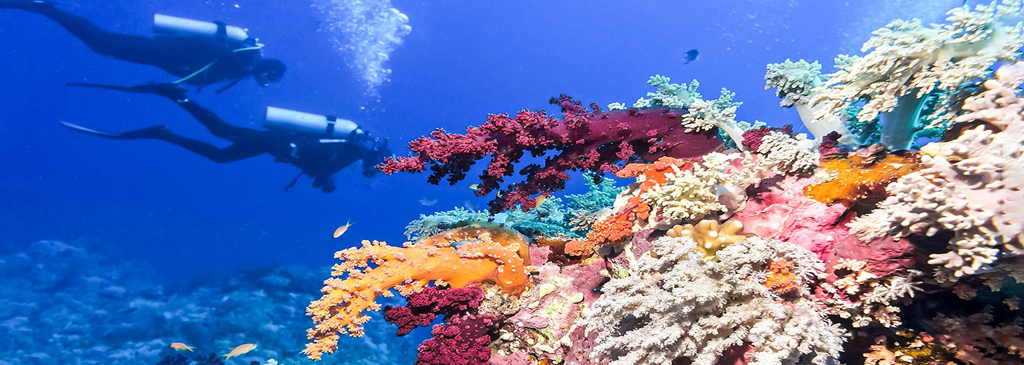
During the dry season, Belize enjoys some of its clearest reef conditions.
- Visibility often ranges from 80 to over 100 feet
- Minimal runoff from rivers keeps water crystal clear
- Ideal lighting conditions for underwater photography
- Excellent clarity at Hol Chan Marine Reserve, Ambergris Caye, and Turneffe Atoll
For anyone focused on coral details, reef fish, and photography, February offers near-perfect visibility.
Wet Season Visibility (July)
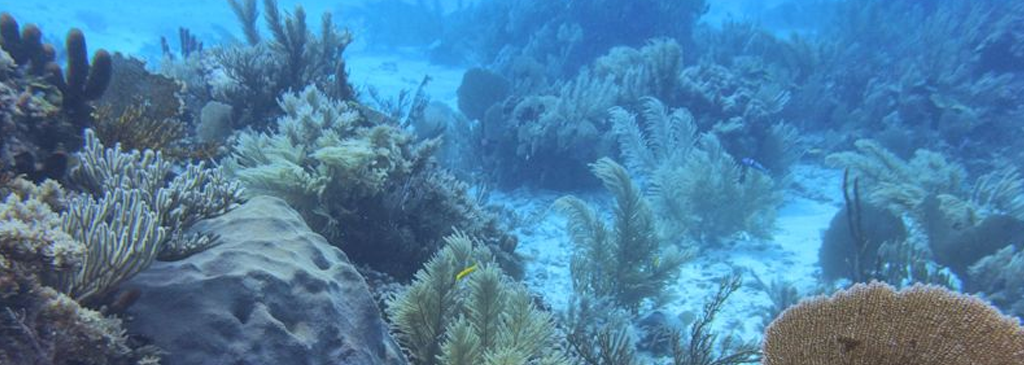
In July, visibility can vary depending on location.
- Near-shore reefs may experience slightly reduced clarity after rain
- Offshore sites still offer 60–90 feet of visibility
- Visibility often improves after several dry days
- Stronger currents help flush water around the reef
While not as consistently clear as February, July still delivers rewarding underwater views, especially for experienced divers.
Ocean Currents & Surface Conditions
Dry Season Currents
Dry season sea conditions are generally calmer and more predictable.
- Mild currents make navigation easy
- Smooth surface conditions for boat rides
- Excellent for beginners and casual snorkelers
- Less physical effort required during dives
These conditions are perfect for relaxed reef exploration and longer bottom times.
Wet Season Currents
The wet season introduces moderate to occasionally strong currents.
- Increased drift diving opportunities
- Slight surface chop on windy days
- Requires better buoyancy control
- More dynamic underwater movement
For certified divers who enjoy drift dives, July can be thrilling rather than challenging.
Marine Wildlife Encounters by Season
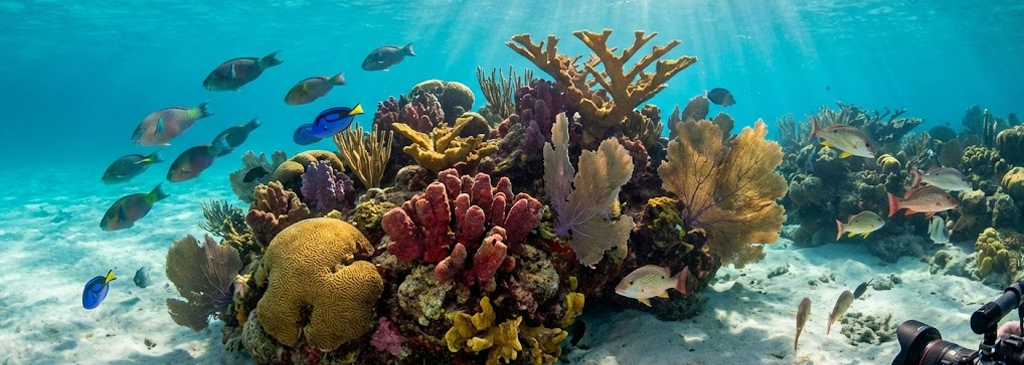
Dry Season Marine Life
The dry season offers consistent reef activity.
- Colorful reef fish like angelfish, parrotfish, and groupers
- Regular sightings of turtles and southern stingrays
- Healthy coral visibility due to clear water
- Ideal for macro photography and reef observation
While large pelagic sightings are less common, the reef ecosystem feels vibrant and stable.
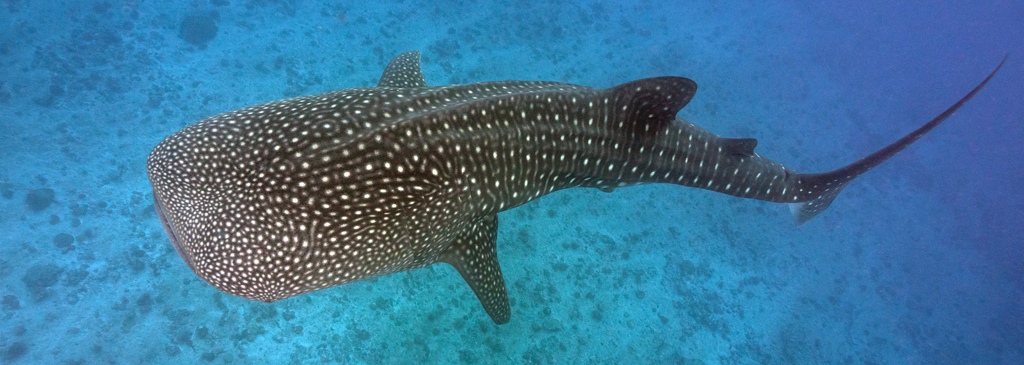
Wet Season Marine Life
Wet season conditions often bring bigger and more dramatic encounters.
- Increased plankton attracts larger species
- Higher chances of spotting eagle rays and sharks
- Whale shark season typically begins later in the wet season
- More active feeding behavior across species
For divers chasing unique wildlife moments, July offers exciting possibilities despite slightly variable conditions.
Water Temperature Differences
Water temperature is another key factor when comparing Belize marine February vs July conditions.
Dry Season Water Temperature
- Average: 26–27°C (78–81°F)
- Comfortable but slightly cooler
- Short wetsuit or rash guard recommended for longer dives
Wet Season Water Temperature
- Average: 28–29°C (82–84°F)
- Noticeably warmer water
- Ideal for extended dive sessions
- Minimal thermal protection required
Warmer water in July often means longer, more comfortable dives, especially for those sensitive to cooler temperatures.
Quick Comparison: Dry vs Wet Season Reef Conditions
|
Factor |
Dry Season (February) |
Wet Season (July) |
|
Visibility |
Excellent (80–100+ ft) |
Good to Very Good (60–90 ft) |
|
Currents |
Mild and predictable |
Moderate, ideal for drift dives |
|
Wildlife |
Reef fish, turtles, rays |
Larger species, active feeding |
|
Water Temperature |
Cooler, refreshing |
Warm and comfortable |
|
Best For |
Beginners & photographers |
Experienced divers & adventure seekers |
Quick Tips for Snorkelers
- Best season: Dry season (especially February) for calm seas
- Choose protected marine reserves for best conditions
- Morning snorkeling offers better visibility year-round
- Wear reef-safe sunscreen to protect coral
- Beginners should avoid high-current days during the wet season
Snorkelers looking for easy, stress-free reef access will feel most comfortable during the dry season.
Quick Tips for Scuba Divers
- Wet season currents are excellent for drift diving
- Offshore atolls maintain good visibility year-round
- Advanced divers will enjoy July’s dynamic conditions
- Bring a reef hook or SMB if diving during stronger currents
- Always check daily marine forecasts
Scuba divers with some experience often find July diving more exciting and rewarding.
Which Season Is Right for You?
There’s no single “best” season for Belize’s reef—it all depends on what kind of experience you want. If you prefer clear water, calm seas, and relaxed snorkeling, the dry season in February is hard to beat. If you’re drawn to warmer water, drift dives, and bigger marine encounters, July’s wet season conditions may be exactly what you’re looking for.
No matter when you visit, Belize’s reef delivers unforgettable underwater adventures. Choose your season wisely, plan around your comfort level, and the reef will do the rest.