Quick Links: About Us - Contact Us
For bookings, call us at
+501 677-2900
Quick Links: About Us - Contact Us

Quick Links: About Us - Contact Us


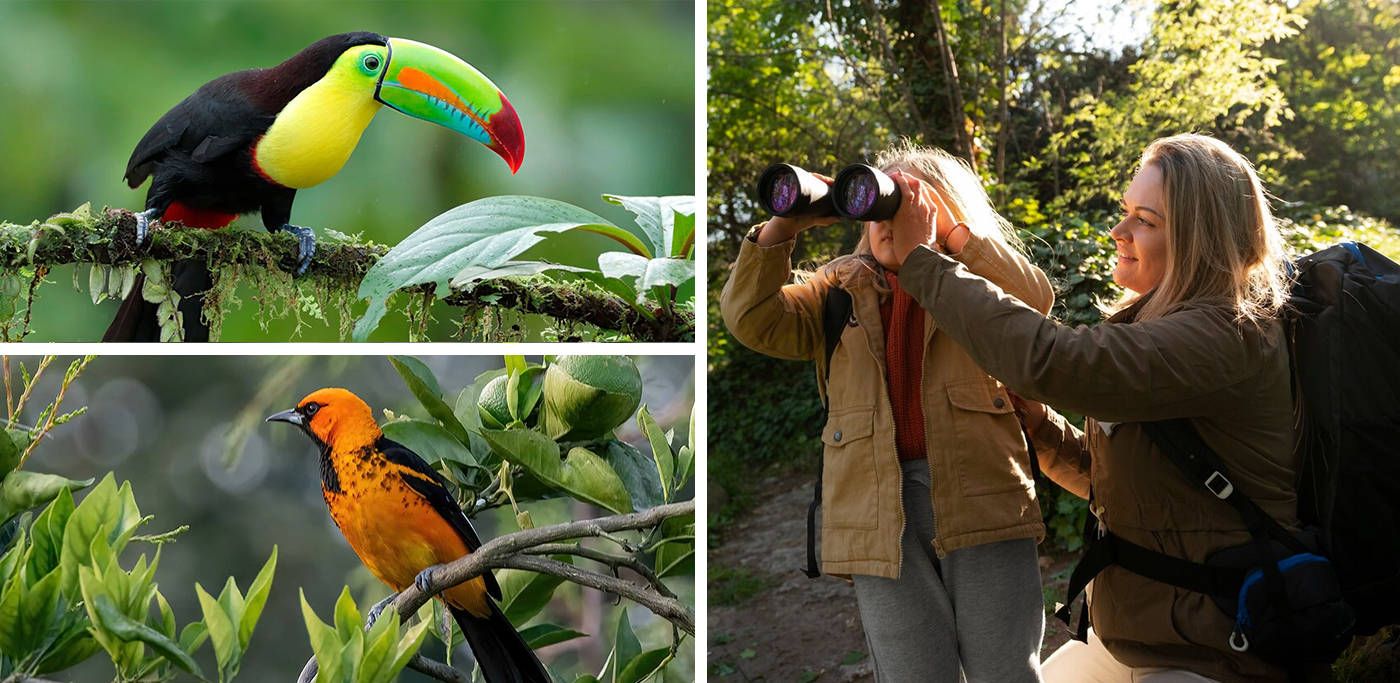
January is one of the most rewarding months for birdwatching in Belize. As the dry season settles in, forests thin out, wetlands concentrate wildlife around water sources, and migratory birds from North America arrive in large numbers. With over 600 recorded bird species packed into a small and easily navigable country, Belize offers birders a rare opportunity to see iconic tropical birds and winter migrants in a single trip.
Whether you are an experienced birder or a curious traveler bringing binoculars for the first time, January provides ideal conditions for spotting some of Belize’s most spectacular birds. From wetland sanctuaries to rainforest basins, this guide explores the best birding hotspots in Belize for a January vacation, the species you are most likely to see, and practical tips to make the most of your wildlife experience.
January falls in the heart of Belize’s dry season, bringing cooler temperatures, low humidity, and minimal rainfall. These conditions make long birding walks and early-morning outings far more comfortable than during the wetter months.
Another major advantage of Belize birdwatching in January is visibility. With fewer leaves on trees and less dense undergrowth, birds are easier to spot and photograph. Many species are also more active during this time, gathering near rivers, lagoons, and feeding areas.
January is also peak season for migratory birds escaping colder climates in North America. Warblers, flycatchers, and shorebirds join Belize’s resident species, creating a diverse and exciting mix across different habitats.
Belize’s location at the crossroads of Central and South America makes it a critical stopover and wintering ground for birds. During the dry season, food sources become concentrated, encouraging birds to forage in predictable locations—perfect for birdwatchers.
In January, you can expect:
From lowland savannas to dense jungle canopies, Belize’s variety of ecosystems ensures a rich birding experience in a relatively short timeframe.
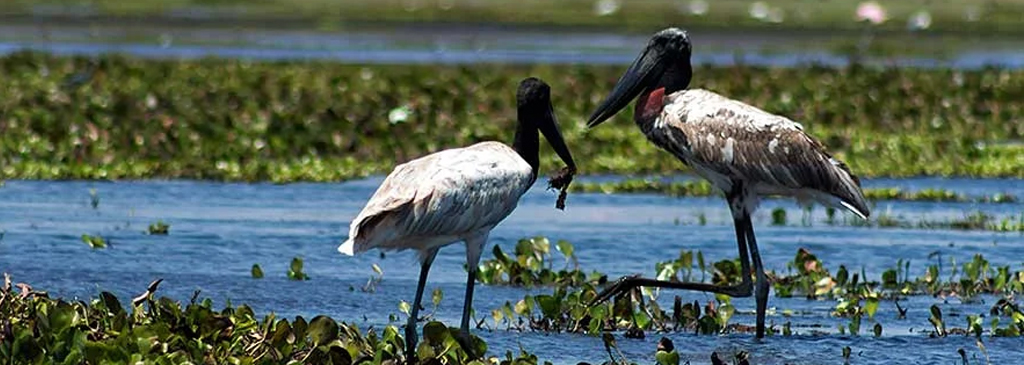
Located about an hour northwest of Belize City, Crooked Tree Wildlife Sanctuary is one of the most famous Belize bird hotspots, especially during the dry season. This protected wetland system consists of lagoons, marshes, and freshwater ponds that attract large numbers of birds when water levels drop in January.
Birds commonly seen here include
January is prime time to visit Crooked Tree because birds concentrate around shrinking lagoons, making sightings frequent and dramatic. Boat tours provide excellent access to feeding and nesting areas, offering close-up views without disturbing the wildlife.
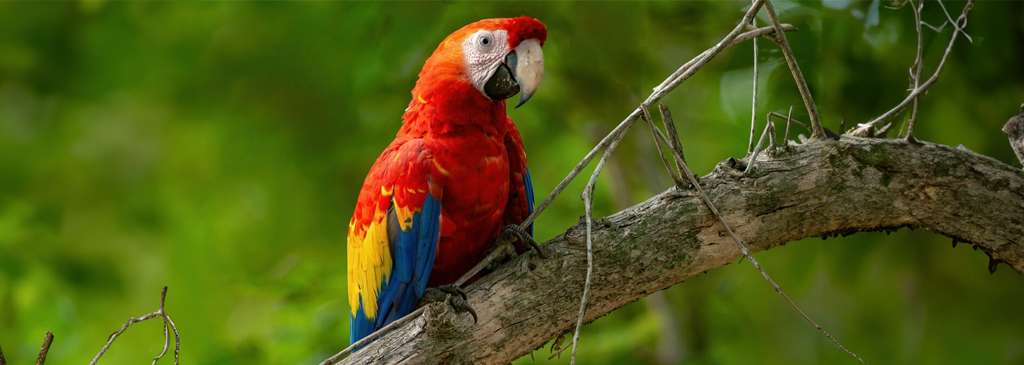
In southern Belize, the Cockscomb Basin Wildlife Sanctuary is best known for jaguars, but it is equally impressive for birdwatching. The sanctuary protects large tracts of tropical rainforest and foothills, creating ideal habitat for forest-dwelling birds.
January’s cooler temperatures make hiking trails more comfortable, and birds are more active during daylight hours.
Key species to look for include:
Scarlet macaws are especially active in the early mornings, often flying in pairs or small groups. Their vibrant red, blue, and yellow plumage makes them one of the most memorable birds to see in Belize.
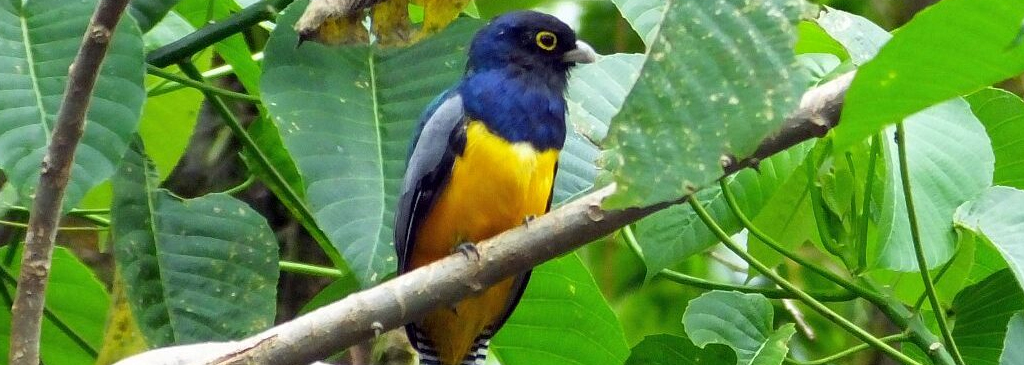
Stretching from Belize City toward San Ignacio, the Belize River Valley offers a mix of riverbanks, forest edges, open fields, and savannas. This diversity makes it an excellent birding area for travelers who want variety without traveling far.
Birds frequently spotted here include:
January is ideal for this region because birds are easier to see along river edges and forest clearings. Many lodges and nature reserves in the area cater specifically to birdwatchers.
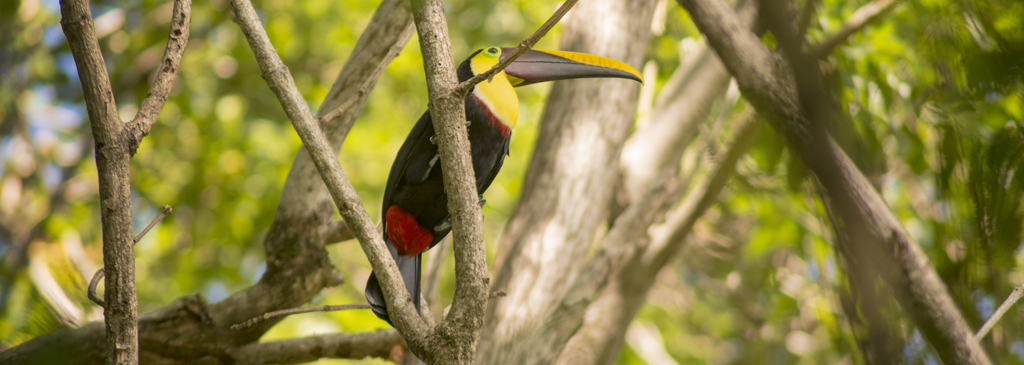
Located in the Corozal District near the Mexican border, Shipstern Nature Reserve is less crowded than other birding sites, making it perfect for travelers seeking a quieter experience.
The reserve protects forest, wetlands, and freshwater habitats that attract both resident and migratory species.
Bird highlights include:
January offers excellent conditions here, with cooler weather and clear trails enhancing visibility and comfort.
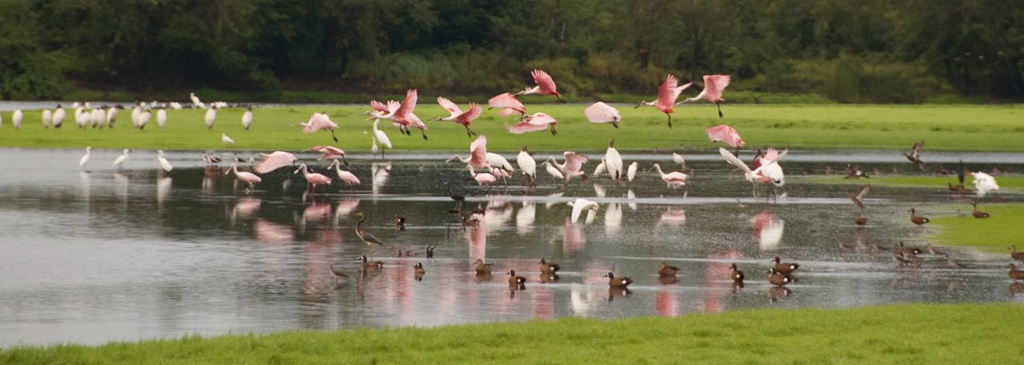
For a different birding experience, the Placencia Lagoon and surrounding coastal wetlands showcase Belize’s marine and mangrove ecosystems. These areas are particularly active during the dry season.
Birds to watch for include:
January’s calm weather makes lagoon boat tours especially enjoyable and productive for birdwatching.
Iconic Belize Birds
Wetland and Water Birds
Migratory Species
The combination of resident and migratory birds makes January one of the richest months for species diversity.
Binocular and Gear Advice – A good pair of binoculars is essential. An 8×42 or 10×42 model offers a balance between magnification and brightness, especially useful in forested areas. A lightweight camera with a zoom lens is ideal for capturing distant birds without disturbing them.
Best Time of Day – Early mornings (around 5:30 to 9:00 AM) are the most productive, with late afternoons also offering good activity near water sources.
Clothing and Preparation – Wear neutral-colored clothing, breathable long sleeves, and comfortable walking shoes. Even in January, insect repellent and sun protection are recommended.
Local birding guides can dramatically enhance your experience. They recognize bird calls, know seasonal movement patterns, and can spot species that visitors often miss. Guides also ensure ethical birdwatching practices and help support local conservation efforts.
Many top birding areas, including Crooked Tree and Cockscomb Basin, have experienced guides available for half-day or full-day excursions.
Eco-lodges near Crooked Tree, jungle lodges close to Cockscomb Basin, and small guesthouses in the Belize River Valley cater specifically to birdwatchers. These accommodations often offer early breakfasts, guided tours, and bird-friendly grounds where sightings begin right outside your room.
From the wetlands of Crooked Tree to the rainforests of Cockscomb, Belize offers exceptional birdwatching opportunities in January. The dry season’s favorable weather, high bird activity, and presence of migratory species make it one of the best times to explore the country’s natural beauty.
Whether you are ticking species off a life list or simply enjoying the sounds and colors of tropical birds, a January birding vacation in Belize promises unforgettable wildlife encounters in one of Central America’s most rewarding destinations.