Quick Links: About Us - Contact Us
For bookings, call us at
+501 677-2900
Quick Links: About Us - Contact Us

Quick Links: About Us - Contact Us

Belize is small in size but enormous in culture. Few countries pack as much cultural diversity into their daily life as Belize does, and that richness is felt in the languages people speak, the music that fills the streets, the food prepared in home kitchens, and the festivals celebrated in every corner of the country. Belize’s multicultural heritage comes from a blend of Maya, Garifuna, Mestizo, Creole, East Indian, Mennonite, Chinese, Lebanese, and other communities that have shaped the nation over centuries.
Rather than setting aside culture for designated holidays, Belizeans celebrate their identity every day. From lively parades to handmade crafts, from traditional meals to ancient rituals, the country showcases heritage in a way that stays genuine, community-driven, and deeply rooted. As one cultural educator in Toledo once shared, “Belize’s strength lies not in a single tradition but in the harmony of many.”
This feature explores how Belize honors that heritage throughout the entire year—and why this vibrant mix of cultures continues to inspire both locals and visitors.
Belize’s multicultural identity begins with its people. Each community contributes unique traditions, languages, and stories.
Maya Peoples: The Maya—Yucatec, Mopan, and Q’eqchi’—represent some of Belize’s earliest inhabitants. Their influence is preserved in ceremonial practices, ancient sites, cacao cultivation, herbal knowledge, and everyday customs that continue in southern and western Belize.
Garifuna: Arriving on the shores of southern Belize in the 1800s, the Garifuna community is known for its drumming, punta dance, vibrant dress, and cassava-based culinary traditions. Their music was recognized by UNESCO for its cultural significance.
Mestizo: With roots in Spanish and Maya ancestry, Mestizo communities are found throughout northern Belize. Their culture thrives through fiestas, traditional dances, Spanish language, and beloved foods like garnaches, escabeche, and tamales.
Creole: Creole culture reflects African and European influences. Kriol is widely spoken across Belize, and Creole music, food, humor, and folk stories contribute to the strong national identity.
Other Cultures: East Indians maintain rituals, food traditions, and dances, while Mennonites play a major role in agriculture and craftsmanship. Belize also has communities with Chinese, Lebanese, and other global backgrounds that add to the multicultural tapestry.
The presence of English, Spanish, Garifuna, Kriol, Maya languages, and Plautdietsch (Mennonite German) illustrates one of the most linguistically diverse societies in Central America.
Food as a Cultural Connection
Belizean cuisine tells the story of its people. Each plate carries generations of history.
Maya dishes such as caldo, tamales steamed in plantain leaves, and traditional cacao beverages link back to ancient culinary practices.
Garifuna foods, including hudut (a coconut-based fish stew served with mashed plantains), cassava bread, and bundiga, are prepared using techniques passed down through families.
Mestizo specialties like garnaches, panades filled with fish or beans, and escabeche highlight Spanish and Maya influences.
Creole meals—rice and beans, stew chicken, boil up, and Johnny cakes—form part of the national food identity.
As Chef Marlene of Dangriga once said during a local cooking demo, “In Belize, every meal is a lesson in where we come from.”
Language and Storytelling
Language in Belize goes beyond simple communication—it carries identity. Belizeans often switch between English, Kriol, Spanish, or Garifuna depending on the setting.
Oral storytelling traditions keep cultural knowledge alive.
These traditions ensure that heritage is passed on naturally through everyday interactions.

While culture is always present, festivals offer moments of collective celebration. Every season brings a new event highlighting Belize’s multicultural identity.
Garifuna Settlement Day – November 19
One of the most meaningful cultural holidays in Belize, Garifuna Settlement Day commemorates the arrival of the Garifuna people. Towns like Dangriga, Hopkins, and Seine Bight host reenactments known as “Yurumein,” where boats arrive at the shore to symbolize the historic landing. The day includes drumming, dancing, cultural speeches, cassava cooking, and traditional dress. Visitors and Belizeans alike join the celebration.
Belize Independence Day – September 21
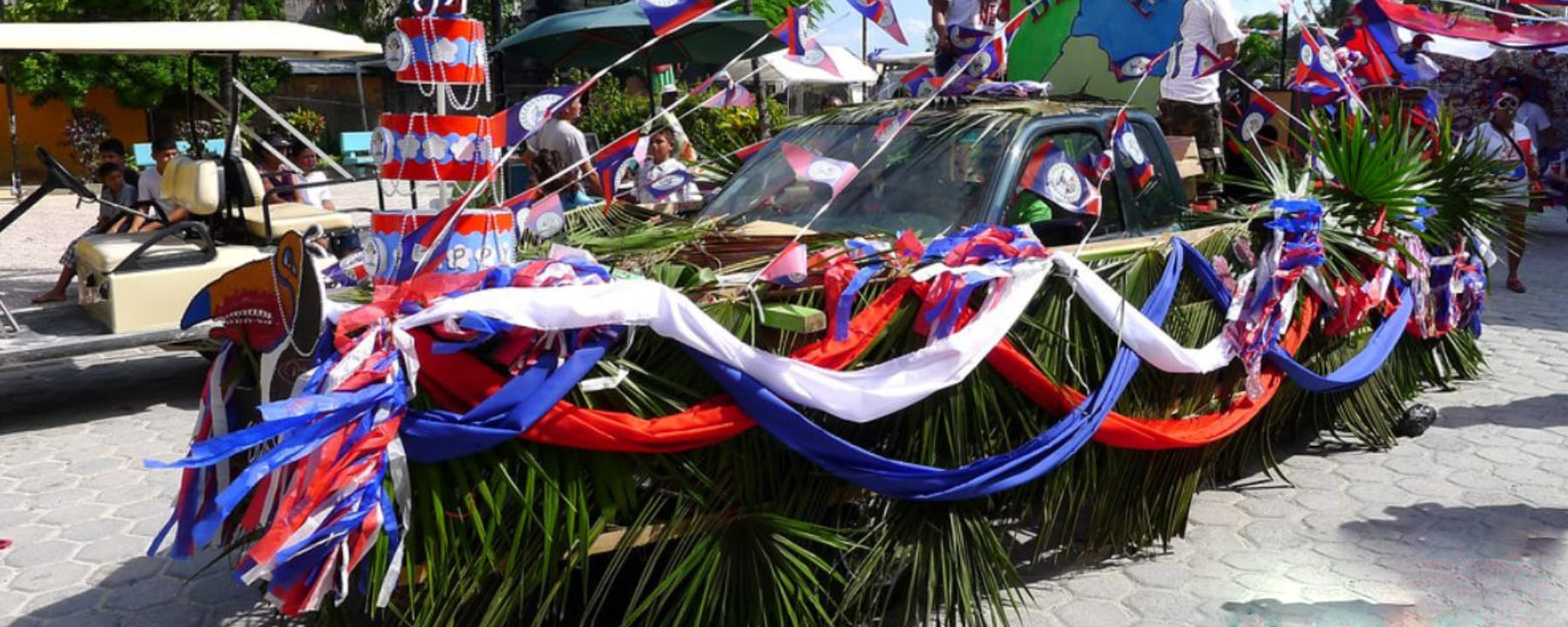
Independence Day parades reflect every culture in Belize. Flamboyant floats, marching bands, school groups, and community organizations proudly display elements of their heritage. Drumming groups perform Garifuna rhythms, colorfully dressed Mestizo dancers perform traditional steps, and Creole and Maya influences appear throughout the festivities.
Maya Day Festival – Toledo District
This annual event honors Maya traditions through artisanal crafts, music, local cacao drinks, natural dye demonstrations, and sporting events rooted in ancestral games. The festival highlights the resilience of Maya heritage and provides a platform for younger generations to learn.
Food & Culinary Festivals
Events like the Chocolate Festival of Belize, Taco Festival in Orange Walk, and the many Lobsterfests across the country celebrate regional cuisine. These festivals spotlight Belize’s multicultural food scene, attracting travelers from around the world.
Carnival – September
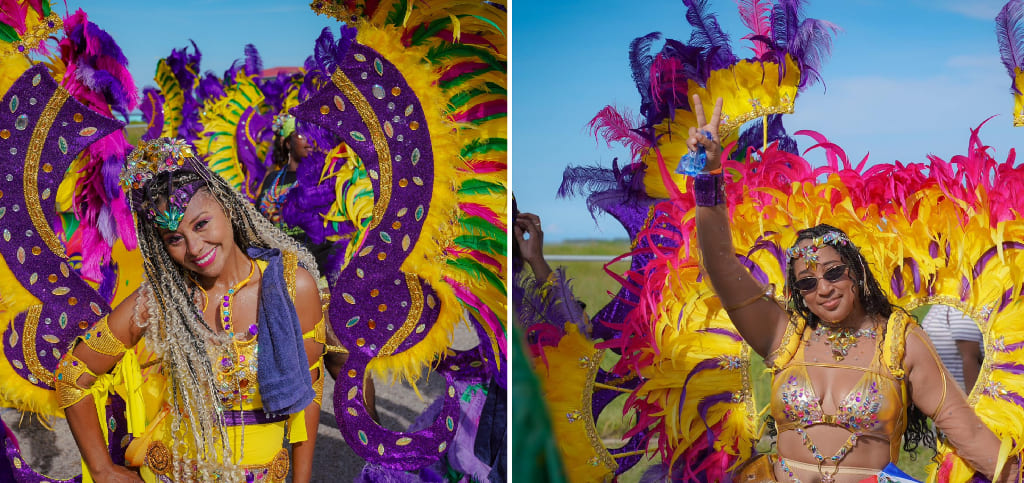
Carnival blends Creole, Mestizo, and Caribbean influences. Colorful costumes, energetic soca music, and choreographed dancing fill the streets of Belize City and other towns. The event serves as both competition and celebration, showcasing creativity and community pride.
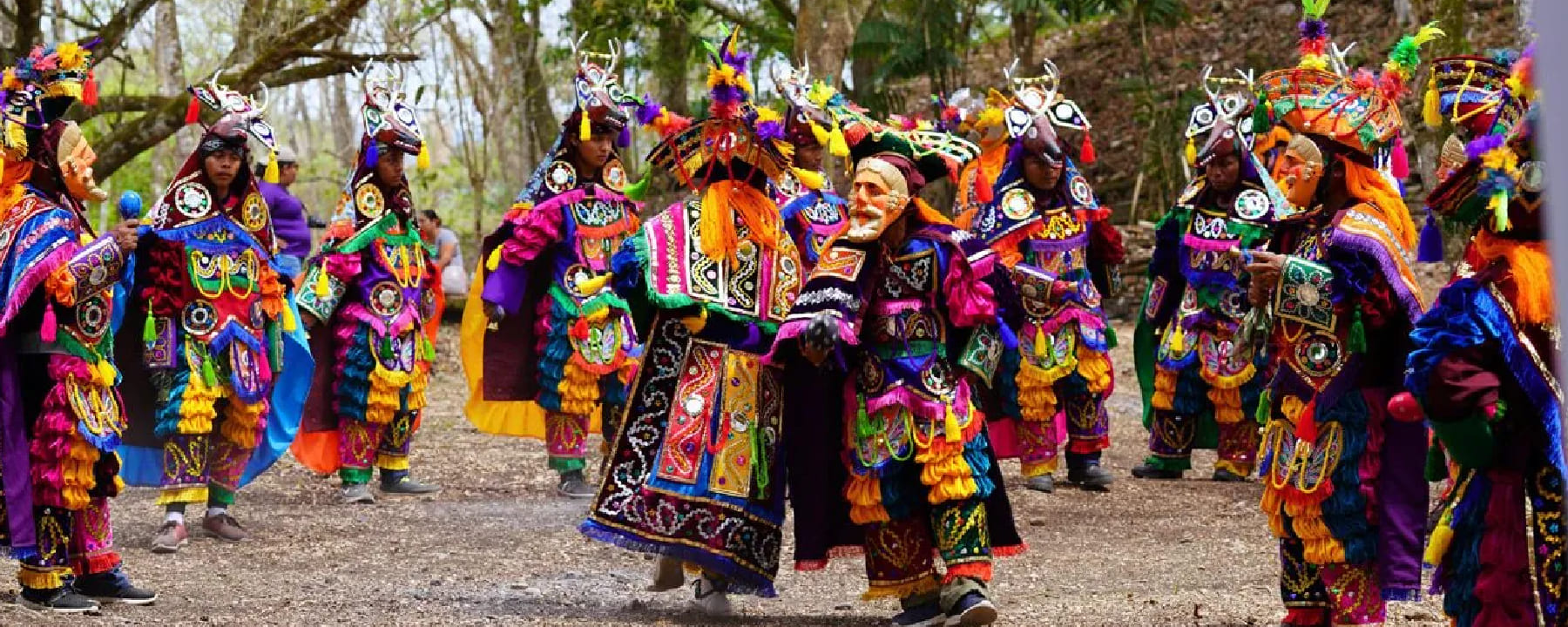
Belizean music is one of the most visible expressions of cultural heritage.
Garifuna Drumming and Punta
Garifuna rhythms such as punta and paranda remain some of the country’s most recognized musical styles. Drumming workshops in Hopkins and Dangriga allow visitors to learn these traditions directly from local artists.
Maya Musical Traditions
In Maya communities, the marimba and flute are central instruments. Traditional dances continue at festivals, religious events, and cultural demonstrations.
Creole Brukdown
Brukdown music, driven by accordion and banjo, originates from Creole traditions and often conveys social messages in a lively rhythm.
Modern Fusion
Today, Belizean musicians mix Garifuna, reggae, soca, marimba, and cumbia influences, creating fresh sounds while honoring ancestral roots.
Handmade art plays an essential role in Belizean traditions and economic livelihoods.
Maya Craftsmanship
From slate carvings in southern Belize to intricate basket weaving in Cayo, Maya artisans continue ancient practices using natural materials. Villages such as San Antonio offer pottery lessons where visitors can learn traditional techniques.
Garifuna Arts
Garifuna drum making is an art form of its own. Skilled craftsmen use cedar wood and natural materials to create instruments that produce the distinctive deep beats heard in Garifuna music. Cassava processing demonstrations also teach visitors about the cultural role of this staple crop.
Mestizo and Creole Creations
Artisans across Belize produce wood carvings, jippi jappa baskets, embroidered textiles, painted calabash bowls, and handcrafted dolls. These crafts reflect both Mestizo and Creole influences.
Immersive Workshops
Travelers can join cooking classes, drum-making sessions, chocolate-making tours, and traditional craft workshops—many organized by community groups. These activities help preserve heritage while supporting local artisans.
While culture thrives naturally, many organizations work hard to protect traditions.
Community-Led Efforts
Garifuna cultural centers, Maya community tourism initiatives, and Mestizo heritage groups organize events, teach language programs, and preserve local art.
Government & NGOs
Institutions such as the National Institute of Culture and History (NICH) help fund restorations, cultural documentation, and youth education programs. Partnerships with conservation groups also ensure that Maya archaeological sites remain protected.
Youth Participation
Young Belizeans are increasingly involved through school activities, cultural clubs, and music programs. Many teens learn drumming, participate in dance groups, or assist with craft workshops—ensuring heritage continues with the next generation.
Travelers have many opportunities to connect with Belizean culture throughout the year:
These experiences offer meaningful, respectful ways to learn about Belize’s multicultural identity.
Belize’s multicultural heritage isn’t a seasonal attraction—it’s a constant presence woven into daily life. From Garifuna drumming to Maya craftwork, from Mestizo cuisine to Creole festivities, every community contributes something special to the nation’s identity. Travelers who explore Belize with openness and curiosity discover a country united not by a single culture, but by its celebration of many. Belize’s people carry these traditions proudly into the future, sharing them with the world while keeping their roots strong.