Quick Links: About Us - Contact Us
For bookings, call us at
+501 677-2900
Quick Links: About Us - Contact Us

Quick Links: About Us - Contact Us


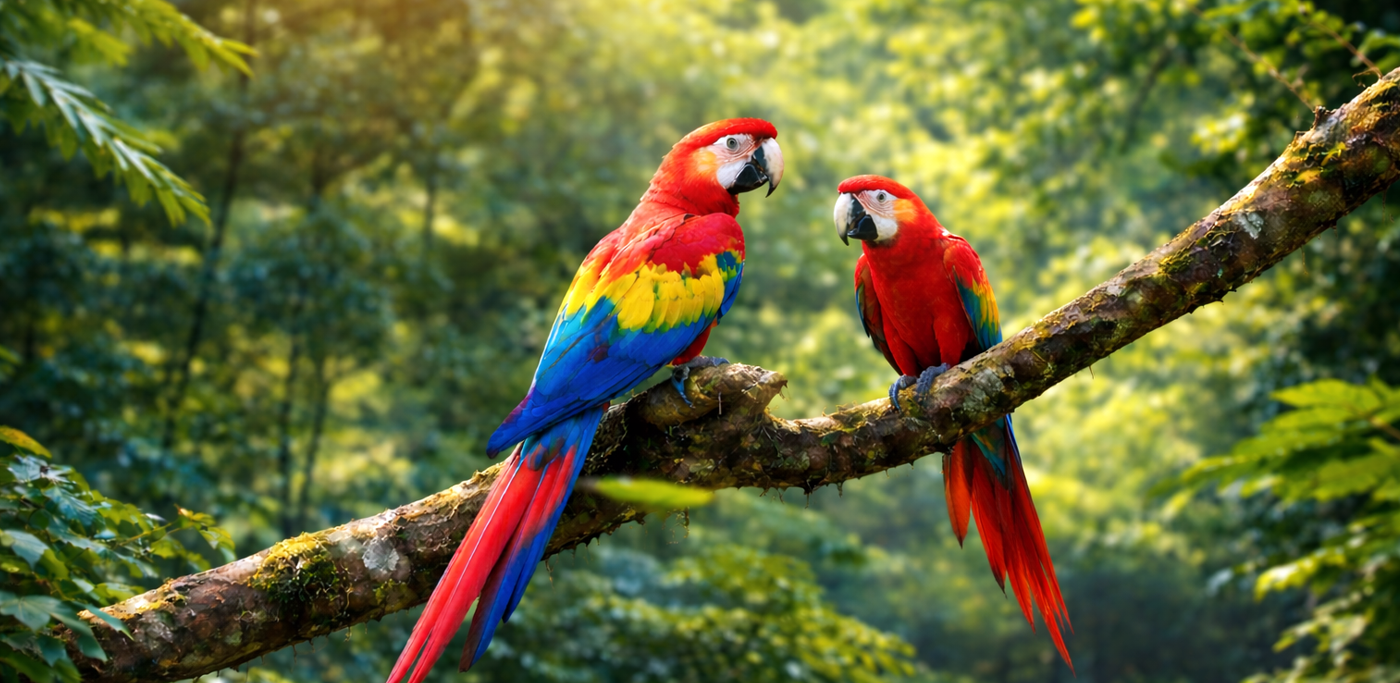
Few wildlife experiences in Central America rival the thrill of seeing a Scarlet Macaw in the wild. With its blazing red feathers, flashes of yellow and blue, and unmistakable call echoing through the rainforest, this iconic bird is one of Belize’s most treasured wildlife species.
February is one of the best months to see Scarlet Macaws in Belize, thanks to dry-season conditions and increased bird activity. Whether you’re an experienced birder or a curious traveler, this guide will show you where to go, when to look, what else you’ll see, and how to book the right experience.
If birdwatching is on your Belize itinerary, February offers near-perfect conditions to make your Scarlet Macaw encounter unforgettable.
February falls squarely within Belize’s dry season, making it one of the most rewarding months for wildlife viewing. Trails are easier to navigate, skies are clearer, and birds are more active throughout the day.
For Scarlet Macaws specifically, February is ideal because:
For travelers searching Belize scarlet macaw, this period consistently delivers reliable sightings, especially in southern Belize’s protected forest corridors.
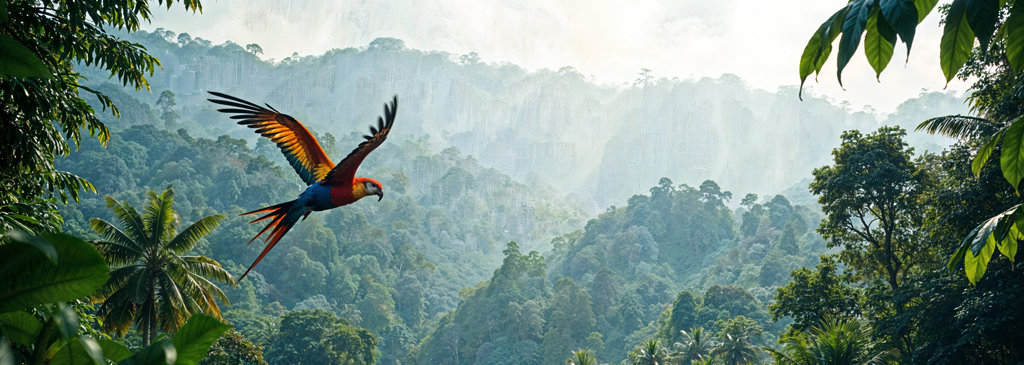
Cockscomb Basin is Belize’s most famous wildlife sanctuary and one of the most reliable places to see Scarlet Macaws in February. Located in southern Belize, the reserve protects vast rainforest areas that serve as feeding and flight paths for macaws.
Why Cockscomb is ideal in February:
Best viewing time: 6:30–9:30 AM and 3:30–5:30 PM
Besides macaws, birdwatchers often spot toucans, motmots, parrots, and raptors here. While Cockscomb is also known for jaguar conservation, birds are the real stars during February.
The area around Red Bank Village, just outside Cockscomb, has become legendary among birders. Scarlet Macaws frequently fly overhead or feed near forest edges, especially in the early morning.
Why Red Bank is special:
Local guides here know the exact times and flight paths, making this one of the best low-effort, high-reward birdwatching spots in Belize.
For travelers seeking a more remote experience, areas near the Bladen Nature Reserve offer occasional Scarlet Macaw sightings. Access usually requires a guide and longer travel times, but rewards include pristine rainforest and minimal crowds.
This area is best suited for:
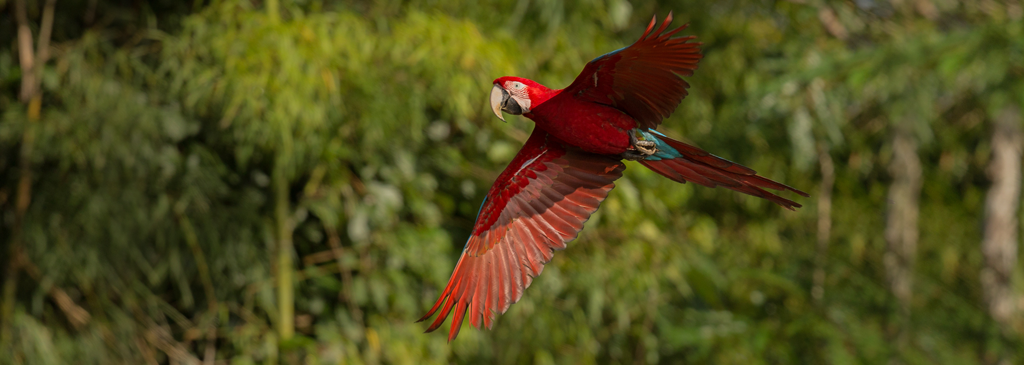
Timing is everything when birdwatching in Belize—especially in February.
Best daily windows:
Macaws are most active during these cooler periods, often flying between feeding and roosting areas. Watch treetops, ridgelines, and open forest gaps for colorful flyovers.
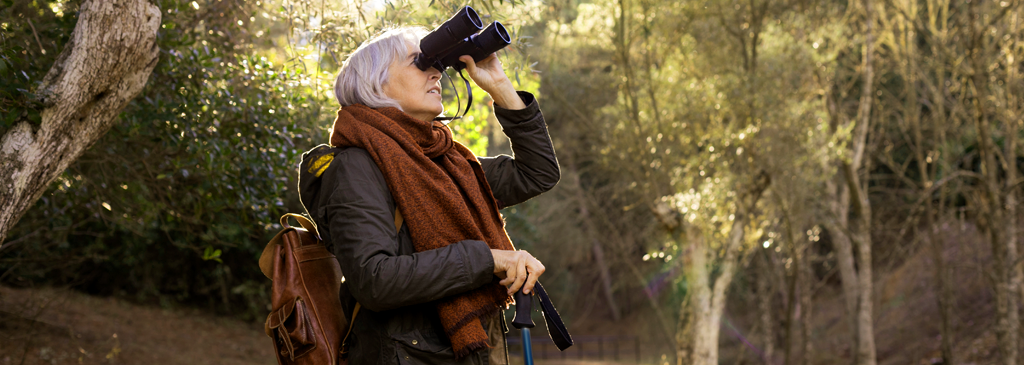
To make the most of your Belize bird season Feb experience, pack wisely:
A small backpack and insect repellent are also helpful, especially on longer forest walks.
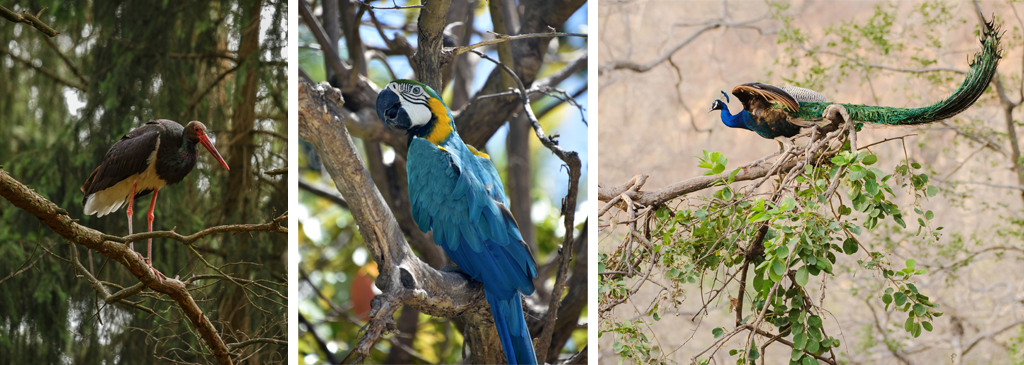
Scarlet Macaws may be the highlight, but February birdwatching in Belize comes with bonus sightings.
Bird species commonly seen:
Other wildlife encounters may include:
February is an excellent month for travelers interested in both birdwatching and general wildlife viewing.
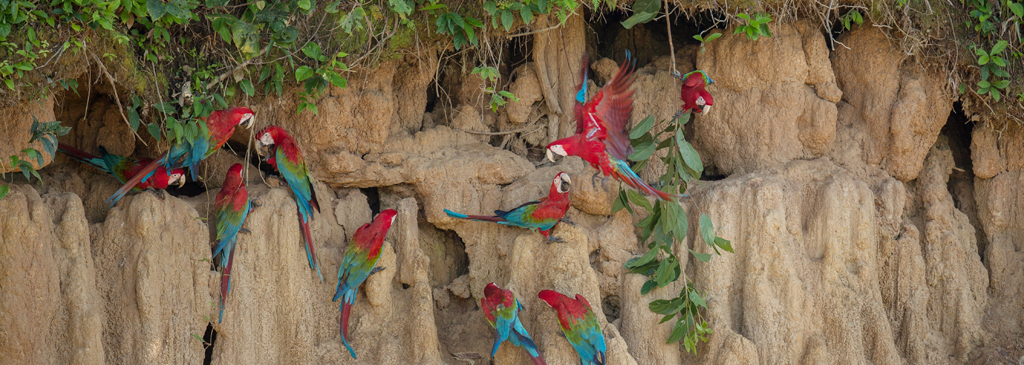
While independent birding is possible, hiring a local guide significantly improves your chances of seeing Scarlet Macaws.
Birdwatching guides are commonly based in:
Booking tips for February:
February is peak bird season, and availability fills quickly.
Scarlet Macaws are protected in Belize, and ethical wildlife viewing helps ensure their survival.
Responsible birding practices:
By choosing responsible tours and respecting wildlife, visitors contribute directly to Belize’s conservation efforts.
Seeing a Scarlet Macaw in the wild is a bucket-list experience—and February is one of the best months to make it happen in Belize. With ideal weather, active bird behavior, and reliable viewing locations like Cockscomb and Red Bank, this is the perfect time to plan a birdwatching adventure.
Whether you’re traveling for photography, wildlife appreciation, or pure curiosity, Belize in February delivers unforgettable encounters with one of the most beautiful birds in the world.