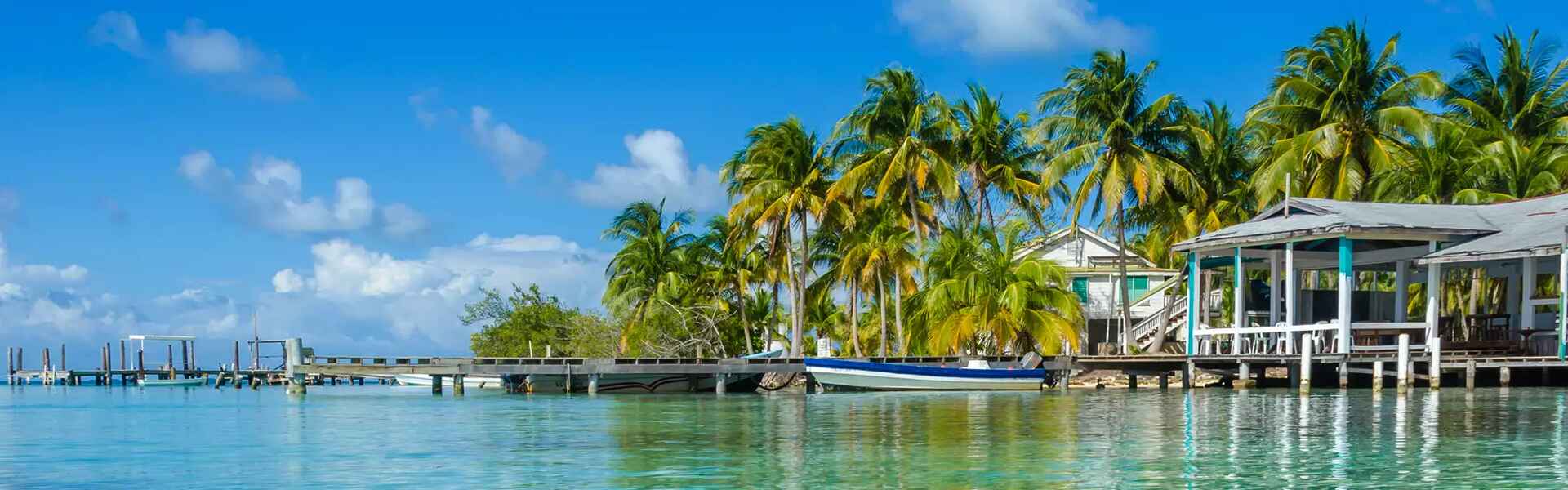
Few countries pack as much biodiversity into as small a footprint as Belize, and July’s mix of warm coastal waters and rain-fed jungle growth offers a genuinely varied wildlife-watching experience across three distinct environments: the reef, the rainforest, and the wetlands in between. Here’s a rundown of what to expect and where to look this month.
Marine Life Along the Reef
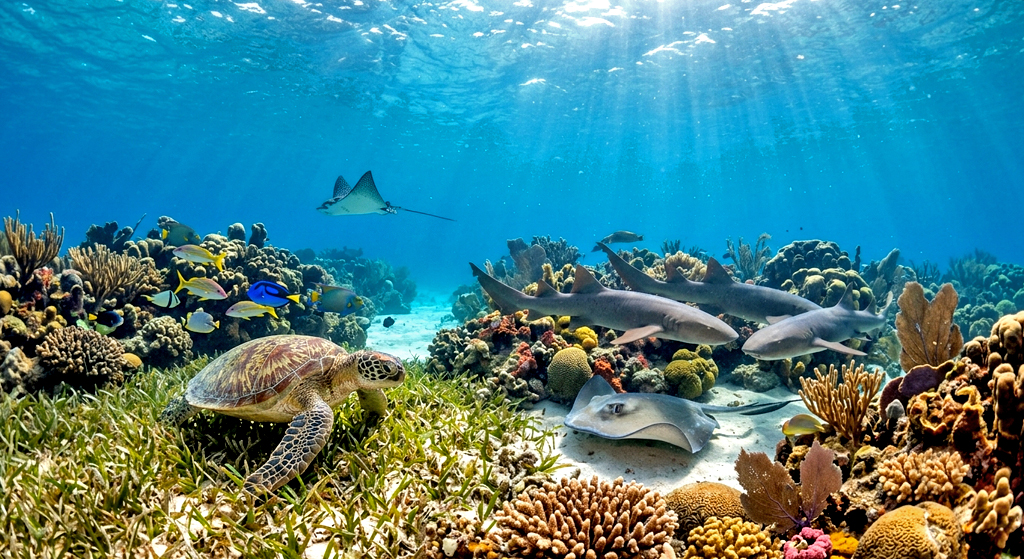
July’s warm water and typically strong visibility make it an excellent month for encountering the Belize Barrier Reef’s marine residents. Nurse sharks and southern stingrays remain reliably visible at Hol Chan Marine Reserve and Shark Ray Alley, while sea turtles graze on seagrass beds throughout the reef system. Eagle rays are a more occasional but memorable sighting in open channels, and the reef’s colorful reef fish population — parrotfish, angelfish, and butterflyfish among them — remains active and visible throughout the summer months.
Manatees in Coastal Lagoons
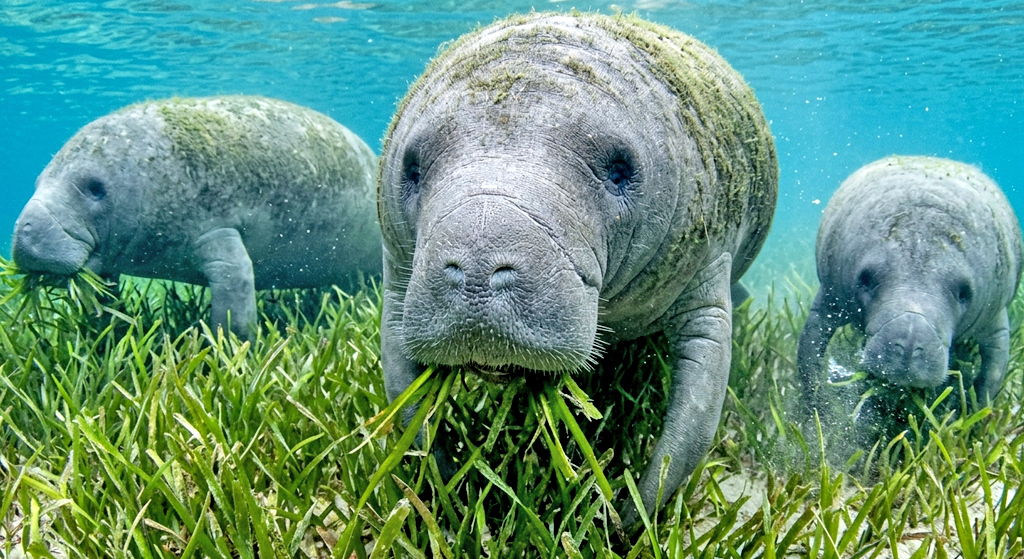
Southern Lagoon near Gales Point and the calm waters around Placencia offer some of the best chances to spot West Indian manatees, particularly on guided boat tours that know where these slow-moving mammals typically feed. July’s warm water temperatures suit manatee activity well, and patient, quiet observation from a boat typically yields the best results.
Rainforest Mammals
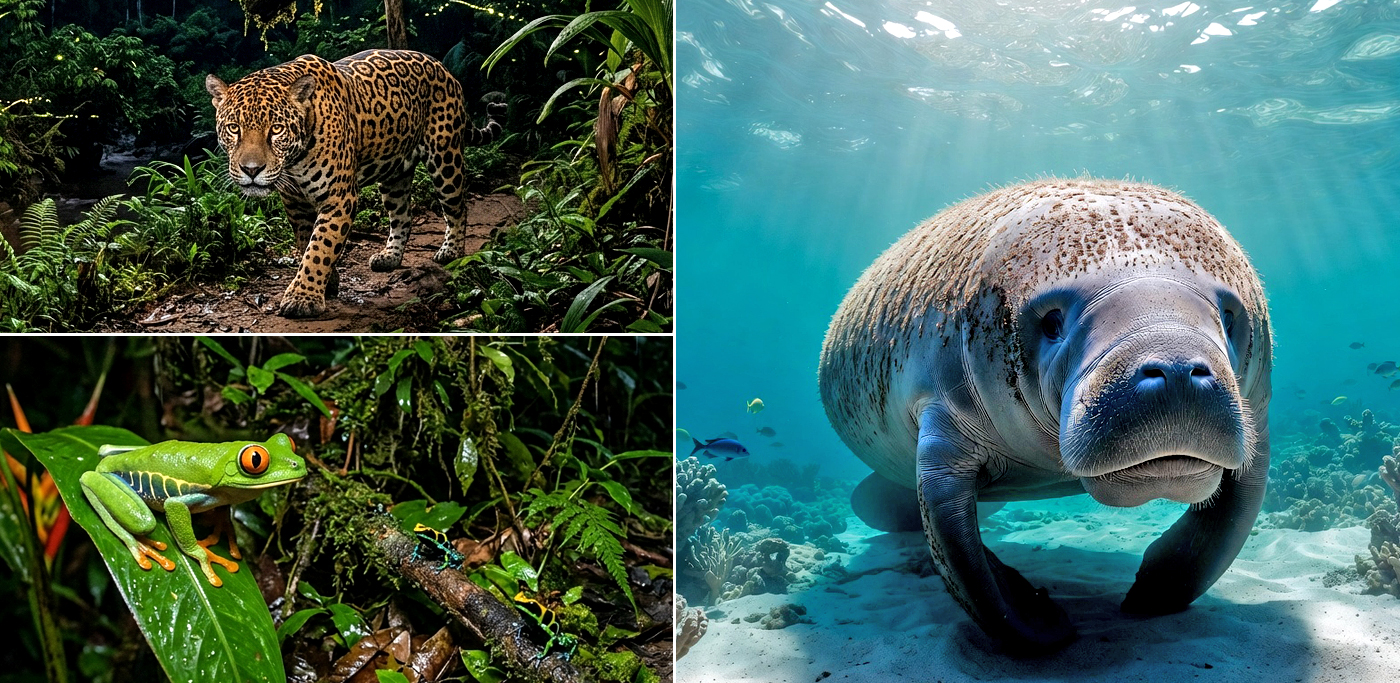
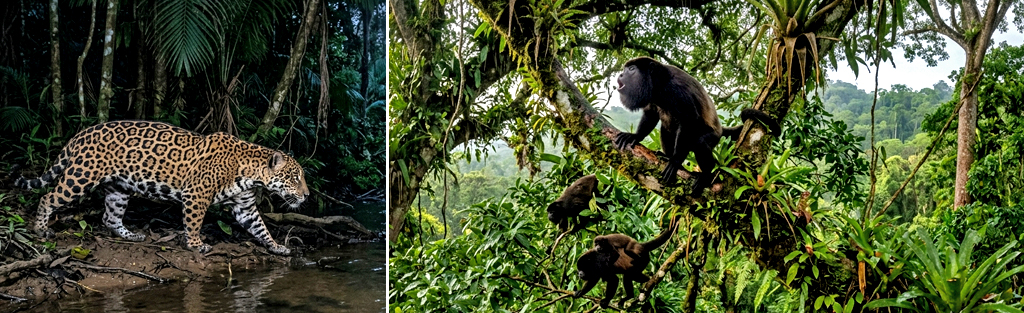
Belize’s inland forests support jaguars, ocelots, tapirs, and both howler and spider monkeys, though sightings of the more elusive cats remain rare even for experienced guides. Howler monkeys are considerably easier to spot and hear, particularly at Community Baboon Sanctuary and within Cockscomb Basin Wildlife Sanctuary, where their distinctive calls often announce their presence well before you see them in the canopy.
Birdlife Across Habitats
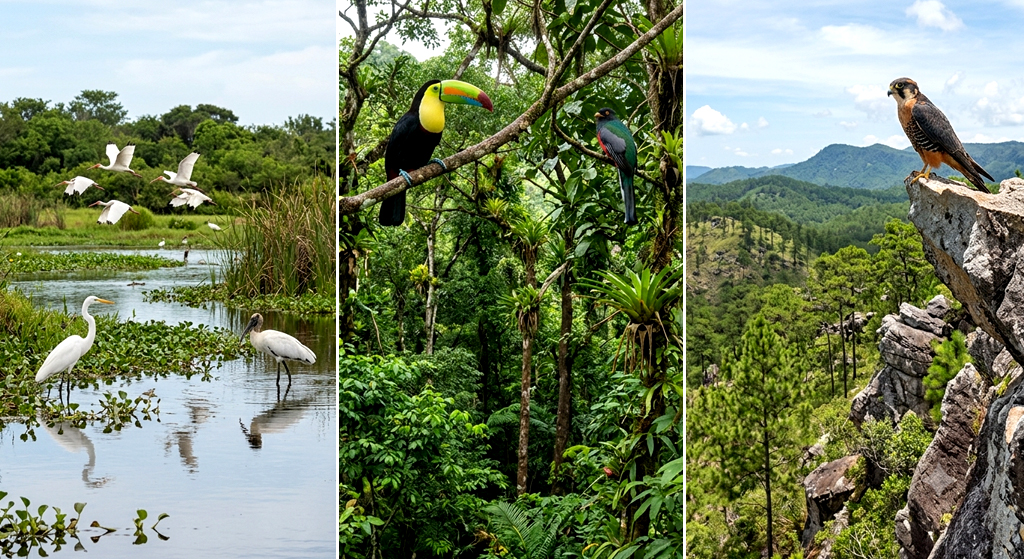
July supports a strong range of resident bird species across Belize’s varied habitats. Crooked Tree Wildlife Sanctuary remains a solid wetland birding destination even outside peak dry season concentration, while Cockscomb Basin and Mountain Pine Ridge each offer distinct forest bird communities, from toucans and trogons to the rare orange-breasted falcon found in Pine Ridge’s granite outcrop habitat.
Reptiles and Amphibians
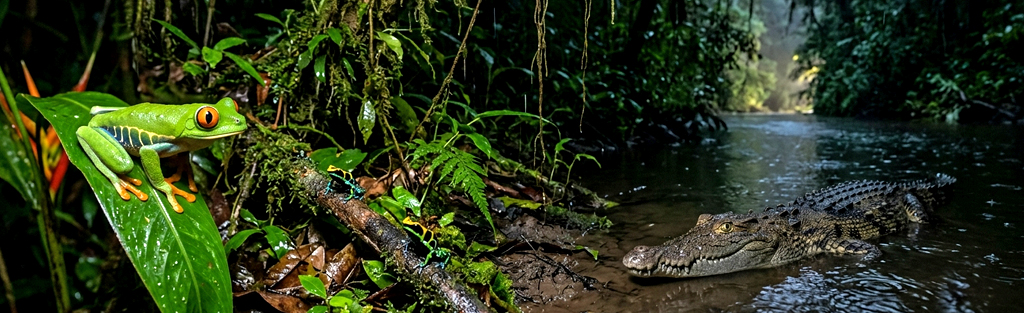
Green season rains increase amphibian activity noticeably, making July a good month to spot tree frogs and poison dart frogs, particularly during guided night walks at jungle lodges. Crocodiles are commonly seen in wetland areas like Crooked Tree and along certain river systems, typically observed from a safe distance during boat tours.
Ethical Wildlife Tourism Practices
Responsible wildlife viewing in Belize generally follows a few consistent principles across reputable tour operators:
Maintain distance from wildlife, particularly marine species like nurse sharks and rays, where guides typically enforce a few feet of separation to avoid stressing the animals.
Never feed wild animals. Feeding disrupts natural behavior and can create dependency or aggression toward tourists over time.
Choose licensed guides and operators who are trained in local regulations and who prioritize animal welfare over guaranteed close encounters.
Avoid supporting attractions that involve captive wildlife handling unless the facility is a genuine rescue and rehabilitation center, like the Belize Zoo, which only houses native, rescued animals.
Stay quiet and patient during wildlife encounters. Excessive noise or movement, particularly on boat tours or jungle walks, reduces the likelihood of natural animal behavior and sightings for the whole group.
Photography Tips for Wildlife Encounters
Bring a zoom lens with reach for both bird photography and any distant mammal sightings in dense forest habitat.
Use a fast shutter speed for marine life, since underwater subjects like rays and turtles often move unpredictably.
Shoot early morning or late afternoon for the best light and typically the highest wildlife activity levels.
Protect your gear with a rain cover or dry bag, especially important given July’s likelihood of sudden showers.
Be patient and prepared for a slower pace. Some of the best wildlife photography comes from waiting quietly at a productive spot rather than actively chasing sightings.
Best Reserves for a Multi-Habitat Wildlife Day
Travelers based in the Cayo District can combine a morning at Mountain Pine Ridge with an afternoon river float, covering both forest and water-based wildlife in a single day. Those based on the coast can pair a morning reef snorkeling trip with an afternoon manatee-watching boat tour near Placencia, offering a similarly varied wildlife experience without extensive travel between sites.
Final Thoughts
July offers a genuinely rich wildlife-watching window across Belize’s reef, rainforest, and wetland habitats, from stingray encounters at Shark Ray Alley to howler monkey sightings in Cockscomb Basin. With a mix of patience, a knowledgeable local guide, and a commitment to ethical viewing practices, a July wildlife-focused itinerary can reveal an impressive cross-section of the country’s biodiversity in a relatively short trip.