Quick Links: About Us - Contact Us
For bookings, call us at
+501 677-2900
Quick Links: About Us - Contact Us

Quick Links: About Us - Contact Us
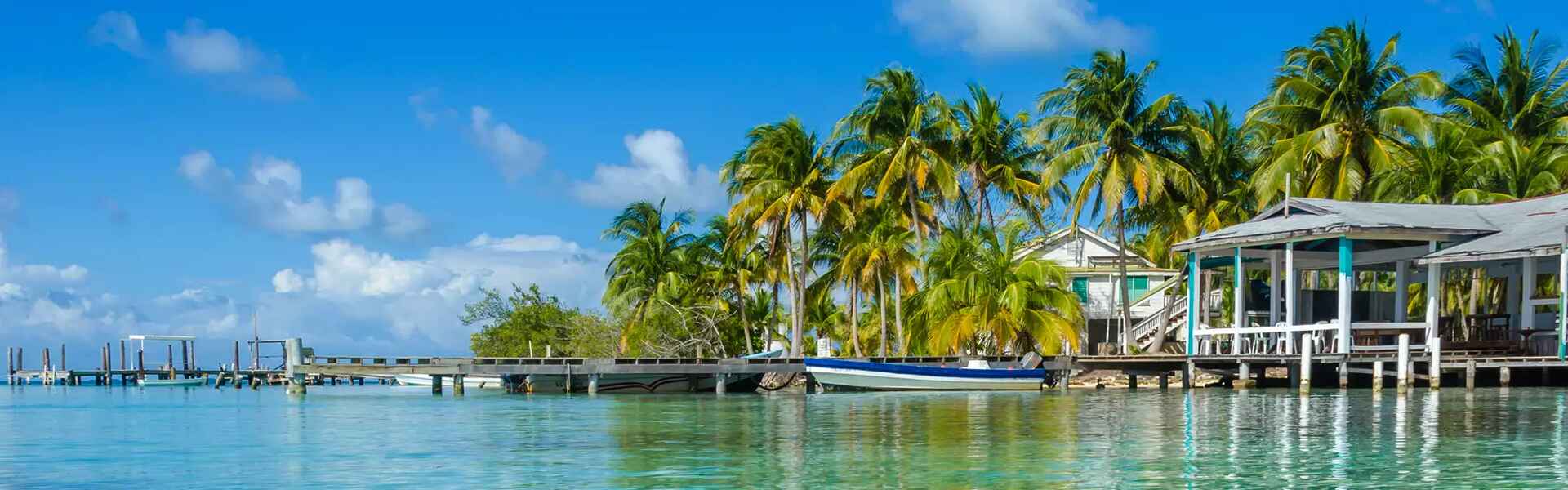

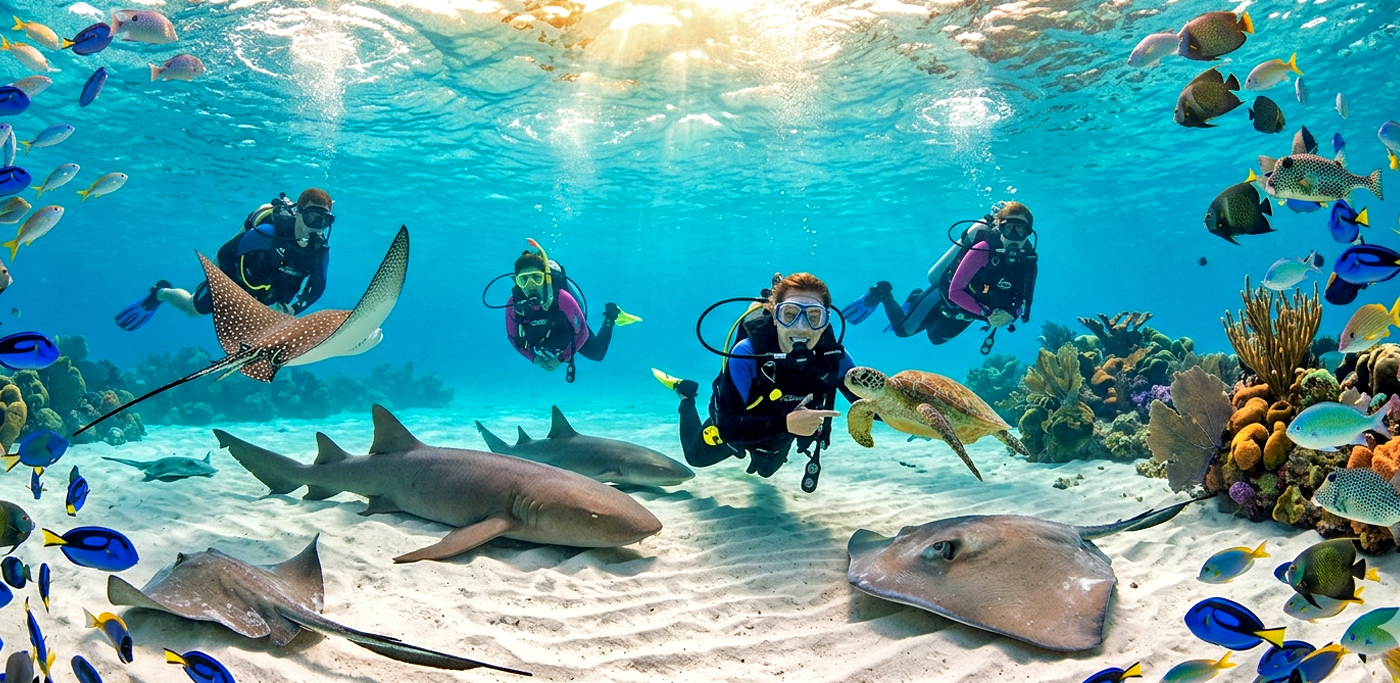
May is one of the finest months in the Belizean diving calendar — warm water, excellent visibility, reduced boat traffic on the most popular sites, and increasingly dynamic marine life activity as rising water temperatures awaken the reef’s biological cycle. Whether you’re completing your first certification dives or planning advanced atoll explorations, here’s your comprehensive guide to Belize’s best dive spots this May.
Three factors converge to make May extraordinary for Belizean divers.
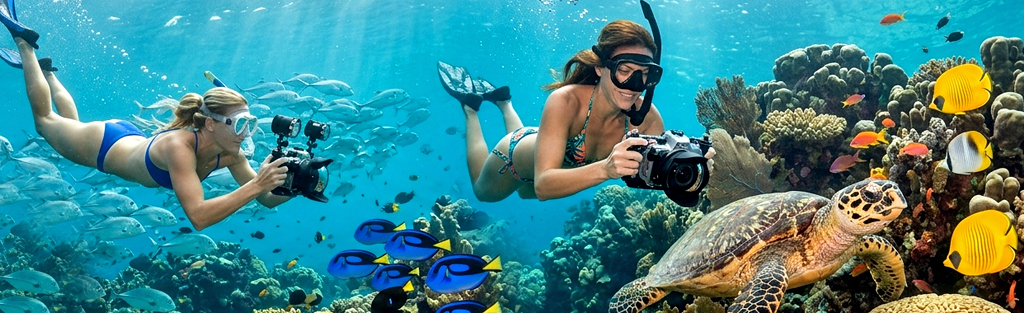
Hol Chan Marine Reserve, located 4 miles south of San Pedro on Ambergris Caye, remains Belize’s most consistently spectacular diving destination regardless of season. The reserve’s protected channel — a natural cut through the reef at 5–9 meters — is perpetually populated with spotted eagle rays, nurse sharks, massive Nassau groupers, hawksbill sea turtles, and schools of blue tang in numbers that genuinely astonish even experienced divers.
May conditions at Hol Chan are excellent. The channel’s protected nature means currents are gentle and manageable for divers at all experience levels. Visibility typically runs 15–25 meters inside the channel. The adjacent Shark Ray Alley section — where nurse sharks and southern stingrays aggregate in extraordinary numbers — is reliably spectacular year-round and peaks in May as water temperature increases bring more animals into the shallows.
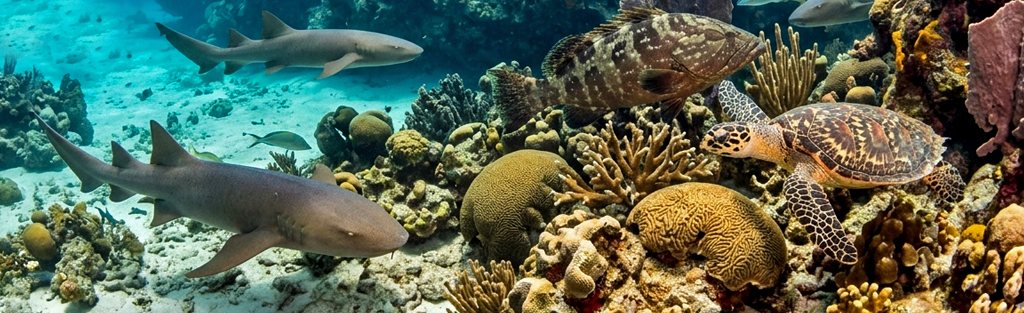
Turneffe Atoll — Belize’s largest atoll, approximately 30 miles east of Belize City — offers some of the finest wall diving in the Western Hemisphere. The atoll’s outer wall drops dramatically from the reef crest at 6–10 meters to depths exceeding 300 meters, creating the dramatic visual experience of hovering in open blue water above an endless abyss while Caribbean reef sharks patrol the wall below.
May diving at Turneffe’s famous The Elbow dive site — where the atoll’s southern tip creates natural current aggregation — is particularly spectacular. The converging currents concentrate fish life in extraordinary densities: large schools of horse-eye jacks and black grouper, hammerhead sharks (increasingly common in May’s warmer water), and the occasional whale shark that transits the area.
Glover’s Reef Atoll, the southernmost of Belize’s three atolls and a UNESCO World Heritage Site, is the most remote and arguably most pristine diving destination in the entire country. The atoll’s isolation — approximately 45 miles southeast of Belize City — means it receives a fraction of the dive traffic of Hol Chan or Turneffe, delivering an uncrowded, wilderness-quality reef experience that is increasingly rare in the Caribbean.
May’s calm conditions make the longer boat journey to Glover’s Reef manageable on most days. The atoll’s interior patch reef system — dotted with over 700 patch reefs of extraordinary coral diversity — is particularly beautiful in May’s warm, clear water. Species diversity here consistently exceeds what’s available at the more visited northern sites.
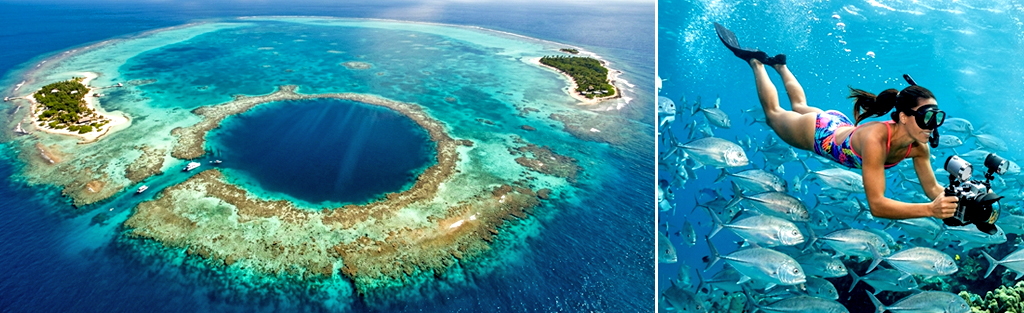
Lighthouse Reef Atoll’s Great Blue Hole — a UNESCO World Heritage Site and one of Jacques Cousteau’s original top five dive sites in the world — needs little introduction. The 300-meter-wide, 125-meter-deep circular limestone cavern is a geological marvel and a genuinely awe-inspiring dive experience, though it should be noted honestly: the Great Blue Hole dive is more spectacular for its physical drama than for conventional marine life diversity. The interior walls are dramatic limestone stalactite formations; marine life in the hole itself is sparse compared to the surrounding reef.
May is a good month for the Blue Hole dive: calm surface conditions make the boat journey from San Pedro manageable, and the surrounding Half Moon Caye Wall dive — usually combined with the Blue Hole into a full-day excursion — is exceptional in May’s visibility. Day trips from San Pedro run USD 250–350 per person including lunch and multiple dive sites.
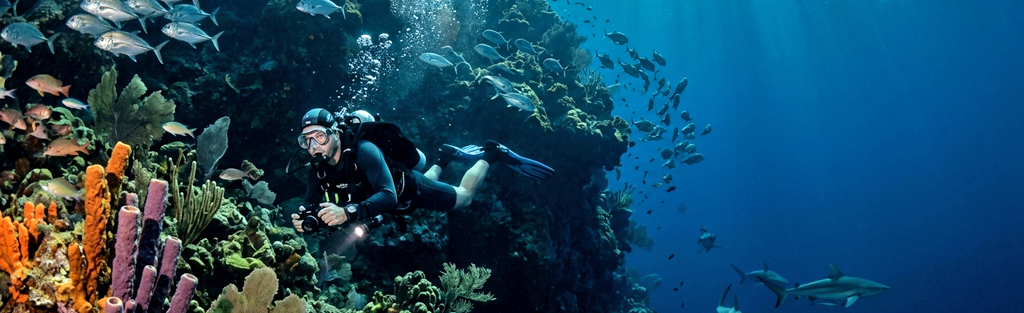
May is the prime season for Caribbean reef shark encounters throughout the Belize reef system. Whale shark sightings, while more associated with the annual Gladden Spit aggregation (typically March–April), still produce occasional encounters in May at outer reef sites. Loggerhead and green sea turtles are active at shallow reef sites. Spawning aggregations of dog snapper and other grouper species at Glover’s Reef in May produce extraordinary concentration events that attract large predators and create exceptional photographic opportunities.