Quick Links: About Us - Contact Us
For bookings, call us at
+501 677-2900
Quick Links: About Us - Contact Us

Quick Links: About Us - Contact Us
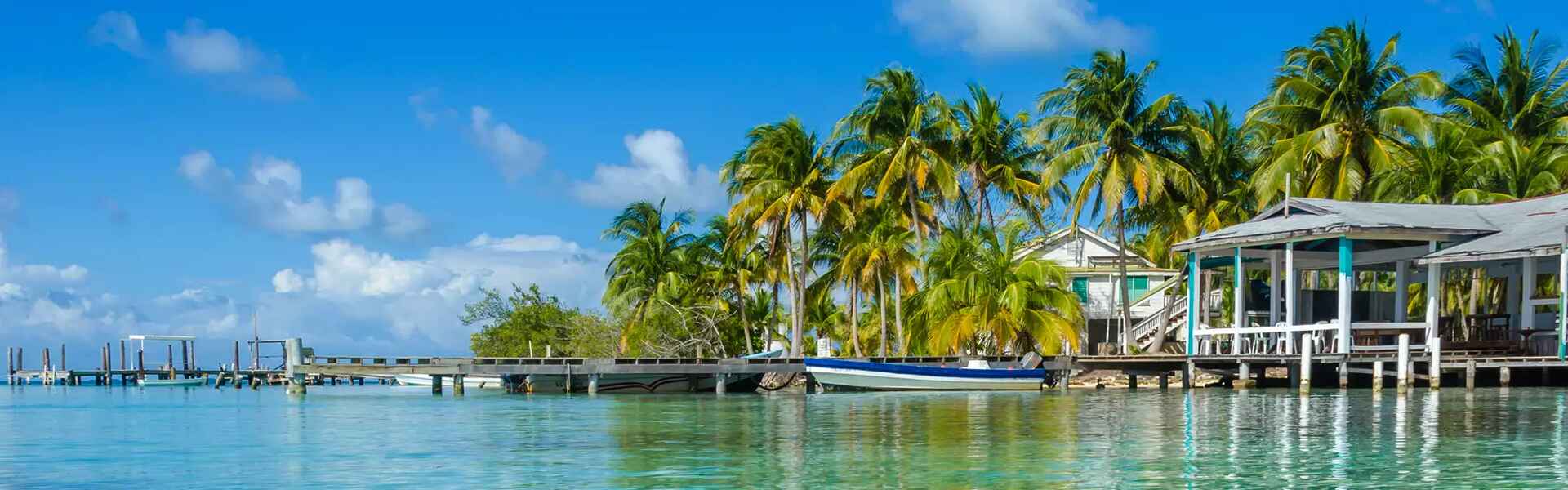

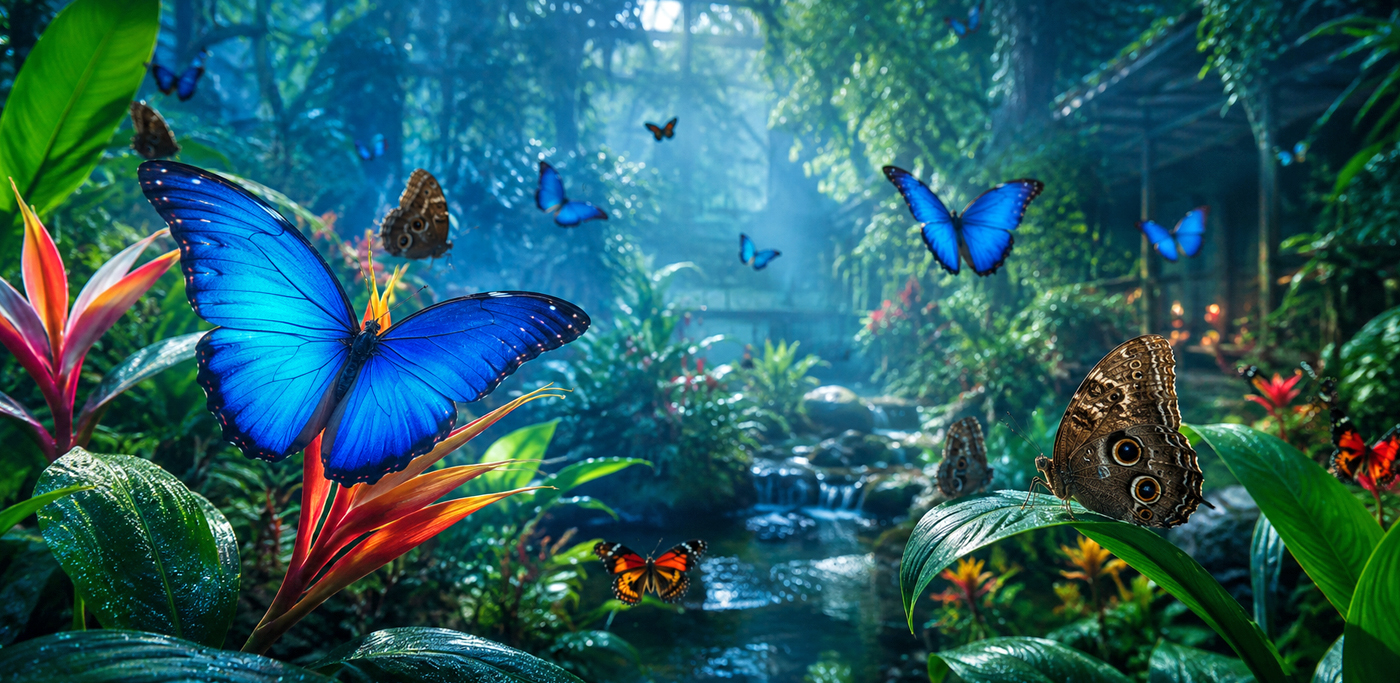
Butterflies might seem like an unlikely highlight in a country that also offers jaguar reserves, a UNESCO barrier reef, and ancient Mayan pyramids — yet Belize’s butterfly houses consistently rank among the most memorable experiences that visitors report. The country’s position in the Mesoamerican biodiversity hotspot makes it home to an extraordinary diversity of butterfly species, and the dedicated butterfly breeding centers operating in Belize provide intimate, up-close encounters with some of the world’s most spectacular lepidoptera in genuinely educational settings.
May is an excellent month for butterfly tourism in Belize. The onset of the rainy season triggers increased butterfly activity — many species emerge from pupal stages synchronized with the first rains and the lush, wet vegetation of the beginning wet season supports the maximum diversity of host plants and nectar sources that butterfly populations depend on.
Green Hills Butterfly Ranch in the Mountain Pine Ridge area is Belize’s most established and professionally operated butterfly facility, run by Dutch entomologist Jan Meerman and his partner Tineke Boomsma since the early 1990s. The ranch’s outdoor butterfly garden houses over 30 species of Belizean butterflies in a naturally landscaped enclosure that feels far more like a forest clearing than a captive facility.
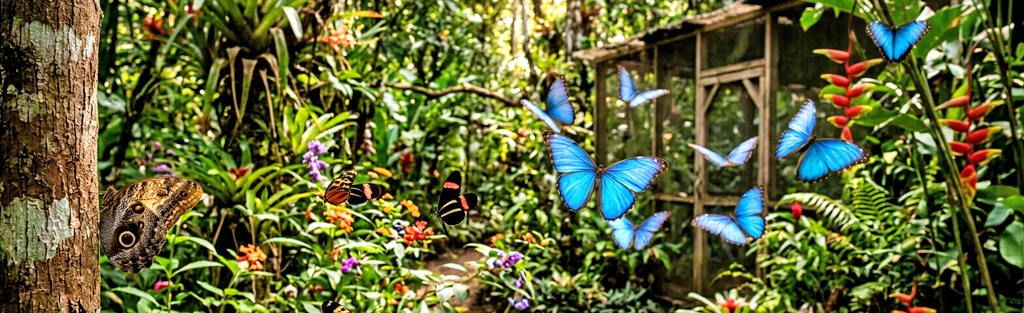
Featured species include the stunning Morpho butterflies — the electric-blue iridescent wings of Morpho peleides are among the most instantly recognizable and photographically dramatic butterflies in the world. In May, Morpho emergence is at its most active, and the experience of a dozen brilliant blue Morphos in simultaneous flight in the dappled forest-garden light is genuinely extraordinary. Other regularly featured species include the Owl Butterfly (Caligo memnon), whose remarkable eye-pattern wing markings provide defense against bird predation; multiple Heliconius species whose bright warning coloration signals toxicity; and an extraordinary range of smaller species whose detail repays close examination.
The educational programming at Green Hills is exceptional. Jan Meerman is one of Central America’s foremost entomologists and an engaging guide who can speak to butterfly ecology, conservation challenges, and the extraordinary complexity of lepidopteran life cycles with both scientific precision and genuine passion. Garden visit with guided interpretation: approximately USD 20 per person. Open Monday through Saturday; advance reservation recommended for May. Located near Cristo Rey Village in the Mountain Pine Ridge.
Chaa Creek Resort’s butterfly breeding center is the most accessible butterfly facility in the Cayo District, located on the resort property within easy reach of San Ignacio. The center focuses on the breeding and release of native Belizean butterfly species, with educational programming connecting butterfly biology to broader ecosystem function.
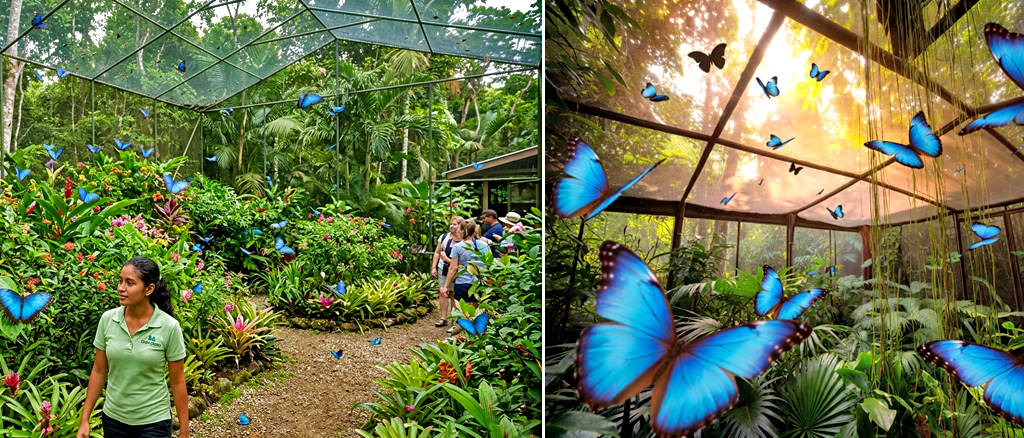
May visits to the Chaa Creek center benefit from the highest emergence rates of the year, as warming temperatures and increased humidity accelerate development through the pupal stage. The center’s proximity to the resort’s rainforest discovery center and Belize Natural History Museum makes it an excellent component of a full educational day at Chaa Creek. Non-guests can visit the butterfly center as part of day-visit packages; cost approximately USD 25–40 per person including all facilities access.
While Cockscomb Basin Wildlife Sanctuary is primarily known for its jaguar conservation significance and general wildlife richness, May’s jungle trails deliver one of the finest butterfly watching experiences available anywhere in Belize. The sanctuary’s trails — particularly the Ben’s Bluff trail and the riverside path — pass through microhabitats of extraordinary butterfly diversity. Heliconius and Longwing species are abundant along the forest edge; enormous Black Witch Moths (Ascalapha odorata) appear at rest on tree trunks; and the extraordinary Owl Butterflies emerge in late afternoon to feed on fermenting fruit fallen from the forest floor.
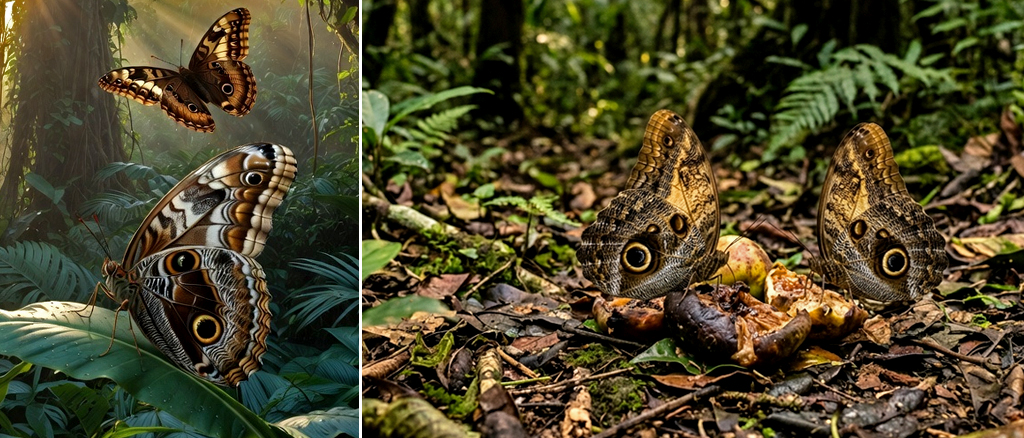
This isn’t a managed butterfly house experience — it’s a genuinely wild encounter with Belize’s full lepidopteran diversity in its natural habitat, which many naturalists find far more satisfying. Entrance to Cockscomb Basin: USD 10 per person. Guided hikes with sanctuary naturalists significantly enhance butterfly identification.
Belize’s butterfly populations — like butterfly populations worldwide — face pressure from habitat loss, pesticide use, and climate disruption of seasonal cycles. The breeding centers operating in Belize play a genuinely important role in researching and documenting butterfly diversity, breeding endangered species for potential reintroduction, and educating both local and international visitors about the ecological importance of pollinator communities. When visiting any butterfly facility in Belize, your entrance fee directly supports this conservation work.
Butterfly houses in Belize provide a peaceful and educational experience for visitors of all ages. In May, the environment is especially active, offering colorful displays and close-up encounters. It’s a simple yet rewarding activity that adds variety to your itinerary.