May delivers some of the most extraordinary photographic light available anywhere in Central America. The combination of late dry-season sun angles, increasing atmospheric moisture from the first rains, and the dramatic landscape transformation as Belize transitions into its wet season creates lighting conditions that professional travel photographers specifically seek out and that May visitors encounter as a matter of course.
Understanding May's Photographic Light Quality
What makes May’s light special is the moisture gradient. The dry season’s crystal-clear atmosphere produces beautiful but sometimes harsh, flat light — particularly in the midday hours. As May’s early rains introduce moisture into the atmosphere, several photographic improvements occur simultaneously. Golden hour becomes more dramatic as dust and moisture particles catch and scatter low-angle sunlight in ways that produce richer, more saturated warm tones. Post-rain light — the 30–60 minutes immediately after an afternoon shower clears — creates the most extraordinary natural light of the entire year: low, warm sun against deep blue post-storm sky, with every wet surface reflecting and amplifying the color.
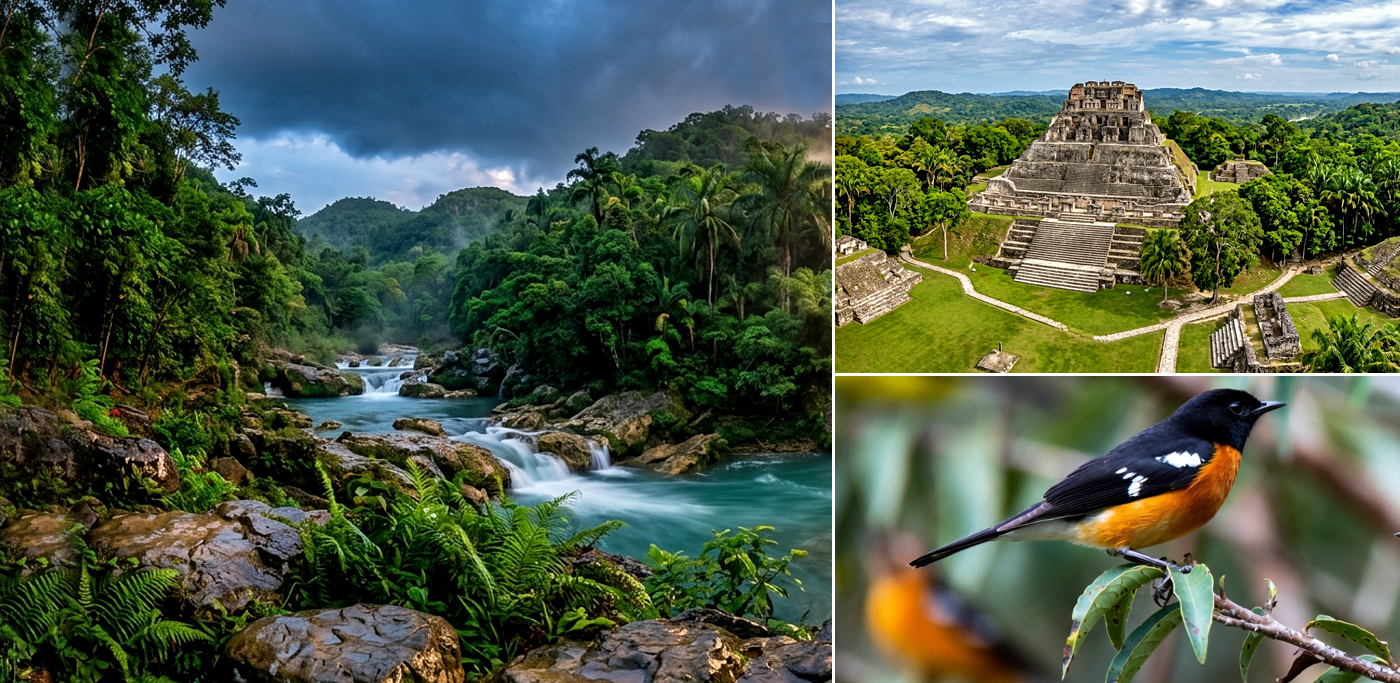
Additionally, the intensifying greens of the landscape respond dramatically to this light quality. Vegetation wet from afternoon rain and lit by late golden sun produces colors of almost impossible richness — the kind of images that viewers initially assume have been heavily post-processed but are simply what Belize’s May landscape genuinely looks like in good late afternoon light.
Top Photo Spots and Best Timing
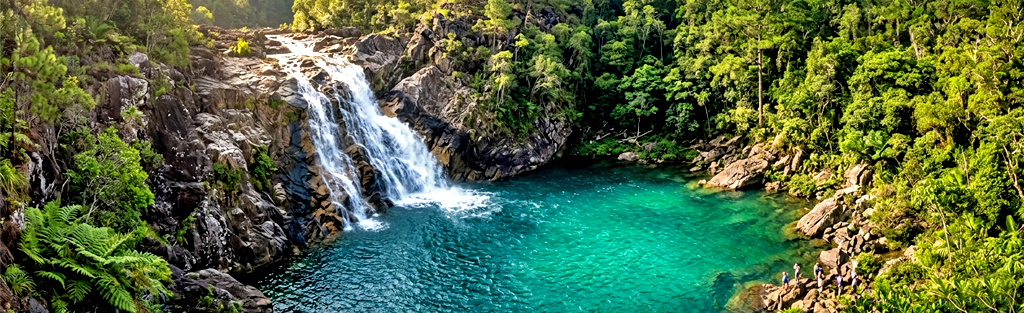
Big Rock Falls, Mountain Pine Ridge
This is the most photographable location in all of Belize, and May’s increased water volume makes it even more spectacular. Arrive at 7:00–8:30 AM for soft directional morning light that illuminates the falls from the left, creating natural depth and dimension. The pool’s aquamarine color is most vivid in morning light before midday sun causes harsh reflections. Camera settings: circular polarizer filter, f/8, ISO 100, shutter speed 1/4–1/2 second for silky water effect on overcast mornings.
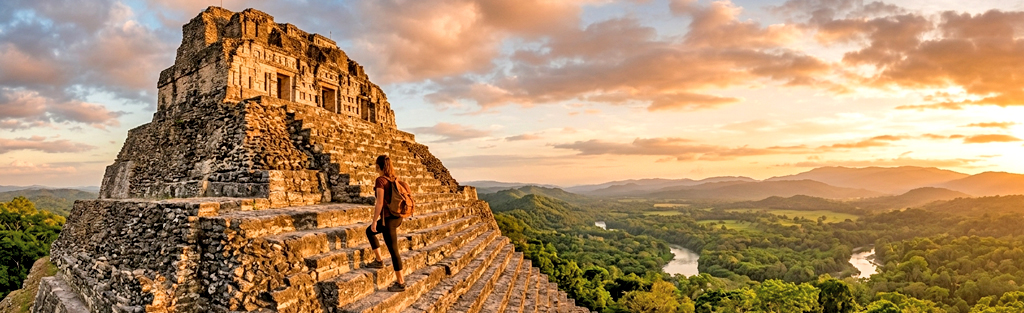
Xunantunich Archaeological Site
Climbing El Castillo at golden hour (5:00–6:30 PM) rewards with panoramic views over the Mopan River valley and Guatemala highlands in warm, dimensional evening light. The ancient stone’s warm honey tones against the deep green jungle backdrop in late afternoon sun is one of Belize’s most compositionally satisfying photographic environments.
The Split, Caye Caulker
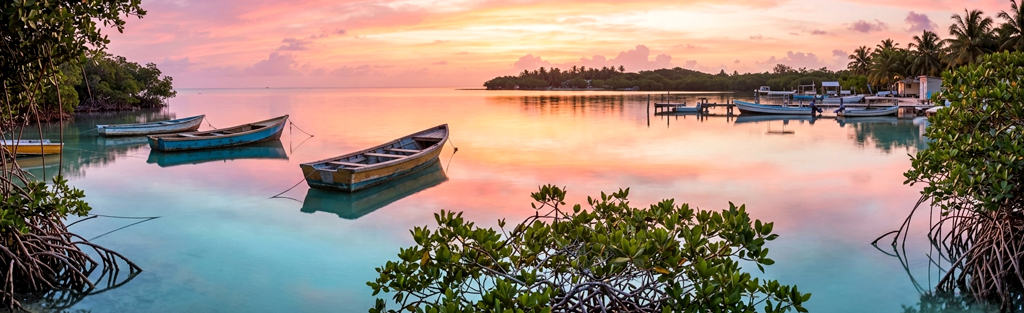
Dawn at the Split (5:30–7:00 AM) provides extraordinary light quality. The flat water of the channel at first light reflects the pink-gold dawn sky perfectly, and the small fishing boats and mangrove shoreline of the far side create a compositional foreground that photographs beautifully in any focal length.
Crooked Tree Wildlife Sanctuary Lagoon
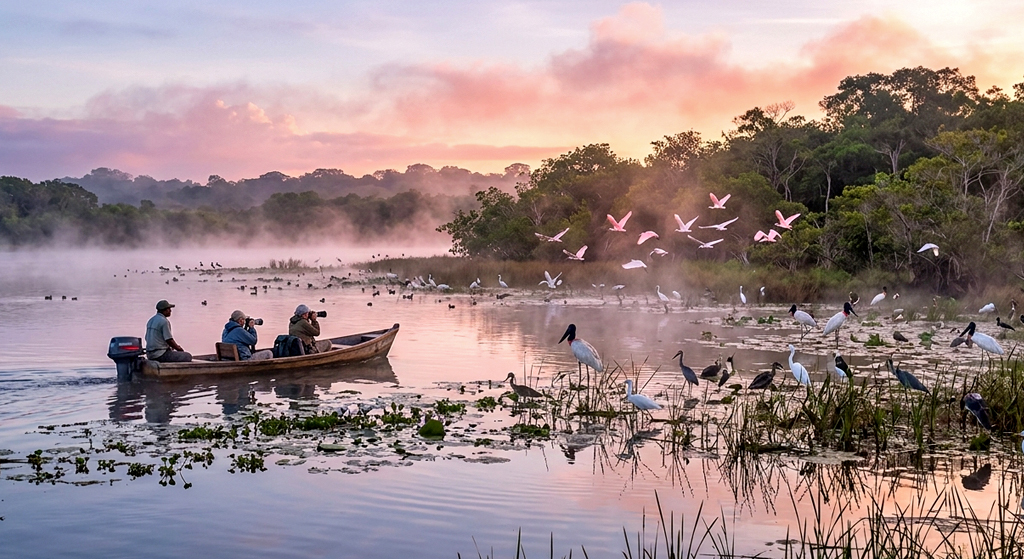
Pre-dawn boat position on the lagoon (depart 5:15 AM) places you in the water as first light emerges. The combination of mist rising from still water, waterbirds taking their first flights, and pink dawn reflecting in the lagoon surface creates images of extraordinary beauty. A telephoto lens (300mm minimum) for bird portraits combined with a wide-angle for landscape shots covers all compositional needs.
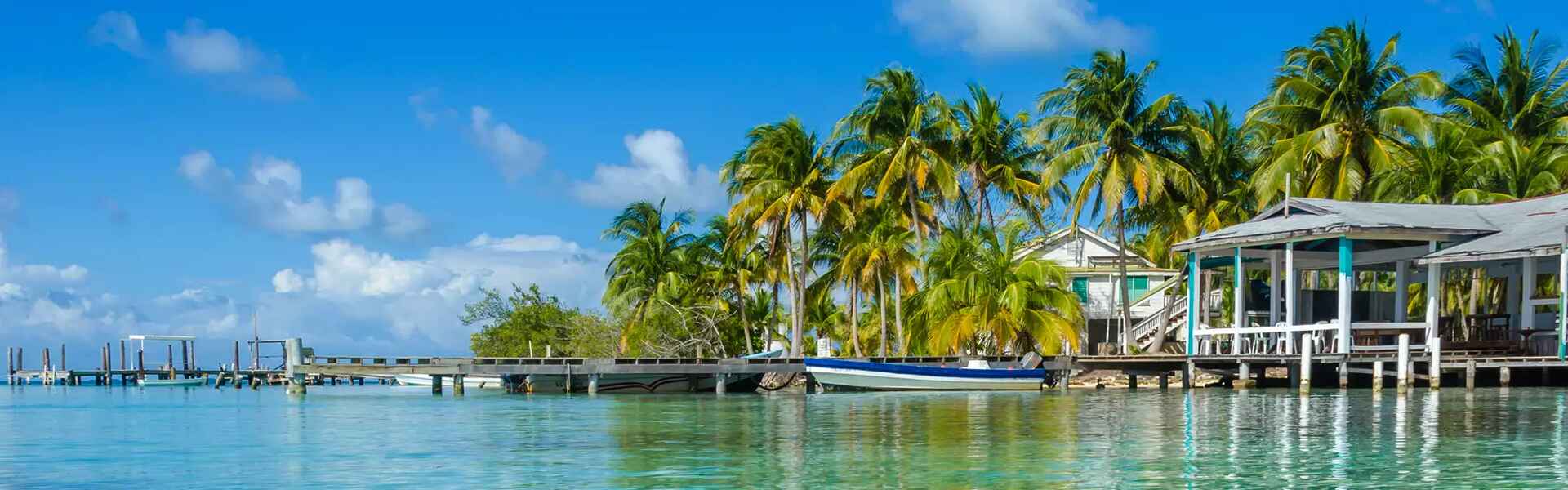
Placencia Village Pier
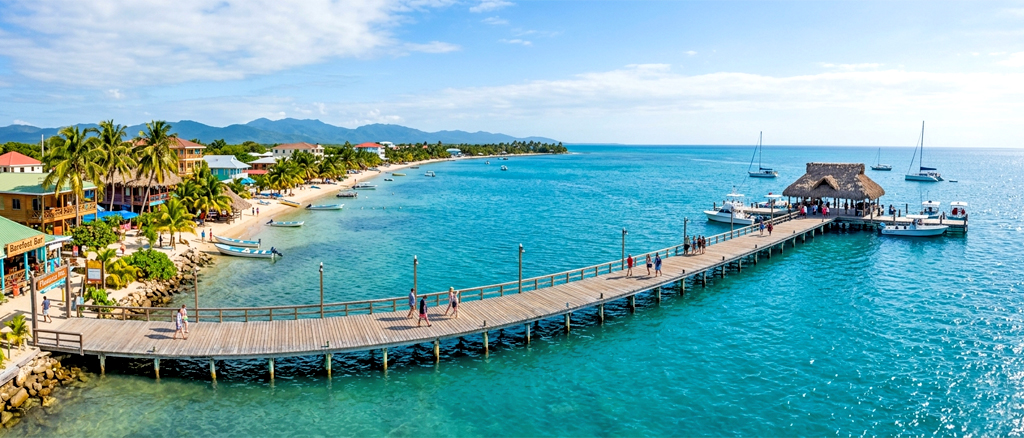
The wooden pier extending from Placencia Village over the Caribbean provides a leading-line composition tool that’s irresistible for landscape photographers. Shoot toward the east at sunrise for Caribbean dawn light; shoot west at sunset for the most dramatic color. May sunsets from Placencia’s western (lagoon-side) shore are particularly rich in the post-shower atmospheric moisture.
Cockscomb Basin Forest Interior
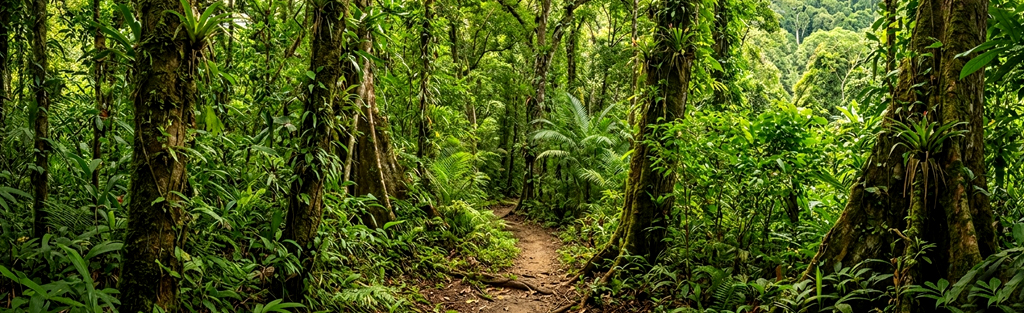
The mature broadleaf forest of Cockscomb Basin is best photographed in the soft, diffuse light of overcast May mornings — conditions that eliminate harsh shadows in deep forest and allow the extraordinary range of greens to separate distinctly in the image. A wide-angle lens (16–24mm) looking upward into the canopy creates dramatic perspective; a macro lens (90–105mm) reveals the extraordinary micro-world of jungle floor details.
Gear Recommendations for May Photography
Weather sealing: May’s afternoon showers make a weather-sealed camera body strongly recommended. Sony Alpha, Canon R-series, and Nikon Z-series all have excellent weather-sealed options.
Rain sleeve (disposable or reusable): It provides emergency protection for non-sealed bodies.
Filters: a circular polarizer is the single most useful filter for Belize landscape photography — essential for reef/water photography, highly useful for forest shots and waterfall work. A 3-stop ND filter enables longer exposures for waterfall silking in brighter conditions.
Extra batteries: heat and humidity accelerate battery drain; carry at least two fully charged spares.
Final Thoughts
Late dry season light in May provides excellent conditions for photography across Belize. From golden sunsets to lush landscapes, the changing environment offers dynamic visual opportunities. Whether you’re a professional or casual photographer, this time of year allows you to capture the country at its most vibrant.