Quick Links: About Us - Contact Us
For bookings, call us at +501 677-2900
Quick Links: About Us - Contact Us

Quick Links: About Us - Contact Us
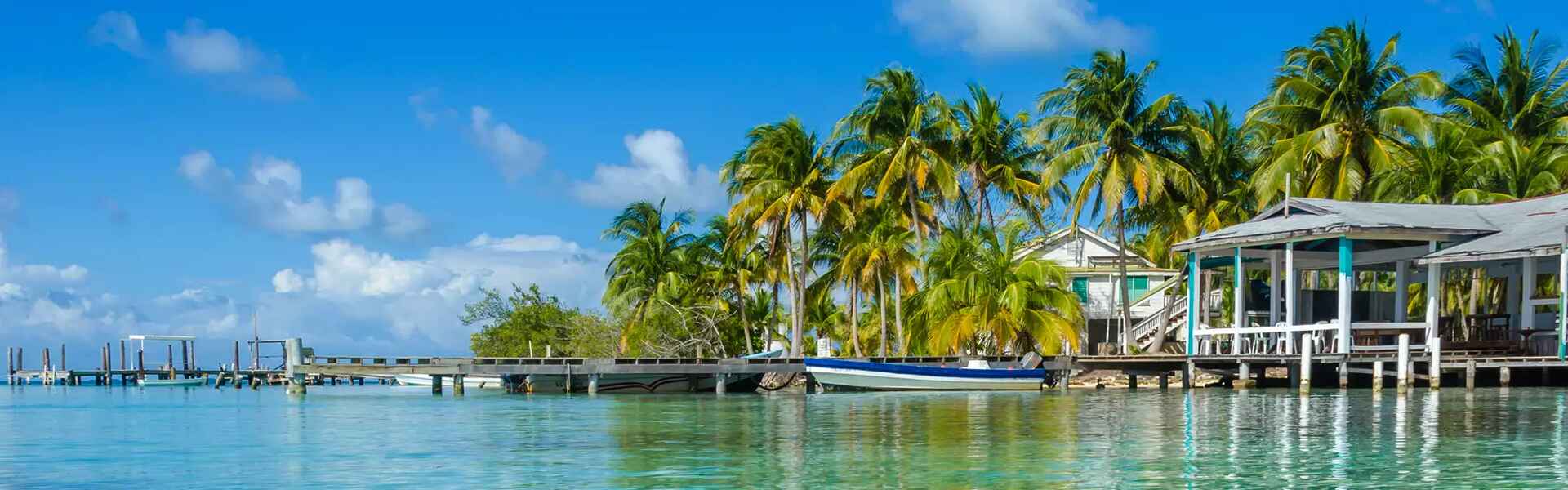

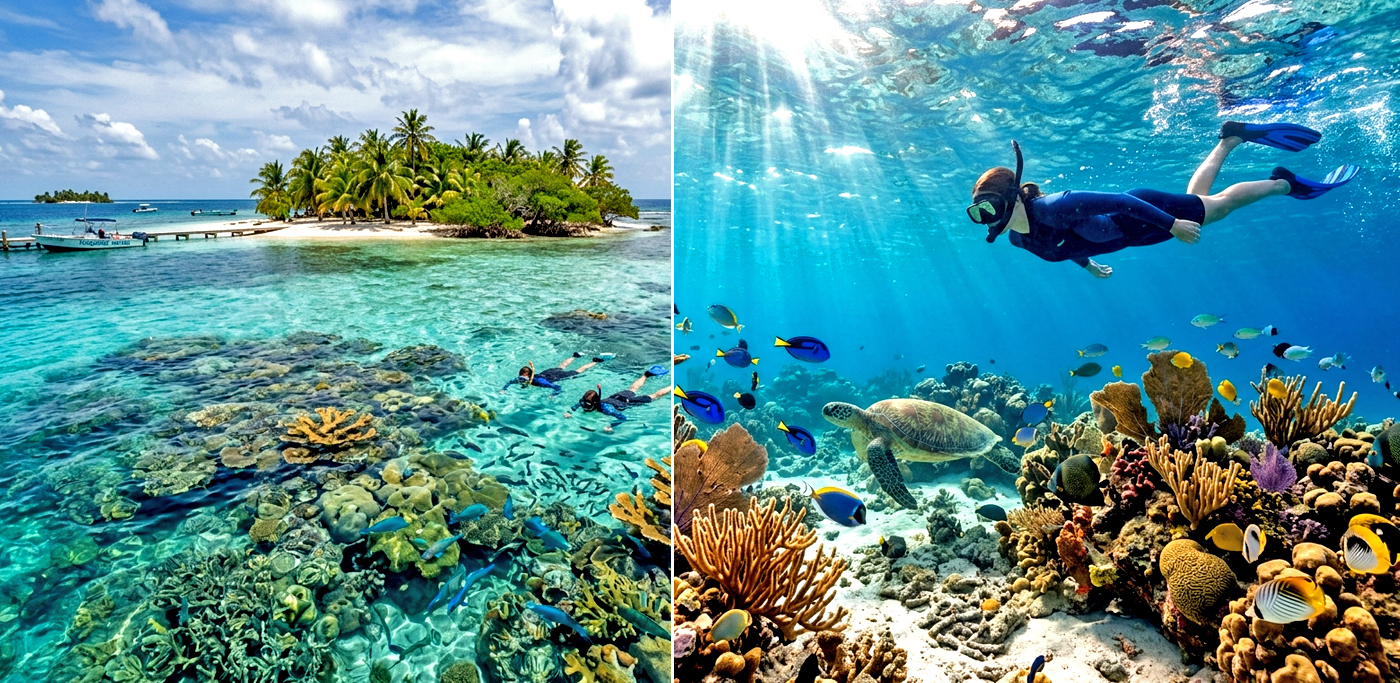
July might be the single best month to slip into the warm Caribbean waters off Belize and see why this tiny country punches so far above its weight in the diving and snorkeling world. Calm seas, excellent visibility, and water temperatures hovering around 84°F make July an ideal window for exploring the Belize Barrier Reef — the largest living reef system in the Western Hemisphere. Whether you’re a first-time snorkeler or a seasoned reef explorer, here’s what you need to know before you go.
Belize sits just far enough south to avoid the worst of the early hurricane season chop, and July typically brings long stretches of calm, sunny weather between rain showers. Visibility in the water often reaches 60 to 100 feet, which means even beginners can spot vibrant coral formations and schools of fish without needing advanced gear. The warmer water temperatures also mean you can snorkel comfortably in just a rash guard, without a wetsuit weighing you down.
Because July falls in the “green season” shoulder period, the reef sites tend to be less crowded than during the busy winter high season, giving you more room to enjoy the water and better chances at close (but respectful) encounters with marine life.
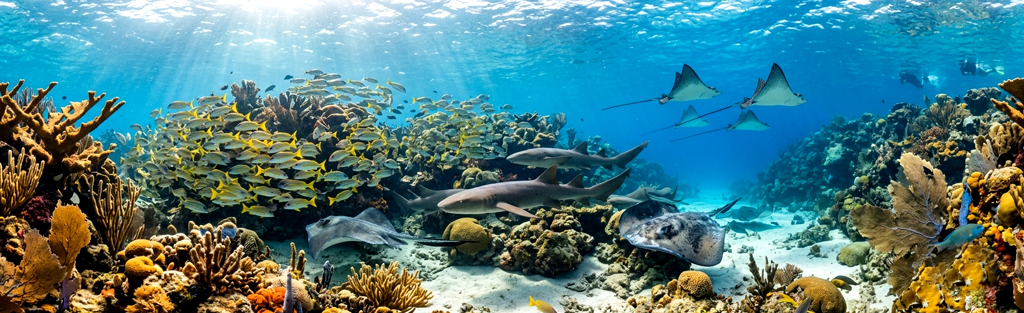
Hol Chan Marine Reserve — Just a short boat ride from Ambergris Caye, Hol Chan is Belize’s original marine protected area and remains one of the most reliable spots to see nurse sharks, southern stingrays, and eagle rays gliding through crystal-clear channels. The reef here is healthy and colorful, with dense schools of snapper and grunt fish weaving through coral heads.
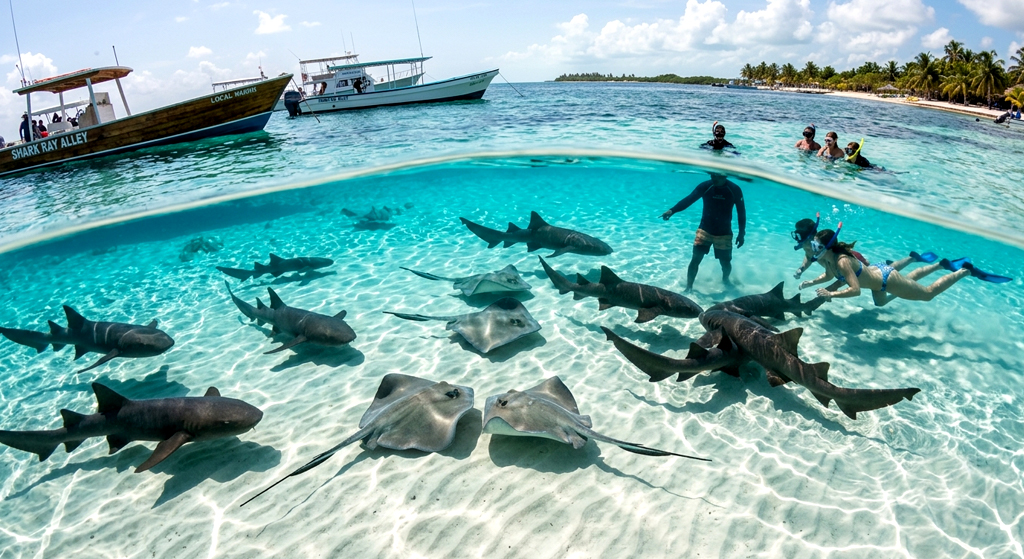
Shark Ray Alley — Located adjacent to Hol Chan, this shallow sandy area is famous for close encounters with docile nurse sharks and stingrays that have grown accustomed to boat traffic over decades. It’s an excellent introduction for nervous first-timers, since the water is shallow and the marine life here is calm.
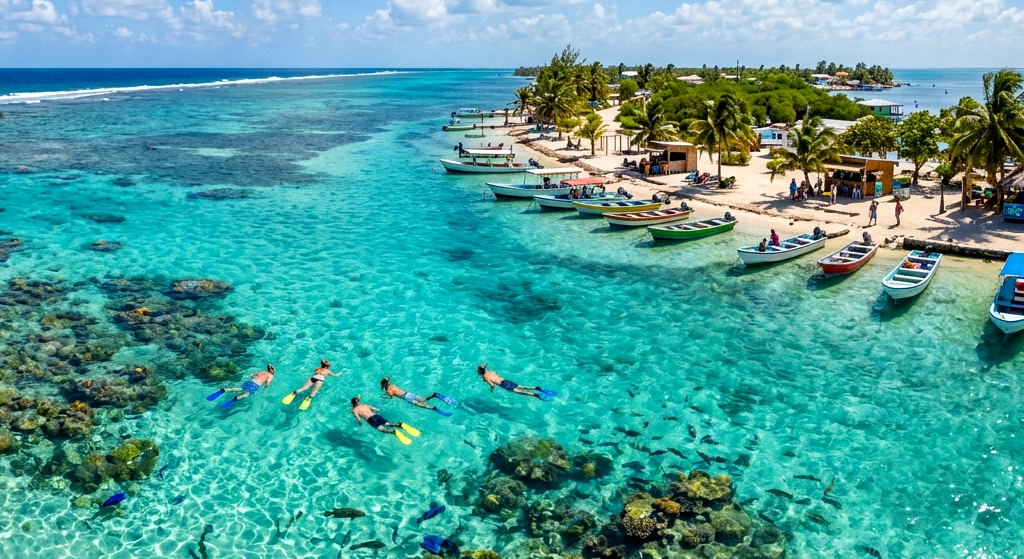
Caye Caulker Reef — A more laid-back, budget-friendly alternative to Ambergris Caye, Caye Caulker offers reef access just minutes from shore. The “Split,” a narrow channel between the island’s two halves, is a popular local snorkeling and swimming spot, while boat tours head out to the barrier reef for deeper exploration.
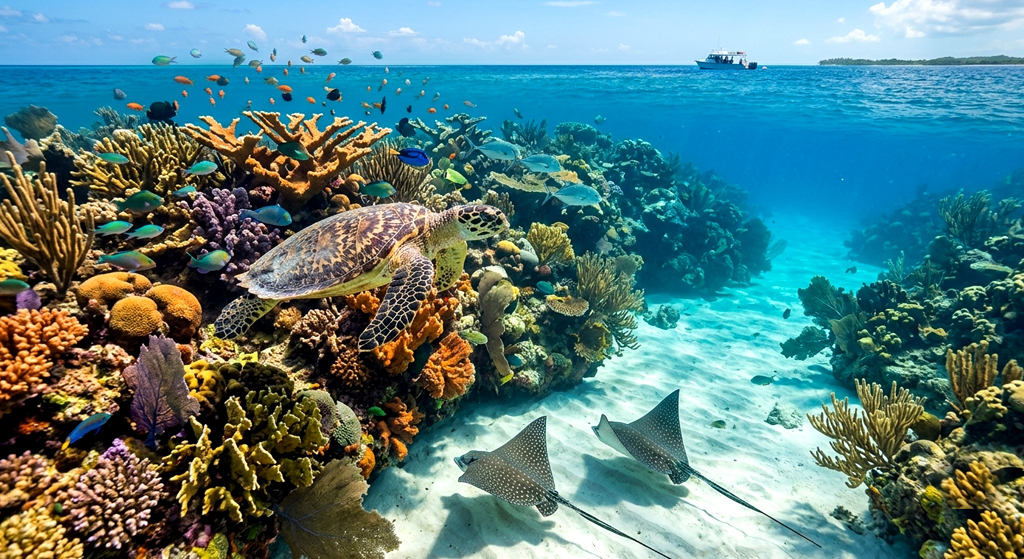
South Water Caye Marine Reserve — Further south near Dangriga, this reserve protects a stretch of reef that feels wilder and less visited. Expect healthy coral gardens, sea turtles, and a good chance of spotting rays in the sandy shallows.
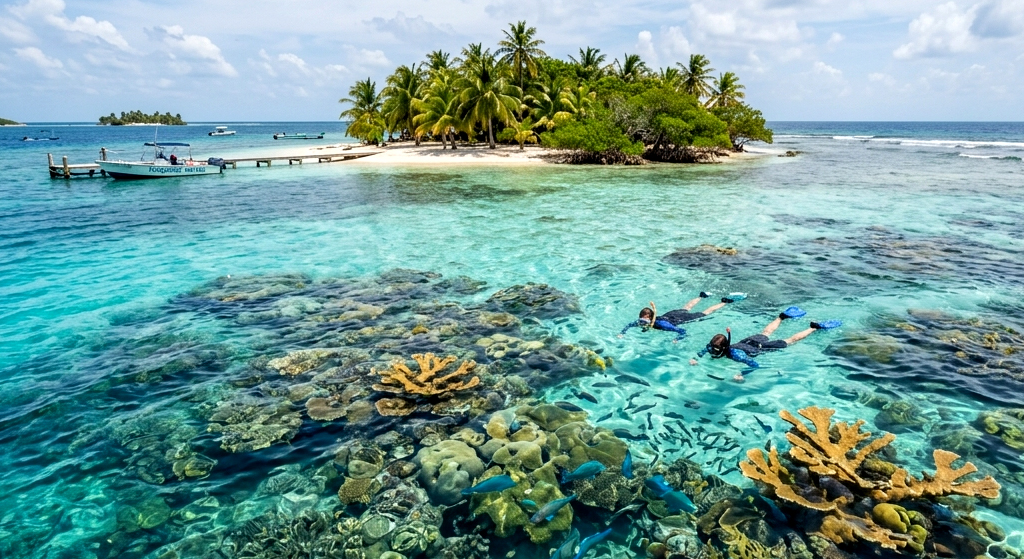
Laughing Bird Caye — Near Placencia, this UNESCO World Heritage site is a smaller, quieter reef system ideal for travelers looking to avoid crowds while still enjoying excellent coral cover and abundant fish life.
Belize’s reef ecosystem supports an extraordinary range of marine species. In July, snorkelers commonly spot:
Whale sharks are more commonly associated with the March–June window near Gladden Spit, so while a July sighting isn’t impossible, it’s less likely than earlier in the season.
Most reputable tour operators supply mask, snorkel, and fins as part of the tour price, but a few extras make a real difference:
Belize’s reef reserves are well-regulated, but a few practical habits go a long way:
Most snorkeling trips depart from Ambergris Caye, Caye Caulker, or Placencia, and typically run three to five hours, hitting two or three sites per trip. Look for operators who are licensed by the Belize Tourism Board and who emphasize marine park fees are included — these fees directly fund reef conservation. Smaller group sizes (six to ten people) tend to offer a more relaxed, personal experience than the larger day-tour boats.
Do I need to know how to swim to go snorkeling in Belize? Basic swimming comfort helps, but many tour operators provide flotation vests and shallow-water sites like Shark Ray Alley are manageable even for hesitant swimmers, as long as you stay close to your guide.
Is snorkeling in Belize suitable for beginners? Yes. Sites like Hol Chan and the shallow patch reefs near Caye Caulker are specifically popular because of their calm, shallow conditions, making them ideal first-time snorkeling destinations.
Do I need to book snorkeling tours in advance during July? While July isn’t peak season, popular operators can still fill up, especially for full-day Blue Hole and Half Moon Caye combination trips, so booking a few days ahead is a reasonable precaution.
July offers a rare combination in Belize: warm water, strong visibility, and a slightly quieter reef than peak season. Whether you’re chasing your first stingray encounter at Shark Ray Alley or drifting over healthy coral gardens near Laughing Bird Caye, the Belize Barrier Reef delivers an accessible, unforgettable introduction to Caribbean marine life. Pack reef-safe sunscreen, book with a reputable local operator, and get ready for some of the clearest water you’ll ever snorkel in.