Quick Links: About Us - Contact Us
For bookings, call us at +501 677-2900
Quick Links: About Us - Contact Us

Quick Links: About Us - Contact Us


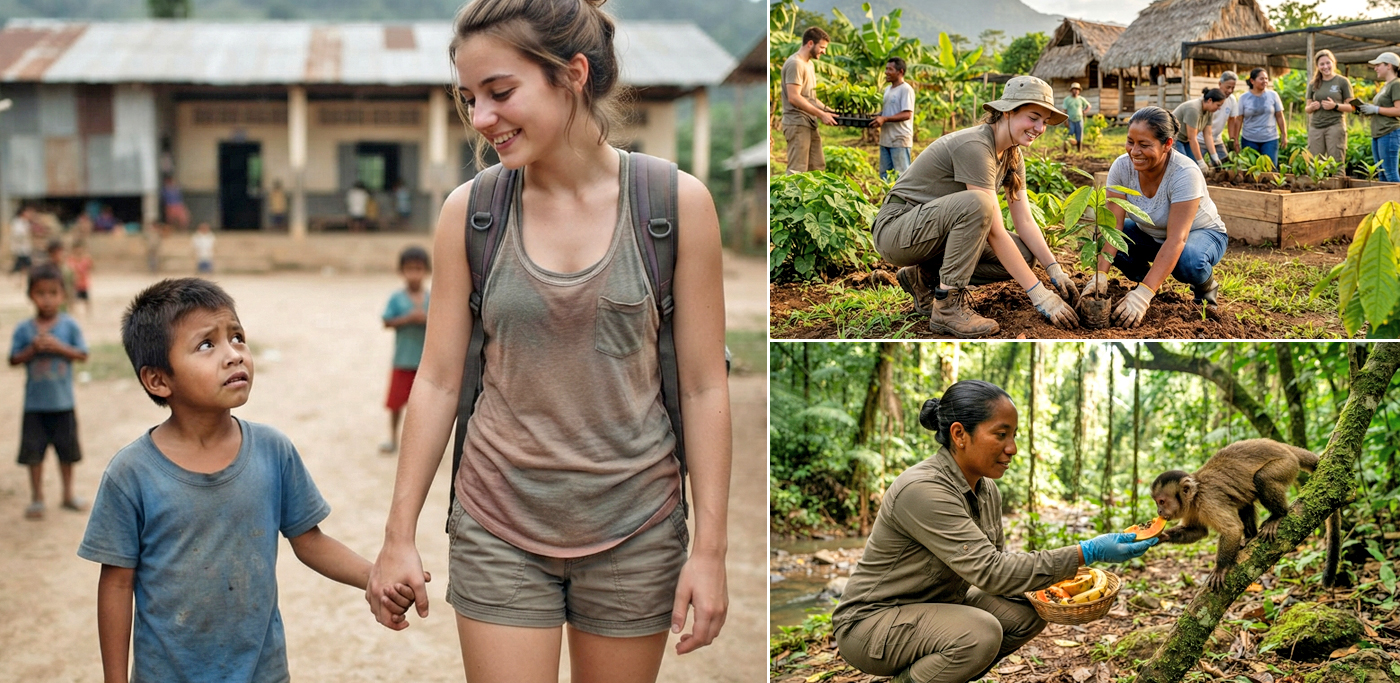
Volunteering in Belize can be a meaningful way to support local communities, wildlife conservation and environmental protection. However, not every volunteer opportunity creates a positive impact. Short-term, unskilled placements can sometimes disrupt local work, put vulnerable children at risk or interfere with wildlife rehabilitation.
Before signing up, look for organizations led by local people, understand where your money goes and make sure your skills match what the project actually needs. Avoid orphanage tourism and activities that treat wildlife or children as visitor attractions. If you are unsure whether your planned activity requires immigration permission, check with Belizean authorities before committing.
Here is how to identify responsible volunteering opportunities in Belize and make sure your time, money and effort provide genuine value.
Good intentions do not automatically produce good outcomes. Some short-term volunteer programs are designed around the traveler’s experience rather than the long-term needs of the community.
In children’s homes and orphanages, frequent changes in volunteers can create emotional disruption. Children may form attachments to visitors who leave after a few days or weeks. Unsupervised contact with unfamiliar adults can also create safeguarding risks.
Short-term teaching placements can interrupt education when volunteers without appropriate qualifications replace trained local teachers. Similar problems occur when visitors take on work that could otherwise provide employment for Belizean residents.
Wildlife volunteering also requires care. Handling, feeding, or posing with animals for photographs may prioritize visitor entertainment over animal welfare. Legitimate rehabilitation and research programs need trained supervision, appropriate facilities, and activities based on conservation needs.
Organizations such as ECPAT and ReThink Orphanages highlight the risks associated with poorly regulated child-focused voluntourism. Before joining a placement, consider whether your presence will contribute to an established local effort or simply create another temporary visitor experience.
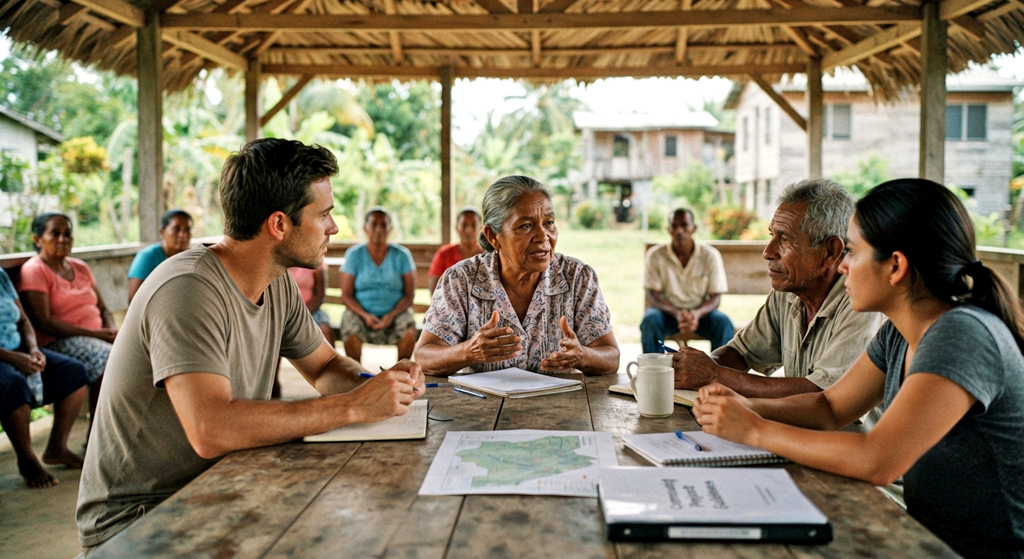
Before paying a deposit or booking your placement, ask the organization these important questions.
If the project… | Then… |
|---|---|
Involves orphanages or casual access to vulnerable children | Decline and choose a safer alternative |
Lets visitors handle, feed or pose with wild animals for entertainment | Avoid it unless the activity is part of legitimate, supervised rehabilitation |
Offers no clear responsibilities and charges high fees | Request a detailed cost breakdown |
Has no named local leaders or measurable outcomes | Investigate further before paying |
Is locally led and publishes information about its work | Consider it after checking its safeguards |
Needs a specific professional or technical skill you have | Discuss a defined placement and expected contribution |
Explains how the work continues after volunteers leave | Look more closely at its long-term impact |
A responsible project should be able to explain what it needs, why it needs volunteers and how it measures progress.
You do not always need a formal volunteer placement to support Belizean communities and conservation.
Be cautious if a volunteer organization:
A legitimate organization should welcome reasonable questions. If its representatives become defensive or cannot explain how the project operates, do not feel pressured to participate.
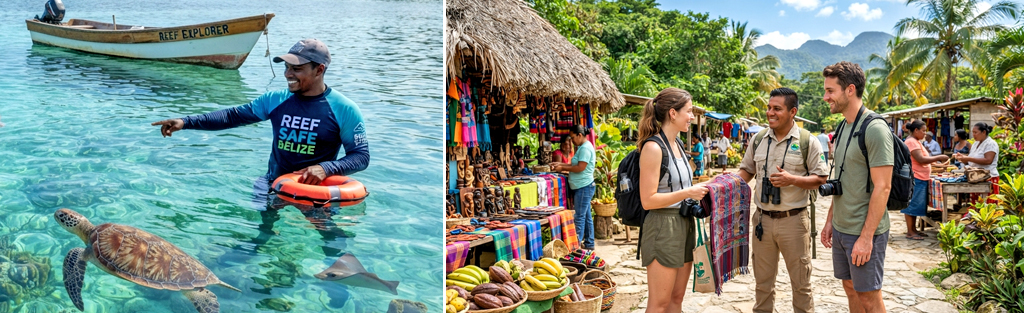
If you only have a few days in Belize, there are several ways to contribute without taking on a volunteer role that may not be useful.
These options allow you to contribute during a short vacation without creating unnecessary work for local organizations.
If your skills are general and your stay is short, money to a vetted local organization often does more than your labor and does not take a paid job from a local worker. Displacing local workers is one of the ethical problems that ReThink Orphanages lists. Ask the organization what it needs and what it can use; do not assume.
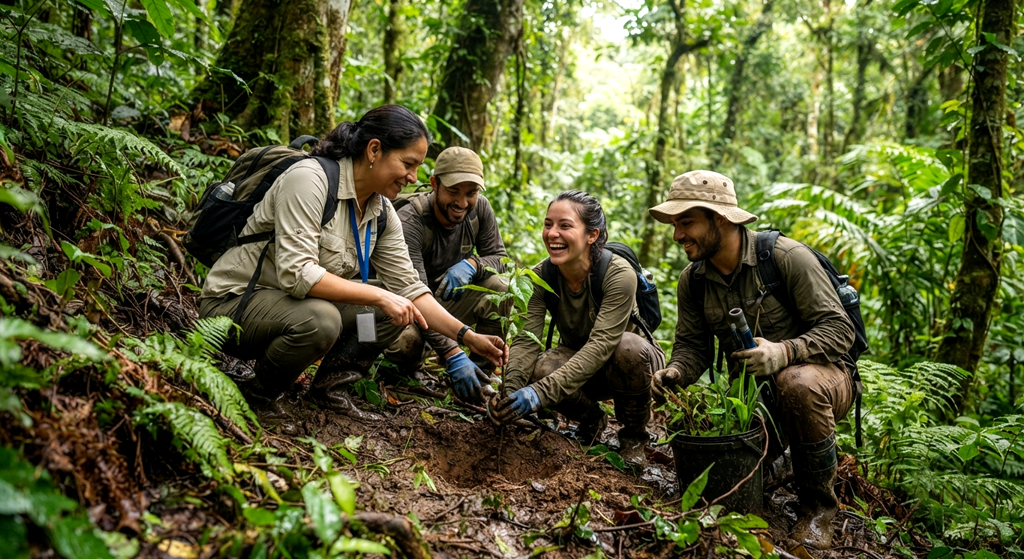
Research and habitat work led by qualified staff is different from experiences that let visitors handle animals. Hostelworld’s volunteering guide advises learning the natural behaviors of the species involved and asking how the organization supports their needs.
Do I need a permit to volunteer in Belize?
It depends on the activity and your immigration status. Do not assume that unpaid work is automatically allowed under a visitor permit. Contact Belize Immigration and obtain the necessary clarification before participating.
Can I volunteer with children in Belize?
Only consider professionally managed programs with strong child-protection procedures, appropriate screening and qualified supervision. Avoid short-term orphanage placements and opportunities that provide casual access to vulnerable children.
How can you check an organization’s claims?
Ask for its registration details, annual reports, project descriptions and references from previous volunteers or local partners. Look for named staff, clear financial information and measurable outcomes. Search for independent information and complaints before paying.
Is wildlife volunteering in Belize ethical?
It can be, provided the work is supervised by qualified people and contributes to genuine conservation or rehabilitation. Avoid experiences designed primarily around touching, feeding or photographing wild animals.
Giving back in Belize starts with understanding that good intentions are not enough. Responsible volunteering means respecting local priorities, protecting vulnerable people, supporting qualified conservation work and making sure your contribution has a purpose beyond the travel experience.
Before joining a project, ask who leads it, what it needs, where your money goes and what happens after you leave. If you have useful skills and enough time, a carefully chosen placement can contribute to long-term work. If not, supporting local businesses, community tourism and established conservation organizations can be an equally meaningful way to give back.
Travel responsibly, listen to local communities and let their needs guide the way you help.