Quick Links: About Us - Contact Us
For bookings, call us at +501 677-2900
Quick Links: About Us - Contact Us

Quick Links: About Us - Contact Us
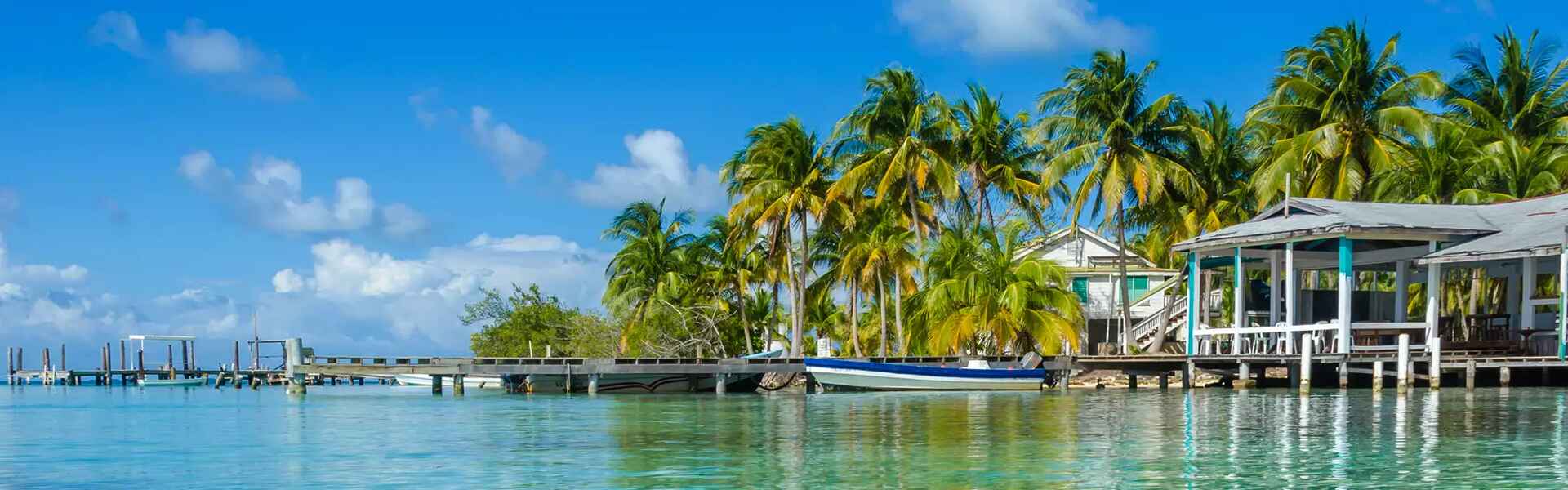

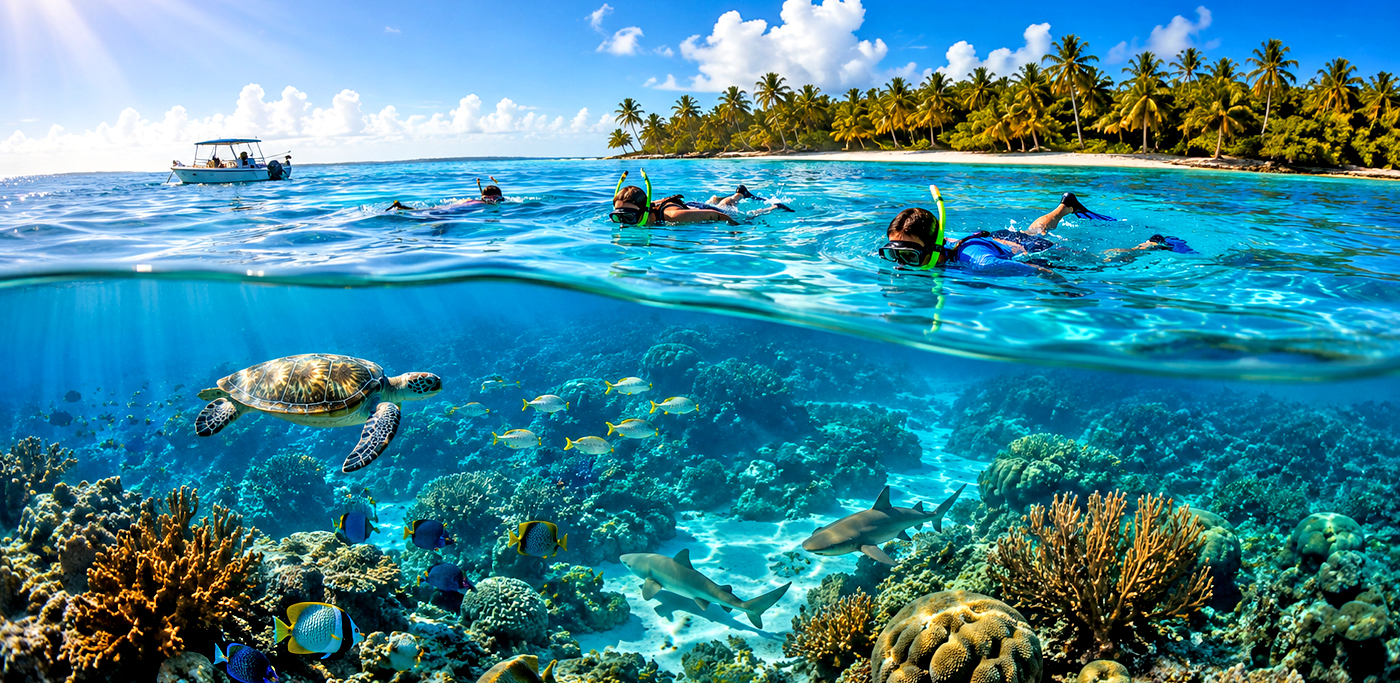
Stretching nearly 190 miles along the country’s coastline, the Belize Barrier Reef is the largest living reef system in the Western Hemisphere and the second largest in the world after Australia’s Great Barrier Reef. For first-time visitors, it can be overwhelming to know where to start — which sections to visit, how conservation efforts shape the experience, and what to actually expect once you’re in the water. Here’s a complete primer.
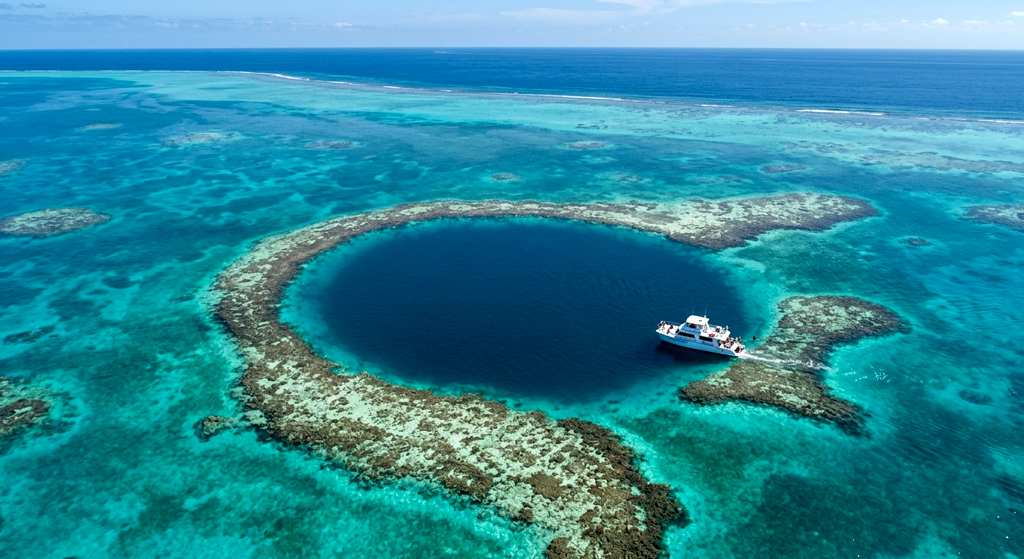
The Belize Barrier Reef has been developing for thousands of years, built up by generations of coral polyps forming an intricate limestone structure that now shelters an extraordinary diversity of marine life. Charles Darwin famously described it in 1842 as “the most remarkable reef in the West Indies,” and its significance has only grown since. In 1996, UNESCO designated seven marine protected areas along the reef system as a World Heritage Site, recognizing both its ecological importance and the rare, largely intact condition of its ecosystems compared to many other reef systems worldwide.
Notably, in 2018 UNESCO removed the reef from its “in danger” list after Belize implemented a series of protective measures, including a moratorium on offshore oil exploration and stronger mangrove protection laws. This makes Belize something of a global case study in reef recovery through committed policy action.
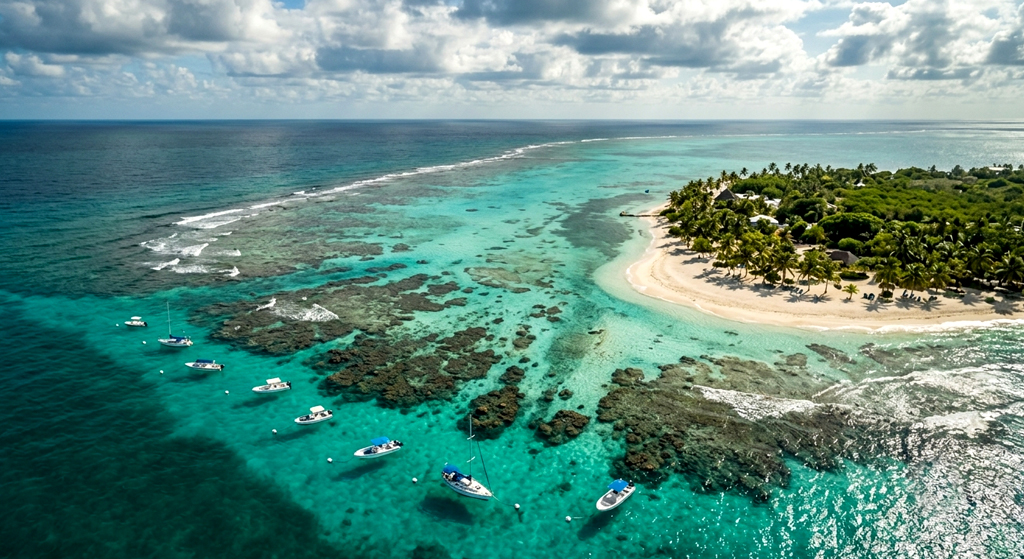
The World Heritage designation covers seven distinct protected areas, each offering a different visitor experience:
Most first-time visitors won’t see all seven in one trip, so it’s worth choosing a home base — Ambergris Caye, Caye Caulker, or Placencia — and building your reef access around it.
Unlike many heavily developed reef destinations, Belize’s reef benefits from a coastline with relatively low-density development and a government that has, in recent decades, taken an increasingly protective stance. Marine reserves like Hol Chan operate under strict no-fishing and no-anchoring rules, and park fees collected from visitors go directly toward ranger patrols, mooring buoy maintenance, and research.
The reef also supports an enormous range of habitats in a small geographic area — from shallow seagrass beds and mangrove nurseries to steep drop-off walls and open atolls — meaning visitors can experience dramatically different underwater landscapes without traveling far.
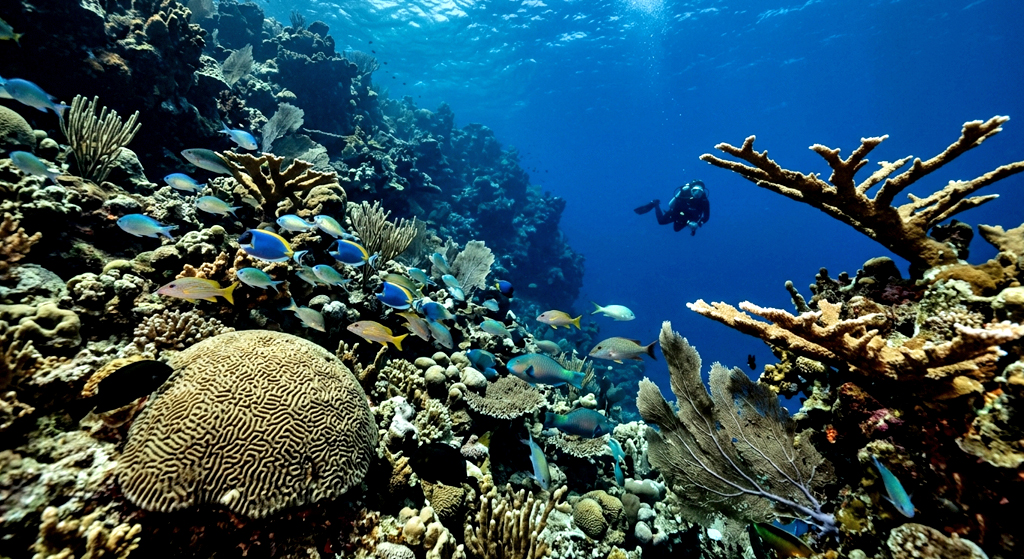
Despite the progress, the reef still faces real pressures: rising sea temperatures contributing to coral bleaching events, occasional overfishing outside protected zones, and the general strain of increasing tourism numbers. Responsible tour operators address this by enforcing group size limits, briefing guests on no-touch policies, and using registered mooring buoys instead of anchors, which can otherwise damage coral structures.
As a visitor, the most meaningful thing you can do is choose operators who visibly follow these practices, use reef-safe sunscreen, and treat marine park fees as a contribution rather than an inconvenience.
Getting there: Most reef access starts from a coastal town or island — Ambergris Caye and Caye Caulker are the most popular jumping-off points, both reachable by a short flight or water taxi from Belize City.
Water conditions: Expect warm, clear Caribbean water most of the year, with July through early fall generally offering calm seas and strong visibility between rain showers.
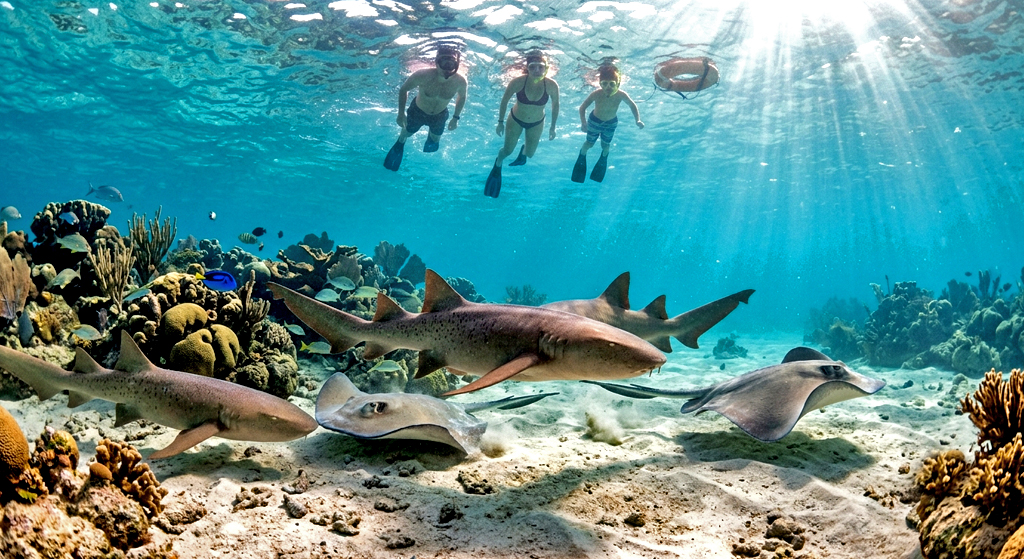
Skill level: Much of the reef is accessible to snorkelers and beginner divers, particularly around Hol Chan and Shark Ray Alley, while sites like the Blue Hole and Glover’s Reef cater more to certified, experienced divers.
Marine life encounters: Nurse sharks, southern stingrays, sea turtles, and a kaleidoscope of reef fish are common sights even on a single afternoon tour.
Costs: Expect to pay a marine reserve entrance fee (often $10–20 USD depending on the site) in addition to your tour price — this is standard practice and funds ongoing conservation.
The Belize Barrier Reef isn’t just a pretty backdrop for vacation photos — it’s a rare ecological success story and one of the most biodiverse marine environments left on the planet. For first-time visitors, a little background on its history and conservation status transforms a simple snorkeling trip into something closer to witnessing a living, still-recovering wonder of the natural world. Whether your first stop is Hol Chan’s shallow channels or the dramatic walls of Glover’s Reef, you’re stepping into an ecosystem worth protecting for generations to come.