Quick Links: About Us - Contact Us
For bookings, call us at +501 677-2900
Quick Links: About Us - Contact Us

Quick Links: About Us - Contact Us
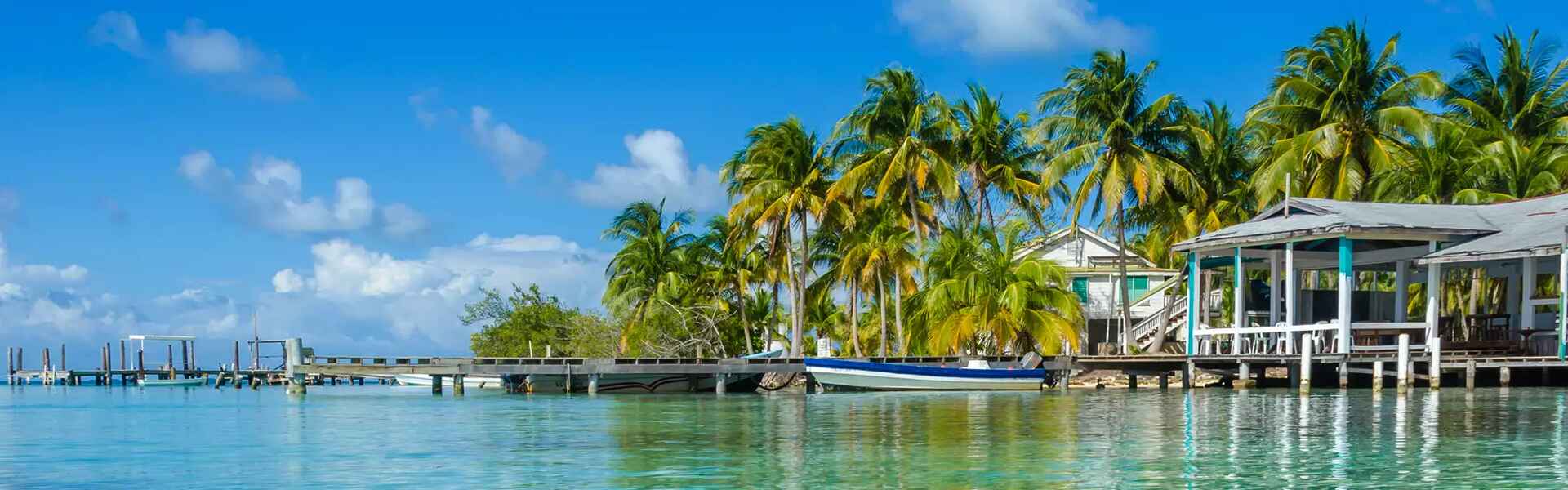

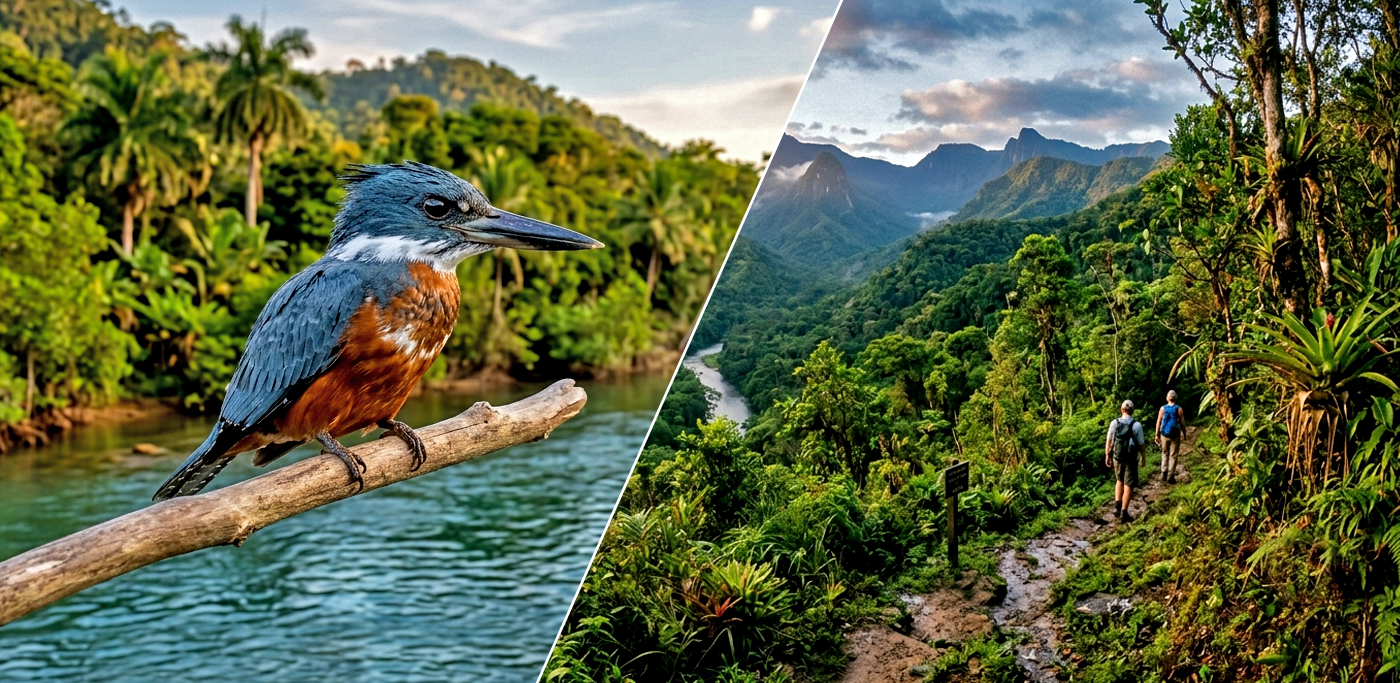
Belize protects an outsized share of its land and water relative to its small size, with roughly a third of its territory under some form of conservation designation. That commitment translates into a genuinely impressive network of wildlife sanctuaries, each protecting different habitats and species. Here’s a guide to the country’s best, along with tips for visiting responsibly.
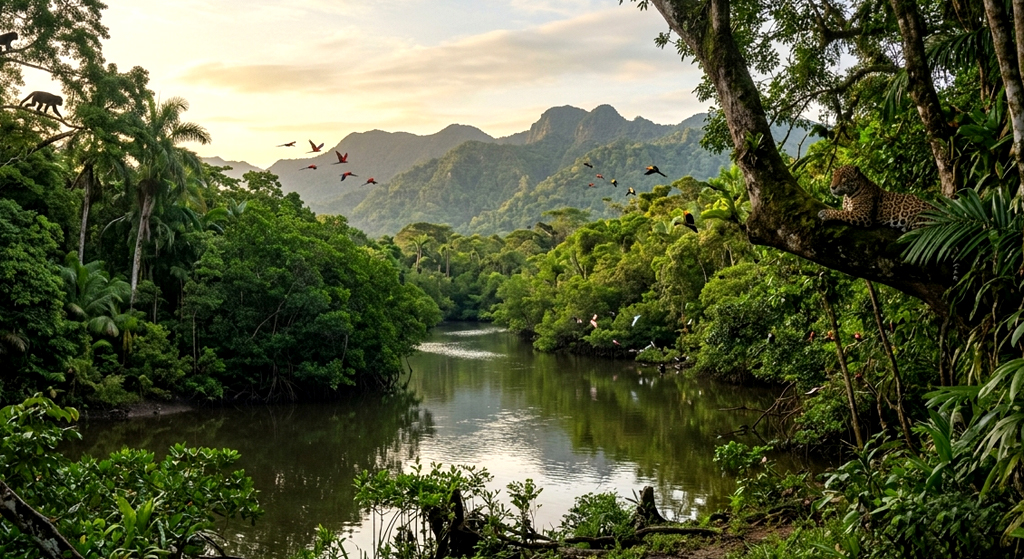
Established in 1986, Cockscomb holds the distinction of being the world’s first jaguar preserve, protecting a substantial swath of rainforest in the Maya Mountains. While jaguar sightings remain rare given the animals’ elusive nature, the sanctuary supports healthy populations of ocelots, pumas, tapirs, and hundreds of bird species. A network of trails ranges from short, easy loops near the visitor center to the demanding multi-day trek up Victoria Peak, Belize’s second-highest mountain. Even without a jaguar sighting, the sanctuary offers some of the country’s richest rainforest hiking.
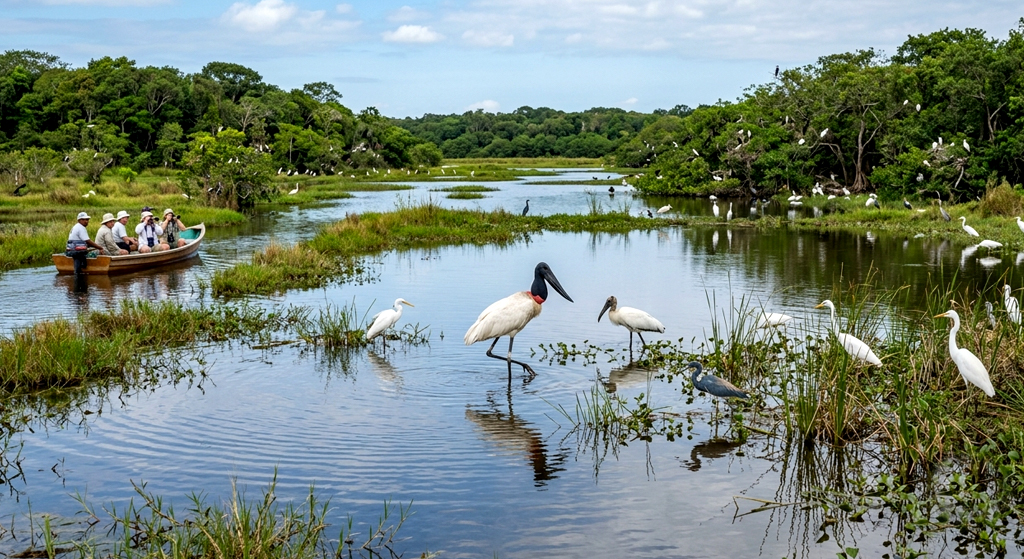
Centered around a network of lagoons, rivers, and seasonal wetlands, Crooked Tree is one of the best places in Belize for bird watching, particularly during the dry season when water levels concentrate wading birds, including the massive jabiru stork, into smaller areas. Boat tours through the wetlands offer a relaxed way to spot herons, kingfishers, and occasionally crocodiles along the water’s edge.
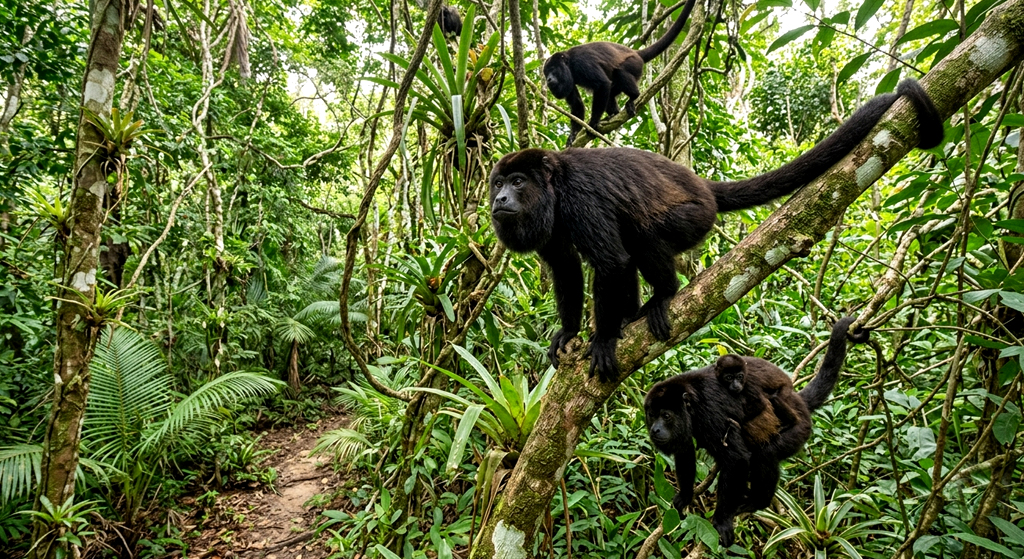
Despite the name, this sanctuary near Bermudian Landing protects black howler monkeys, known locally as “baboons,” through a grassroots conservation model that involves local landowners voluntarily preserving forest corridors on their property. It’s a smaller, more accessible sanctuary than Cockscomb, with short walking trails offering a high likelihood of monkey sightings, making it a good option for travelers with limited time or families with young children.
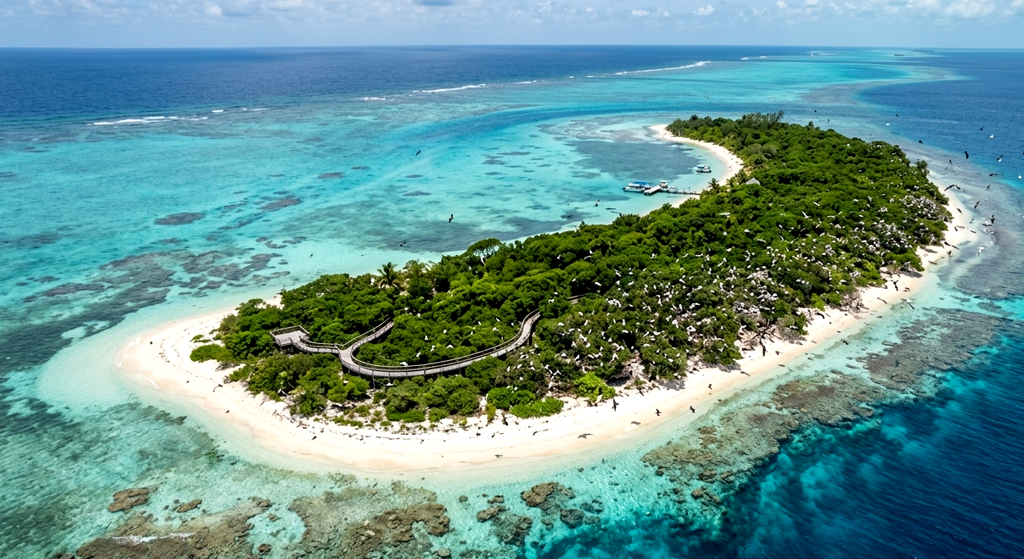
Part of the Belize Barrier Reef’s UNESCO World Heritage designation, Half Moon Caye protects a red-footed booby bird colony alongside its well-known reef wall dive site. A raised wooden walkway allows visitors to observe nesting birds without disturbing their habitat, making it a worthwhile stop for wildlife-focused travelers combining a Blue Hole dive trip with a nature excursion.
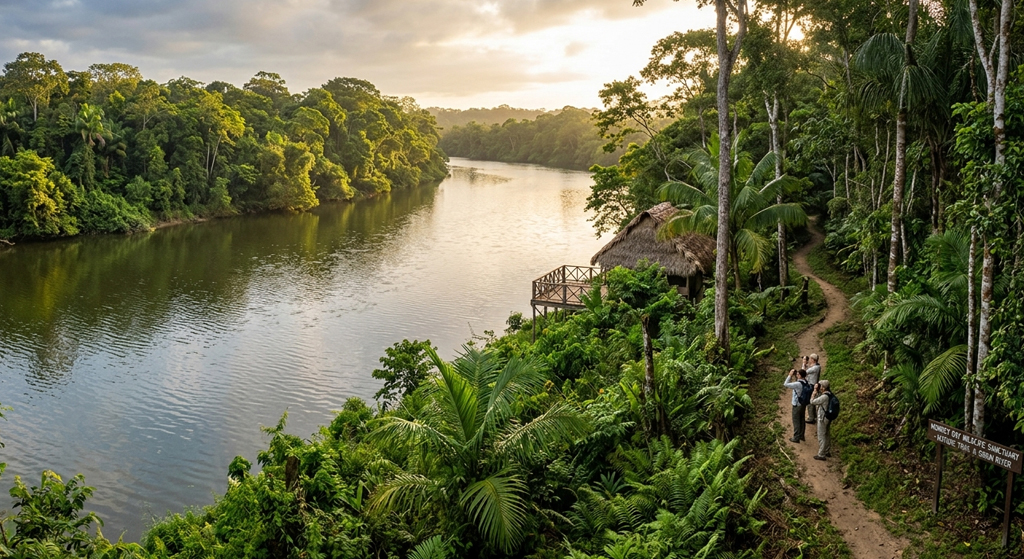
Located along the Sibun River near the Belize Zoo, Monkey Bay combines a working field station with accessible trails through savanna and riparian forest habitats. It’s less structured as a tourist attraction than some other sanctuaries, appealing more to travelers interested in a quieter, less commercialized nature experience, along with opportunities to see researchers’ ongoing conservation work firsthand.
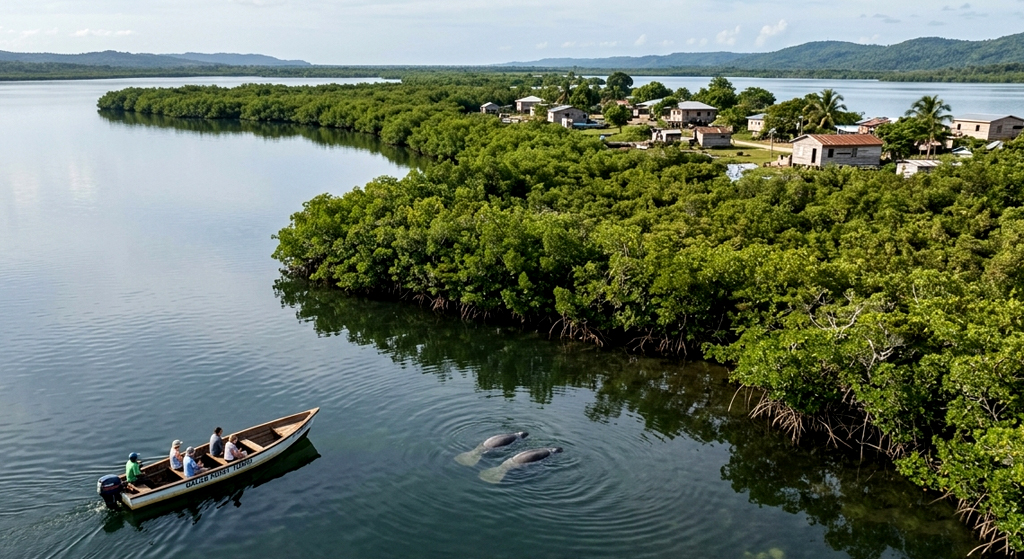
This coastal community sits alongside a protected lagoon known for manatee sightings, alongside nesting sea turtles during certain seasons. Boat tours through the lagoon offer a good chance of spotting West Indian manatees in a calm, low-impact setting, and the nearby village offers an opportunity to see community-based conservation efforts in action.
Located in northern Belize, Shipstern protects a mix of forest, wetland, and lagoon habitats, supporting a wide range of bird species alongside crocodiles and, less commonly, jaguars. It sees far fewer visitors than sanctuaries closer to the coast, making it a good option for travelers seeking a quieter, more remote wildlife experience.
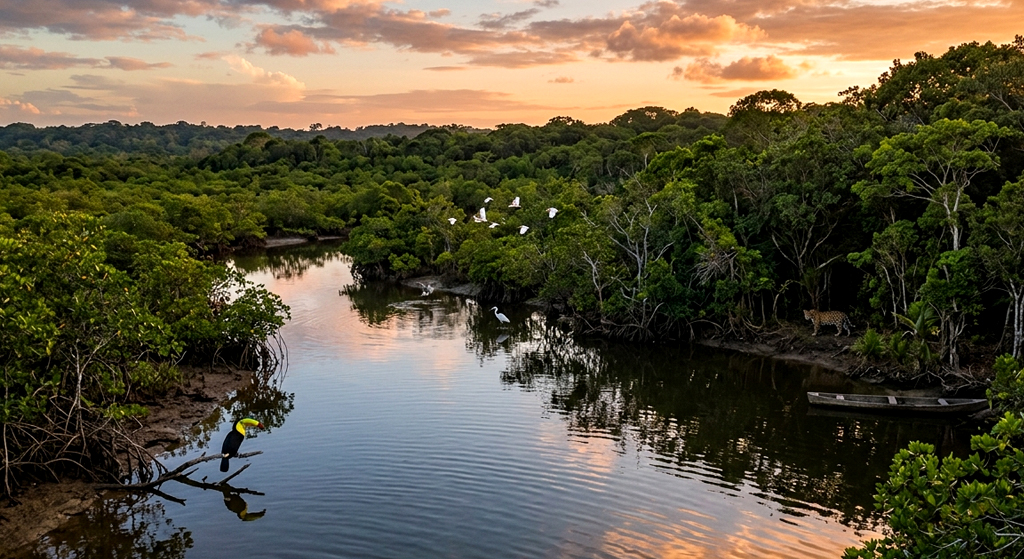
Belize’s sanctuaries generally operate under strict guidelines designed to minimize visitor impact, and a few habits go a long way toward supporting these efforts:
While most sanctuaries are accessible year-round, timing affects what you’re likely to see. Crooked Tree’s bird populations peak during the dry season (roughly February through May) when receding water concentrates wading birds. Cockscomb and other rainforest sanctuaries see increased overall activity during the wetter summer and fall months, when fruiting trees draw in more mammals and birds alike.
Am I likely to see a jaguar at Cockscomb Basin? Sightings are rare given the animals’ elusive, nocturnal nature, but the sanctuary still offers excellent hiking and a good chance of spotting other wildlife like tapirs and numerous bird species.
Which sanctuary is best for a short visit? Community Baboon Sanctuary and Cahal Pech-adjacent sites work well for travelers with limited time, offering high odds of wildlife sightings on relatively short, accessible trails.
Do wildlife sanctuaries in Belize charge entrance fees? Yes, most charge a modest entrance or guide fee, which typically goes directly toward conservation efforts and, in community-run sanctuaries, local income.
Belize’s network of wildlife sanctuaries reflects a broader national commitment to conservation that’s rare among destinations of its size. From the jaguar habitat of Cockscomb Basin to the wetland bird colonies of Crooked Tree, each sanctuary offers a distinct window into the country’s biodiversity. Visiting with a licensed local guide, staying on marked trails, and keeping expectations realistic about wildlife sightings will make for a respectful and rewarding experience at any of these protected spaces.