Quick Links: About Us - Contact Us
For bookings, call us at
+501 677-2900
Quick Links: About Us - Contact Us

Quick Links: About Us - Contact Us


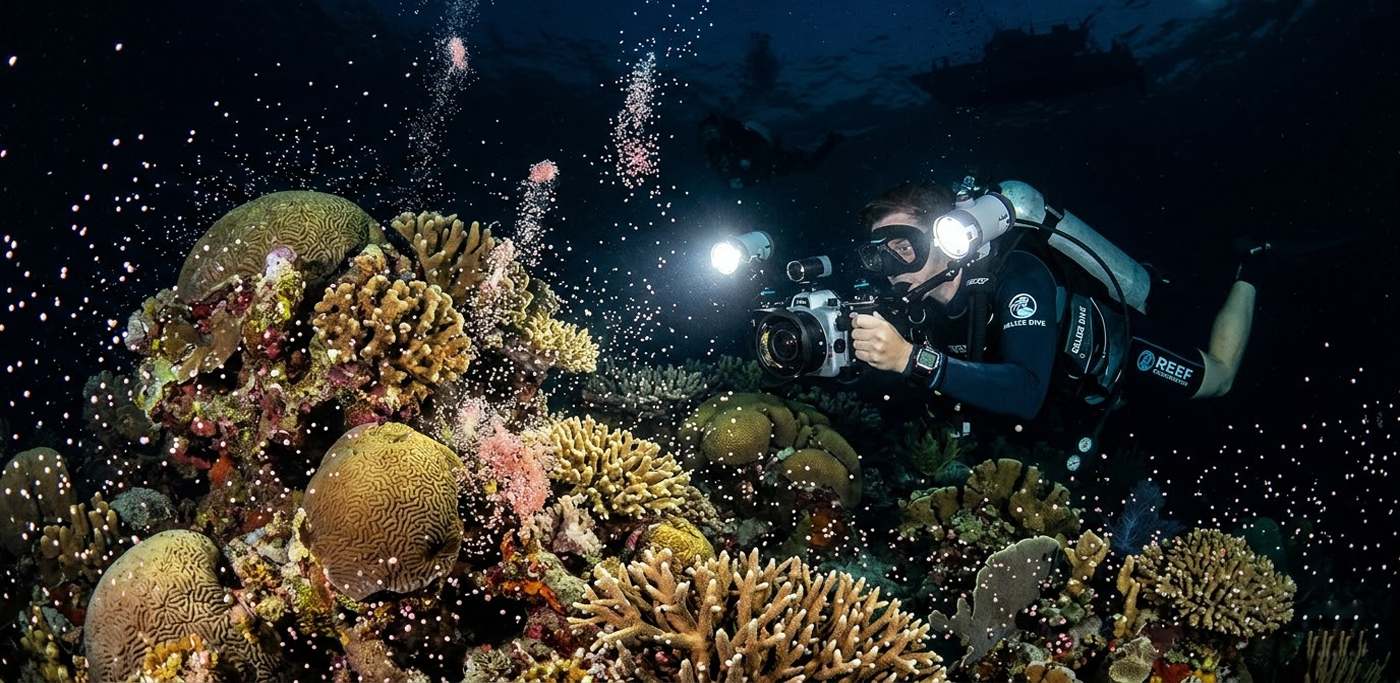
Coral spawning is one of the ocean’s most breathtaking natural events—an underwater spectacle where reefs come alive in a synchronized release of life. For photographers, capturing this rare phenomenon is both a challenge and a privilege. If you’re planning a dive trip to Belize, you’re in one of the best places in the world to witness and document it.
This guide covers everything you need to know about Belize coral spawning photography, from timing and gear to lighting techniques, permits, and ethical practices—so you can capture stunning reef images without harming the ecosystem.
Coral spawning is a reproductive process where corals simultaneously release eggs and sperm into the water column. This usually happens just a few nights each year and is timed with lunar cycles, water temperature, and seasonal changes.
In Belize’s barrier reef—part of the second-largest reef system in the world—this event transforms the underwater environment into a surreal scene filled with floating spawn bundles. For photographers aiming to create a compelling Belize marine life photo, it’s an unmatched opportunity to document a critical ecological process.
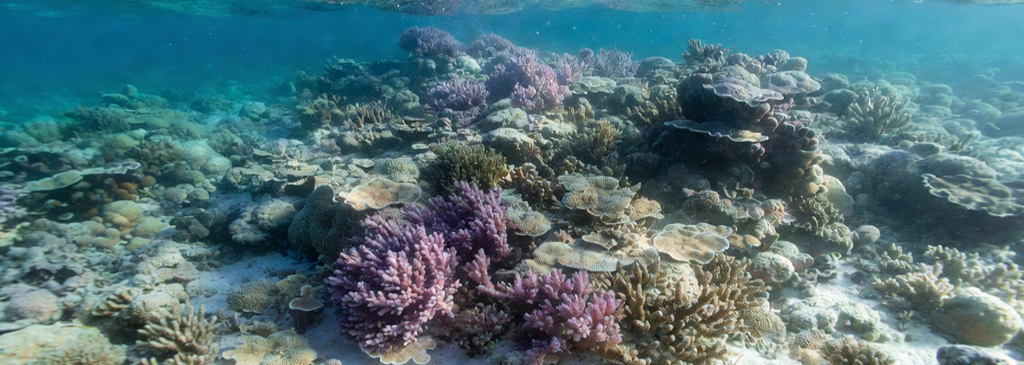
Timing is everything when it comes to photographing coral spawning. In Belize, spawning typically occurs:
Popular locations include:
Each site may have slight variations in timing, so it’s essential to coordinate with local dive operators who monitor spawning predictions closely. Planning your trip around the lunar cycle significantly increases your chances of witnessing this short-lived event, which may last only minutes.
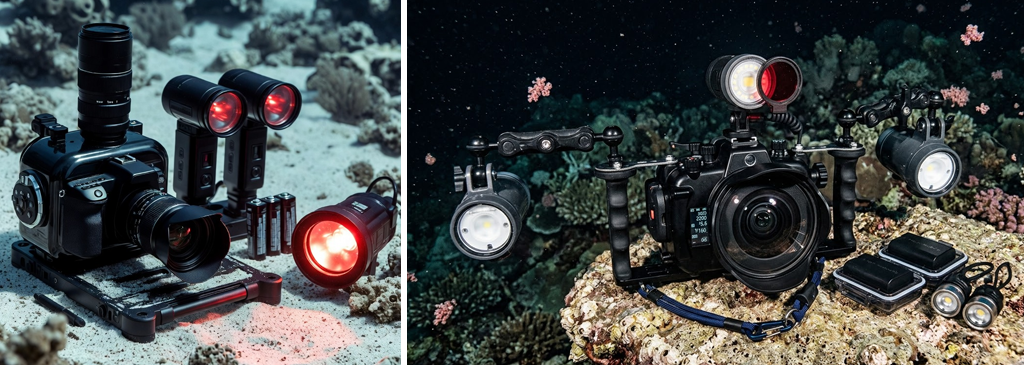
Having the right equipment is crucial for success in low-light underwater environments.
Camera and Lenses – Choose a DSLR or mirrorless camera with strong low-light performance. Wide-angle lenses help capture the broader reef environment, while macro lenses are perfect for close-up shots of spawn bundles.
Underwater Housing – A high-quality underwater housing unit is non-negotiable. Ensure it’s depth-rated and provides easy access to camera controls.
Lighting Equipment – Lighting can make or break your shot:
Accessories
These essentials form the foundation of effective reef photography tips for night shooting.
Capturing coral spawning requires mastering low-light photography underwater.
Autofocus can struggle in dark conditions. Use a focus light to lock focus, then switch it off before capturing the shot to maintain natural behavior.
Great underwater photography is about storytelling as much as technique.
Patience is key—anticipate the moment and be ready when spawning begins.
Belize takes marine conservation seriously, and photographers must follow local regulations.
Protected zones like Hol Chan Marine Reserve have strict guidelines to preserve reef health. Make sure you understand and follow all local rules before entering the water.
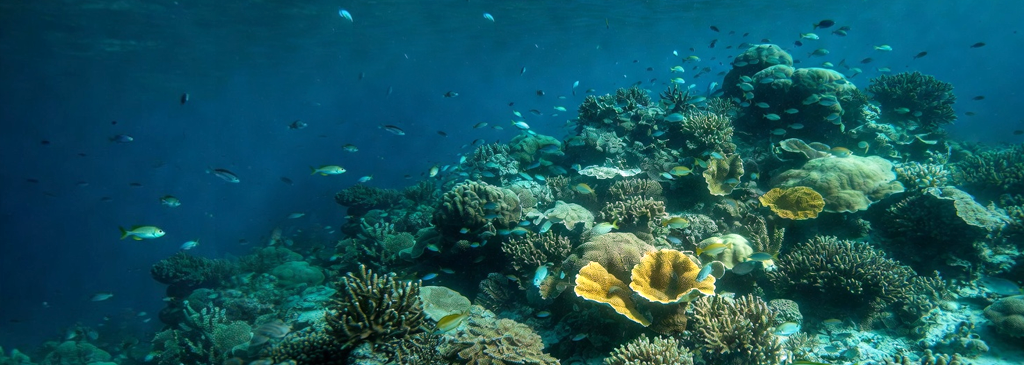
Capturing stunning images should never come at the cost of harming marine ecosystems.
Responsible practices ensure that future photographers can also experience and document Belize’s incredible marine biodiversity.
While Belize offers many excellent dive sites, working with experienced guides can significantly improve your chances of success.
Top areas include:
Local dive operators track spawning cycles and provide valuable insights into timing, positioning, and safety during night dives.
Before heading out on your dive, keep these quick tips in mind:
Photographing coral spawning in Belize is a rare and rewarding experience that combines technical skill with a deep respect for nature. With proper planning, the right gear, and ethical practices, you can capture extraordinary images that showcase one of the ocean’s most fascinating events.
Whether you’re a seasoned underwater photographer or an adventurous beginner, Belize’s reef offers a unique opportunity to witness and document this natural wonder. Take your time, follow the guidelines, and immerse yourself in the magic beneath the surface.