Quick Links: About Us - Contact Us
For bookings, call us at
+501 677-2900
Quick Links: About Us - Contact Us

Quick Links: About Us - Contact Us
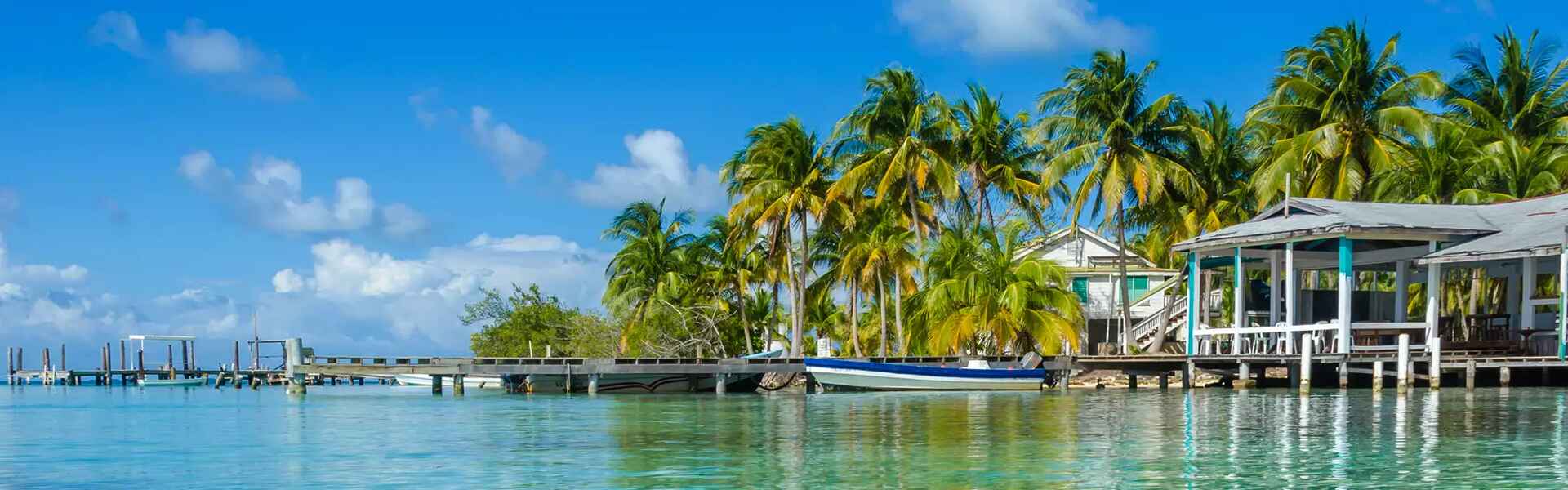


As travelers become more environmentally conscious, Belize continues to stand out as one of the world’s most eco-friendly destinations. Home to the Belize Barrier Reef, vast rainforests, wildlife sanctuaries, and community-led tourism initiatives, Belize makes it possible to travel responsibly without sacrificing comfort or adventure.
If you’re planning a green getaway, this guide will walk you through Belize eco trip planning for 2026, covering everything from choosing eco-lodges and turtle-friendly tours to supporting local communities and protecting fragile marine ecosystems.
Belize has long been a leader in green tourism, with more than 40% of its land under protected status and strong conservation laws safeguarding its reefs, jungles, and wildlife. In 2026, sustainable travel is no longer optional—it’s essential. Belize’s small population, commitment to low-impact tourism, and emphasis on locally owned businesses make it ideal for travelers who want their vacations to have a positive footprint.
Eco-centric travel in Belize means staying in nature-focused accommodations, respecting wildlife, minimizing carbon emissions, and ensuring tourism dollars directly benefit local communities.
Eco-tourism in Belize goes beyond scenic lodges and jungle tours. It focuses on:
True eco-lodges and tour operators actively reduce waste, conserve water and energy, employ local staff, and reinvest in conservation programs. When planning Belize sustainable travel in 2026, it’s important to look past marketing claims and choose businesses with genuine eco-credentials.
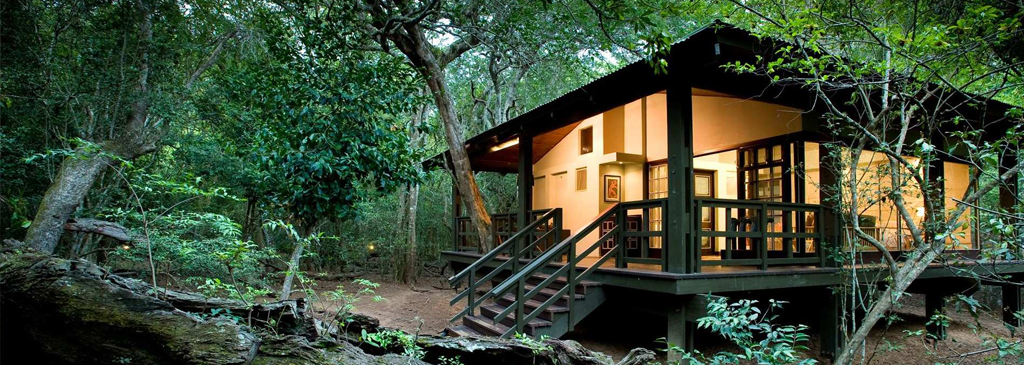
Selecting the right place to stay is one of the most important decisions in Belize eco trip planning.
Look for accommodations that:
Many Belizean lodges hold Green Globe or local sustainability certifications, ensuring responsible operations.
Transportation is often the biggest contributor to travel emissions. While flights to Belize are unavoidable, you can still reduce your impact.
Several conservation organizations allow travelers to offset carbon emissions by supporting:
Carbon offsetting helps balance your footprint while contributing to Belize’s environmental protection goals.
Belize’s marine ecosystems are among the most biodiverse in the Caribbean, and responsible tourism is essential to their survival.
Belize is a nesting ground for green, hawksbill, and loggerhead sea turtles. Choose tour operators that:
Eco-friendly tours may include:
These experiences align perfectly with Belize green tourism principles.
Community tourism ensures that travel benefits go directly to the people who call Belize home.
By choosing community-based lodges and tours, travelers help preserve traditions while supporting sustainable livelihoods.
This approach strengthens Belize’s local economy and reduces environmental impact.
Packing thoughtfully is a simple way to reduce waste while traveling.
Avoid bringing disposable plastics and opt for products that can be reused throughout your trip.
Protecting the Belize Barrier Reef is a national priority, and reef-safe sunscreen is essential.
Many conventional sunscreens contain chemicals like oxybenzone and octinoxate, which damage coral reefs and marine life.
You can purchase reef-safe sunscreen at:
While sunscreen is widely available, bringing certified reef-safe options from home ensures you’re prepared from day one.
Sustainable travel doesn’t stop once you arrive.
These small actions collectively protect Belize’s natural and cultural heritage.
For eco-travelers, the shoulder months (May, June, and November) offer a balance of good weather and lower environmental pressure.
Planning an eco-centric trip to Belize in 2026 is about making conscious choices that protect the country’s reefs, rainforests, and communities. From choosing eco-lodges and carbon offsetting to supporting local villages and using reef-safe sunscreen, every decision matters.
By traveling responsibly, you help ensure that Belize remains one of the world’s most beautiful and sustainable destinations for generations to come.