Belize has built much of its tourism identity around sustainability, and its eco-lodge scene reflects that commitment more thoroughly than in many other Central American destinations. From solar-powered jungle retreats to community-run coastal properties, here’s a look at some of the country’s standout options for travelers who want their accommodation to align with the country’s conservation ethos.
What Makes a Lodge "Eco" in Belize
Genuine eco-lodges in Belize typically distinguish themselves through a combination of practices: solar or low-impact power systems, water conservation measures, locally sourced food, employment of nearby community members, and direct financial contributions to conservation or research initiatives. It’s worth asking specifically about these practices when booking, since “eco” branding is sometimes used loosely without much substance behind it.
Chan Chich Lodge
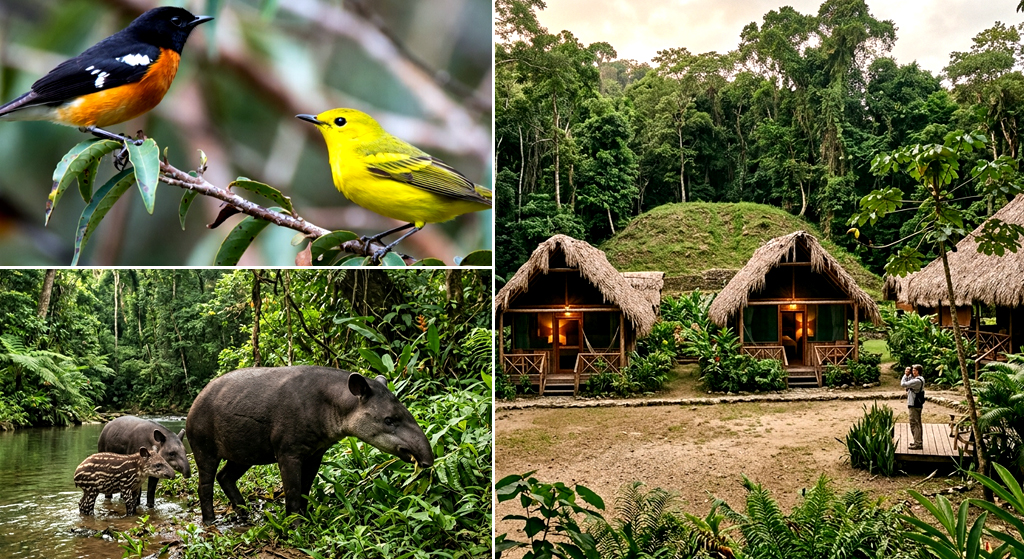
Set within a private 130,000-acre reserve in northwestern Belize, Chan Chich is built around the plaza of an unexcavated Maya archaeological site, offering guests a rare combination of wildlife viewing, birding, and cultural history within a single property. The surrounding forest supports healthy populations of jaguars, tapirs, and hundreds of bird species, and the lodge has built a strong reputation among serious birders and wildlife photographers for its remote, minimally disturbed habitat.
Cotton Tree Lodge
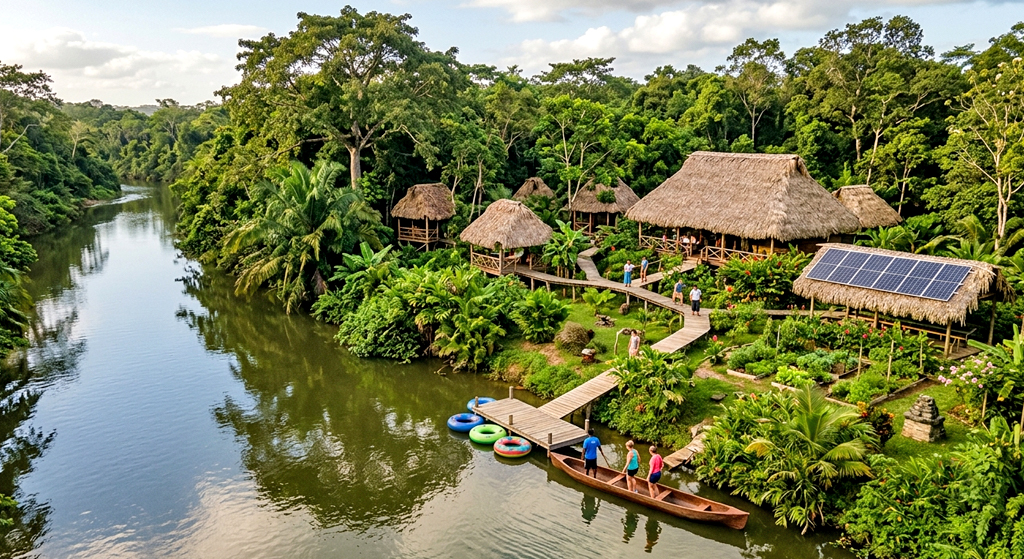
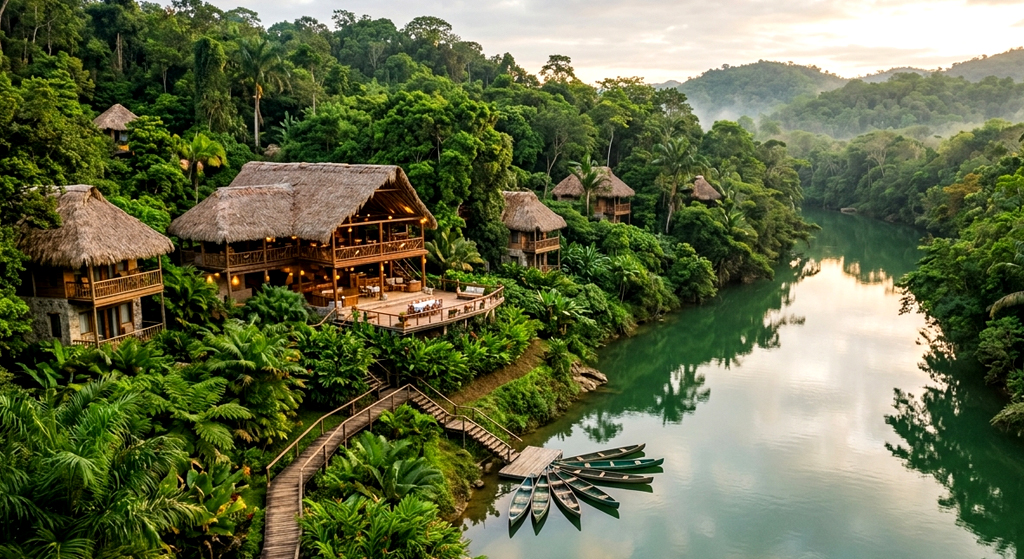
Located in the Toledo District along the Moho River, Cotton Tree Lodge emphasizes community partnership, sourcing food from local farms and employing residents from nearby Maya villages. The property runs on a mix of solar power and sustainable building practices, and its jungle setting offers direct access to river tubing, cacao farm visits, and nearby Maya ruins.
Table Rock Jungle Lodge
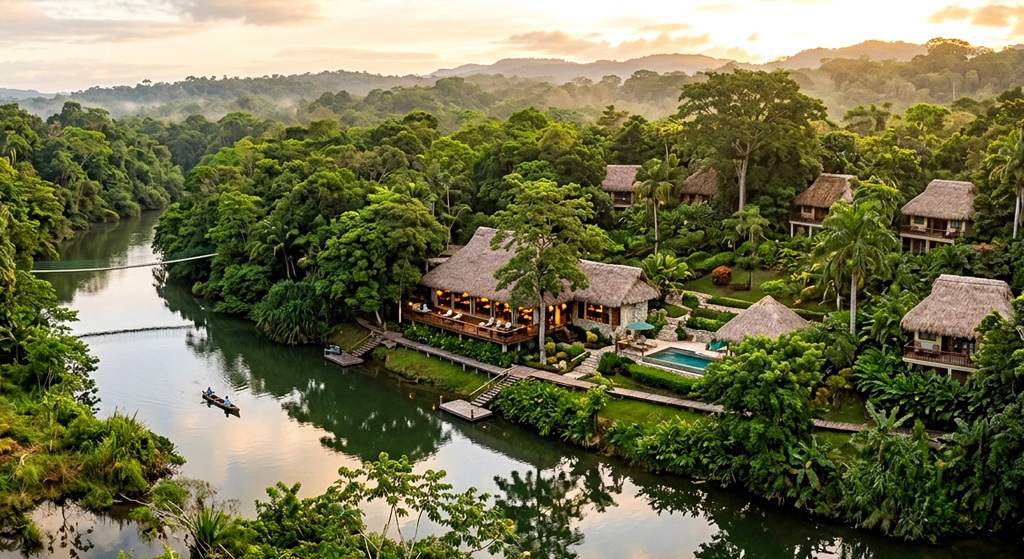
Situated along the Macal River near San Ignacio, Table Rock combines an organic farm-to-table dining program with a strong focus on renewable energy and water conservation. Its riverside setting makes it a convenient base for exploring Mountain Pine Ridge waterfalls, Xunantunich ruins, and cave tubing excursions, all within a reasonable drive.
Chaa Creek
One of Belize’s longest-running eco-resorts, Chaa Creek sits on a 400-acre private nature reserve along the Macal River and has built an extensive track record of conservation initiatives, including a natural history museum and ongoing habitat restoration projects on its grounds. The property offers a range of accommodation styles, from simpler casitas to more upscale suites, making it accessible across different budget levels while maintaining its sustainability focus.
Blancaneaux Lodge
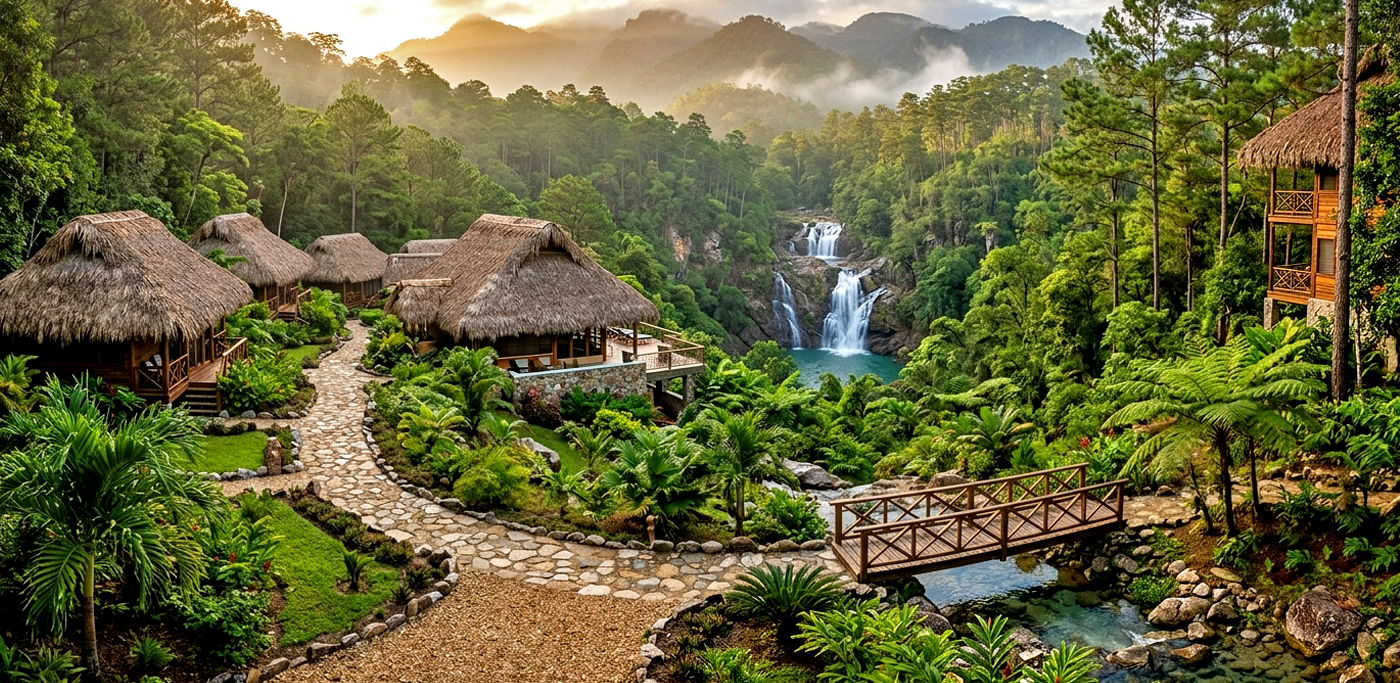
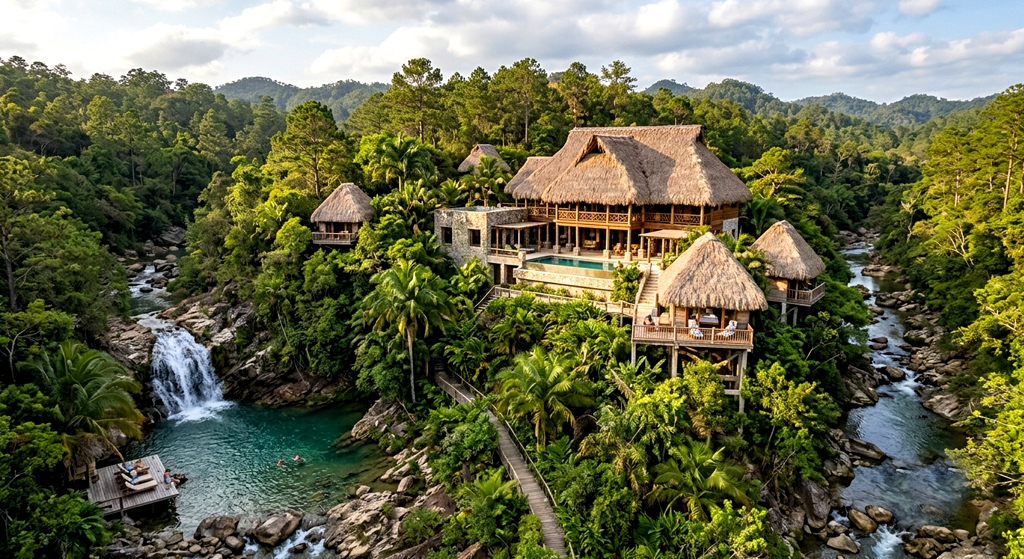
Located deep within Mountain Pine Ridge Forest Reserve, this property blends upscale accommodations with a genuinely remote jungle setting, offering direct access to waterfalls and pine forest hiking without the need for extensive day-trip driving. Its higher price point reflects a more luxury-oriented eco-experience compared to some of Belize’s more rustic options.
Coastal and Island Eco-Options
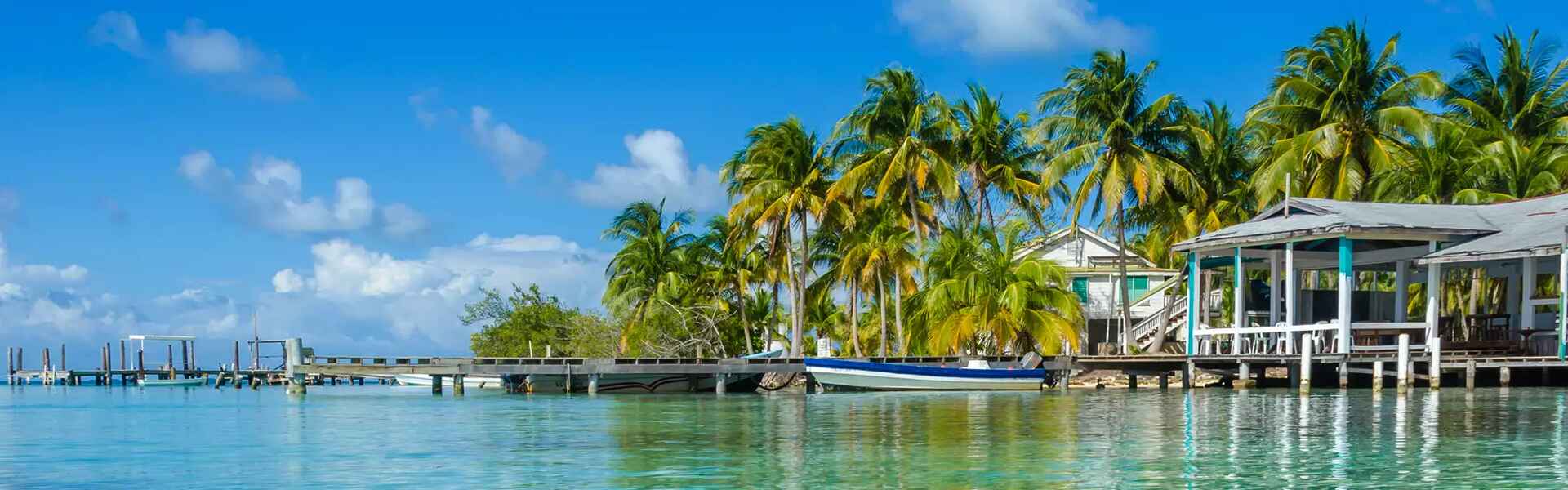
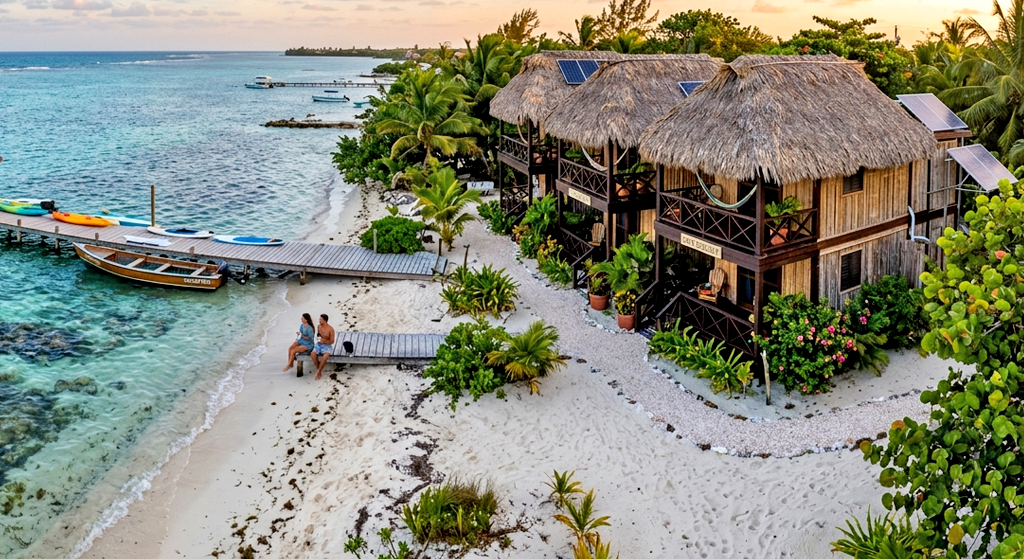
While much of Belize’s eco-lodge scene centers on inland jungle properties, coastal options exist as well, particularly smaller, locally owned guesthouses on Caye Caulker and in the Placencia area that emphasize solar power, water conservation, and support for local reef conservation initiatives. These tend to be smaller-scale than the jungle lodges but offer a similar values-aligned option for travelers focused on coastal and reef-based activities.
Questions Worth Asking Before Booking
What percentage of staff are hired locally? Genuine community investment is one of the clearest markers of a lodge’s sustainability commitment.
How is water sourced and managed? Many jungle lodges rely on rainwater collection or river-sourced, filtered water systems.
Where does the food come from? On-site organic farms or partnerships with nearby local farms are common at genuinely sustainable properties.
What conservation initiatives does the property support? Some lodges directly fund research stations, reforestation projects, or wildlife monitoring programs on their land.
What’s the power source? Solar power is increasingly common among Belize’s more remote jungle lodges, given the practical challenges of grid access.
Building an Eco-Lodge Itinerary
Many travelers combine an inland eco-lodge stay (typically two to four nights near San Ignacio or the Toledo District) with a coastal stint on Ambergris Caye or Caye Caulker, splitting a trip between jungle-based activities like cave tubing, waterfall hikes, and ruins visits, and coastal reef excursions. This split allows for a genuinely varied experience of Belize’s ecosystems while supporting sustainability-focused properties on both sides of the trip.
Final Thoughts
Belize’s eco-lodge scene offers a genuine range of options, from remote, wildlife-rich properties like Chan Chich to community-partnered riverside lodges like Cotton Tree. Choosing a property that backs up its “eco” branding with real practices — solar power, local employment, sustainable water use — not only enhances the authenticity of your stay but directly supports the conservation efforts that have made Belize one of the region’s most ecologically intact destinations.