Quick Links: About Us - Contact Us
For bookings, call us at
+501 677-2900
Quick Links: About Us - Contact Us

Quick Links: About Us - Contact Us

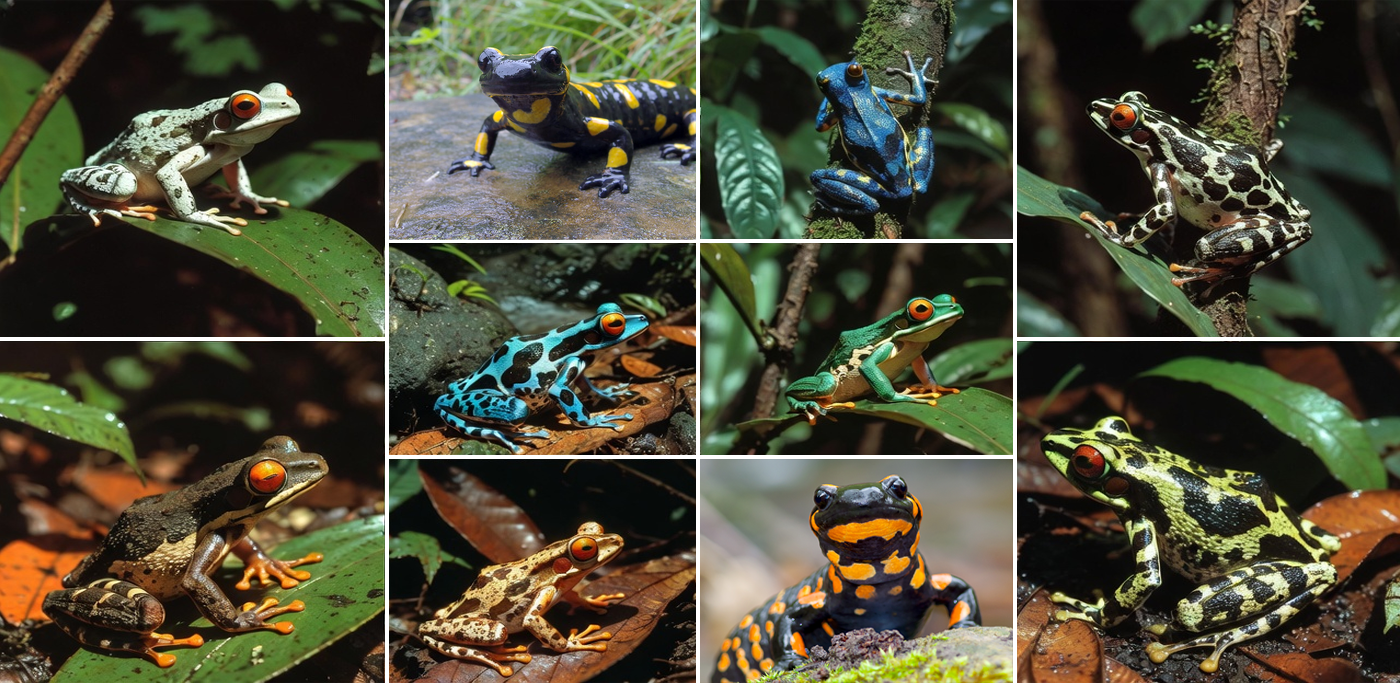
Belize is widely celebrated for jaguars, reef fish, and colorful birds—but hidden beneath leaves, along stream banks, and among mossy forest floors lies another fascinating side of the country’s biodiversity: amphibians. Frogs and salamanders may be small, but they play a big role in Belize’s ecosystems and offer memorable encounters for nature-loving travelers.
February, right in the heart of the dry season, is an excellent time to experience this lesser-known wildlife. Trails are easier to access, humidity is manageable, and amphibians remain active in shaded forests and near water sources. If you’re interested in Belize Feb wildlife, this guide highlights the amphibians you can spot now, where to find them, the best times to look, and how to observe them responsibly.
February falls within Belize’s dry season, typically running from January through April. While amphibians are often associated with heavy rains, many species remain active year-round, especially in Belize’s humid forest environments.
During February, streams continue to flow in forest reserves, leaf litter retains moisture, and shaded areas stay cool—perfect conditions for frogs and salamanders. The dry season also means:
For travelers interested in Belize amphibians, February month offers a balance between accessibility and biodiversity, without the crowds that peak later in the season.
Belize’s forests create ideal microhabitats for amphibians, even during drier months. Knowing where to look greatly increases your chances of spotting them.
Lowland Rainforests – These forests maintain high humidity throughout the year. Amphibians shelter under fallen leaves, logs, and roots, especially near creeks and seasonal streams.
Upland and Mountain Forests – Cooler temperatures and moss-covered surfaces make higher elevations excellent for salamanders, which prefer consistently moist environments.
Protected Areas Worth Exploring – Some of the best amphibian encounters happen in well-preserved reserves such as Cockscomb Basin Wildlife Sanctuary, the forested slopes of the Maya Mountains, and the remote wilderness of the Chiquibul Forest Reserve. These locations protect vital habitats and often offer guided nature walks.
Frogs are the most commonly seen amphibians in Belize and often the easiest to hear. Their calls echo through the forest after sunset, especially near water.
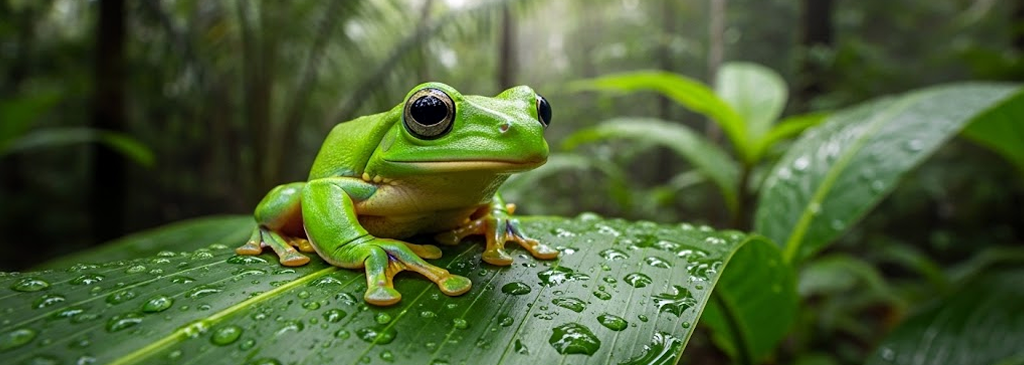
Tree frogs are among the most noticeable amphibians in Belize. They are often found clinging to leaves, branches, and vines near streams or forest edges. Many species have large eyes, sticky toe pads, and colors ranging from bright green to mottled browns. February evenings are ideal for spotting them as they emerge to feed and call. A flashlight scan along low vegetation can reveal their reflective eyes.
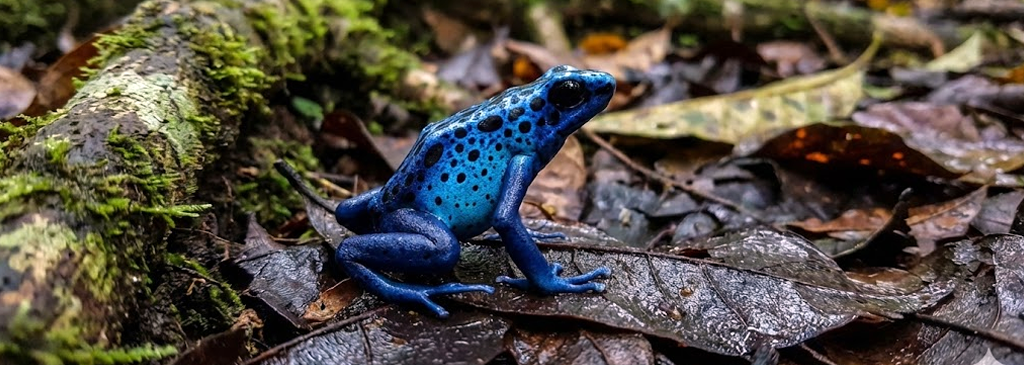
Belize is home to several small, brilliantly colored poison dart frogs. Despite their name, they are not aggressive, but their skin is highly sensitive. These frogs are usually found on the forest floor, hopping among leaf litter or resting near roots. Their colors serve as a warning to predators and make them a favorite among wildlife photographers. Never touch these frogs, as human skin oils and chemicals can harm them.
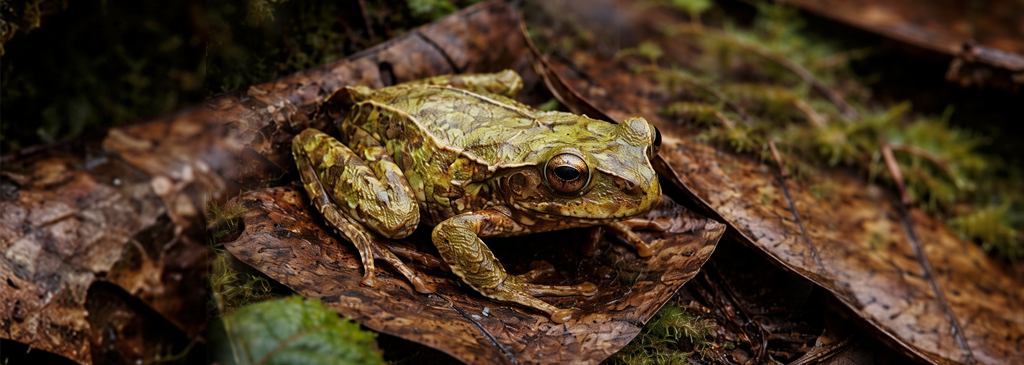
Some frogs blend almost perfectly with their surroundings. Leaf frogs resemble dead leaves or bark, making them difficult to spot without a trained eye. Local guides often identify them by sound before locating them visually. Together, these frogs represent a major highlight of Belize biodiversity dry season exploration.
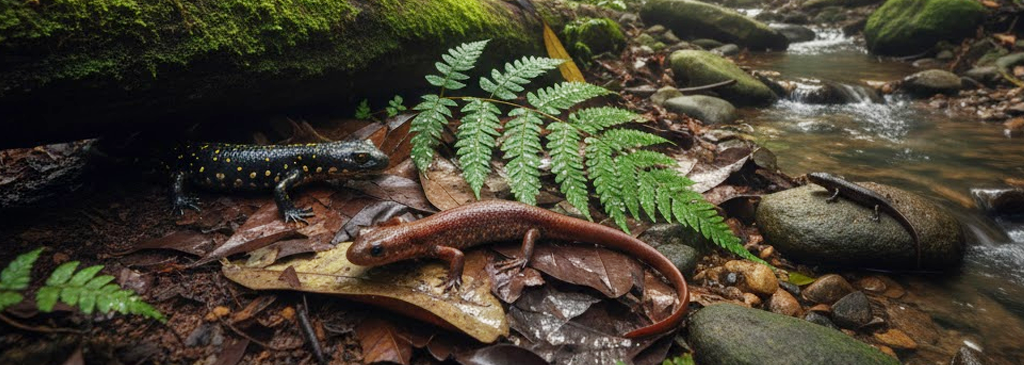
Salamanders are less commonly seen than frogs, but Belize hosts several fascinating species, particularly in forested and mountainous regions. Unlike frogs, salamanders are generally silent, making them harder to detect.
They are typically found:
February can still be productive for salamander sightings because moisture lingers in protected forest environments. Most sightings occur during night walks or early mornings, especially after dew forms.
Salamanders play an essential ecological role by controlling insect populations and serving as indicators of forest health. Spotting one is often considered a special moment for wildlife enthusiasts.
Timing matters when searching for amphibians in Belize.
Early Evening (6:00–8:00 PM) – Frogs begin calling and moving as temperatures cool. This is an excellent time for casual observation near lodges or forest edges.
Night Walks (After 8:00 PM) – The most productive time for amphibian spotting. Tree frogs, poison dart frogs, and salamanders are most active during full darkness.
Early Morning – Occasional sightings occur near streams or shaded forest floors, especially after humid nights.
Guided night walks significantly improve your chances, as guides know where amphibians hide and how to spot them safely.
Hiring a local guide enhances both safety and success when searching for amphibians. Experienced guides can:
Guided tours also support local communities and conservation efforts, aligning perfectly with Belize’s eco-tourism values.
Do Not Touch Amphibians – Amphibians absorb substances through their skin. Sunscreen, insect repellent, and natural oils from human hands can cause serious harm.
Use Dim or Red Light – Bright white lights can stress amphibians. Red or low-intensity lights are less disruptive.
Stay on Trails – Stepping off trails can damage fragile habitats and disturb hidden wildlife.
Follow Leave No Trace Principles – Observe quietly, avoid flash photography when possible, and never remove wildlife from its environment.
Responsible behavior ensures that future visitors can enjoy the same experiences.
Belize is a global leader in conservation and sustainable tourism. By choosing ethical tours, respecting wildlife, and supporting protected areas, travelers help preserve habitats that amphibians depend on.
Whether you’re exploring rainforests, mountain trails, or remote reserves, responsible tourism protects the delicate balance that makes Belize such a biodiversity hotspot.
Frogs and salamanders may not be the first animals that come to mind when planning a Belize trip, but they offer a unique window into the country’s rich natural heritage. February’s dry season provides comfortable conditions, accessible forests, and excellent opportunities for amphibian encounters.
By exploring with patience, respect, and local guidance, you can add a meaningful and memorable wildlife experience to your Belize adventure—one that highlights the quieter, often overlooked side of Belize wildlife.