Quick Links: About Us - Contact Us
For bookings, call us at
+501 677-2900
Quick Links: About Us - Contact Us

Quick Links: About Us - Contact Us
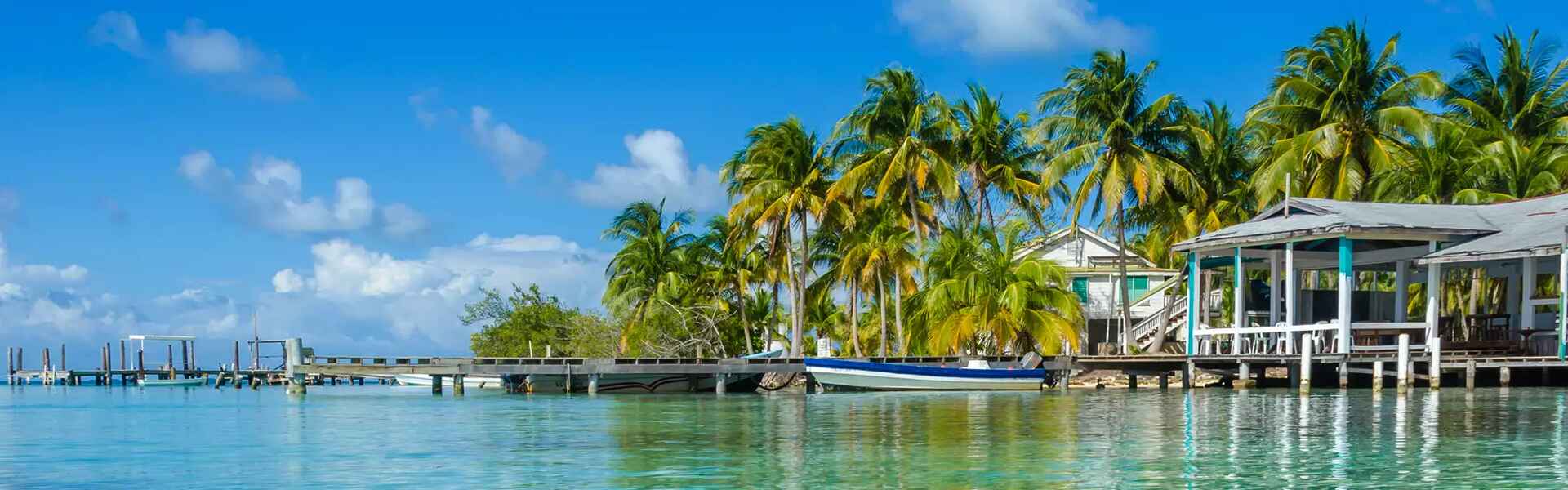

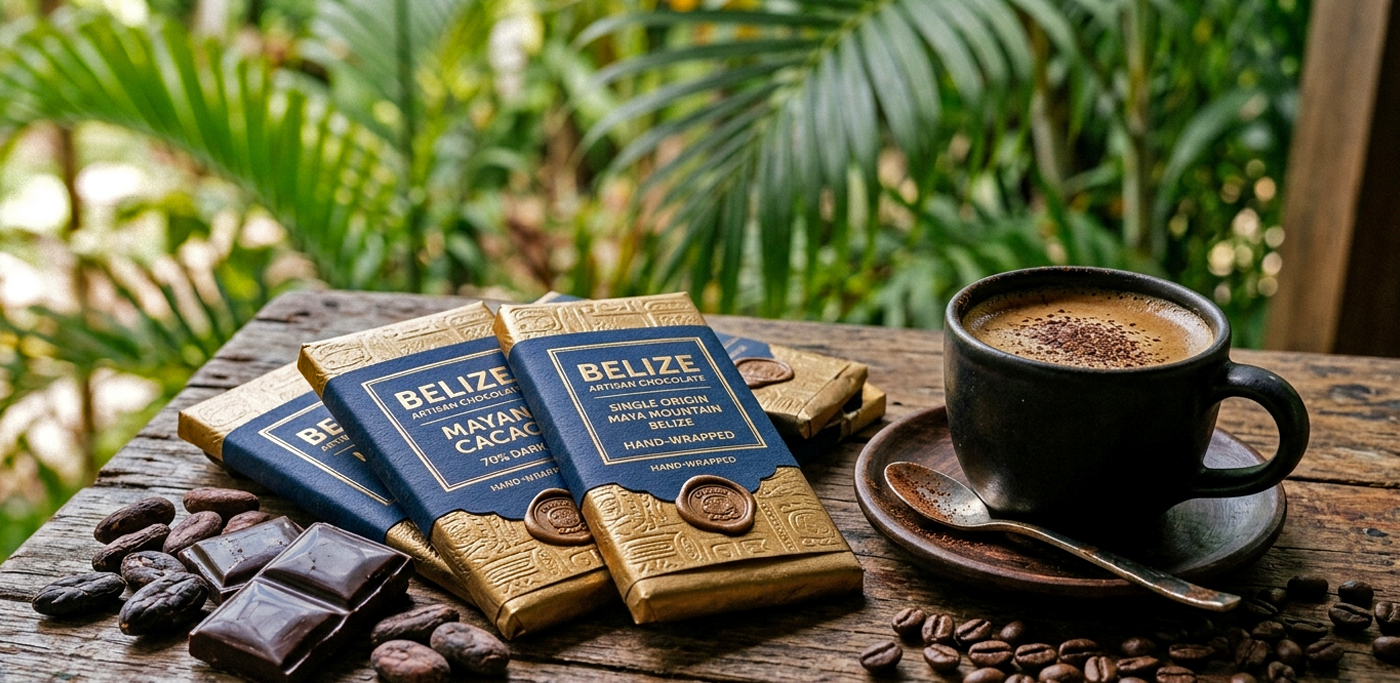
Belize produces some of the finest cacao in the world. The country’s southern Toledo District—its soils and climate shaped by the Maya Mountains—has been cultivating cacao for over 3,000 years, and the Mayan tradition of cacao as sacred food continues in the region’s extraordinary artisan chocolate producers. Combined with the growing Belizean specialty coffee scene, morning agro-tourism tours centered on coffee and chocolate have emerged as one of the country’s most sensory and educational travel experiences.
April is an excellent month for these tours. The early rains revitalize the cacao and coffee plantations, bringing new leaf growth and the first signs of the season’s flowering. Morning air temperatures are ideal—warm but not yet hot—and the sensory experience of walking through a cacao grove in morning mist, with the fragrance of fermenting cacao and wet earth in the air, is genuinely extraordinary.
The ancient Maya didn’t just grow cacao—they invented chocolate as a civilizational product. Cacao (Theobroma cacao, meaning “food of the gods” in Linnaeus’s taxonomy, itself derived from Maya terminology) was a form of currency, a sacred beverage used in religious ceremony, and a fundamental element of Maya cosmology. The Toledo District of southern Belize sits within the original geographic range of cacao cultivation, and several Maya farming families here maintain traditions of cacao growing that have been unbroken for generations.
Modern Belizean chocolate producers build on this heritage with serious contemporary craft. Cotton Tree Chocolate in Punta Gorda and the Belize Chocolate Company in San Pedro and Belize City are the country’s most acclaimed artisan producers, using direct trade relationships with local cacao farmers and traditional small-batch processing techniques.
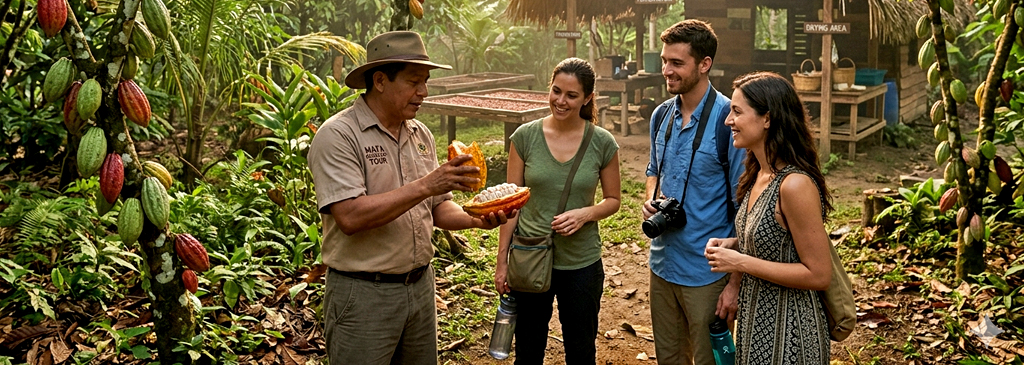
Cotton Tree Chocolate is widely regarded as Belize’s finest artisan chocolate producer, and their farm-to-bar experience in Punta Gorda is one of the country’s most educational and delicious agro-tourism offerings. The half-day tour takes visitors through a working cacao plantation, explaining the growing, harvesting, fermenting, and drying processes before moving to the production facility for a demonstration of stone grinding, conching, and chocolate-bar formation.
The tasting component is extraordinary—comparing the flavor profiles of cacao from different farms and processing methods reveals the terroir complexity that makes Belizean cacao globally distinctive. Dark chocolate made from Toledo cacao has tasting notes that range from red fruit and floral to earthy, woodsy, and intensely complex in ways that mass-produced chocolate never achieves.
Tour cost: Approximately USD 35–50 per person, including all tastings. Advance booking is required; contact Cotton Tree Chocolate directly for April availability. The tour is most rewarding with a small group (under 10 participants) and pairs beautifully with a Punta Gorda Seafood Festival visit in late March/early April.
For travelers based on Ambergris Caye, the Belize Chocolate Company’s San Pedro tasting room and tour offers a more accessible introduction to Belizean artisan chocolate. The in-store experience includes guided tastings of their full chocolate range, an explanation of the bean-to-bar process, and the opportunity to create your own custom chocolate bar with local ingredients (sea salt, cinnamon, dried tropical fruits).
This is a shorter, lighter experience than the Cotton Tree farm tour—more suitable for an hour-long morning activity than a half-day excursion—but the product quality is exceptional. Their 70% dark chocolate bar using Toledo cacao is genuinely world-class and makes an excellent souvenir.
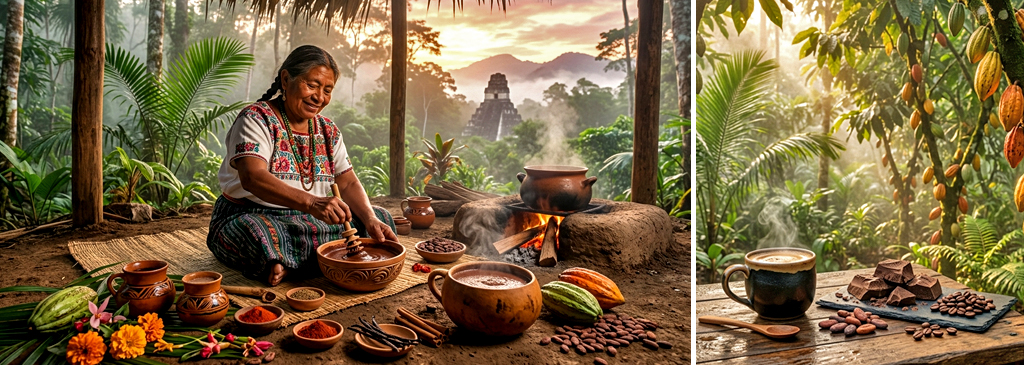
The Ix Chel Farm near San Ignacio offers a profoundly educational morning tour that covers both cacao’s role in Maya traditional medicine and its cultivation alongside other medicinal plants. The tour includes a traditional Maya cacao ceremony—preparation of a traditionally spiced cacao drink in the ancient method, with chili, achiote, and local honey rather than sugar—which is a genuinely moving cultural experience.
While Belize is not yet the coffee origin country that Guatemala or Honduras are, a small but passionate specialty coffee scene is developing in the Mountain Pine Ridge area and among a handful of Toledo District small farmers. Several Mountain Pine Ridge farms grow shade-grown specialty coffee at elevation, and morning tours that combine coffee and cacao exploration are becoming available through eco-lodges in the Cayo District. Ask your accommodation provider about current coffee tour options—this scene is developing rapidly and new offerings appear regularly.
Coffee and chocolate tours in Belize offer a unique way to start your day while learning about local traditions and production methods. These experiences go beyond tasting—they provide insight into the country’s agricultural heritage and cultural roots. It’s a relaxed yet enriching activity that adds depth to your trip. Including one of these tours in your itinerary brings both flavor and meaning to your travel experience.