Quick Links: About Us - Contact Us
For bookings, call us at
+501 677-2900
Quick Links: About Us - Contact Us

Quick Links: About Us - Contact Us
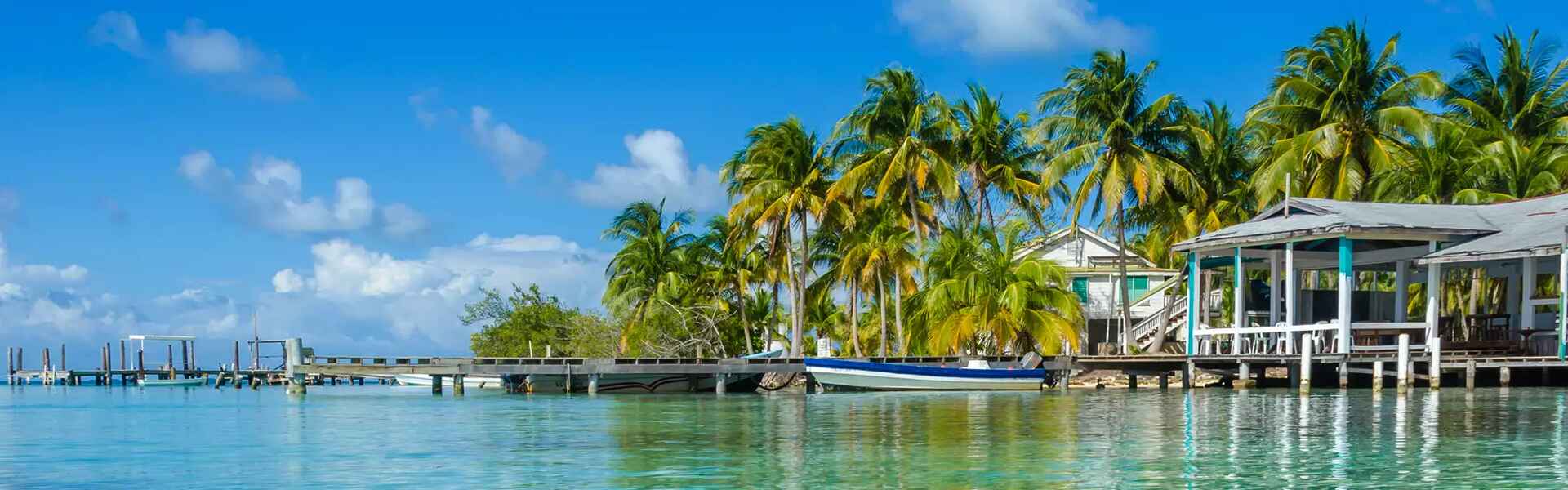


April in Belize presents travelers with a genuinely interesting strategic question: do you lean into the jungle’s intensifying drama as the first rains arrive, or focus on the reef while conditions are still predominantly excellent? The honest answer is that April is complex in the most rewarding way; both environments offer genuinely extraordinary experiences, but they’re at different points in their seasonal cycle, and choosing between them (or smartly combining them) depends on your priorities.
April is the final month of Belize’s reliably excellent diving and snorkeling window before wet-season conditions begin to introduce variability. The first half of April—particularly the first two weeks—delivers conditions very similar to the peak dry season: calm surface conditions, water temperatures of 80°F (27°C), and visibility at barrier reef sites of 20–30 meters. The Hol Chan Marine Reserve and Shark Ray Alley snorkel sites continue to deliver world-class experiences with nurse sharks, stingrays, and brilliant reef fish.
The second half of April introduces occasional variability. Increased winds can roughen surface conditions on certain days, and brief rain events can temporarily reduce visibility at inshore sites (though outer atoll sites like Turneffe and Lighthouse Reef maintain better visibility more consistently). Dive operators are experienced with April conditions and will advise on the best sites on any given day.
Pros of focusing on the reef in April: Still reliably good diving and snorkeling conditions in the first half; fewer boats at popular sites than March; warm water; excellent price availability for dive accommodation on the cayes.
Cons: Second-half April introduces variability; some rough-day cancellations are possible; reef conditions are not dramatically superior to the jungle’s April appeal.
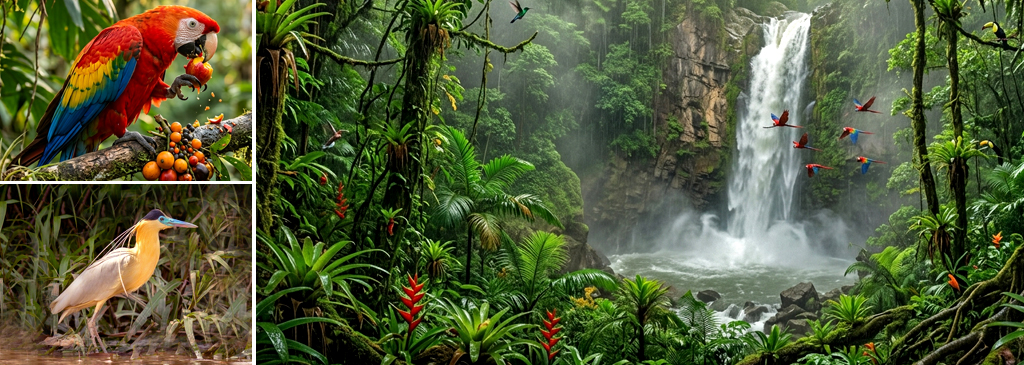
April’s jungle is arguably more impressive than the dry-season jungle that peak-season visitors experience. The early rains trigger an explosion of growth and color—the green deepens dramatically, waterfalls swell, and the soundscape becomes dramatically richer as frogs, insects, and birds respond to moisture with increased vocal activity. Wildlife actually becomes easier to spot in some respects: dry-season water sources that spread out over the rainy season still retain their concentrations in early April, while the increased vegetation and wildlife activity amplify the sense of biological abundance.
The Cockscomb Basin Wildlife Sanctuary, Mountain Pine Ridge, and Chaa Creek Nature Reserve are all at their most dramatically beautiful in April’s transitional conditions. Jaguar-spotting probability remains consistent (nighttime spotting tours produce the best results year-round), and daytime wildlife encounters with tapirs, coatis, and extraordinary bird diversity are excellent.
Pros of focusing on the jungle in April: Dramatically beautiful landscapes; swollen waterfalls; excellent wildlife activity; lower tourism numbers than peak season; lush photography conditions.
Cons: Some unpaved roads become temporarily challenging after heavy rain; outdoor hiking requires rain gear; mosquito activity begins to increase with rising humidity.
The wisest April approach for most travelers combines both environments within the same trip, front-loading reef activities when conditions are most reliable and shifting toward jungle experiences in the latter part of the trip or during weather windows that favor each environment.
A practical 10-day hybrid itinerary:
This itinerary puts reef activities first (when April conditions are most reliable) and jungle activities second (when increasing moisture enhances the experience rather than challenging logistics). The 4/5 split can be adjusted based on weather forecasts and personal preferences.
April’s variable nature makes weather monitoring more useful than in the reliably dry peak months. The Weather Underground Belize stations and Meteoblue’s Belize forecasts are reliable 5–7 day forecasts that help plan specific activity days. Belizean tour operators are experienced at advising on day-by-day condition optimization and should always be consulted for current reef and trail conditions.
April offers the flexibility to experience both Belize’s jungle and reef environments, each providing unique highlights. While weather conditions may vary, they rarely limit your options completely. Instead of choosing one, combining both creates a more diverse and fulfilling itinerary. Staying adaptable ensures you make the most of your time, regardless of occasional rain or changing conditions.