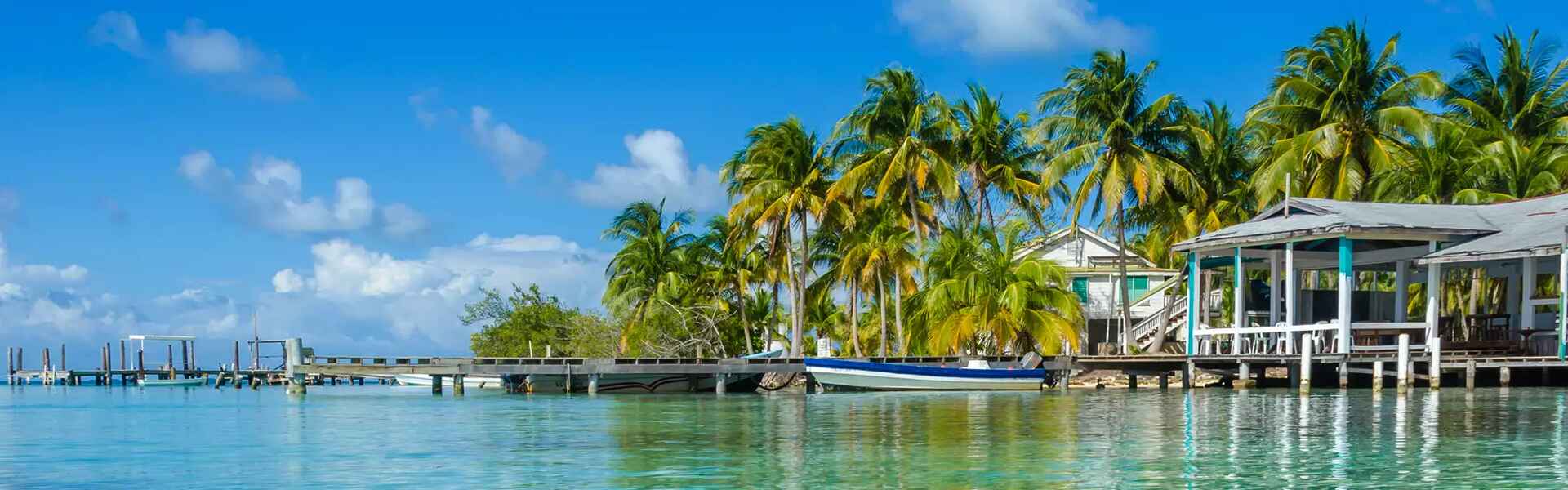
Belize is home to one of the world’s most beautiful natural treasures, the Belize Barrier Reef. This reef supports thousands of marine species, attracts visitors from around the world, and plays an important role in the country’s environment and tourism. However, one major challenge continues to threaten this ecosystem: the invasive lionfish.
Through Belize Lionfish Conservation, the country has developed smart and sustainable ways to control lionfish populations. By combining regulated fishing, community participation, scientific research, and even local cuisine, Belize is protecting its reefs while creating new opportunities for local communities.
Why Are Lionfish a Problem?
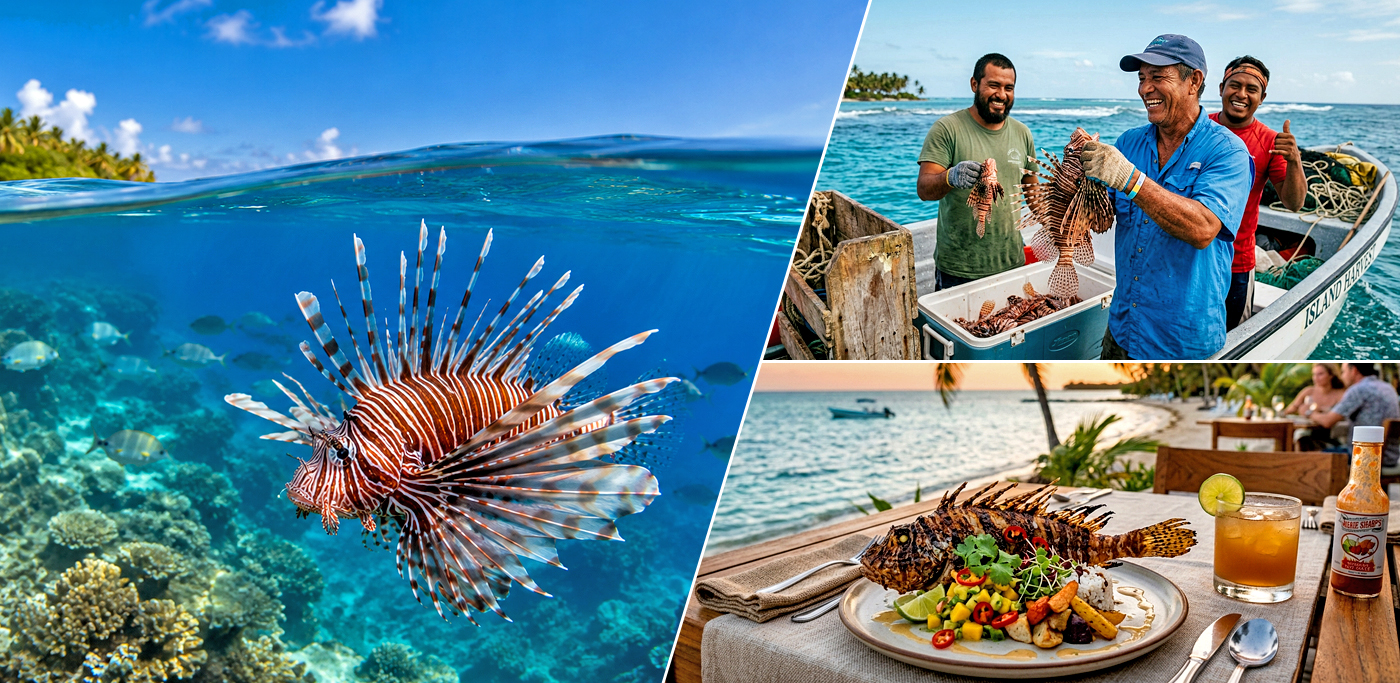
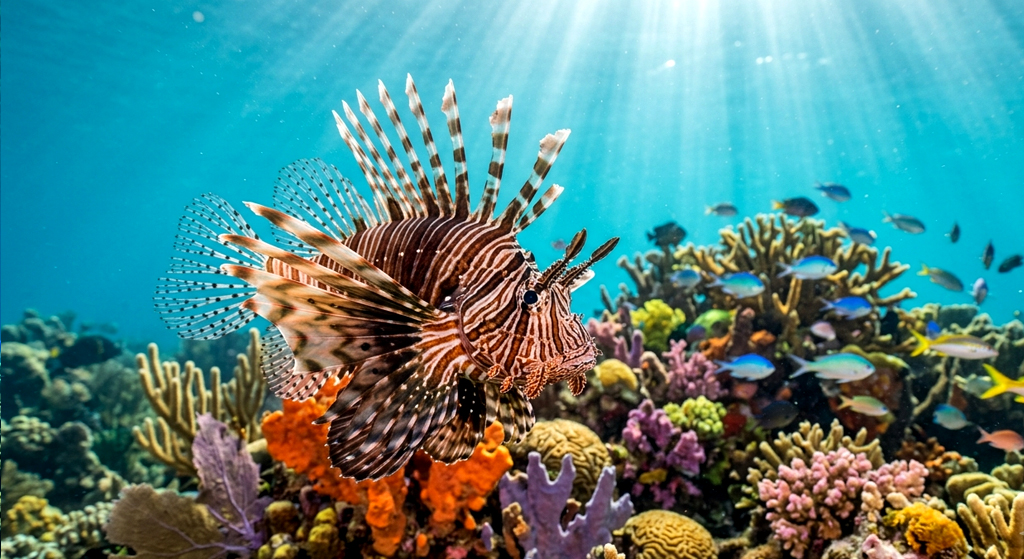
Lionfish are not native to the Atlantic Ocean or the Caribbean Sea. Without natural predators in these waters, they multiply quickly and feed on many types of reef fish.
One of their favorite prey includes reef grazers like parrotfish, which play an important role in keeping coral reefs healthy. These fish eat algae that naturally grows on coral. When lionfish reduce their numbers, algae spreads faster and can cover the coral, making it difficult for reefs to survive.
Protecting these reef fish is one of the main reasons Belize has invested heavily in lionfish management.
How Belize Controls the Lionfish Population
Belize uses several conservation methods to reduce lionfish numbers while protecting other marine life.
Regulated Lionfish Removal
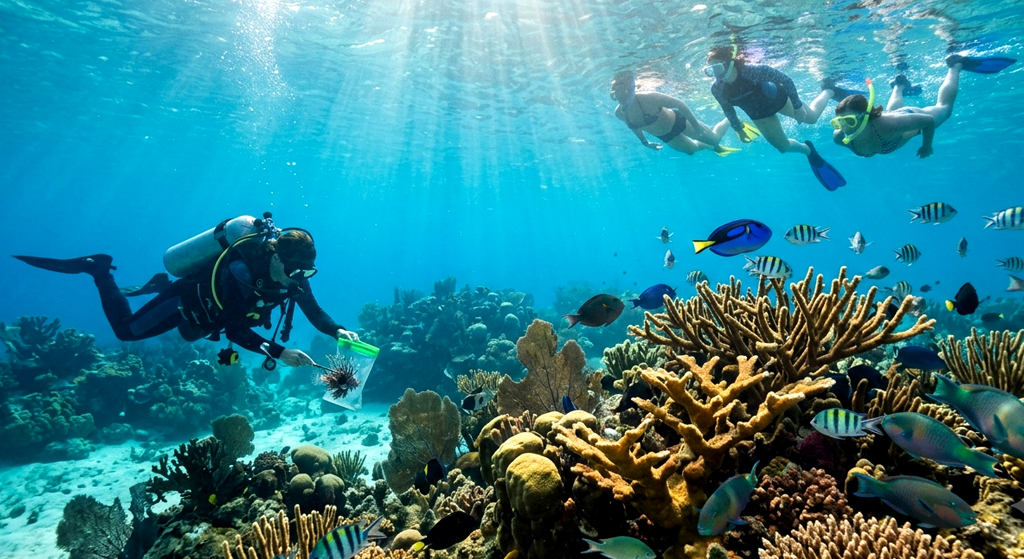
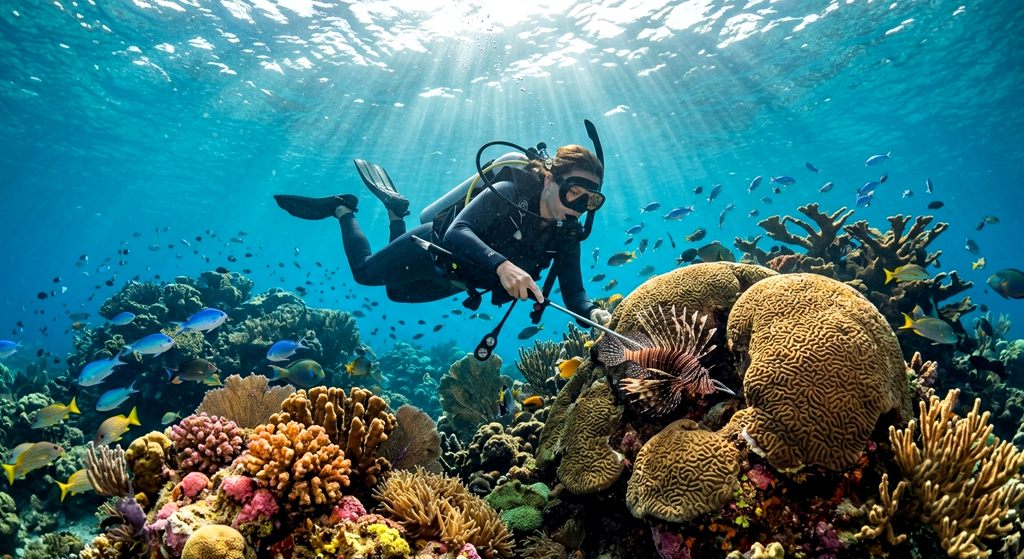
The Belize Fisheries Department allows licensed dive guides and trained fishers to remove lionfish using spears. Strict rules ensure that only lionfish are targeted, helping protect native marine species. Anyone who violates these regulations can face serious penalties, including fines or suspension.
Volunteer conservation groups also organize dedicated removal programs around areas such as Tom Owens Caye, near Placencia, where divers help locate, remove, and record lionfish populations.
Commercial Fishing Programs
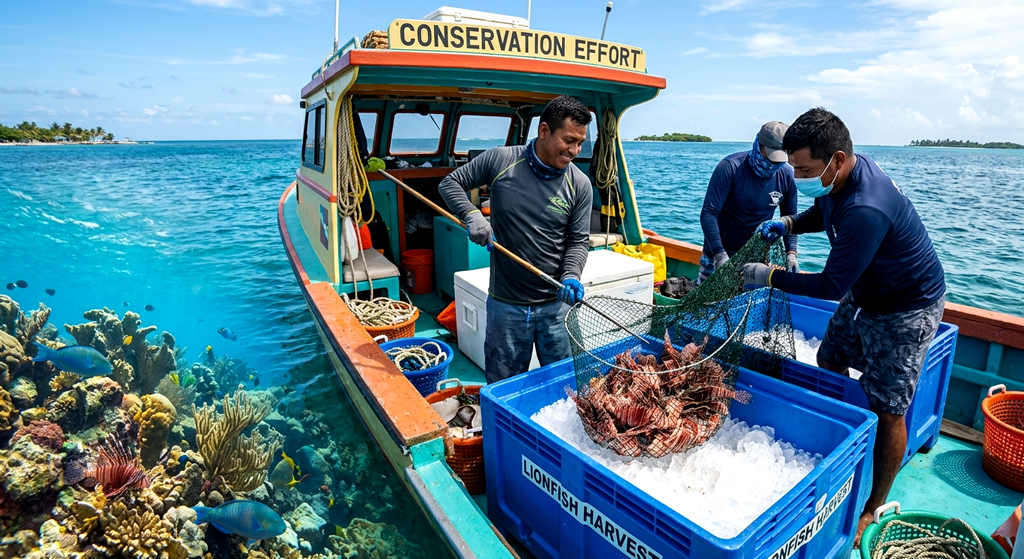
Belize has also introduced carefully managed commercial fishing efforts to help keep lionfish numbers under control.
Instead of allowing the species to spread unchecked, conservation programs encourage responsible harvesting. Studies have shown that maintaining a managed lionfish fishery helps reduce pressure on the reef while creating economic opportunities for local fishers.
Supply chain initiatives have also supported hundreds of local fishers and contributed to removing thousands of lionfish from Belizean waters.
Turning an Invasive Species into a Delicious Meal
One of Belize’s most creative conservation strategies is known as culinary conservation.
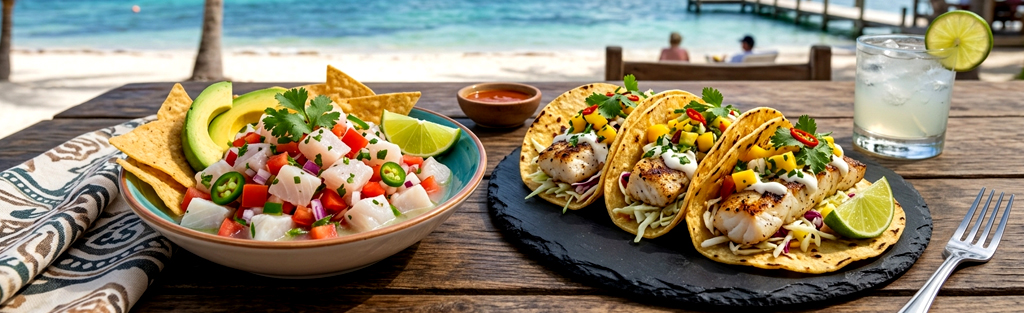
Instead of treating lionfish only as an environmental threat, restaurants across Belize now serve it as a fresh seafood option.
Lionfish has a mild, flaky texture that many people compare to snapper. Visitors can enjoy it in popular local dishes such as:
Fresh lionfish ceviche
Grilled lionfish tacos
Local seafood specialties
By increasing demand for lionfish, restaurants help create a market that encourages continued removal from the reef.
Community Events Make Conservation Fun
Belize also brings communities together through exciting conservation events.
Annual lionfish tournaments and shootouts invite dive teams and local fishers to safely remove as many lionfish as possible. These events often include:
Community weigh-ins
Educational programs
Reef conservation awareness
Family-friendly activities
These gatherings not only reduce lionfish populations but also teach residents and visitors about protecting Belize’s marine environment.
The Role of Science in Belize Lionfish Conservation
Scientific research continues to guide Belize’s conservation efforts.
Researchers regularly:
Monitor lionfish populations.
Study feeding habits through gut analysis.
Track changes in reef ecosystems.
Measure the health of native fish populations.
This information helps conservation teams improve removal strategies and better protect sensitive marine species found throughout Belize.
Why Belize's Approach Works
Belize’s lionfish management program succeeds because it combines several effective strategies instead of relying on just one solution.
Key strengths include:
Licensed and carefully regulated lionfish removal.
Sustainable commercial harvesting.
Community involvement through conservation events.
Scientific monitoring of reef health.
Restaurant partnerships that promote lionfish as seafood.
Together, these efforts help protect the Belize Barrier Reef while supporting local livelihoods.
Why Visitors Can Support Conservation Too
Travelers visiting Belize can also contribute to reef protection in simple ways.
You can support Belize Lionfish Conservation by:
Ordering lionfish dishes at local restaurants.
Learning about reef conservation during diving or snorkeling trips.
Supporting businesses that promote sustainable fishing.
Participating in educational activities offered by conservation groups.
Every small action helps reduce the impact of this invasive species.
Final Thoughts
Belize Lionfish Conservation shows how environmental challenges can be addressed through teamwork, innovation, and community support. By combining regulated removal, scientific research, commercial fishing, and culinary tourism, Belize continues to protect one of the world’s most valuable marine ecosystems.
For travelers, enjoying a lionfish meal or learning about local conservation efforts is more than just a unique experience, it’s a chance to help preserve the incredible beauty of the Belize Barrier Reef for future generations.