Quick Links: About Us - Contact Us
For bookings, call us at
+501 677-2900
Quick Links: About Us - Contact Us

Quick Links: About Us - Contact Us

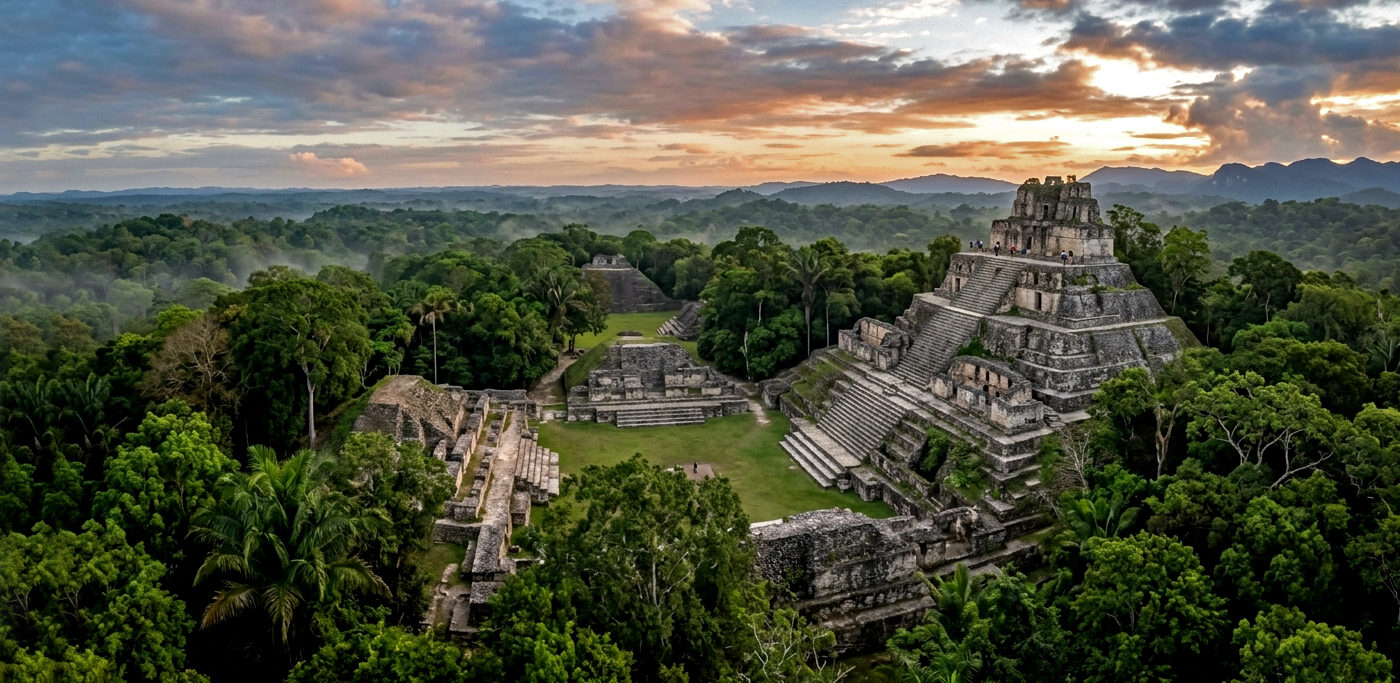
Belize’s four most-visited Maya ruin sites, Caracol, Xunantunich, Altun Ha, and Lamanai, remain open during green season, though access can vary. Xunantunich and Altun Ha are generally the most reliably accessible in September, while Caracol’s more remote access road can be affected by heavy rain. Guided tours typically adjust routes and timing based on current conditions.
Belize was once home to a significant concentration of Maya settlements, and the ruins that remain today range from compact, easily explored sites to sprawling complexes requiring a fuller day to visit. September’s green season doesn’t close these sites, but it does affect road conditions and, in some cases, the practicality of the visit, worth planning around rather than ignoring. Archaeological work continues at several sites under the direction of Belize’s Institute of Archaeology, and new findings occasionally add to what’s known about these ancient cities.
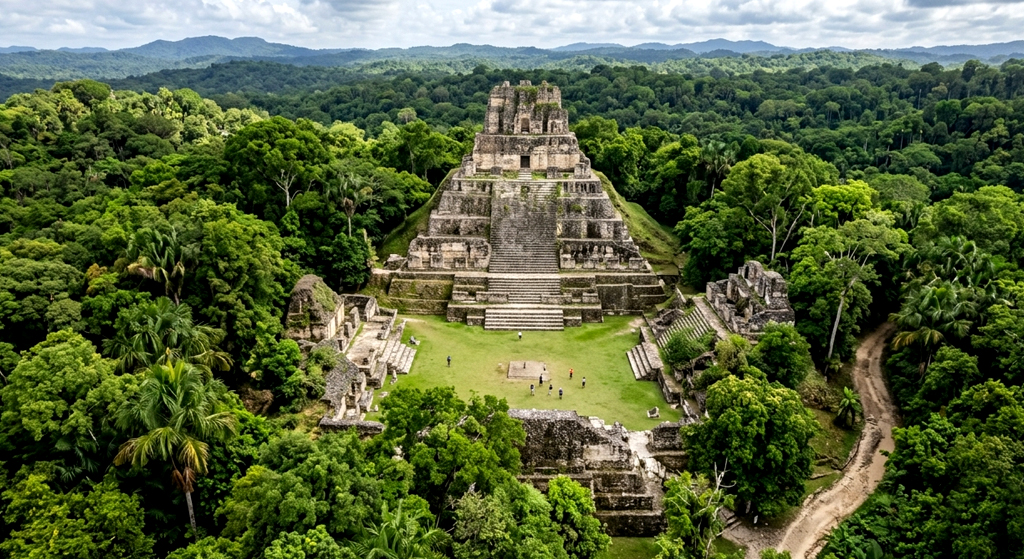
Caracol is Belize’s largest known Maya archaeological site, located deep within the Cayo District near the Guatemala border, inside the Chiquibul Forest Reserve. At its height, Caracol is believed to have been home to a substantial population, and its central plaza and towering Caana structure remain the tallest man-made structure in Belize to this day. Its remoteness is part of its appeal, fewer visitors, dense surrounding forest, but also its main September challenge, since the access road can be significantly affected by heavy rain. Confirming current road conditions with a licensed tour operator before booking a Caracol trip in September is strongly advisable, since a guided tour is generally the most practical, and often required, way to visit given the site’s isolation.
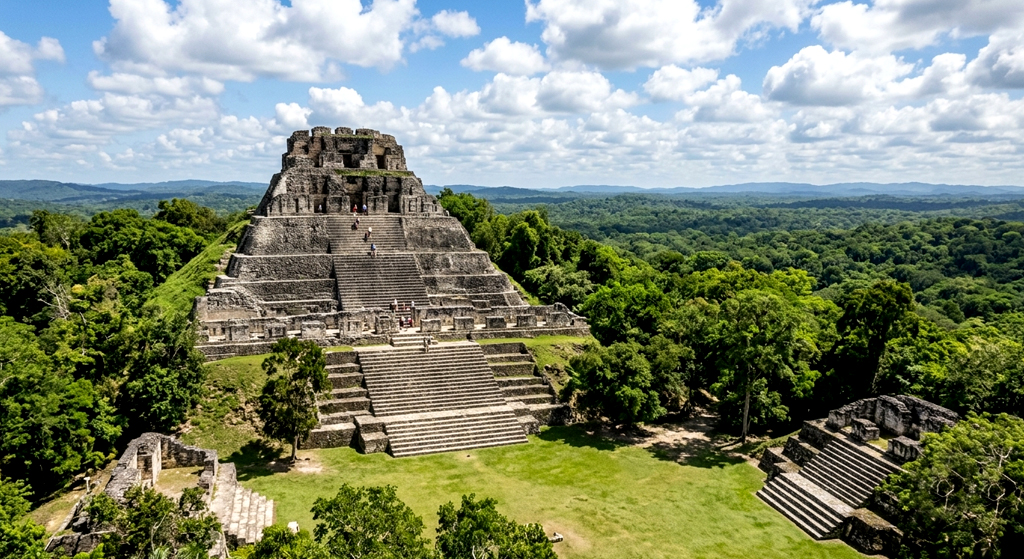
Xunantunich, located near San Ignacio, is one of Belize’s more accessible major ruin sites, reached via a short hand-cranked ferry crossing followed by a brief drive or walk. Its relative proximity to San Ignacio and generally reliable access, even during green season, make it the most consistently recommended ruin site for September visitors without the time or interest in Caracol’s more remote logistics. The site’s main pyramid, El Castillo, offers sweeping views over the surrounding jungle and into neighboring Guatemala on a clear day.
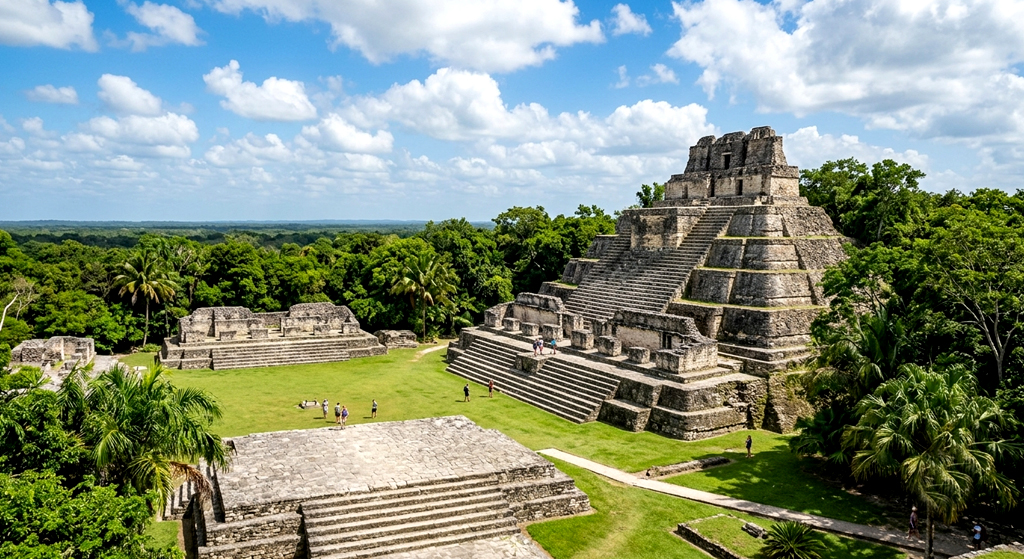
Altun Ha, located closer to Belize City, is known for its well-preserved temple structures and is one of the more frequently visited sites given its accessibility. It’s a practical choice for travelers based in or near Belize City looking for a half-day or day-trip option, see Belize On Top’s guide to the best day trips from Belize City for more on combining it with other nearby attractions. A carved jade head discovered at Altun Ha is one of the most significant Maya artifacts ever found in Belize.
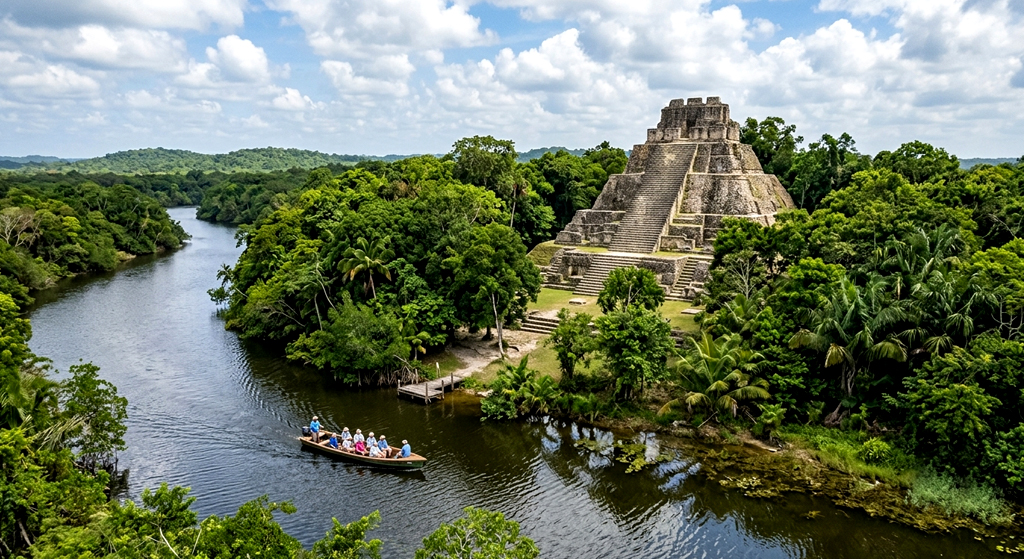
Lamanai, located along the New River in northern Belize, is typically reached by a scenic river boat trip rather than by road, which can actually make it less directly affected by road-condition issues during green season, though river levels and boat operator schedules should still be confirmed in advance. The site includes structures spanning a long period of Maya occupation, one of the longest continuously occupied Maya sites known, and is often paired with wildlife viewing during the river approach, including crocodiles and a wide variety of birdlife along the riverbanks.
Site | Access Method | September Considerations |
Caracol | Road (remote) | Most affected by heavy rain; guided tour recommended |
Xunantunich | Ferry + short drive/walk | Generally reliable access |
Altun Ha | Road (closer to Belize City) | Generally reliable access |
Lamanai | River boat | Less road-dependent; confirm river/boat schedules |
Guided tours are recommended for Caracol given its remoteness and the value of expert context for a site of its scale, and are also worthwhile for Lamanai given the river-access logistics. Xunantunich and Altun Ha are more feasible for independent visits, though a guide adds historical and archaeological context that’s easy to miss without one, particularly around the symbolism carved into structures like Xunantunich’s frieze.
Green-season accessibility is the detail most general Belize travel content skips, treating all four sites as equally reachable year-round. In practice, September planning should weight Xunantunich and Altun Ha more heavily for reliability, while treating Caracol as a “confirm before booking” option and Lamanai as a river-dependent alternative. Pairing this access-focused approach with the cultural background covered in Belize On Top’s guide to top cultural experiences gives a fuller, more practical picture than either article alone, particularly for travelers trying to decide which single site best fits a limited amount of time.