Quick Links: About Us - Contact Us
For bookings, call us at
+501 677-2900
Quick Links: About Us - Contact Us

Quick Links: About Us - Contact Us
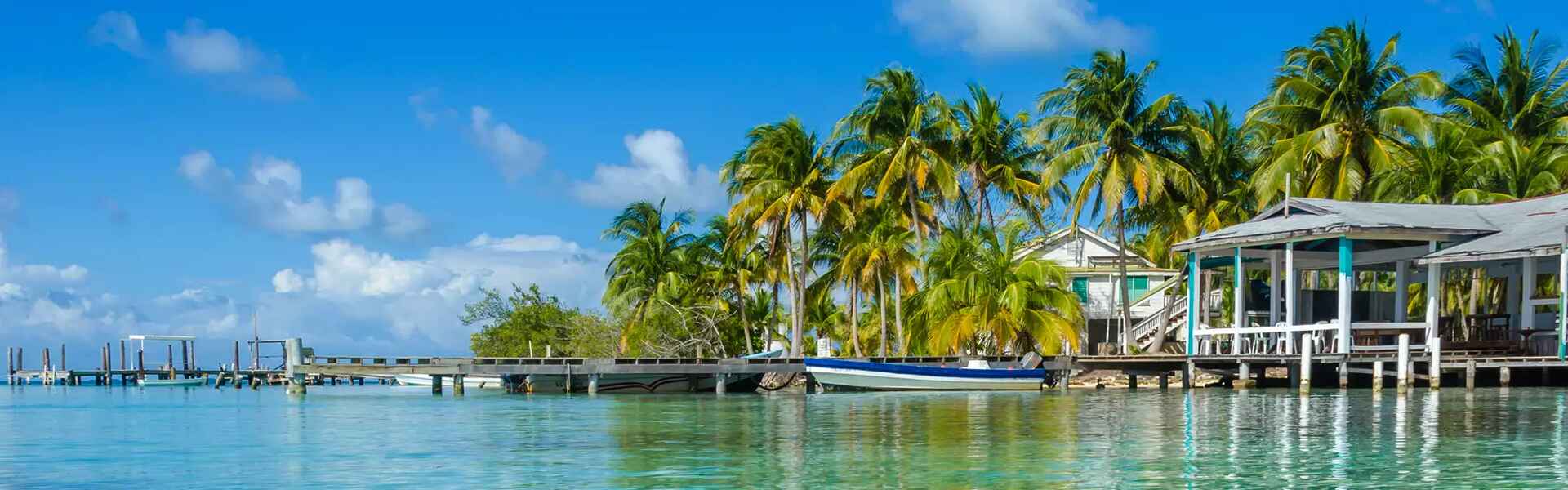

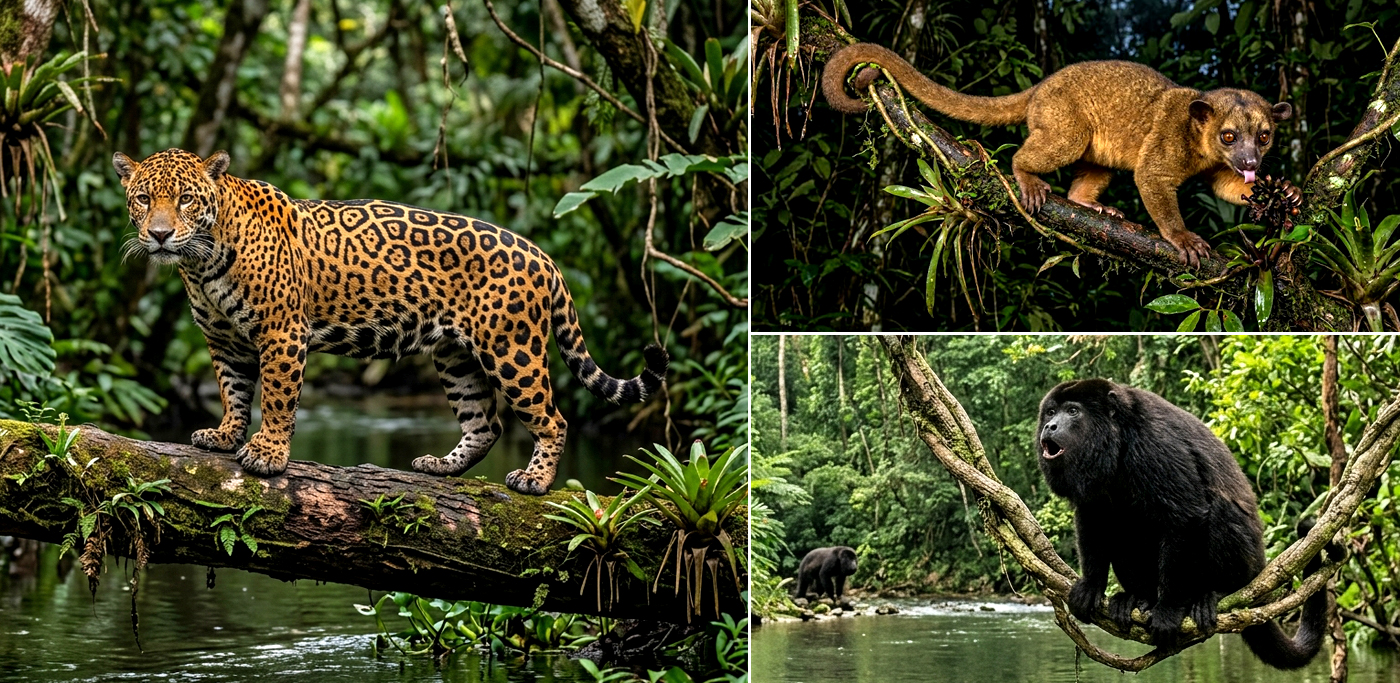
Belize may be a small country, but it is home to an impressive variety of wildlife. More than half of the country is covered by primary rainforests, coastal mangroves, and other natural ecosystems. These areas provide a safe home for many unique, rare, and endangered animals.
For travelers interested in nature and wildlife, Belize offers the chance to learn about animals that are closely connected to the country’s forests and natural habitats. Some live high in the trees, while others move through dense jungle areas or along rivers.
From the powerful jaguar in Belize to the gentle Baird’s tapir, the country has many fascinating animals to discover. Here are four of the most notable animals found in the wildlife of Belize.
The kinkajou is one of the more unusual animals in Belize. Locally known as the “Night Walker,” this small mammal is active mainly after dark and spends much of its life in trees.
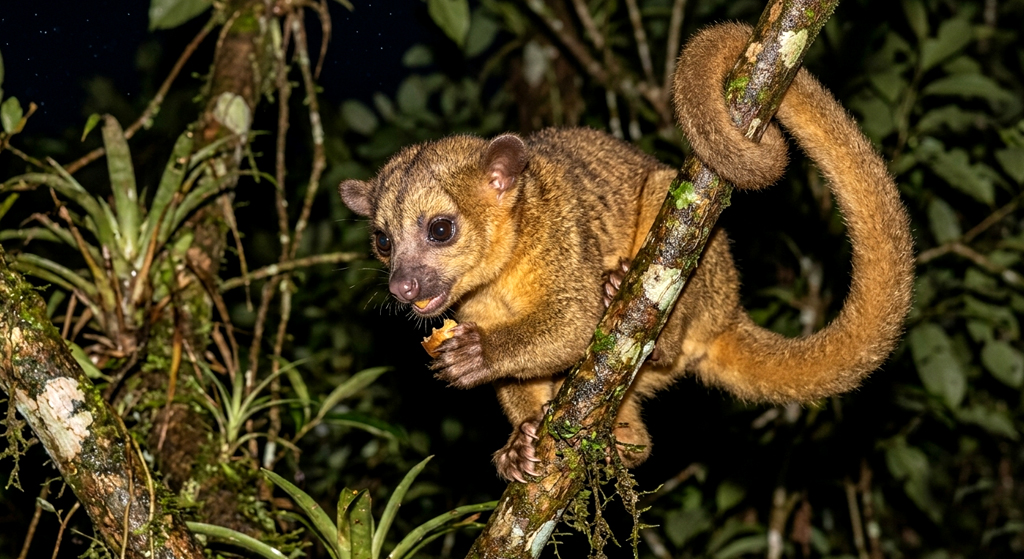
Although its face and movements may make it look somewhat like a monkey, the kinkajou is actually part of the raccoon family. It usually weighs between 3 and 10 pounds and has a long, strong tail that it can use almost like an extra limb. This helps the animal hold onto branches as it moves through the upper parts of the forest.
The kinkajou is also sometimes called a “honey bear.” It can enter beehives and use its long tongue, which can reach around five inches, to collect honey.
Its diet mainly includes:
Because kinkajous eat fruits and nectar, they also play an important role in the forest. They help spread seeds and support pollination as they move from one part of the jungle to another.
Visitors may have the opportunity to see these active and vocal animals during nighttime excursions at The Belize Zoo.
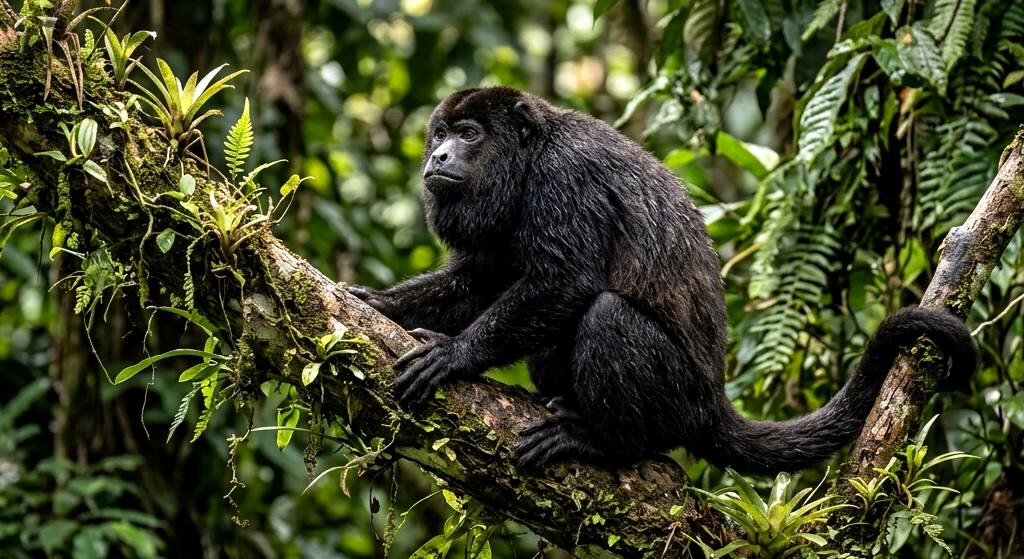
The black howler monkey is another fascinating part of Belize wildlife. In Belizean Creole, it is commonly called the “baboon.” The Yucatan black howler monkey is the largest monkey found in Belize and is also among the largest monkeys in the Americas.
The animal is especially famous for its deep and powerful call. Its roar can travel more than three miles through the forest. The sound helps groups communicate and establish their territory.
Despite their impressive voices, black howler monkeys are not especially active animals. Their diet consists mainly of leaves, shoots, and fruits. Since leaves provide relatively little energy, these monkeys spend a large part of their day resting in the trees.
They can spend as much as 15 hours a day resting on branches.
Black howler monkeys have also faced serious threats in the past, including yellow fever outbreaks and deforestation. Their numbers have benefited from conservation efforts and protected areas, including the Community Baboon Sanctuary along the Belize River.
For visitors exploring the Belize rainforest animals, hearing a howler monkey before seeing one can be an unforgettable experience.
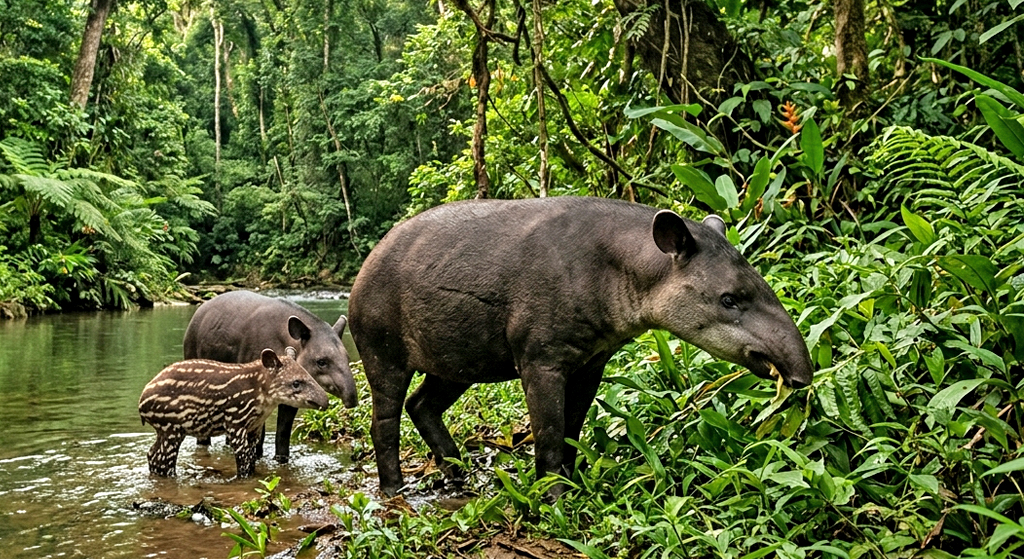
The Baird’s tapir holds a special place in Belize because it is the national animal of Belize. It is also commonly known as the “mountain cow.”
Despite this nickname, the tapir is not related to cattle. It is an odd-toed ungulate and is more closely related to rhinoceroses and horses.
It is also the largest native land mammal in Central America. An adult tapir can weigh around 600 to 650 pounds.
The tapir’s body is well suited for moving through thick vegetation. Its shape allows it to push through dense forest growth, while its flexible snout helps it collect leaves, twigs, and aquatic plants.
Tapirs are also strong swimmers. They may enter forest rivers to cool themselves and remove parasites. Their ability to move through different parts of their habitat makes them an important part of the forest ecosystem.
One of their most important roles is seed dispersal. By eating plants and moving through the forest, tapirs help spread seeds to different areas. This is why they are often described as the “gardeners of the forest.”
The Baird’s tapir is an endangered species and receives full legal protection in Belize.
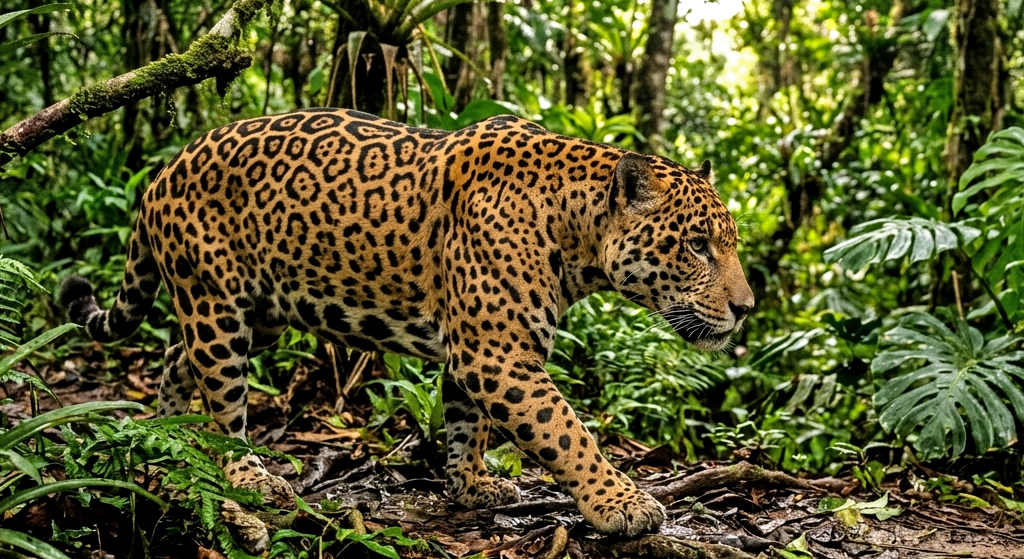
When people think about wildlife of Belize, the jaguar is one of the animals that often stands out. The jaguar is the largest wildcat in the Americas and the third-largest wildcat in the world.
With its golden coat and distinctive dark rosette patterns, the jaguar is one of the most recognizable animals in the Belizean rainforest.
Jaguars are solitary predators and play an important role in the natural balance of the forest. They can hunt a wide range of animals, including:
Unlike many cats, jaguars are also comfortable around water. They are powerful swimmers and may hunt near rivers and other waterways.
Their jaws are exceptionally strong. Instead of relying only on a traditional bite to the throat, a jaguar can use its powerful canines to pierce the skull of its prey.
The jaguar also has an important place in the history and culture of Belize. In ancient Maya mythology, jaguars were associated with power and were seen as guardians of the night underworld.
Belize has also played an important role in jaguar conservation. Cockscomb Basin Wildlife Sanctuary is home to the world’s first and only dedicated jaguar preserve.
Belize has a remarkable concentration of wildlife within a relatively small area. Its rainforests, rivers, mangroves, and other ecosystems create habitats for animals with very different lifestyles.
Some species spend their time high in the forest canopy, while others move through the undergrowth or depend on rivers and other water sources.
The country’s wildlife includes animals that are important to the health of the entire ecosystem. Kinkajous help with seed dispersal and pollination, tapirs help spread seeds, and howler monkeys are an important part of the rainforest canopy. Jaguars, as powerful predators, occupy the top of the food chain.
This makes the Belize rainforest animals more than simply interesting sights for visitors. Each species has a role in maintaining the natural environment.
Belize’s wildlife is closely connected to its protected natural areas and conservation efforts. Places such as the Community Baboon Sanctuary and Cockscomb Basin Wildlife Sanctuary provide important habitats for some of the country’s best-known animals.
These conservation areas also give visitors a way to understand Belize’s natural environment while learning about the animals that depend on it.
The protection of endangered species, forests, and other ecosystems is especially important for animals such as the Baird’s tapir and jaguar.
The wildlife of Belize is one of the country’s most fascinating natural attractions. From the small kinkajou moving through the trees at night to the powerful jaguar roaming the rainforest, every animal has a unique place in Belize’s ecosystem.
The black howler monkey fills the forest with its unmistakable calls, while the Baird’s tapir quietly moves through the vegetation and helps spread seeds.
For anyone interested in animals in Belize, the country’s forests and protected areas offer an opportunity to learn about some of Central America’s most remarkable wildlife. Belize may have a small footprint, but its rainforests and ecosystems are home to an impressive collection of animals that make the country truly special.