Quick Links: About Us - Contact Us
For bookings, call us at
+501 677-2900
Quick Links: About Us - Contact Us

Quick Links: About Us - Contact Us

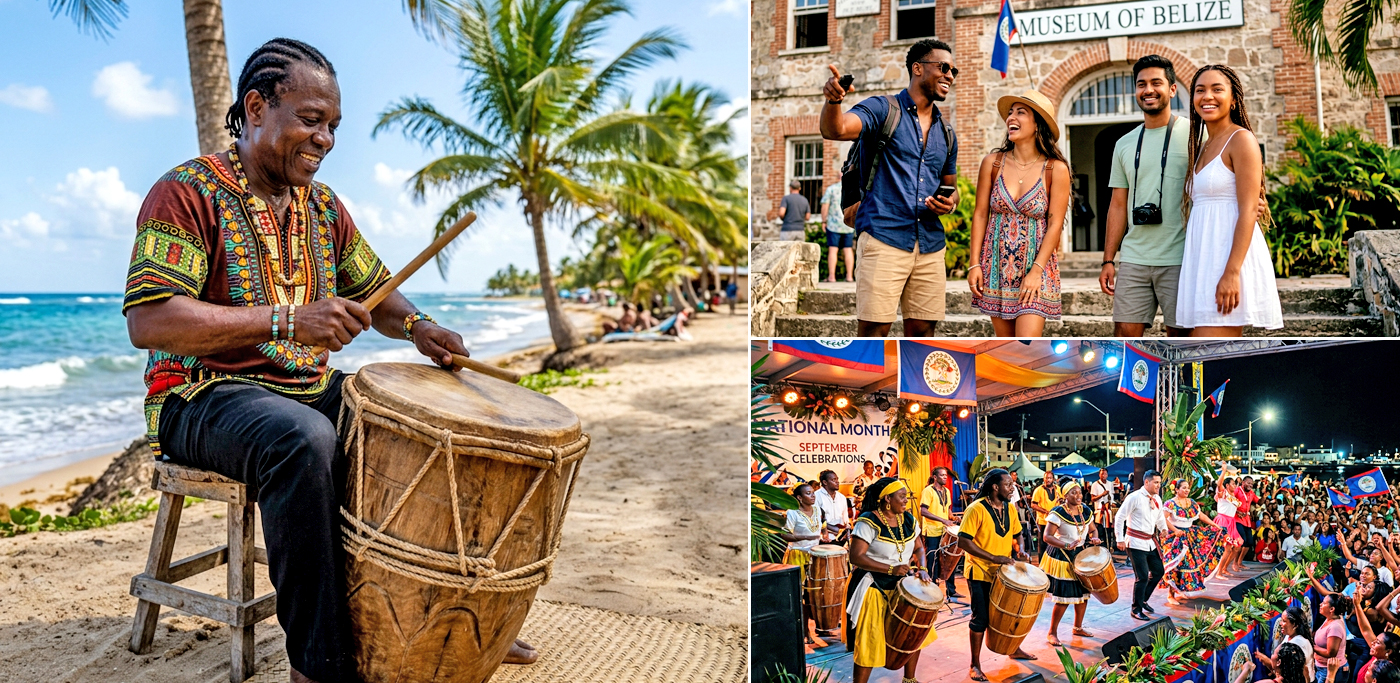
Belize’s strongest cultural experiences include the House of Culture and Museum of Belize in Belize City, respectful visits to Garifuna communities for drumming and food traditions, Maya village tours in Toledo and Cayo Districts, and craft markets showcasing local artisans. September’s National Month adds performances and public events on top of these year-round options, but each of these experiences is worthwhile any time of year.
This article focuses on Belize’s broader cultural landscape, much of it available year-round, with a note on how September’s National Month period amplifies certain experiences. For the specific holidays, parades, and patriotic events tied to September, see Belize On Top’s dedicated National Month overview, which covers the holiday calendar itself in more depth.
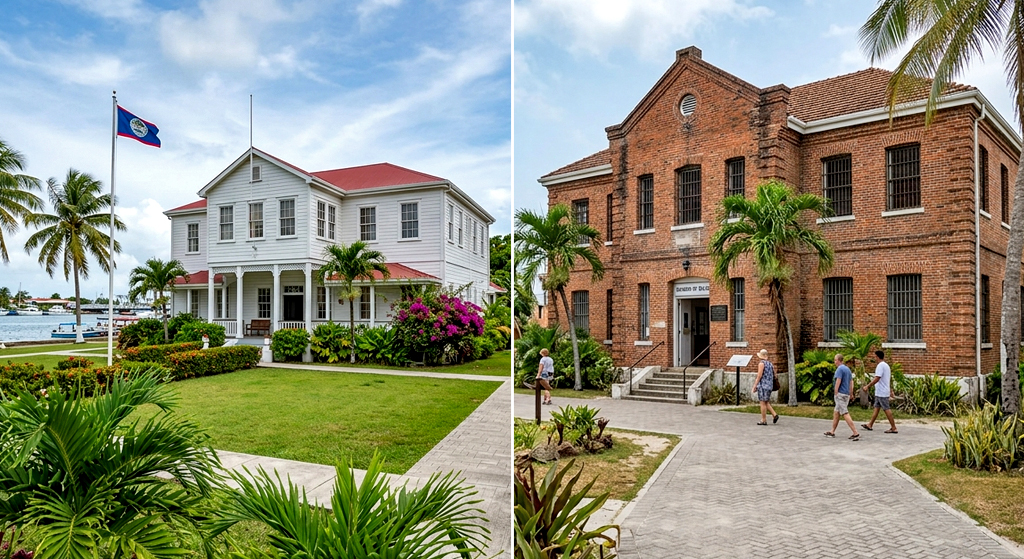
Belize City’s House of Culture, housed in a former Government House building, and the Museum of Belize, located in a former colonial-era prison, both offer insight into the country’s colonial and post-independence history. These sites operate on regular visiting hours that should be confirmed directly, since museum schedules can change, and both are compact enough to visit in a single morning alongside another Belize City stop.
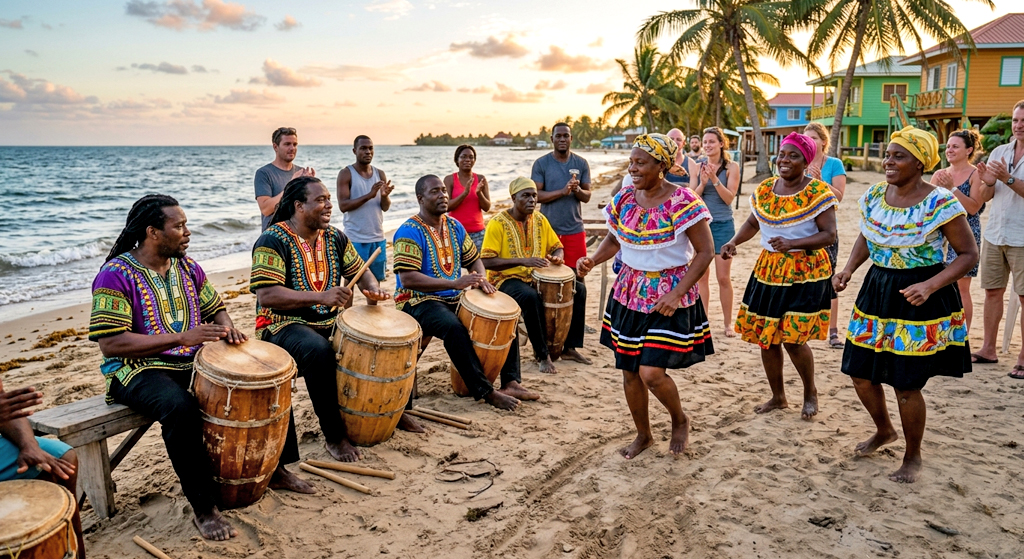
Belize’s Garifuna communities, concentrated particularly in Dangriga and southern coastal towns, maintain distinct traditions in drumming, dance, food, and language rooted in Afro-Indigenous Caribbean heritage. Respectful cultural tourism here typically means booking through community-run tour operators or cultural centers rather than informal arrangements, which better ensures that visits genuinely benefit the community being visited. Garifuna Settlement Day, a separate November holiday, not part of September’s National Month, is the community’s own major cultural celebration, though smaller cultural experiences, including drumming lessons and traditional food demonstrations, are available throughout the year.
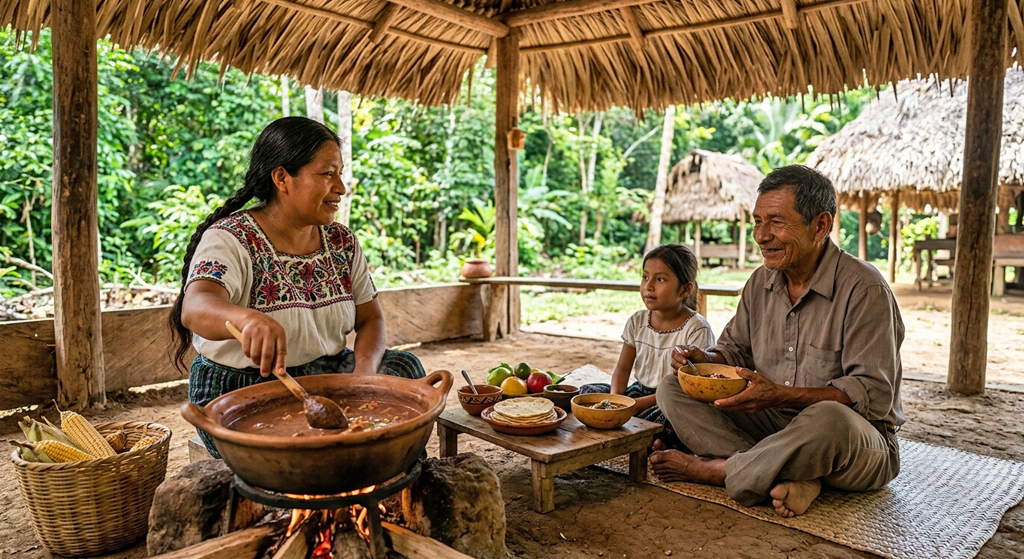
Toledo District in southern Belize and parts of Cayo District are home to Maya communities, some of which offer guided village visits, craft demonstrations, and homestay experiences. As with Garifuna tourism, working with established community tourism programs, rather than informal drop-in visits, is the more respectful and typically more informative approach, and often includes a meal prepared using traditional methods as part of the visit.
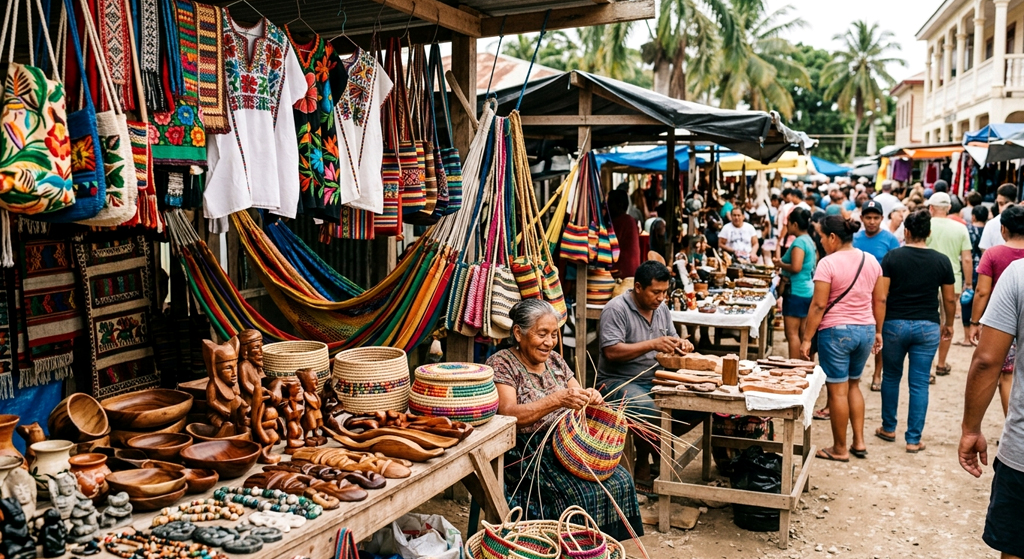
Markets in Belize City, San Ignacio, and other towns showcase local woodwork, textiles, and other handmade crafts. These are also a practical stop for anyone interested in authentic souvenirs, see Belize On Top’s guide to the best souvenirs to buy during National Month for specific recommendations, including which markets tend to offer the most direct access to artisans themselves.
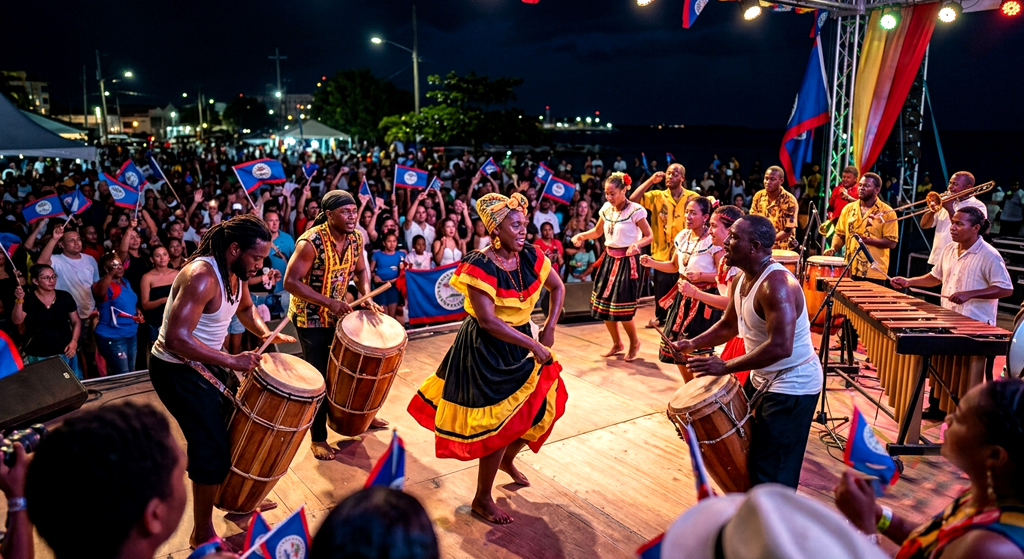
National Month adds a layer of public performances, drumming, dance, and music, on top of Belize’s year-round cultural offerings, particularly in Belize City around September 10 and 21. These performances are generally free and open to the public as part of the broader holiday celebrations, and often feature performers from multiple Belizean cultural traditions on the same stage.
Travelers whose main interest is culture rather than beaches or adventure activities may want to weight their itinerary toward Belize City, Dangriga, and Toledo District, spending more time in each than a typical first-time visitor’s schedule allows. Combining a Belize City museum visit with a Garifuna cultural experience and a Maya village tour, spread across a week, gives a genuinely broad picture of Belize’s layered cultural heritage.
Community-based tourism works best when visitors engage through established programs, ask before photographing individuals, and understand that Garifuna and Maya cultural sites are living communities rather than static attractions. This approach tends to produce more meaningful, informative experiences than informal or unplanned visits.
English is Belize’s official language, which makes cultural tourism here more accessible to English-speaking visitors than in many neighboring countries. That said, Belizean Kriol, Spanish, Garifuna, and several Maya languages are also widely spoken depending on the region and community, and picking up a few words of greeting in the local language of the community you’re visiting, whether Kriol, Garifuna, or a Maya language, is generally well received as a small gesture of respect.
Cultural experiences don’t need to compete with beach or adventure time on a typical Belize trip. A day built around a Belize City museum visit or a Garifuna cultural center pairs easily with an itinerary otherwise focused on the coast, since Belize City sits along most travel routes between the airport, the northern cayes, and the Cayo District. Travelers heading further south to Placencia or Toledo District have a natural opportunity to add a Garifuna or Maya cultural stop without significant detour.