Quick Links: About Us - Contact Us
For bookings, call us at
+501 677-2900
Quick Links: About Us - Contact Us

Quick Links: About Us - Contact Us
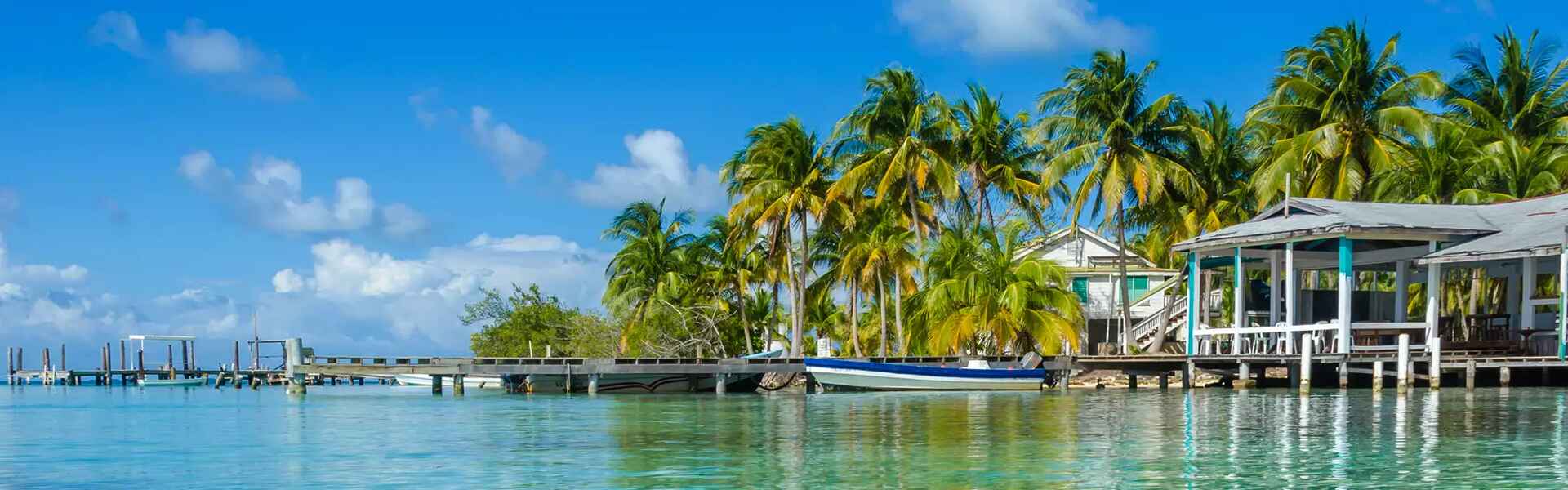

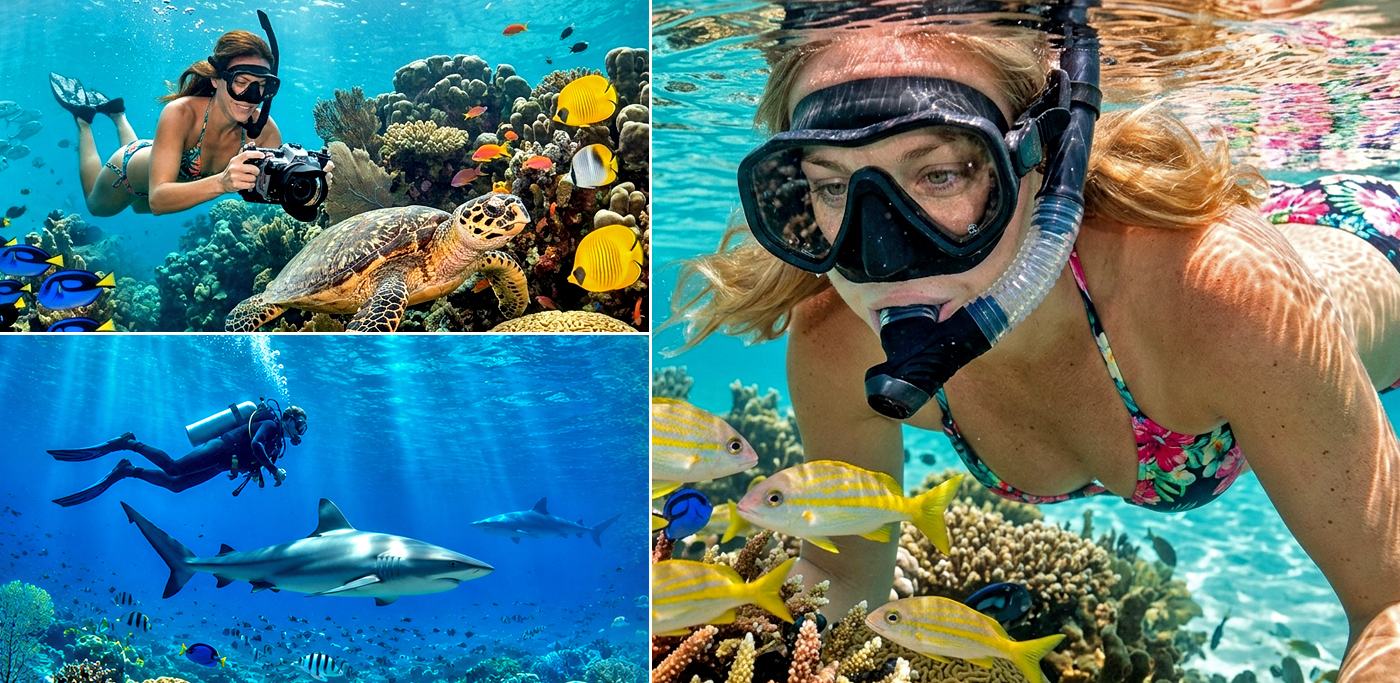
Snorkeling in Belize centers on Hol Chan Marine Reserve and the nearby Shark Ray Alley, both easily reached from Ambergris Caye and Caye Caulker, along with additional sites near both islands. Morning tours are generally recommended to avoid afternoon rain and to catch calmer water conditions, and choosing operators who follow marine reserve guidelines and use reef-safe practices matters more here than in most other Belize activities.
Snorkeling is arguably Belize’s signature activity, given the Belize Barrier Reef’s status as part of the larger Mesoamerican Barrier Reef System, the second-longest barrier reef in the world. Unlike more general water activities, snorkeling site selection and operator quality genuinely affect both the experience and the health of the reef itself, which is why this guide treats it separately from broader water sports coverage.
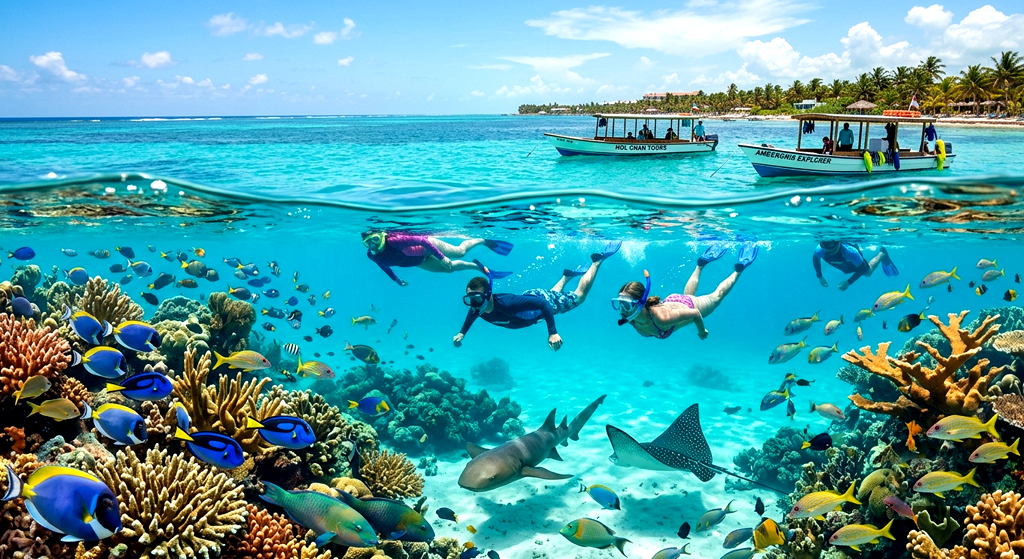
Hol Chan Marine Reserve, located near Ambergris Caye, is one of Belize’s most established marine protected areas, with clearly marked zones supporting healthy coral and fish populations. It’s a common stop for snorkeling tours departing from both Ambergris Caye and, with a longer boat ride, Caye Caulker, and its status as one of the country’s oldest marine reserves means its ecosystem has had decades of protection to recover and thrive.
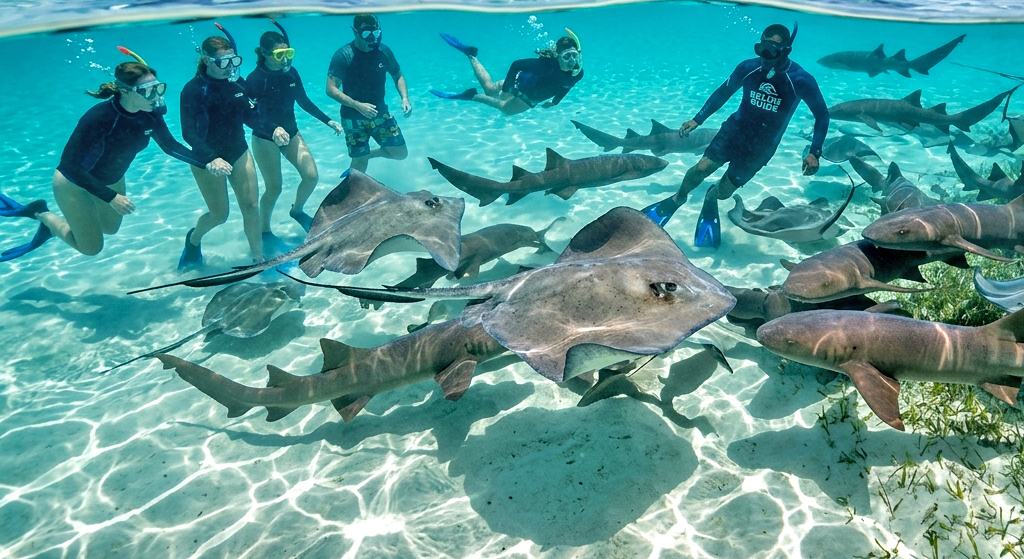
Located near Hol Chan, Shark Ray Alley is known for close encounters with nurse sharks and southern stingrays in relatively shallow water. Many tour operators combine a Hol Chan and Shark Ray Alley stop into a single half-day excursion, giving visitors both a reef-focused and a larger-marine-life-focused experience in one trip, typically with a guide in the water alongside the group to help manage safe distances from the animals.
Caye Caulker offers its own set of nearby snorkeling sites, generally requiring a shorter boat ride than trips departing for Hol Chan from the mainland side, making it a practical base for visitors prioritizing quick reef access without a long boat transfer. Some operators also run trips slightly further afield to less-visited reef sections for travelers wanting a quieter alternative to the more popular stops.
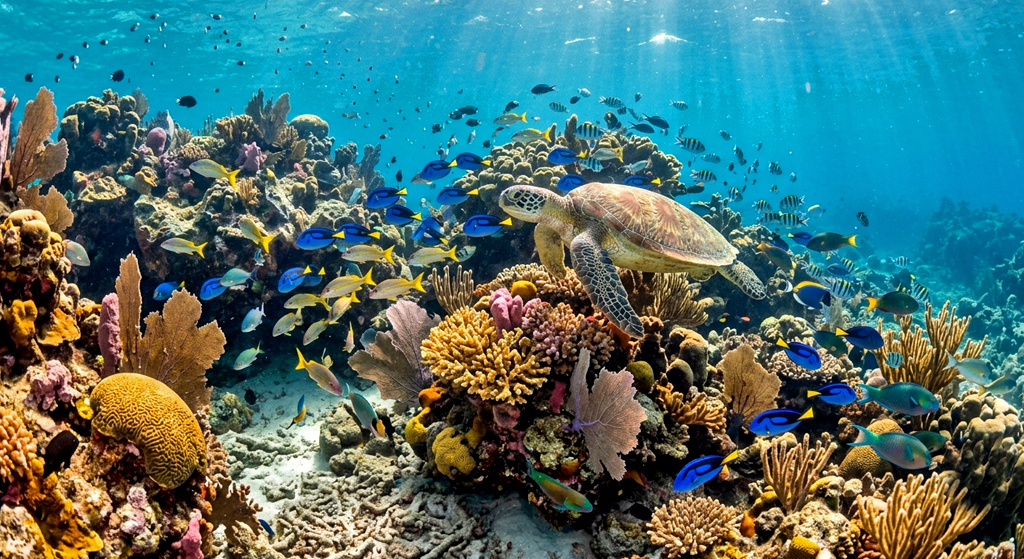
Beyond the nurse sharks and stingrays at Shark Ray Alley, typical sightings across Belize’s reef sites include a range of reef fish, sea turtles, though sightings aren’t guaranteed, and healthy coral formations in well-protected reserve areas. For a broader look at Belize’s wildlife beyond the reef, see Belize On Top’s wildlife watching guide, which covers land-based species alongside marine life.
Morning tours are generally preferred in September both for calmer water conditions and to work around the typical afternoon rain pattern. Basic swimming ability is required for most snorkeling tours, and reputable operators provide flotation devices for less confident swimmers. Confirming current safety equipment and swimmer-ability requirements directly with your chosen operator is a sensible step before booking.
Basic swimming ability is generally required, though reputable operators provide flotation devices and additional guidance for less confident swimmers, and some operators offer a brief pool-style orientation before heading out to open water for anyone unfamiliar with snorkeling gear.
Half-day tours, typically covering two stops like Hol Chan and Shark Ray Alley, suit most first-time visitors and those combining snorkeling with other activities on the same day. Full-day tours, which may include a third or fourth stop further from shore, are better suited to more experienced snorkelers or those with a full day free from other plans, and often include a lunch stop on a nearby caye as part of the package.
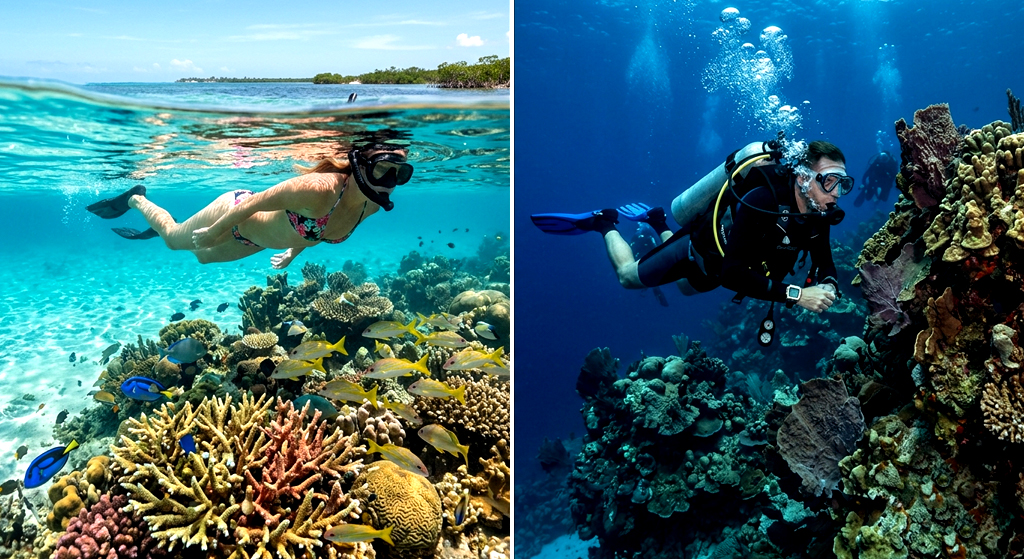
Snorkeling and scuba diving both give access to Belize’s reef, but they suit different travelers. Snorkeling requires no certification and is accessible to most fitness levels, making it the more practical choice for a single day or a mixed-activity trip. Diving, including trips to well-known sites further offshore, requires certification and generally a bigger time commitment, and is better suited to travelers specifically prioritizing underwater exploration over a broader mix of activities during their visit.
Most snorkeling tours begin with an early morning pickup or meeting point, followed by a short boat ride to the first site, a safety and equipment briefing, and roughly 30 to 45 minutes in the water at each stop. Between sites, most boats offer fresh fruit, water, and a chance to dry off and warm up before the next entry, and a full itinerary typically wraps up by early-to-mid afternoon, well ahead of September’s typical rain window.