Quick Links: About Us - Contact Us
For bookings, call us at
+501 677-2900
Quick Links: About Us - Contact Us

Quick Links: About Us - Contact Us
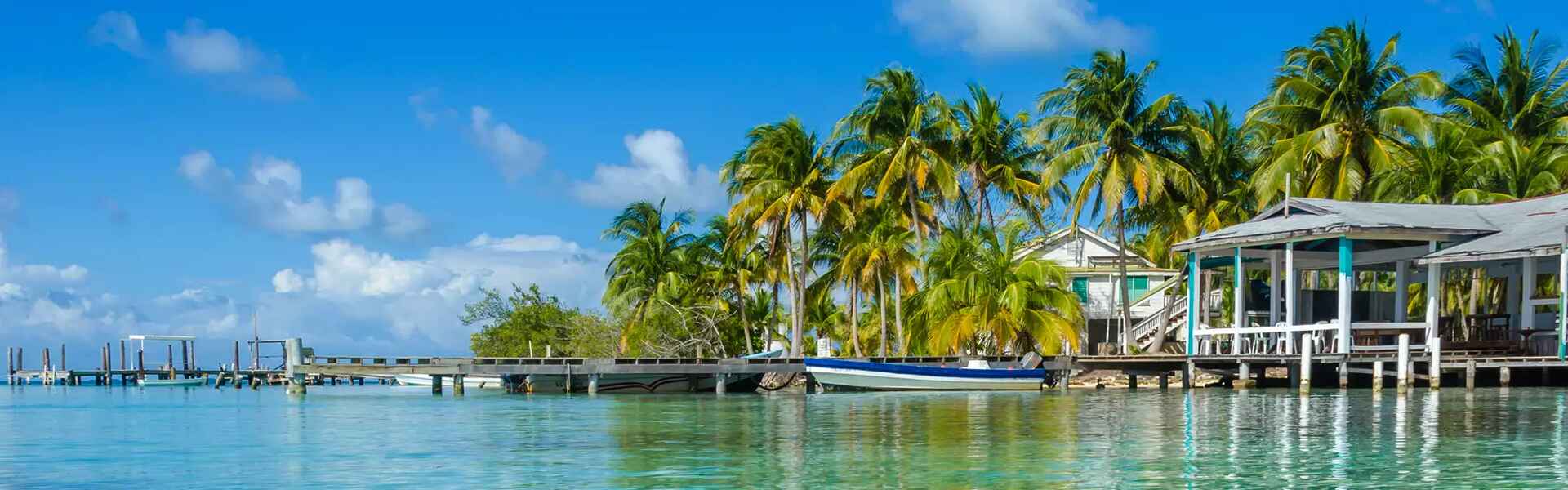

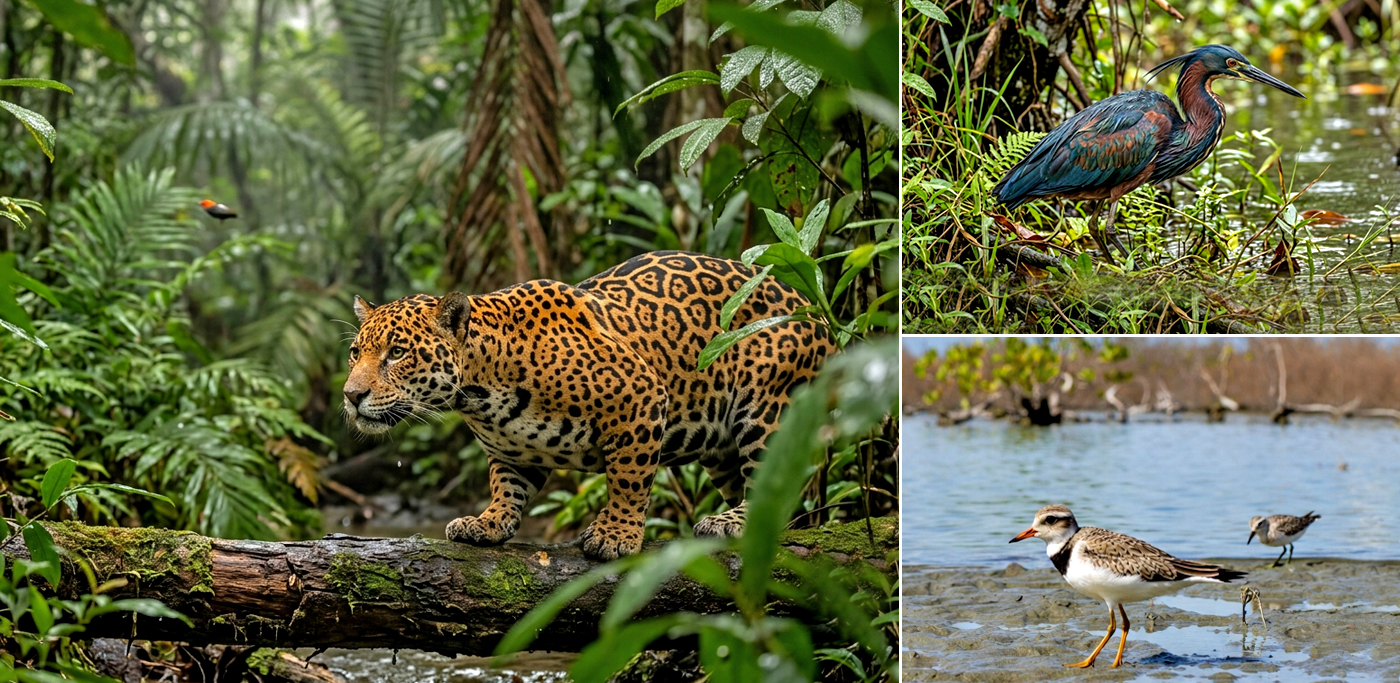
Wildlife watching in Belize spans bird life at Crooked Tree Wildlife Sanctuary, land mammals, including the elusive jaguar, at Cockscomb Basin Wildlife Sanctuary, and reef species like rays and reef fish along the Belize Barrier Reef. Early mornings are generally the most productive time for sightings across all three categories, and rainy-season growth can make inland wildlife tracking more active than in the dry season.
Wildlife viewing in Belize rewards patience and realistic expectations more than a guaranteed checklist of sightings. This guide focuses on where specific types of wildlife are most reliably found and the conditions that improve your odds, rather than promising particular animal encounters. Belize’s relatively low population density and extensive protected-area network mean that, compared to more developed destinations, a genuinely wide range of species remains viewable within a short distance of most main tourist areas.
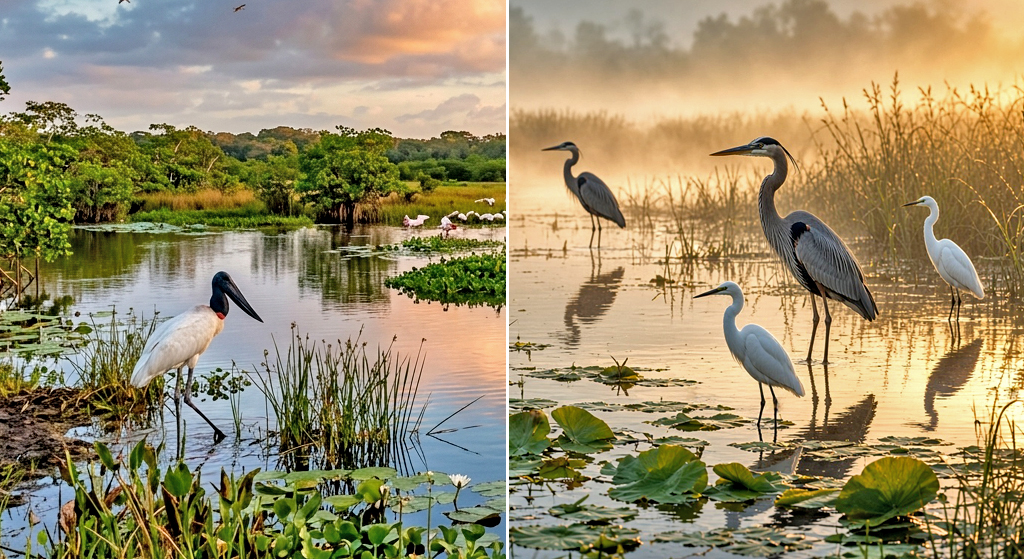
Crooked Tree Wildlife Sanctuary, a wetland reserve managed with support from the Belize Audubon Society, is one of the country’s premier birding destinations, known for both resident species and migratory birds that pass through depending on the season. September conditions and water levels can affect specific bird activity, so checking current conditions with the Belize Audubon Society or a local guide before a dedicated birding trip is worthwhile. Belize’s coastal mangroves and inland wetlands also support species like herons, egrets, and kingfishers that are visible even outside a dedicated sanctuary visit.
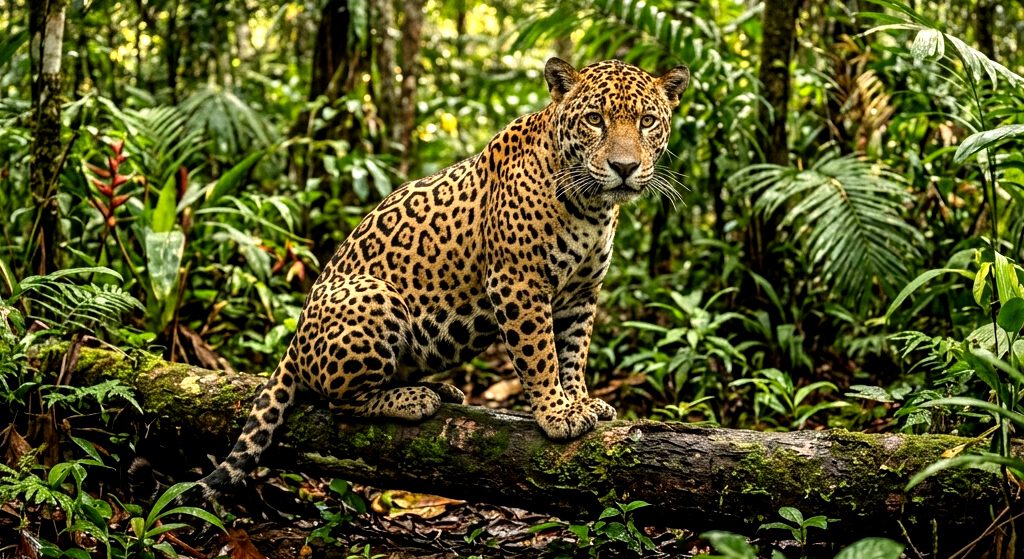
Cockscomb Basin Wildlife Sanctuary in Stann Creek District is known as the world’s first jaguar preserve, though actually sighting a jaguar is rare given the animal’s elusive, largely nocturnal behavior, most visitors should think of a Cockscomb visit as a chance to experience jaguar habitat and other wildlife, including various bird species and smaller mammals like agoutis and coatis, rather than a guaranteed jaguar encounter. Guided night hikes, where available, generally improve the odds of spotting nocturnal or crepuscular wildlife activity, and even without a jaguar sighting, the reserve’s hiking trails and waterfalls make it a worthwhile stop in its own right.
Belize’s barrier reef supports a wide range of marine species, and snorkeling trips to sites like Hol Chan Marine Reserve and Shark Ray Alley regularly encounter rays, nurse sharks, and a variety of reef fish. For site-specific detail on where and how to see this marine life, see Belize On Top’s guide to the best snorkeling tours available during September, which covers operator selection and site comparisons in more depth than is practical here.
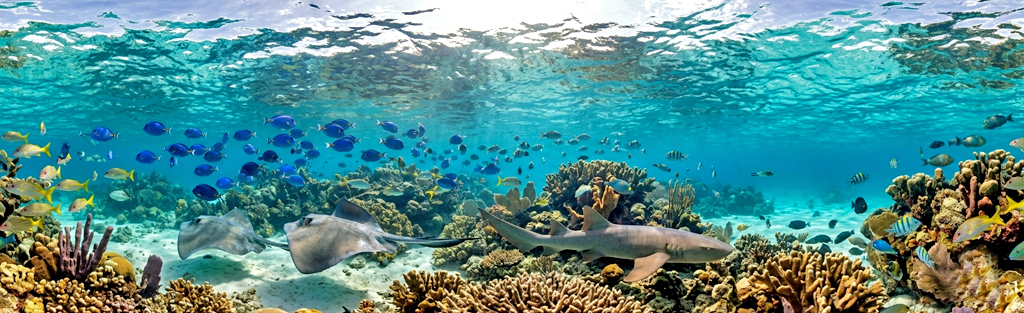
Early morning is generally the most productive window for both bird and land-mammal activity, as many species are more active before the day’s heat sets in. This aligns conveniently with September’s weather pattern, since mornings also tend to be drier than afternoons, giving wildlife-focused travelers a practical reason to build early starts into their itinerary regardless of which reserve they’re visiting.
Maintaining distance from wildlife, avoiding feeding animals, and working with licensed guides and established reserves are the baseline practices for responsible wildlife tourism in Belize. For a broader look at sustainable travel practices, see Belize On Top’s guide to traveling responsibly in Belize, which covers reef protection and community-based tourism alongside wildlife-specific guidance.
Travelers prioritizing wildlife watching may want to weight their itinerary toward Crooked Tree, accessible from Belize City, and Cockscomb Basin, accessible from Placencia or Dangriga, alongside standard reef access from any of the coastal cayes. Combining an inland wildlife day with a coastal snorkeling day gives a genuinely complementary picture of Belize’s range of ecosystems within a single trip.
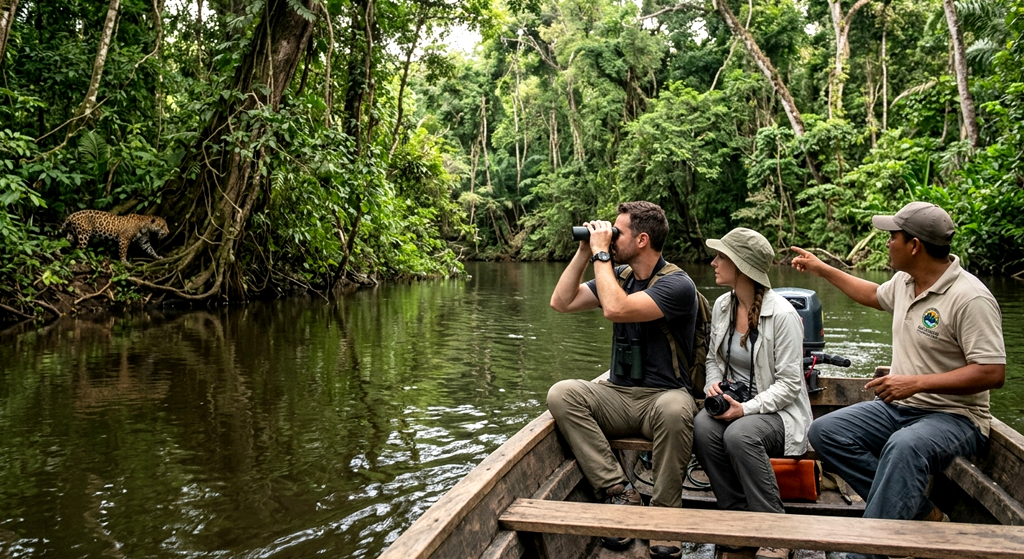
Not strictly required at every site, but a knowledgeable guide substantially improves your odds of spotting and correctly identifying wildlife, particularly at Cockscomb Basin and Crooked Tree, where local guides often know specific areas where recent activity has been reported.
Wildlife photography in Belize benefits from a longer zoom lens or binoculars, since maintaining a respectful distance is both a safety consideration and a conservation practice, particularly around nesting birds and any potential jaguar sign at Cockscomb Basin. Flash photography is generally discouraged around sensitive wildlife, as it can startle animals and disrupt natural behavior, and most experienced guides will advise against it before a night hike or close encounter with marine life.
Wildlife watching doesn’t need to be the sole focus of a trip to be worthwhile. A single morning excursion to Crooked Tree or a guided night walk at an inland eco-lodge can be added to a September itinerary otherwise centered on beaches or Maya ruins, without requiring a significant restructuring of your overall plans. Travelers combining wildlife watching with cultural or historical stops often find that guides at reserves like Crooked Tree also share useful context on the surrounding communities and how conservation efforts there have developed over time.