Quick Links: About Us - Contact Us
For bookings, call us at
+501 677-2900
Quick Links: About Us - Contact Us

Quick Links: About Us - Contact Us

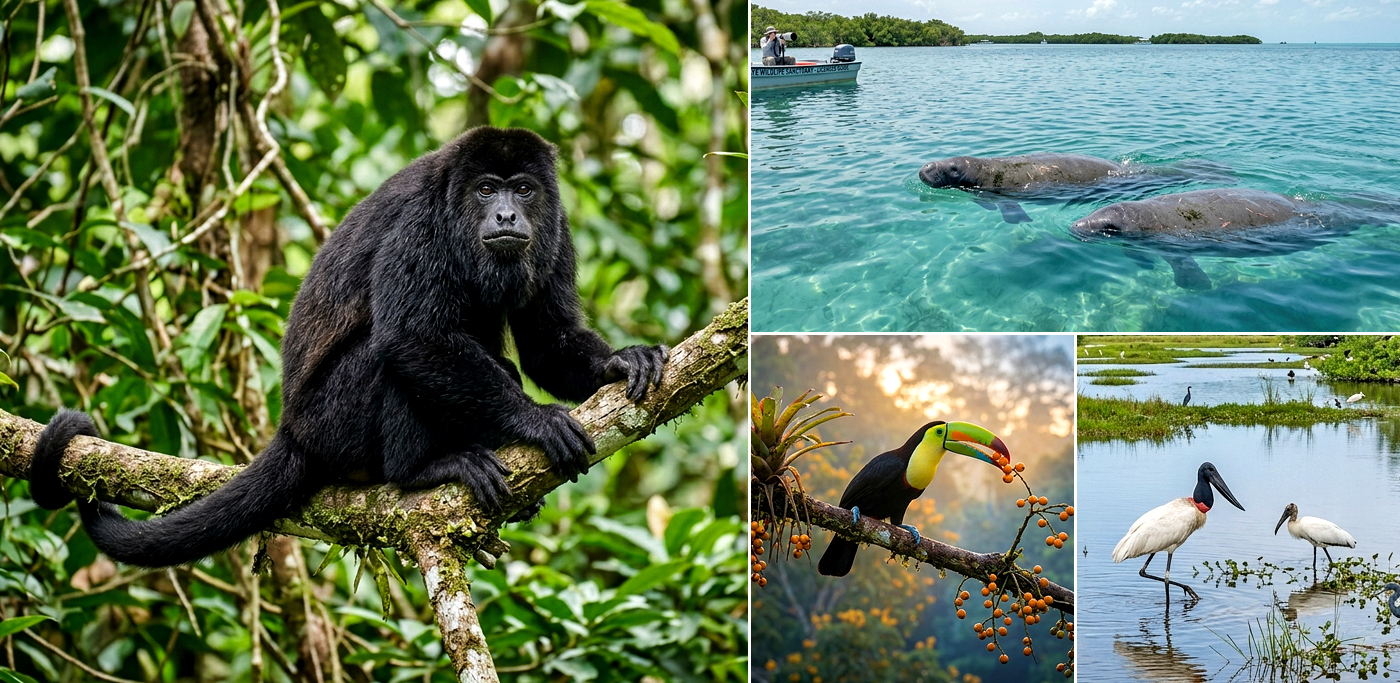
October is a strong month for wildlife in Belize: fall bird migration is underway, rivers and wetlands are full, which draws manatees and waterbirds into view, and the rainforest is at its greenest and most active. The most reliable sightings come from the Belize Zoo, the Community Baboon Sanctuary, Crooked Tree Wildlife Sanctuary, and guided river or jungle tours in the Cayo District and Stann Creek.
Belize’s rainy season swells rivers and wetlands, which concentrates wildlife around water and makes boat-based wildlife tours especially productive. At the same time, fall migration brings additional bird species through the country on their way south, adding to the resident population you’d see any time of year. The trade-off is the same one that runs through this whole season: trails can be muddy and some remote reserves are harder to reach after heavy rain, so guided, vehicle- or boat-based wildlife viewing tends to work better than an ambitious self-guided hike in October.
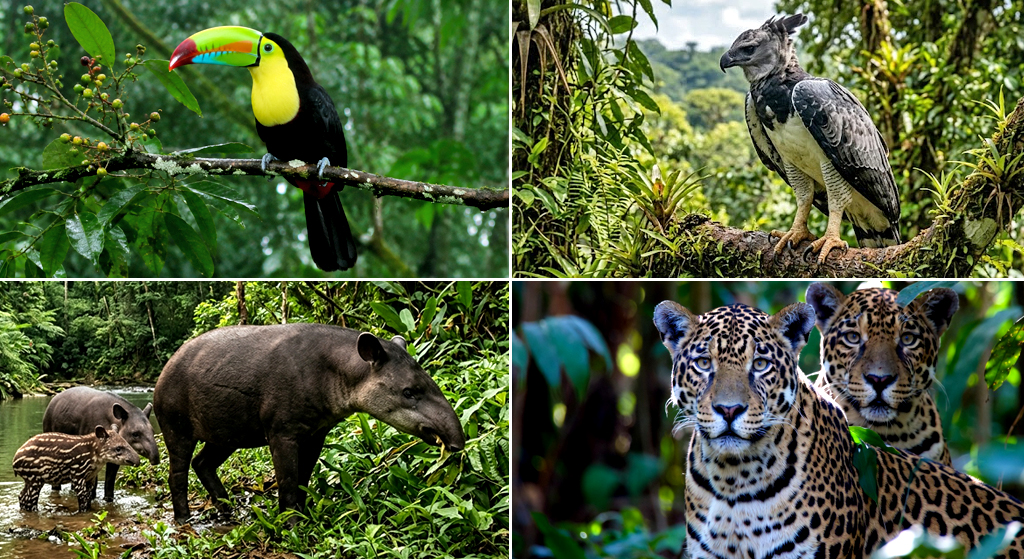
Located on the Western Highway about halfway between Belize City and Belmopan, the Belize Zoo is home to more than 100 native Belizean species, none of them imported from elsewhere. Every animal here was rescued, orphaned or rehabilitated rather than captured for display, and enclosures are large and vegetated rather than caged. Expect to see jaguars, pumas, ocelots, tapirs (Belize’s national animal), howler monkeys, toucans and harpy eagles at close range. A visit takes one to two hours and works well rain or shine, since covered walkways connect much of the property.
October note: Because the animals here are rescues rather than wild sightings, this is the most weather-proof and reliable wildlife stop on any October itinerary, and a strong choice on a day when rain rules out a jungle hike.
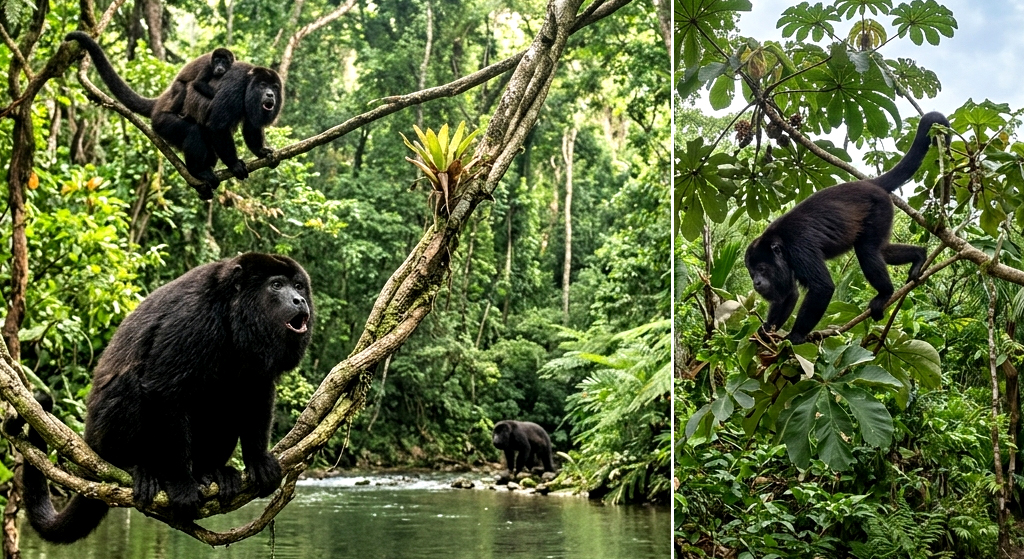
Despite its name, this sanctuary in the village of Bermudian Landing protects black howler monkeys, not baboons (Belize has no native baboon species). Rather than a fenced enclosure, it’s a grassroots conservation area spanning many square miles of private farmland where landowners have agreed to preserve habitat corridors, and the howler population has grown into the thousands as a result.
October note: Howlers are vocal and easiest to hear before you see them; guided walks from the visitor center in Bermudian Landing offer the best odds of a close sighting.
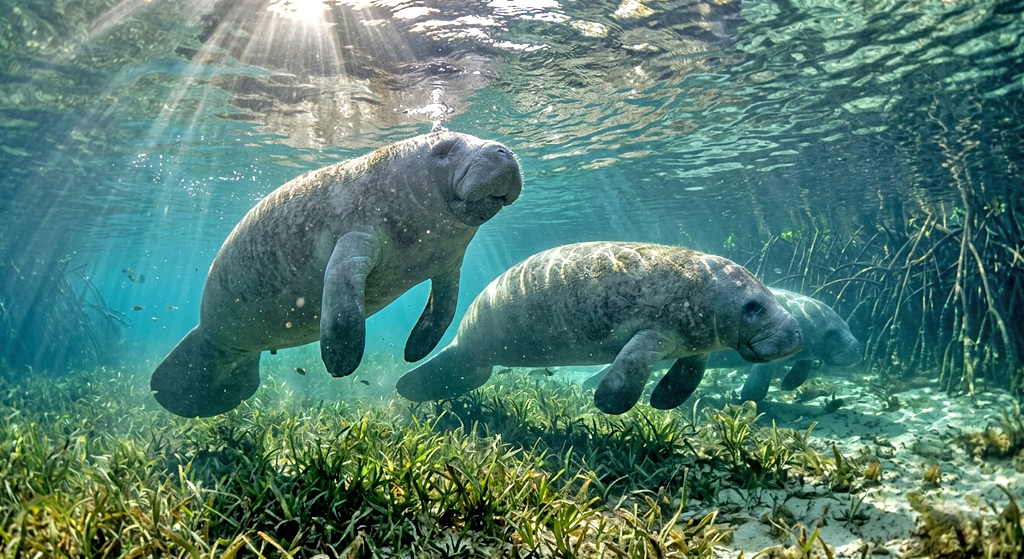
Belize has one of the region’s largest populations of West Indian manatees, and tours based out of Belize City, Placencia and other coastal towns take visitors into calm rivers and lagoons where manatees feed. Sightings depend on patience: most tours involve slow, quiet boating and waiting for a manatee to surface for air rather than an active chase.
October note: Higher water levels in the wet season can spread manatees across a wider area, so a good guide who knows current feeding spots matters more this time of year than in the dry season.
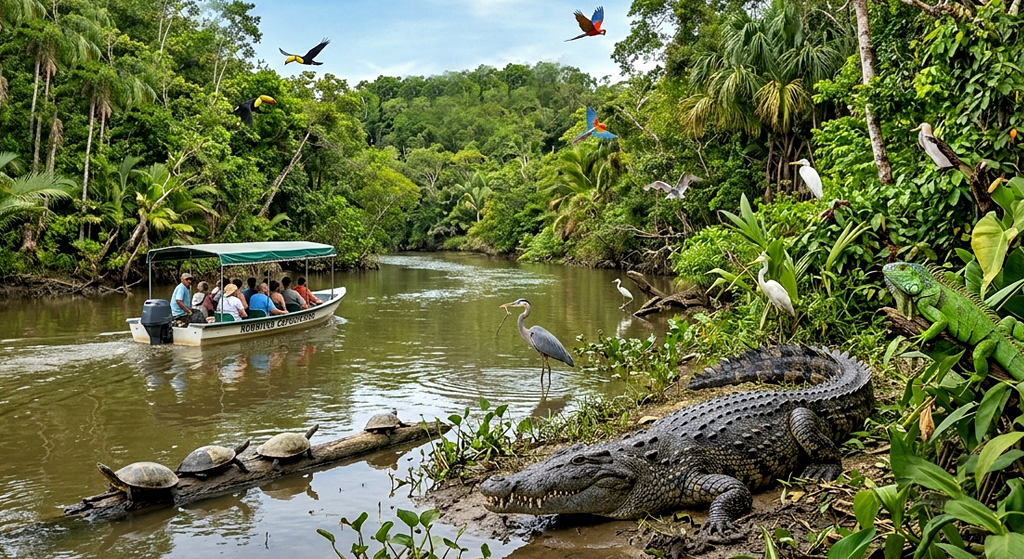
River trips, particularly along the New River toward Lamanai, regularly turn up American crocodiles, iguanas, turtles and a wide range of birds alongside howler monkeys in the riverside canopy.
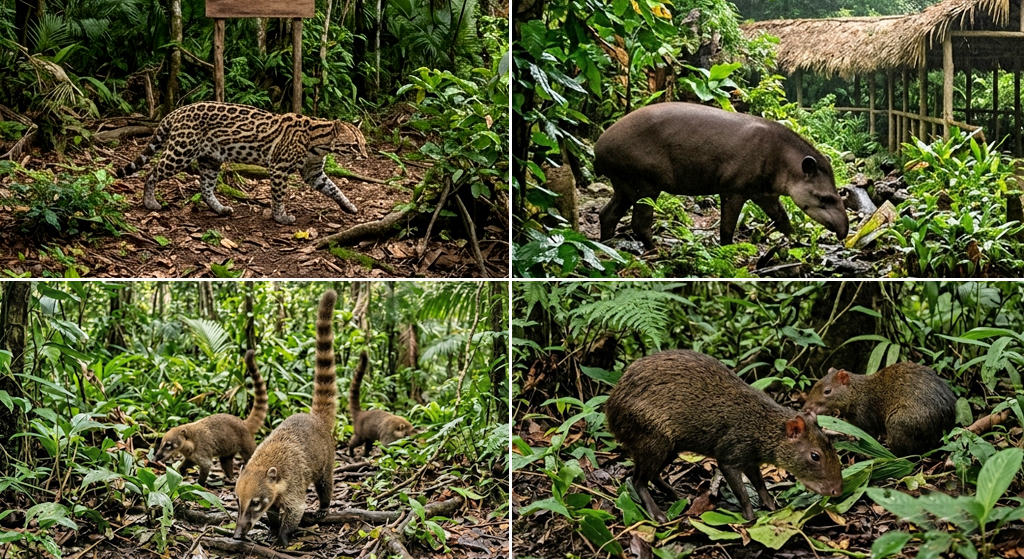
Covered in more detail as one of Belize’s premier national parks, Cockscomb Basin in Stann Creek District is the world’s first jaguar preserve and home to all five of Belize’s wild cat species, along with tapirs, coatis, agoutis and a long list of recorded bird species. Sightings of the cats themselves are rare, but the broader wildlife (deer, birds, tracks and signs of larger animals) makes a guided trail walk worthwhile even without a jaguar encounter.
Wildlife | Best place | October consideration |
Howler monkeys | Community Baboon Sanctuary, Cockscomb Basin, Lamanai river trips | Vocal and easier to hear than see |
Rescued jaguars, tapirs, toucans | The Belize Zoo | Reliable rain or shine |
Manatees | Belize City area rivers, Placencia | Wider range in high water; patience required |
Crocodiles, iguanas | New River, Lamanai boat trips | River-based, not weather-dependent |
Migratory and wetland birds | Crooked Tree Wildlife Sanctuary | Fall migration adds species through October |
Wild cats (rare sightings) | Cockscomb Basin | Guided trails, muddy conditions |
It’s worth setting realistic expectations: wildlife watching in Belize is rarely a guaranteed, close-up encounter the way a zoo visit is. A jungle hike might turn up only birdsong and a distant rustle, and a river trip might pass without a manatee surfacing. This isn’t a flaw in the experience; it’s the difference between a wild encounter and a controlled one, and patience is part of what makes an eventual sighting memorable. Pairing one guaranteed stop, like the Belize Zoo, with one or two wild, patience-required outings tends to give the most satisfying mix on a single trip.