Quick Links: About Us - Contact Us
For bookings, call us at
+501 677-2900
Quick Links: About Us - Contact Us

Quick Links: About Us - Contact Us
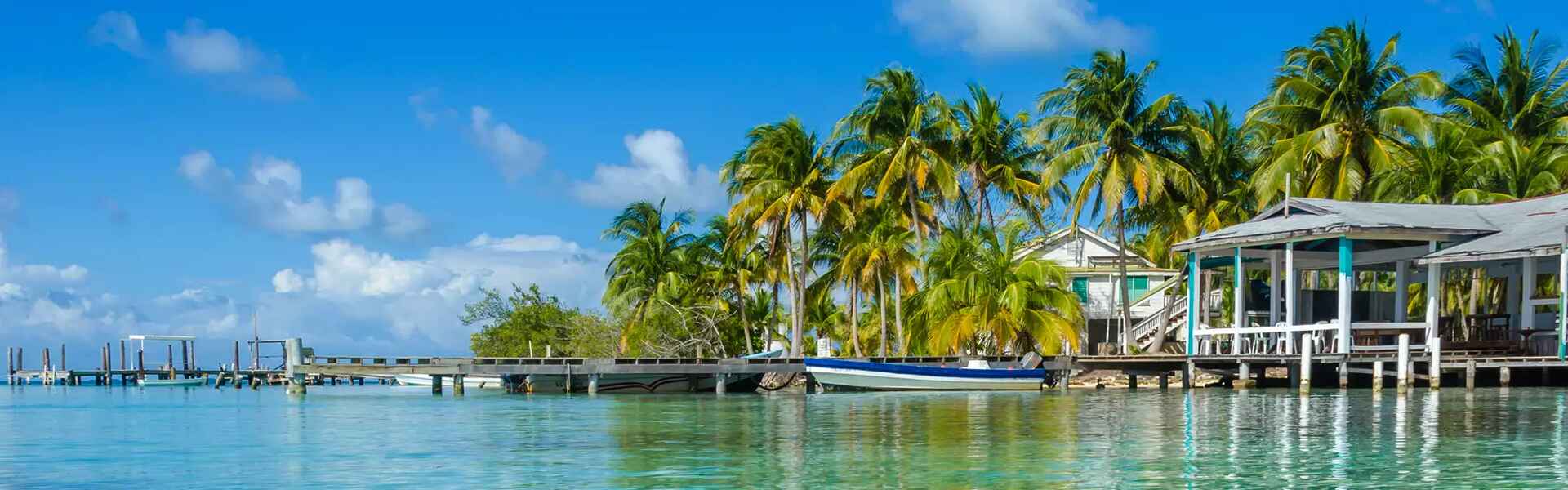

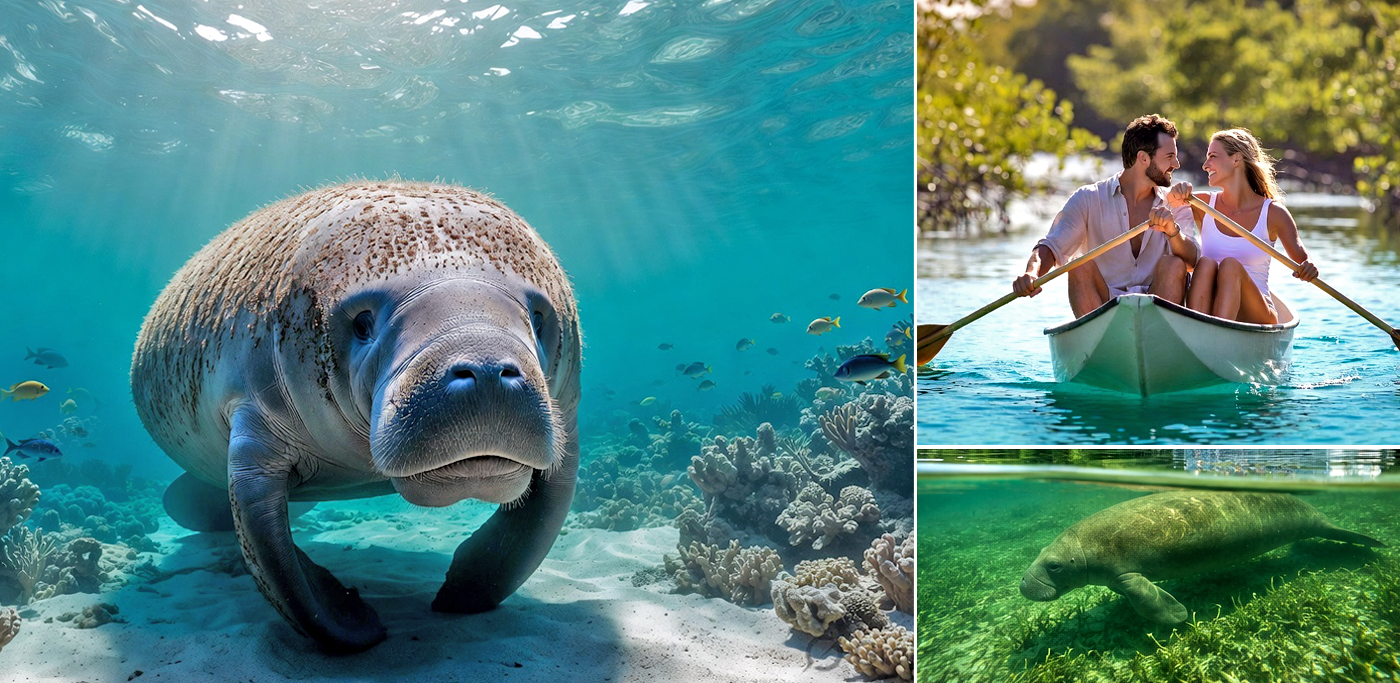
Few wildlife encounters in the Caribbean match the quiet profundity of meeting a West Indian Manatee (Trichechus manatus) in the wild. These immense, slow-moving marine mammals — sometimes reaching 3 meters in length and 600 kilograms in weight — move through Belize’s coastal lagoons, river mouths, and seagrass beds with unhurried grace that instantly recalibrates the tempo of any encounter. In May, before the wet season reshapes water conditions throughout the country, manatee viewing opportunities in Belize are at their most accessible and reliable.
Belize is home to one of the largest populations of West Indian Manatees in the Caribbean, with population estimates ranging from 700 to over 1,000 individuals — a remarkable concentration for an endangered species that faces enormous pressure throughout its range. May’s dry-season-ending conditions create ideal viewing circumstances: calm, clear water in coastal lagoons makes manatees visible from boat level and sometimes even from above; warm water temperatures concentrate animals in predictable feeding areas; and the reduced boat traffic compared to peak season means manatees are less likely to be disturbed and more likely to remain in visible shallow-water positions.
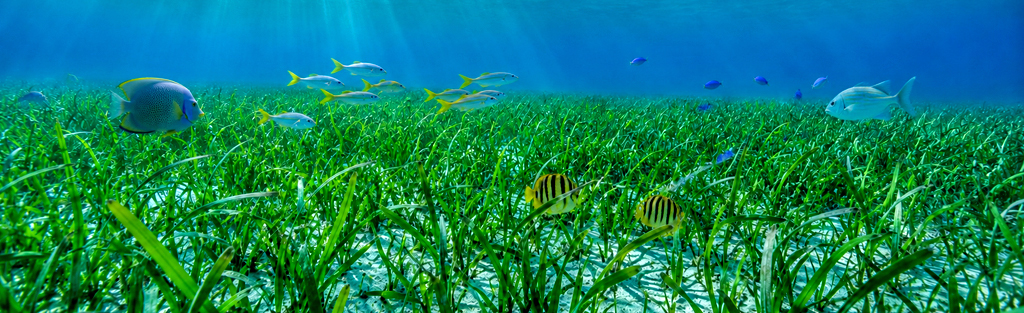
Swallow Caye Wildlife Sanctuary, located approximately 12 miles north of Belize City in the Northern Belize Lagoon, is the single most reliable manatee viewing location in the entire country. The sanctuary — established specifically for manatee protection — hosts a semi-permanent population of 20–30 individuals who have habituated to careful, well-regulated boat tourism in ways that make encounters extraordinarily predictable and close.
The crystal-clear, shallow water of Swallow Caye’s protected lagoon allows viewing from the surface — manatees feeding on seagrass beds are often visible without entering the water. Licensed tour operators from Belize City (including Discovery Expeditions and numerous operators at the Tourism Village) run guided manatee tours to Swallow Caye daily. Tours typically include 2–3 hours at the sanctuary with experienced guides who interpret manatee behavior and explain conservation challenges.
Cost: USD 50–80 per person, strongly recommended to book in advance for May.
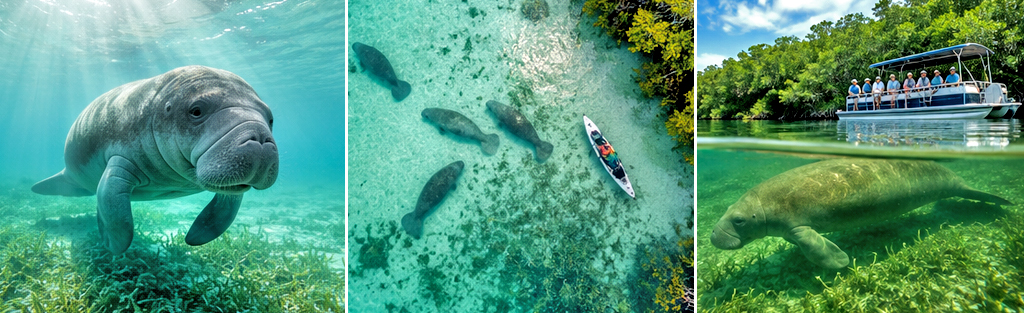
The Placencia Lagoon — the shallow coastal lagoon system separating the Placencia Peninsula from the Belizean mainland — supports a significant resident manatee population that is far less visited than Swallow Caye, despite delivering equally intimate encounters. The lagoon’s extensive seagrass beds provide year-round feeding grounds, and May’s calm conditions make the shallow, clear water ideal for spotting.
Kayak tours of the Placencia Lagoon are one of the most recommended manatee experiences in Belize — approaching at paddle power rather than motor means manatees are far less likely to be disturbed and more likely to remain in feeding positions at the surface. Several operators in Placencia Village offer guided kayak manatee tours at USD 30–50 per person. The Southern Environmental Association (SEA) runs conservation-focused manatee awareness tours that directly support ongoing population research.
Turneffe Atoll’s extensive mangrove and seagrass habitats support a population of manatees that are occasionally encountered during dive and snorkel trips to the atoll. These offshore encounters are less predictable than those at Swallow Caye or Placencia Lagoon but are genuinely exciting when they occur — a manatee appearing alongside a dive boat in open Caribbean water is a startling and memorable experience.
The seagrass beds between Caye Caulker and the mainland support manatee populations that are regularly encountered by slow-moving water taxi passengers and kayakers. Several Caye Caulker tour operators include manatee spotting opportunities in their standard snorkel tour routes during May’s calm conditions.
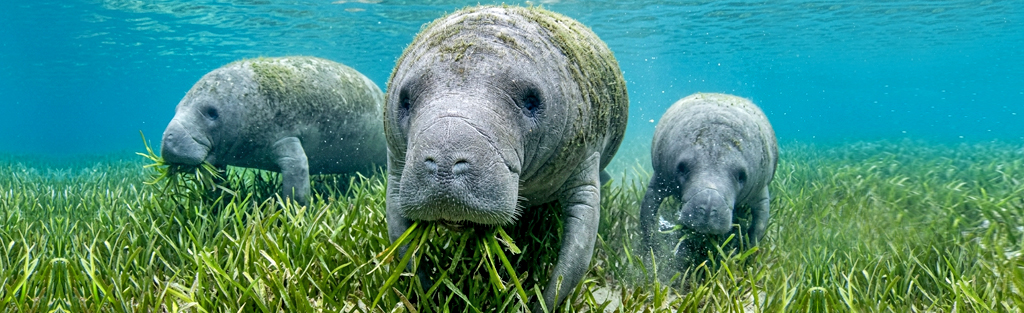
Belize’s manatee population, while among the healthiest in the Caribbean, faces ongoing pressure from boat strikes — the leading cause of adult manatee mortality throughout the range. When viewing manatees from any vessel: maintain a minimum distance of 15 meters at all times; cut boat engines to idle when manatees are within 50 meters; never pursue or encircle a manatee that is actively moving away; do not attempt to touch or feed manatees under any circumstances (it is illegal under Belizean wildlife law and disrupts natural feeding behavior). If snorkeling near manatees, float passively — do not kick toward animals. A curious manatee will approach you; an approached manatee will flee.
May offers one of the best opportunities to see manatees in Belize as they gather in warm, calm waters before the wet season intensifies. With the right locations and responsible tour operators, sightings can be both frequent and respectful of conservation efforts. Experiencing these gentle creatures in their natural habitat adds a meaningful and memorable dimension to any Belize trip.