Quick Links: About Us - Contact Us
For bookings, call us at
+501 677-2900
Quick Links: About Us - Contact Us

Quick Links: About Us - Contact Us


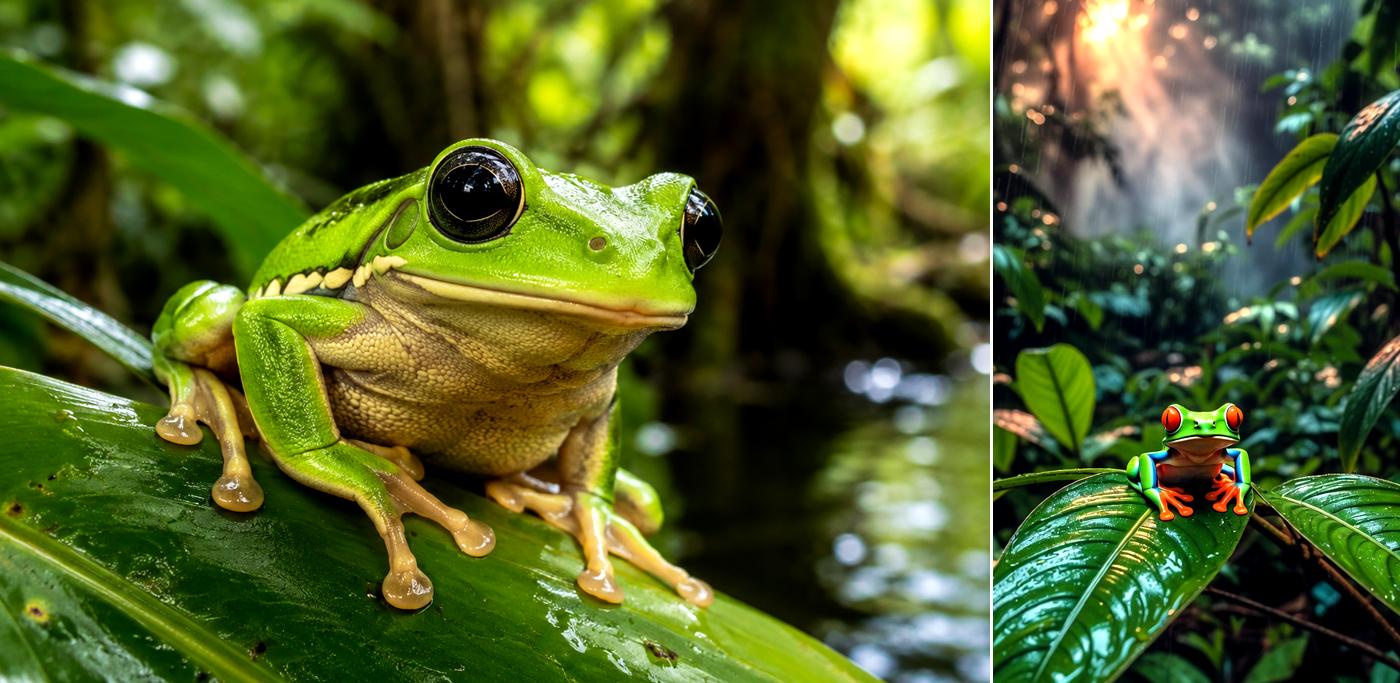
Belize is renowned for its stunning beaches, ancient Maya sites, and vibrant marine life, but many travelers overlook one of the country’s most fascinating wildlife experiences—its amphibians. As the rainy season begins in June, forests, wetlands, and jungle trails come alive with the sounds and movements of frogs, toads, and other unique amphibians.
If you’re interested in discovering exotic frogs & amphibians, which visitors are most likely to encounter, this blog will help you identify common species, find the best viewing locations, and observe these remarkable creatures responsibly.
June marks the beginning of the wet season in Belize. Increased rainfall creates ideal breeding conditions for amphibians, leading to a noticeable increase in activity throughout the country’s rainforests and wetlands. During this time, frogs emerge from hiding to feed, mate, and lay eggs. Their calls fill the night air, making it easier for wildlife enthusiasts to locate them. Temporary pools, forest streams, and damp vegetation become hotspots for amphibian activity. For nature lovers, June offers one of the best opportunities to experience the rich diversity of Belize amphibians rainy season conditions bring to life.
Belize may be a small country, but it supports an impressive variety of amphibian species thanks to its tropical climate and diverse ecosystems. From dense rainforests to coastal wetlands, these habitats provide ideal environments for frogs and toads.
Amphibians play an important ecological role by controlling insect populations and serving as indicators of environmental health. Because their skin is highly sensitive to pollution and habitat changes, healthy amphibian populations often signal a healthy ecosystem.
While many visitors search for poison dart frogs, it’s important to know that true poison dart frogs are not native to Belize. However, the country is home to several colorful and exotic species that are equally exciting to observe.
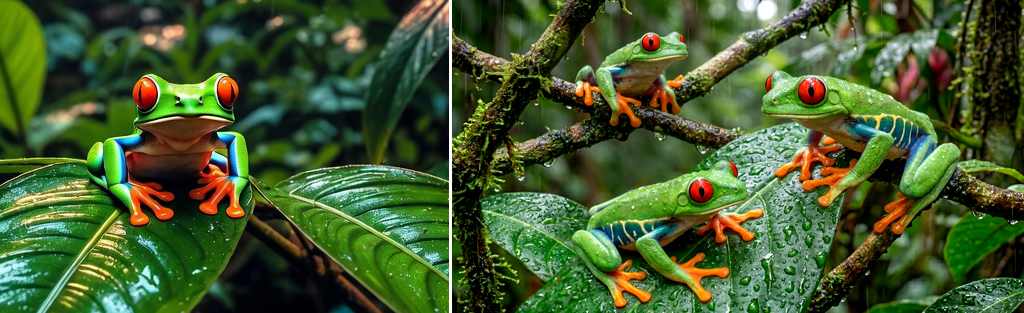
The Red-Eyed Tree Frog is undoubtedly one of the most recognizable amphibians in Central America. With its bright green body, vibrant red eyes, blue-striped sides, and orange feet, this species looks almost unreal. These frogs spend much of their time resting on leaves during the day and become active after sunset.
Where to Find Them – You can often spot Red-Eyed Tree Frogs in:
Best Viewing Time – The best time to encounter them is shortly after sunset, especially following an afternoon rain shower. Photographers often consider June one of the best months to capture these iconic amphibians in their natural habitat.
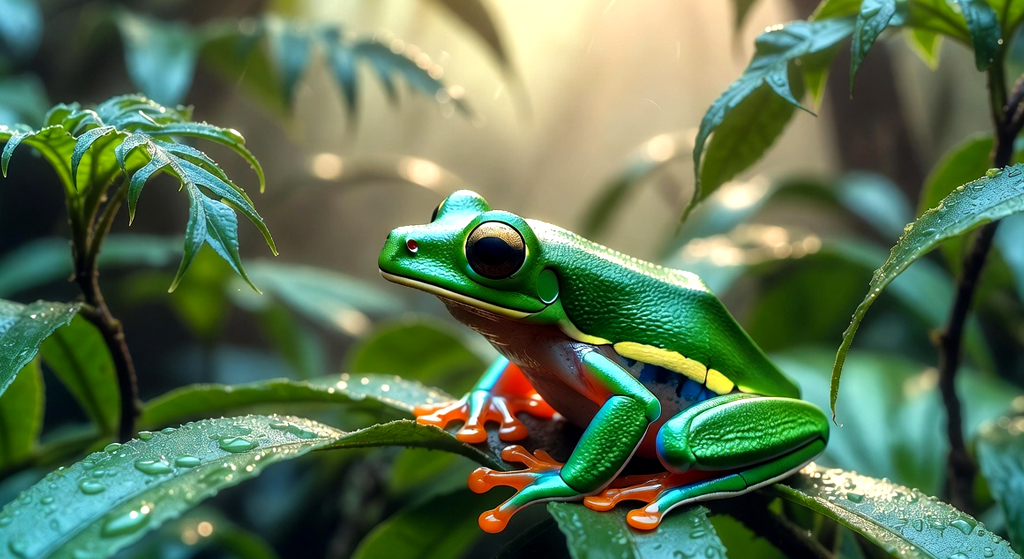
Another impressive species found in Belize is the Morelet’s Tree Frog, sometimes called the Black-Eyed Tree Frog. This medium-sized frog features a bright green body and striking dark eyes. During the breeding season, males can be heard calling loudly near ponds and temporary pools.
Habitat –Morelet’s Tree Frogs are commonly found in:
Their increased vocal activity during rainy evenings makes them easier to locate than many other species.
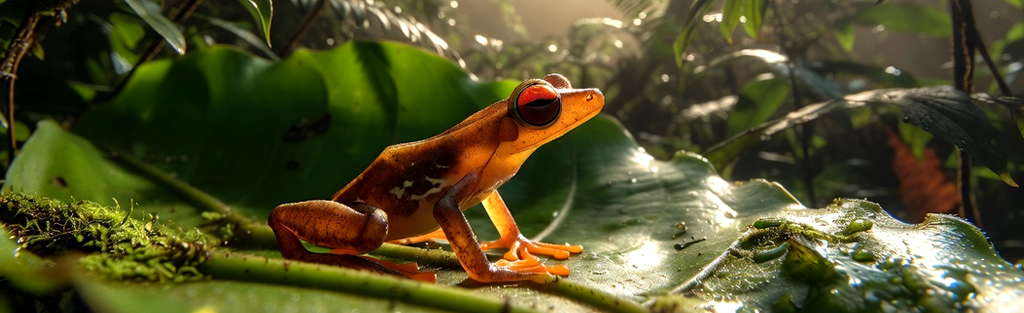
The Maya Rain Frog is a much smaller species but remains one of the most interesting amphibians found in Belize. Unlike colorful tree frogs, these frogs rely on camouflage and are often hidden among leaves on the forest floor. Their distinctive calls are frequently heard after rainstorms.
Because they blend so effectively into their surroundings, patience is often rewarded when searching for this elusive species.
One amphibian that almost every visitor eventually encounters is the Cane Toad. As the largest commonly seen amphibian in Belize, the Cane Toad can grow surprisingly large and is easily identified by its warty skin and stocky appearance.
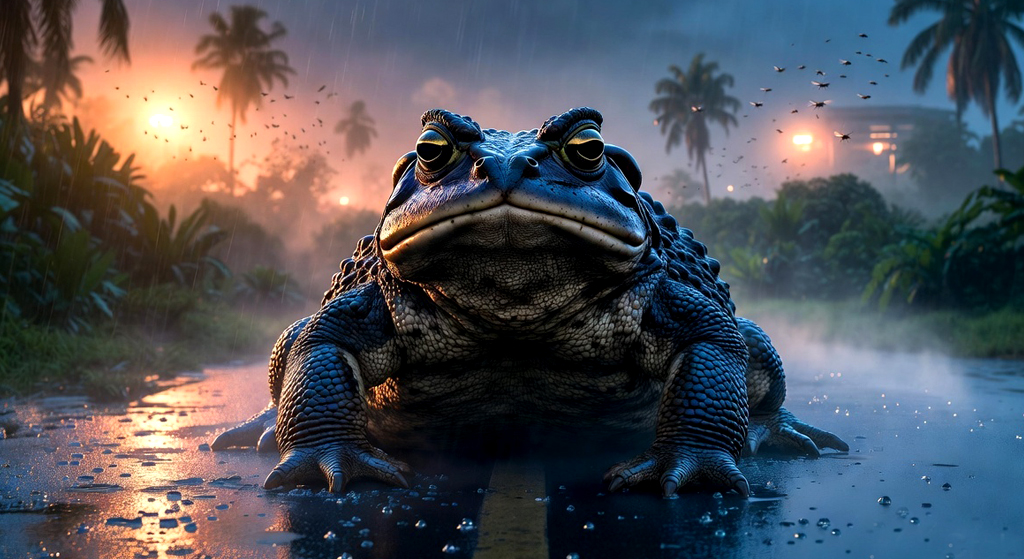
Where They Appear – Cane Toads are often found:
While not as visually striking as tree frogs, they are an important part of Belize’s wildlife ecosystem.
Certain regions offer particularly rewarding wildlife-viewing opportunities.
Cockscomb Basin Wildlife Sanctuary – One of Belize’s premier wildlife destinations, Cockscomb Basin offers extensive rainforest habitat where numerous frog species thrive. Visitors joining guided night walks often enjoy excellent amphibian sightings during the wet season.
Toledo District – The Toledo District is one of the most biodiverse areas in Belize. Dense forests, rivers, and remote jungle environments support a wide range of amphibian species. Wildlife enthusiasts looking for authentic rainforest experiences frequently choose this region.
Caves Branch Area – The forests and waterways surrounding Caves Branch create ideal conditions for amphibians. Guided eco-tours often include nighttime wildlife excursions where frogs are among the primary attractions.
Eco-Lodges and Jungle Resorts – Many jungle lodges are surrounded by natural habitats that attract amphibians. In some cases, guests can spot frogs directly from walking paths, gardens, or observation decks after dark.
Most amphibians in Belize are nocturnal. For the highest chance of sightings:
Warm, humid nights generally produce the best results.
Bringing the right equipment can greatly improve your wildlife-watching experience. Recommended items include:
A red-light setting is particularly useful because it reduces disturbance to wildlife while still allowing you to observe animals clearly.
Responsible wildlife tourism helps protect Belize’s natural environments for future generations. When observing amphibians:
Many amphibians are masters of camouflage and can be difficult for first-time visitors to locate. Experienced local guides can:
Their expertise often transforms a simple night walk into a memorable wildlife experience.
The arrival of the rainy season transforms Belize’s forests into a thriving amphibian paradise. From the famous Red-Eyed Tree Frog to elusive rainforest species hidden among the leaves, June provides exceptional opportunities for wildlife observation. Whether you’re an avid photographer, a nature enthusiast, or simply curious about Belize wildlife, exploring the country’s amphibian-rich habitats offers a unique perspective on one of Central America’s most biodiverse destinations.
By practicing ethical wildlife viewing and respecting natural habitats, visitors can enjoy unforgettable encounters while helping preserve Belize’s incredible ecosystems for years to come.