Quick Links: About Us - Contact Us
For bookings, call us at
+501 677-2900
Quick Links: About Us - Contact Us

Quick Links: About Us - Contact Us
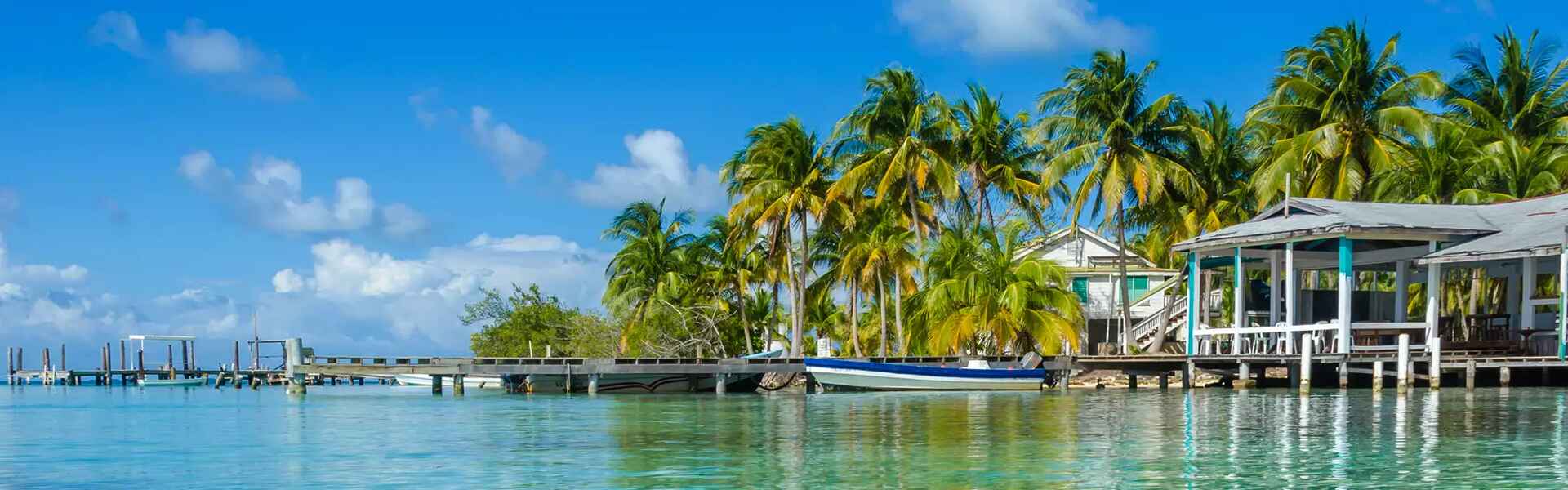

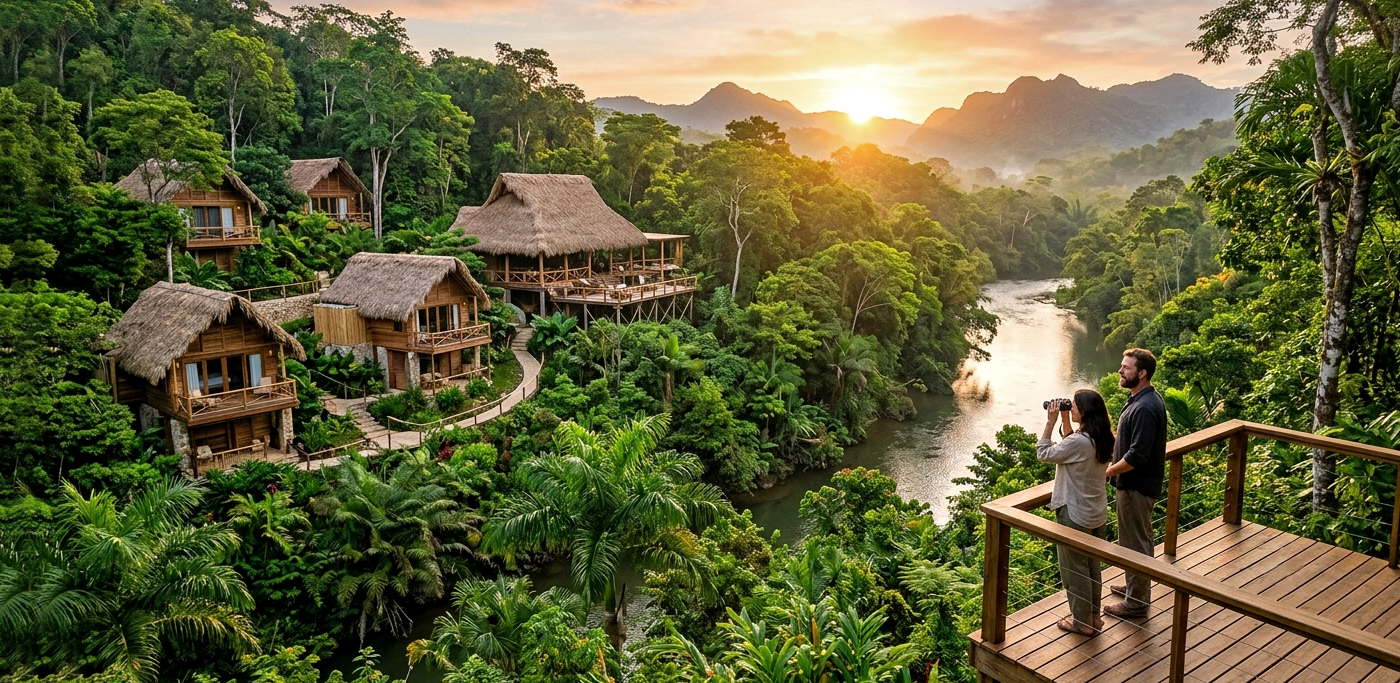
Belize’s best eco-lodges are concentrated mainly in the Cayo District rainforest, with additional options along the coast, generally combining lower-impact building practices, on-site nature experiences like birding or night hikes, and locally sourced food. They suit travelers who prioritize a close connection to the surrounding environment over resort-style amenities, and are worth vetting carefully to confirm genuine sustainability practices rather than marketing language alone.
An eco-lodge, in principle, differs from a conventional resort by minimizing its environmental footprint, through building materials, energy use, water management, and waste practices, while integrating guests more directly into the surrounding ecosystem through guided nature activities. In practice, the term is used loosely across the travel industry, so genuine verification matters more here than for standard accommodation searches, and a little research before booking goes a long way toward avoiding disappointment.
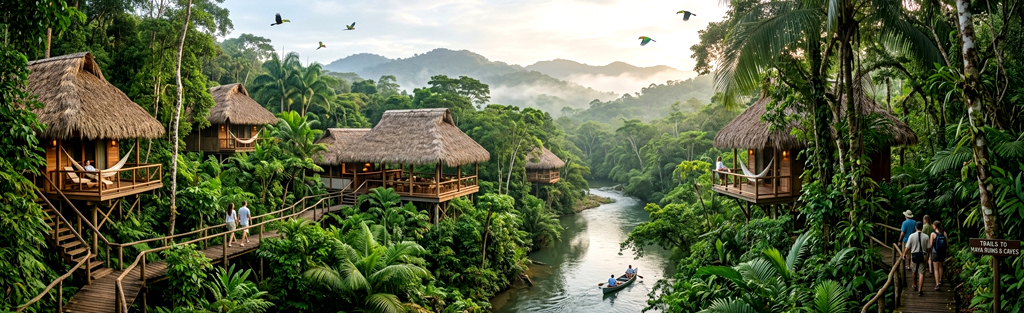
Cayo District’s dense rainforest setting is home to Belize’s highest concentration of eco-lodges, many offering direct access to hiking trails, birding, and proximity to Maya ruin sites and cave systems. These properties typically emphasize immersion in the surrounding jungle over resort-style amenities, and often include guided activities as part of a stay, giving guests a more structured way to experience the rainforest than arranging every excursion independently.
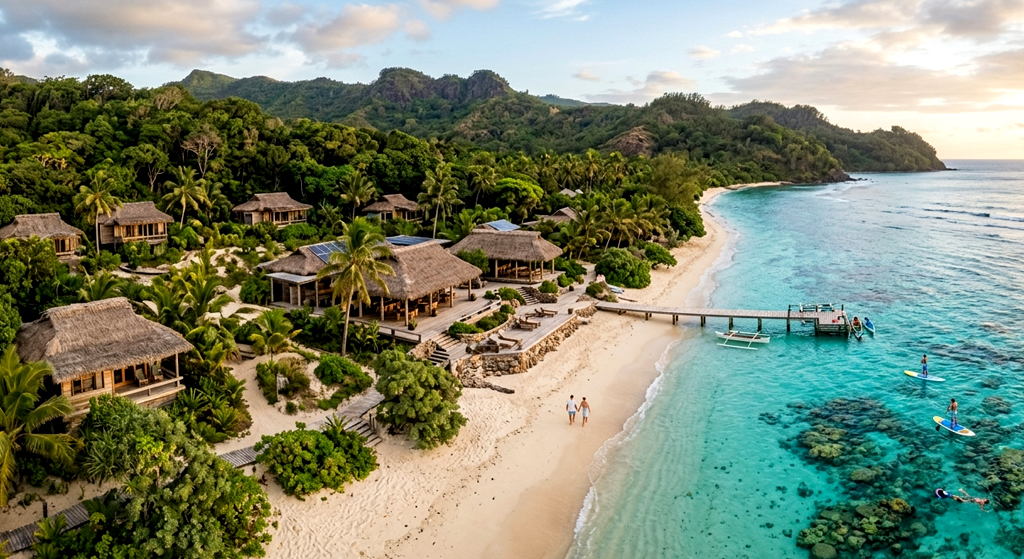
Some coastal properties, particularly smaller independently run resorts, also emphasize sustainability practices alongside beach or reef access. These tend to be a smaller share of the overall coastal accommodation market compared to the concentration of eco-lodges inland, though a handful of well-regarded coastal properties combine reef access with genuinely lower-impact operations.
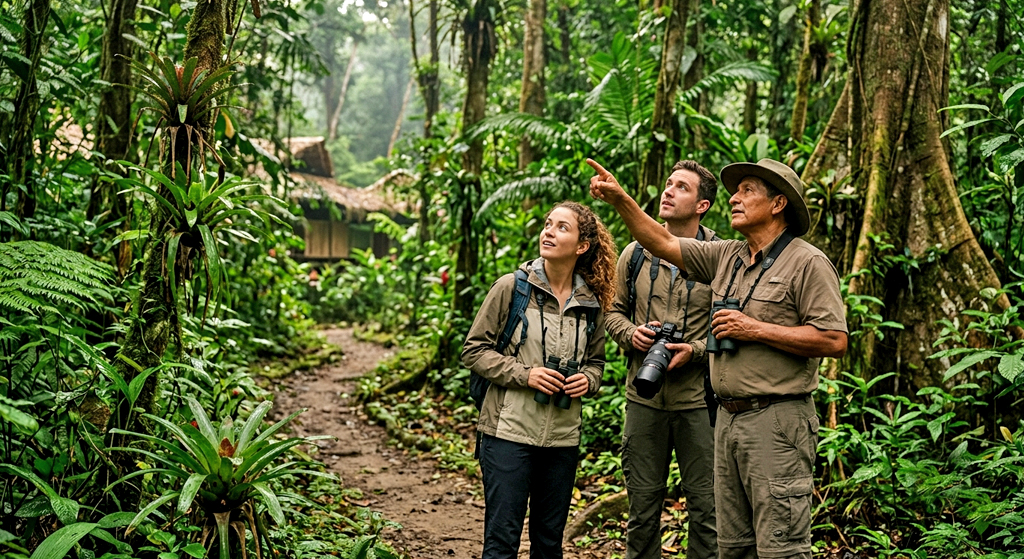
Many eco-lodges include guided birding walks, night hikes, or river access as part of the property’s offerings, which can reduce the need for separate excursion bookings elsewhere. This is a genuine advantage for travelers prioritizing wildlife and nature access over convenience-focused resort amenities, and it also means a rainy afternoon doesn’t necessarily rule out a shorter, covered nature walk led by on-site staff.
Pricing varies considerably by property and doesn’t follow a consistent pattern relative to standard resorts, some eco-lodges are positioned as budget-friendly, while others are priced at a premium reflecting more remote locations or higher service levels. Comparing specific properties directly, rather than assuming a category-wide price difference, is the more reliable approach.
Many eco-lodges welcome families and some design activities specifically for children, though the more remote, nature-immersive setting suits families comfortable with fewer resort-style conveniences than a standard beachfront hotel. Confirming a property’s specific family policies, including any age restrictions on certain excursions, is worth doing directly before booking.
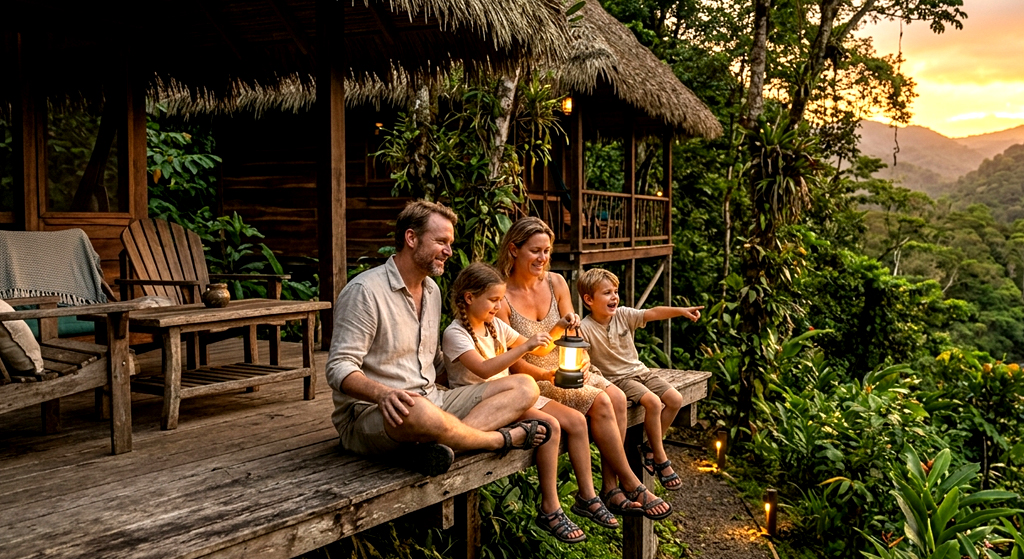
This varies significantly by property, some rely partly on solar power with limited evening hours, while others offer full-time power and connectivity. Confirm directly with any lodge you’re considering, particularly if staying connected during your trip is a priority.
Given the more remote setting of many eco-lodges, packing a flashlight or headlamp, extra insect repellent, and any specific medications is worth prioritizing, since these items may not be as readily available as they would be in a larger coastal town. A pair of sturdy walking shoes suited to jungle trails is also a practical addition.
Many of Belize’s inland eco-lodges sit some distance from the nearest town along unpaved access roads, which is part of what makes them feel genuinely secluded but also means transport needs planning. Most properties arrange transfers from San Ignacio, Belmopan, or the international airport for arriving guests, and confirming this in advance is generally easier than arranging independent transport on arrival.
Inland rainforest lodges suit travelers whose main interest is jungle wildlife, hiking, caves, and Maya sites, while coastal eco-focused properties make more sense for those prioritizing reef access and beach time with a lower-impact operator. Travelers with a full week may reasonably split their stay between one of each, which also mirrors the coast-plus-jungle structure recommended in Belize On Top’s 7-day itinerary.