Quick Links: About Us - Contact Us
For bookings, call us at +501 677-2900
Quick Links: About Us - Contact Us

Quick Links: About Us - Contact Us

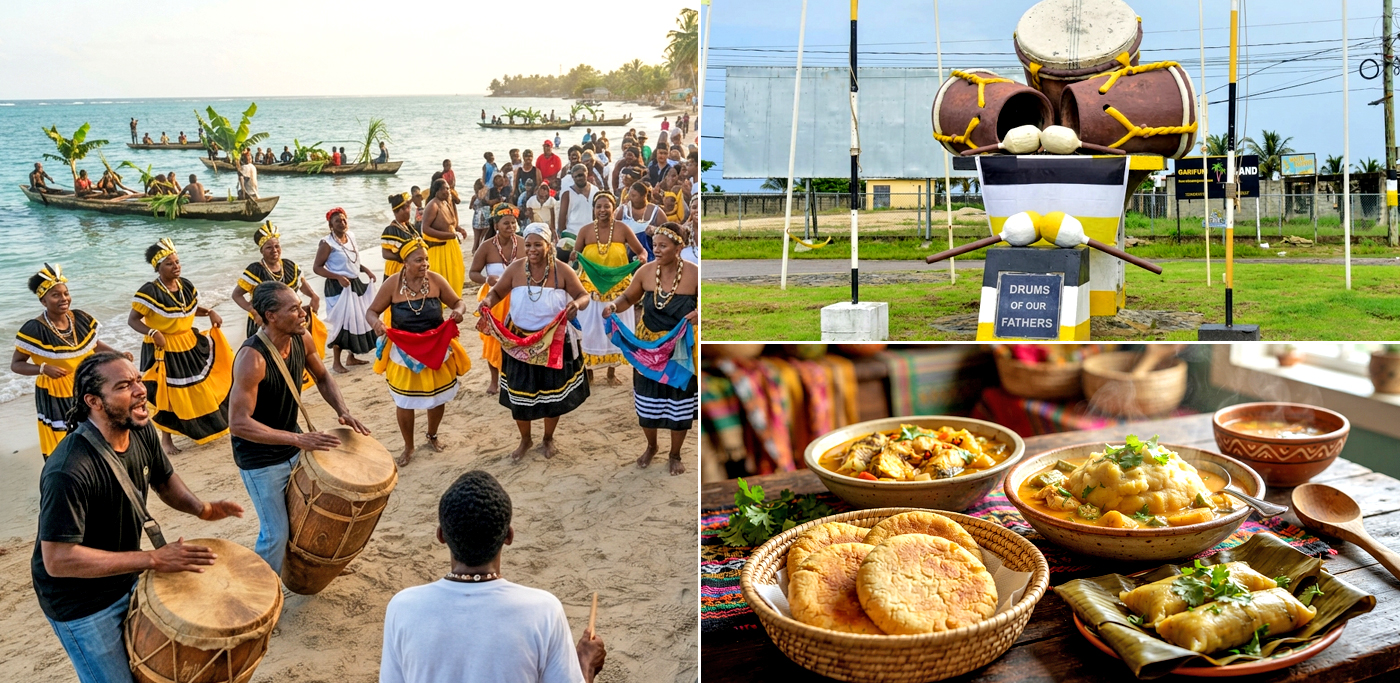
Garifuna history in Belize is closely connected to migration, resistance, cultural preservation and community identity. Every November 19, Garifuna Settlement Day recognizes the history of the Garinagu and their continuing contribution to Belizean society.
For visitors, the celebration offers an opportunity to learn about the Garifuna language, traditional music, drumming, food and ceremonies. Understanding its historical meaning is important, however, because the day is not simply a festival designed for tourists. It is a meaningful expression of cultural identity and remembrance.
Garifuna Settlement Day commemorates the arrival and settlement of Garifuna people in Belize, traditionally associated with November 19, 1832.
The holiday also recognizes the wider history of the Garinagu, including their African and Indigenous Caribbean ancestry, displacement from Saint Vincent and migration along Central America’s Caribbean coast.
The observance was established in Dangriga in 1941 through the efforts of Garifuna community leaders, including Thomas Vincent Ramos. It subsequently became a nationwide public holiday in 1977.
Garifuna is the name used for the people and their culture, while Garinagu is the plural form commonly used by the community. Their cultural identity developed through the interaction of African and Indigenous Caribbean peoples on the island of Saint Vincent. Their ancestry, language and traditions reflect a distinctive history that continued despite colonial conflict and forced displacement.
UNESCO describes the Garifuna as a population incorporating cultural elements from Indigenous Caribbean and African groups. Garifuna communities are found in Belize, Honduras, Guatemala and Nicaragua.
In Belize, Garifuna communities are particularly associated with:
These communities continue to preserve and develop Garifuna cultural traditions.
To understand Settlement Day, it helps to look beyond a single arrival date.
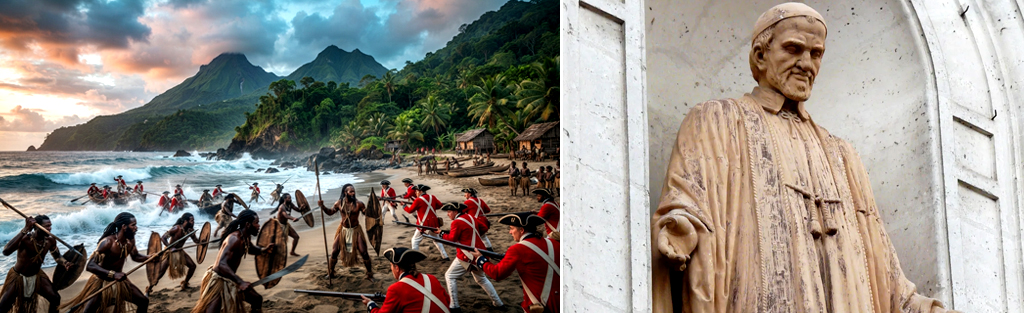
The Garifuna people developed a distinct identity in Saint Vincent through the interaction of African and Indigenous Caribbean populations. Their communities maintained their own language, customs, social structures and traditions. During European colonial expansion, the Garifuna resisted British control over their homeland.
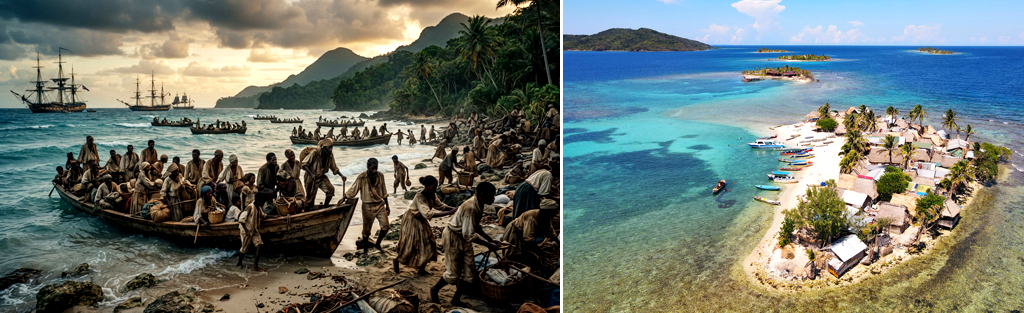
In the late eighteenth century, British military action resulted in the forced removal of Garifuna people from Saint Vincent. Many were transported to Roatán, an island off the coast of present-day Honduras. From there, Garifuna communities gradually established settlements along the Central American Caribbean coastline. UNESCO identifies the late eighteenth-century displacement from Saint Vincent as a defining part of Garifuna history.
The historical accounts surrounding Garifuna migration to Belize require careful interpretation. Belize’s traditional Settlement Day narrative commemorates an arrival on November 19, 1832, associated with Alejo Beni. However, Belizean cultural sources also describe earlier migration and settlement, with some accounts identifying 1823 as the arrival of the largest group. These dates should not be presented as interchangeable or as evidence that Garifuna history began in Belize in 1832. The important distinction is that November 19 commemorates a major historical milestone within a much longer migration and settlement history.
Garifuna community leader Thomas Vincent Ramos played an important role in establishing the observance. According to historical material contributed by the Ramos family, Ramos and other community representatives petitioned colonial authorities for recognition of the arrival and cultural contribution of the Garinagu. The first observance took place in Stann Creek District in 1941. The holiday subsequently extended to other southern communities and became a nationwide public and bank holiday in 1977.
Year or period | Historical significance |
1797 | Forced displacement of Garifuna people from Saint Vincent |
Early 1800s | Garifuna communities expanded along Central America’s Caribbean coast |
1823 | Date identified in some Belizean cultural accounts for a major migration |
1832 | Traditional arrival date commemorated on November 19 in Belize |
1941 | First formal Settlement Day observance in Stann Creek |
1943 | Holiday recognition extended to Punta Gorda |
1977 | Nationwide public and bank holiday established |
2001/2008 | UNESCO proclamation and subsequent inscription of Garifuna language, dance and music as intangible cultural heritage |
The 1823 and 1832 entries reflect differing historical accounts and require cultural-review approval before publication.
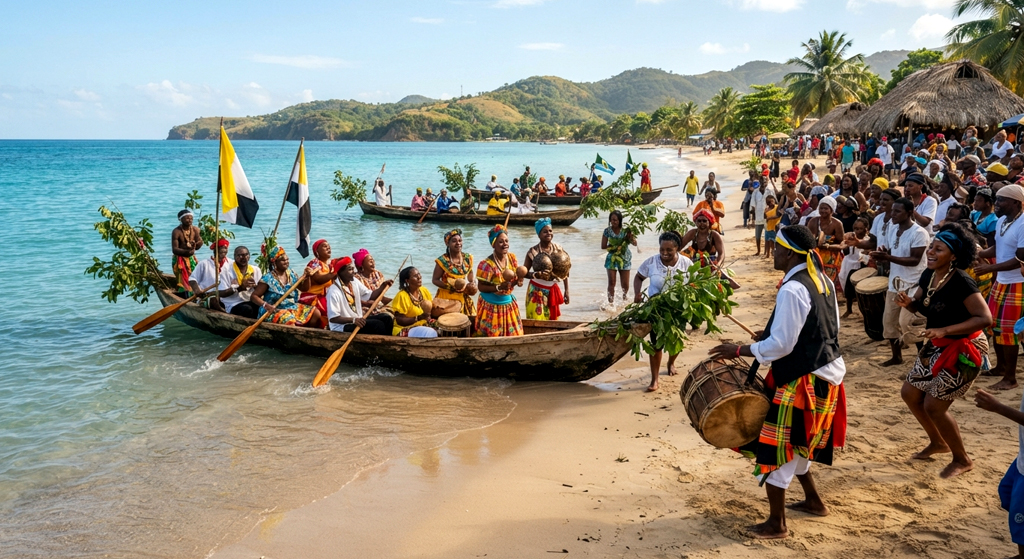
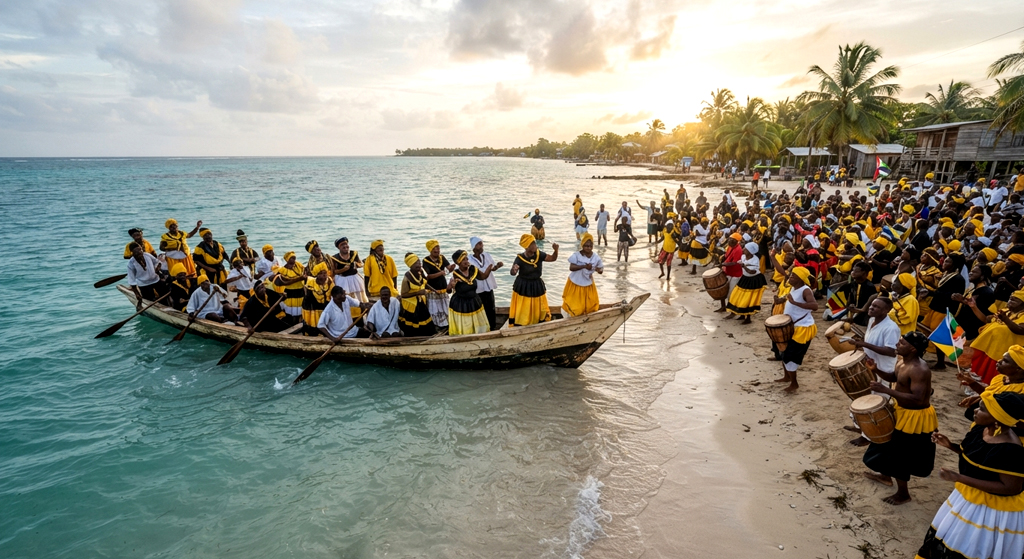
Yurumein is associated with the Garifuna ancestral homeland of Saint Vincent and is also the name commonly used for the Settlement Day reenactment. During the ceremony, participants arrive by canoe, accompanied by traditional music and singing. The reenactment symbolizes the arrival of Garifuna ancestors and their establishment of communities in Belize. It is an important expression of collective memory and cultural continuity.
Visitors attending the ceremony should remember that its significance extends beyond the visual spectacle. It represents a historical experience that continues to shape Garifuna identity.
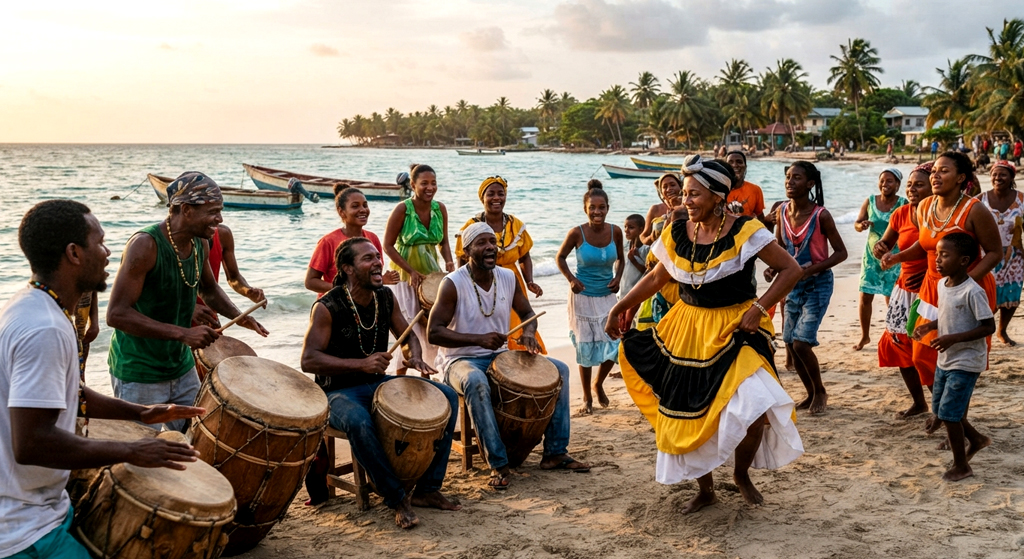
Garifuna culture is maintained through language, storytelling, music, dance, food and community traditions.
Garifuna belongs to the Arawakan language family. It carries traditional knowledge, oral histories, expressions and cultural practices that have been passed between generations. UNESCO recognizes the language as an important part of the community’s intangible cultural heritage. Its safeguarding work also highlights concerns about declining language transmission and the importance of revitalization. (Source: UNESCO Intangible Cultural Heritage)
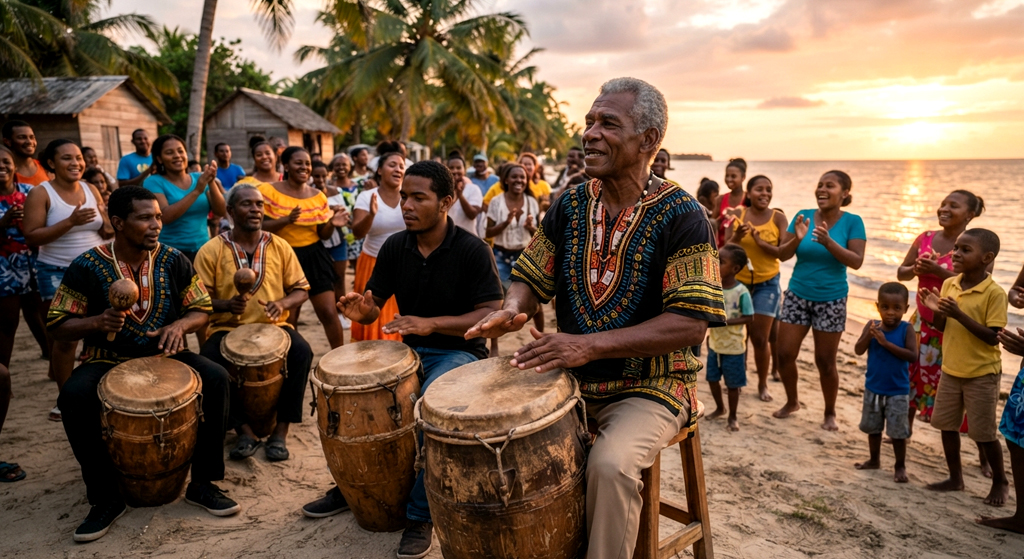
Drumming is an important part of Garifuna cultural expression. Two commonly recognized traditional drums are:
Other instruments, including maracas, accompany particular performances.
Punta is a well-known Garifuna musical and dance tradition, while Punta Rock represents a modern musical development influenced by traditional rhythms. Music is also connected to storytelling, community celebrations and ceremonial life.
Dugu is a significant Garifuna spiritual ceremony associated with ancestral relationships and community life. It is not simply a public dance or entertainment performance. The ceremony has religious and cultural meaning, and some aspects are private or restricted. Visitors should not assume that every Garifuna cultural practice is open to tourists or available for photography.
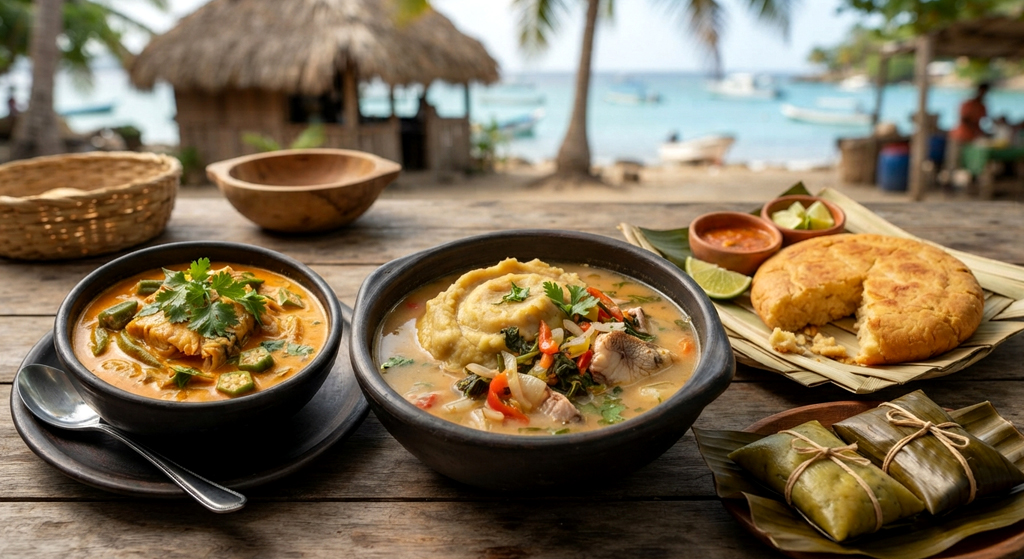
Food provides another way to understand Garifuna heritage. Traditional dishes include:
Preparation methods and recipes vary between families and communities. Trying locally prepared food is a meaningful way to support community cooks and food traditions.
Different communities offer different opportunities to understand Garifuna heritage.
Visitors can attend public celebrations while respecting the community’s cultural practices.
Keep these guidelines in mind:
If you are unsure whether a ceremony is open to visitors, ask an organizer rather than assuming attendance is permitted.
For a deeper understanding, consult:
UNESCO’s recognition of Garifuna language, music and dance is particularly useful because it explains the importance of preserving these traditions beyond a single annual celebration. Read the official UNESCO Garifuna intangible heritage record for additional context.
Garifuna Settlement Day represents much more than an annual celebration. It connects Belize’s present with a history of migration, resistance, community building and cultural preservation. Understanding Yurumein, the Garifuna language, drumming, food and ceremonial traditions helps visitors appreciate why November 19 is so important.
If you are attending the celebrations, approach the occasion with curiosity and respect. Learn from Garifuna community members, support their cultural initiatives and recognize that the traditions belong first and foremost to the people who preserve them.