Cockscomb Basin and Crooked Tree tend to dominate Belize’s nature reserve conversation, and deservedly so. But the country protects a surprising number of additional reserves that see a fraction of the visitors while offering equally rich wildlife and landscapes.
Why Visit Belize’s Underrated Reserves
Beyond simply avoiding crowds, Belize’s lesser-known reserves often protect distinct ecosystems — different forest types, wetlands, or coastal habitats — than the country’s headline destinations, giving well-traveled visitors a genuinely different experience on a return trip.
Five Blues Lake National Park
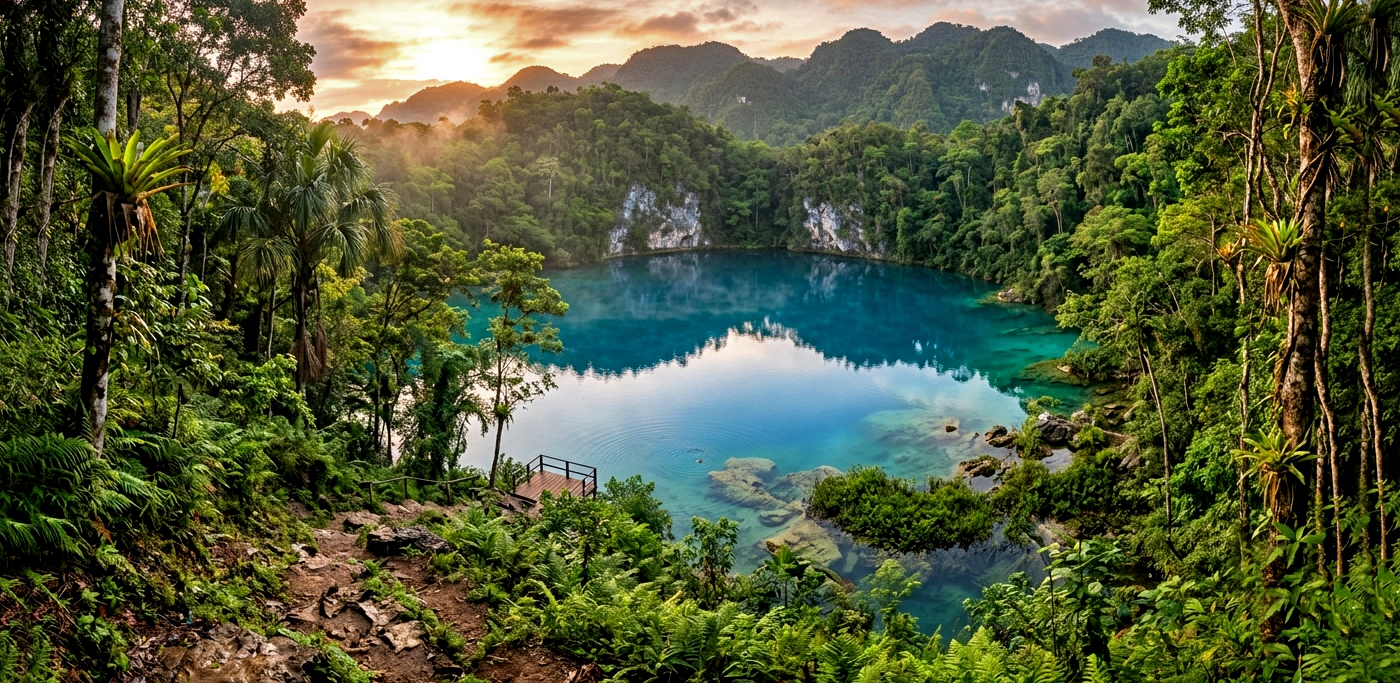
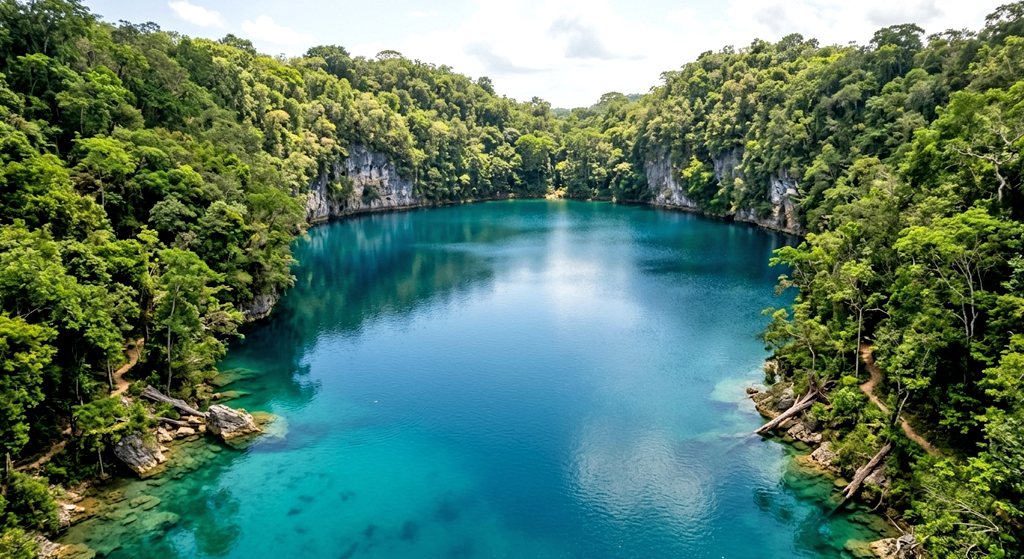
Located in the Cayo District, Five Blues Lake gets its name from the striking, shifting shades of blue visible in its karst sinkhole lake, which occasionally drains and refills due to underground geological activity. The park offers hiking trails through surrounding forest and a much quieter alternative to more visited lakes and swimming holes in the region.
Entrance fee: Modest, typically a few dollars, collected at the park entrance.
Chiquibul National Park
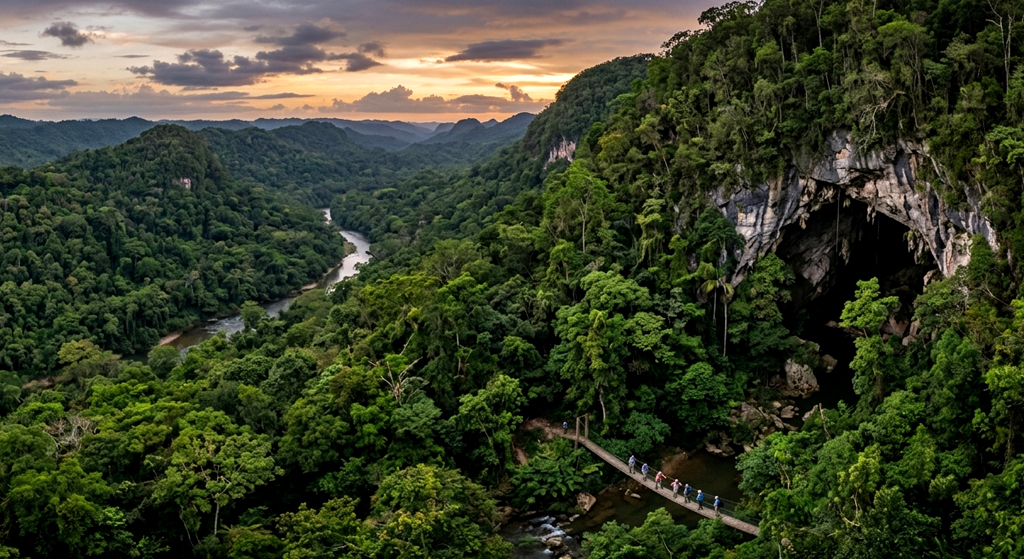
Belize’s largest protected area, Chiquibul National Park in the Cayo District borders Guatemala and encompasses vast tracts of tropical forest along with the massive Chiquibul Cave System, one of the largest cave networks in the Western Hemisphere. Access typically requires a guided tour given the park’s remoteness and limited infrastructure.
Best for: Serious adventure travelers and caving enthusiasts.
Monkey Bay Wildlife Sanctuary
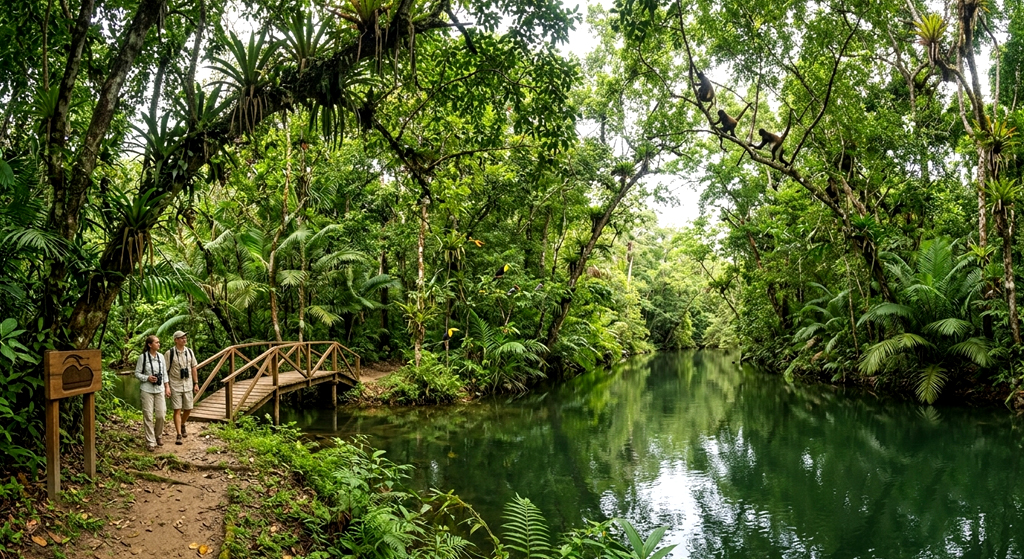
Along the George Price Highway between Belize City and Belmopan, Monkey Bay is a smaller, easily accessible reserve offering hiking trails, birdwatching, and a research-and-education focus, making it a worthwhile stop for travelers driving between the coast and the Cayo District who want a nature break without a major detour.
Entrance fee: Low-cost, with guided hikes available for an additional fee.
Shipstern Nature Reserve
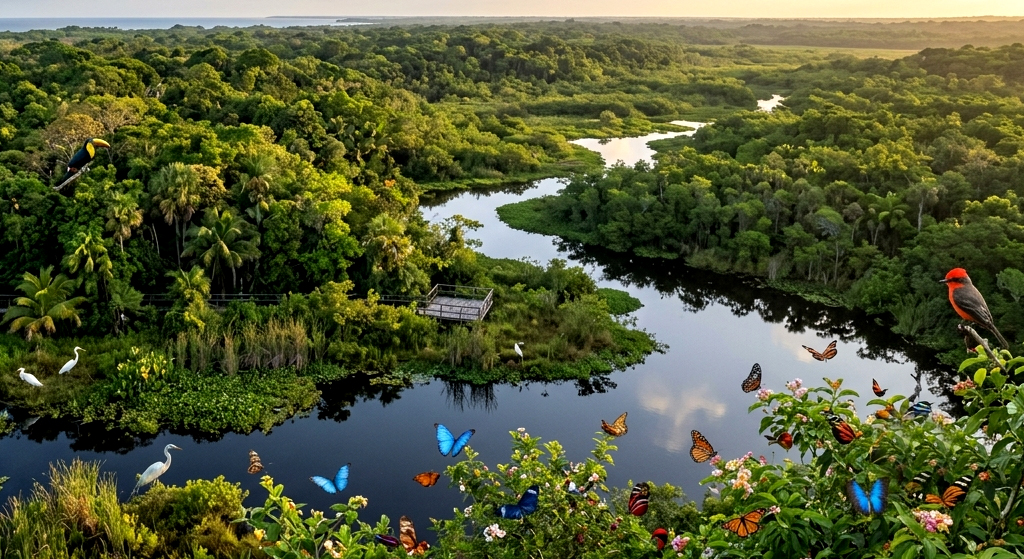
In the Corozal district near Belize’s northern border, Shipstern protects a mix of tropical forest and wetland habitat, known particularly for butterfly diversity and birdwatching, with a butterfly breeding center on-site. Its remote northern location keeps visitor numbers low relative to reserves closer to the tourist corridor.
Best for: Butterfly and bird enthusiasts willing to venture off the standard tourist route.
Aguacaliente Wildlife Sanctuary
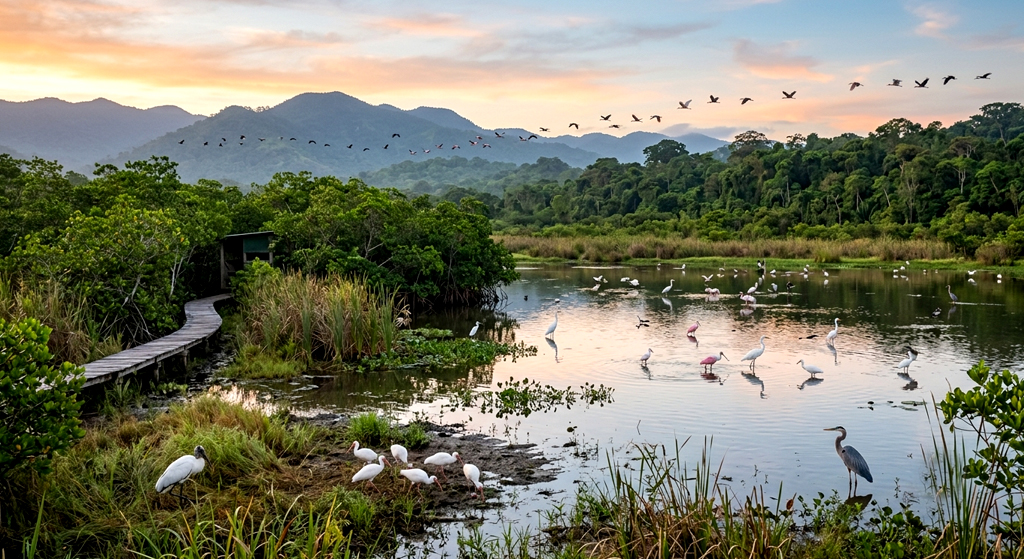
In the Toledo district, Belize’s southernmost region, Aguacaliente protects wetland habitat that serves as an important stopover for migratory birds. The Toledo district overall remains one of Belize’s least-visited regions, making this reserve a genuinely off-the-beaten-path destination for committed birdwatchers.
Payne’s Creek National Park
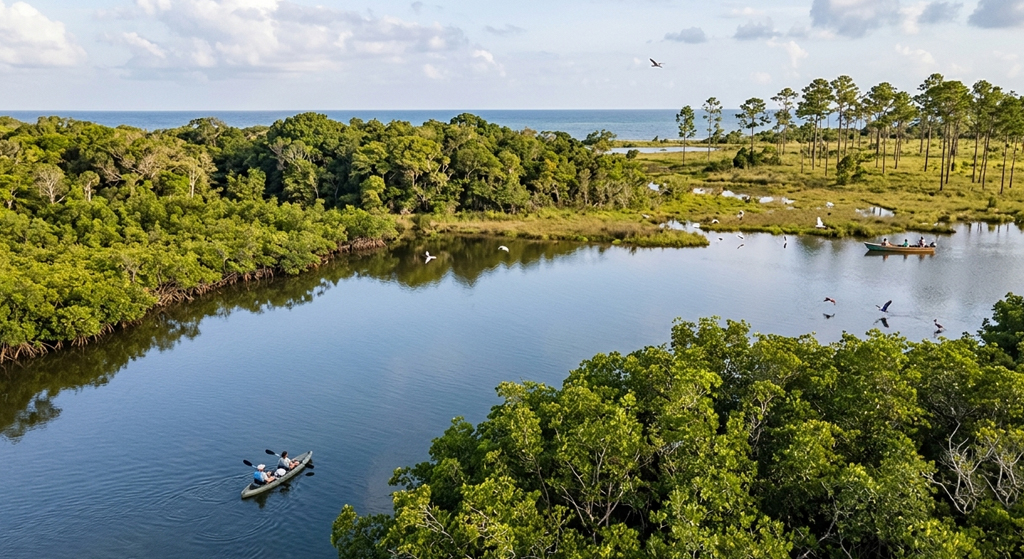
Also in Toledo, Payne’s Creek protects a mix of coastal lagoon, wetland, and forest habitat, with opportunities for kayaking and boat-based wildlife viewing in a setting that sees only a fraction of the visitors that Belize’s more famous coastal attractions draw.
Planning a Visit to Lesser-Known Reserves
Arrange a guide in advance. Many of these reserves have limited on-site staff and infrastructure compared to Cockscomb Basin or Crooked Tree, making advance arrangement of a knowledgeable guide especially valuable.
Allow extra travel time. Several of these reserves, particularly in Toledo, require longer drives on less-developed roads than Belize’s headline attractions.
Bring cash for entrance fees. Smaller reserves typically don’t have card payment infrastructure, so bring small bills for entry.
Pack accordingly for limited facilities. Some of these sites have minimal visitor infrastructure — bring your own water, snacks, and insect repellent, since on-site options may be limited or nonexistent.
Combining Lesser-Known Reserves with a Broader Itinerary
Five Blues Lake and Monkey Bay both work well as add-on stops for travelers already spending time in the Cayo District or driving the George Price Highway corridor, requiring minimal extra planning. Shipstern, Aguacaliente, and Payne’s Creek are better suited to travelers specifically building an itinerary around Belize’s northern or southern extremes, given their more remote locations.
Final Thoughts
Belize’s lesser-known reserves reward travelers willing to venture past the headline attractions with quieter trails, distinct ecosystems, and a genuine sense of discovery. If you’ve already checked Cockscomb Basin and Crooked Tree off your list, or simply want to build a nature-focused itinerary away from the crowds, these underrated reserves are well worth the extra planning it takes to reach them.