Quick Links: About Us - Contact Us
For bookings, call us at
+501 677-2900
Quick Links: About Us - Contact Us

Quick Links: About Us - Contact Us


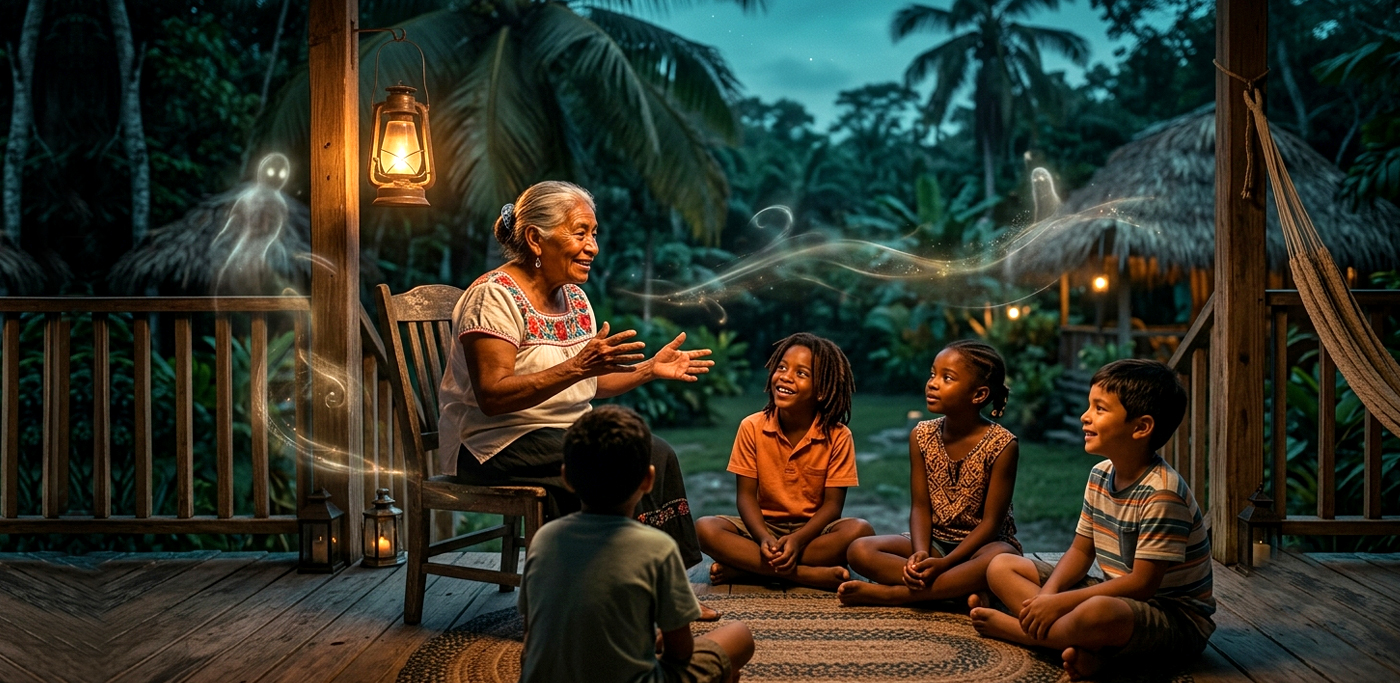
Belize is known around the world for its beautiful islands, lush rainforests, ancient Maya sites, and friendly people. But beyond its natural beauty lies another fascinating part of the country’s identity, its rich collection of stories, legends, and old beliefs.
Belize Superstitions and Folklore have been passed down from grandparents to parents and then to children for generations. These stories blend Maya, Creole, Mestizo, Garifuna, and African influences, creating a unique cultural heritage that continues to be shared today.
Some of these beliefs were created to teach children good behavior, while others were used to explain mysterious events or encourage respect for nature and traditions. Whether people believe them or simply enjoy hearing them, these stories remain an important part of Belizean life.
In this guide, Belize On Top explores some of the most well-known superstitions and folklore that continue to be remembered across the country.
Although modern life has changed many traditions, these stories continue to connect generations.
Many Belizean parents and grandparents still share these beliefs to:
Even if people no longer take every superstition literally, they remain an important part of Belize’s identity.
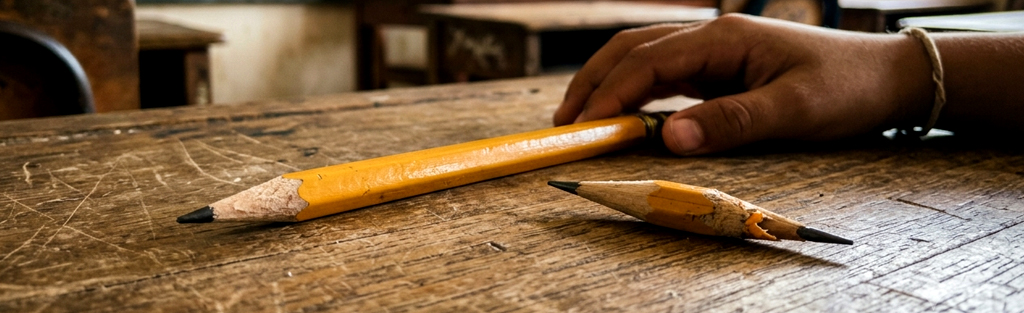
1. Never Sharpen a Pencil on Both Ends
One popular childhood warning was never to sharpen a pencil on both sides.
Many children were told that doing so would bring terrible luck or even cause tragedy within the family.
In reality, this belief likely had a much simpler purpose. Adults probably wanted children to avoid handling two sharp ends at once, reducing the risk of accidents while also discouraging children from experimenting with dangerous objects.
Like many old sayings, it mixed fear with a lesson about safety.
2. Beware of “Bad Breeze”
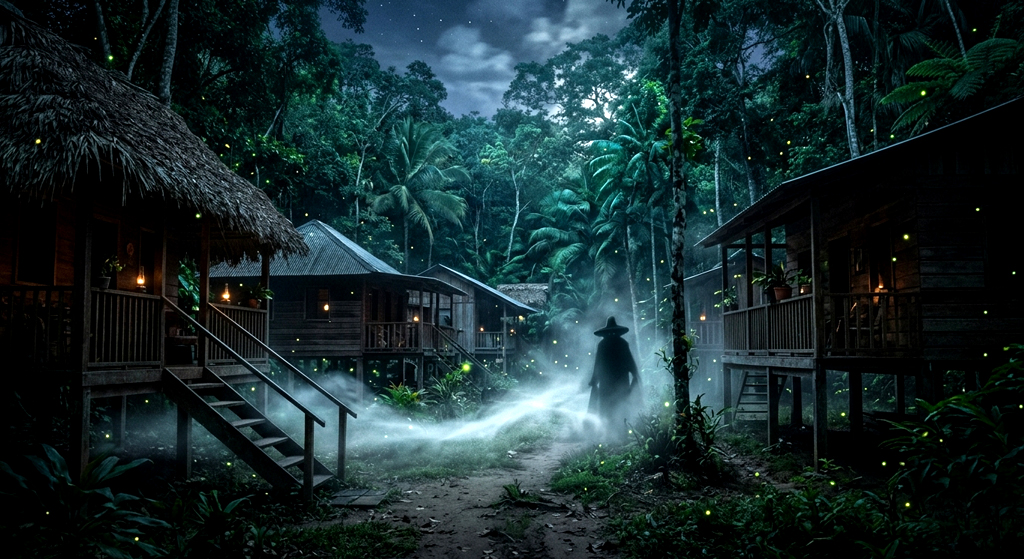
One of the best-known childhood superstitions in Belize is Bad Breeze, sometimes called the “bad wind.”
Children were warned not to make funny faces or imitate people with physical disabilities because a bad breeze could blow across them, causing their faces to stay that way forever.
While no one expected this to actually happen, the story taught an important lesson about kindness and respect toward others.
Parents used this belief as a creative way to discourage teasing and mocking behavior
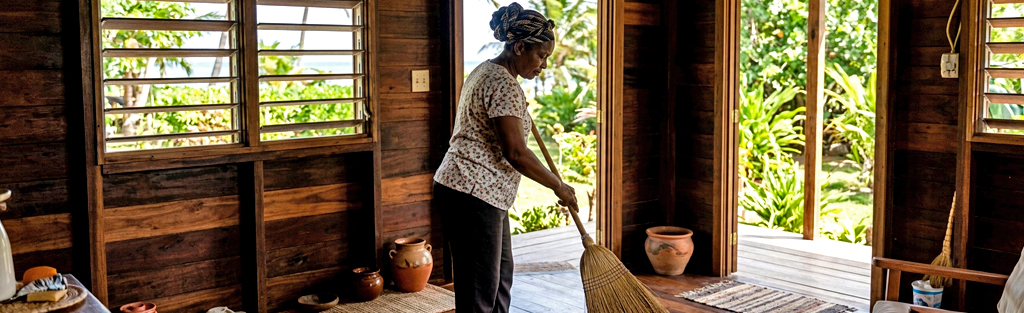
3. Don’t Let a Broom Touch Your Feet
Another well-known Belizean belief involves sweeping the house.
According to tradition, if a broom accidentally touched your feet while someone was sweeping, it meant you would one day marry someone much older than yourself.
Although this sounds humorous today, many parents likely shared the story to stop children from running around while household chores were being done.
It was both a safety lesson and a playful warning that many Belizeans still remember.

4. Walking Barefoot Could Give You “Big Peteh”
Many Belizean children enjoyed running barefoot outdoors, but adults often had something to say about it.
They warned that constantly walking without shoes would cause your feet to become large, flat, and broad, known in Belizean Creole as “Peteh” or “Tamales foot.”
Whether children believed it or not, the message encouraged wearing proper footwear to avoid cuts, bruises, and injuries from rough ground.

5. Never Swim on Good Friday
Among Belize’s most famous religious traditions is the belief that nobody should swim on Good Friday.
Children often heard that anyone entering the river or sea on this sacred day would either:
This belief has deep Christian roots. Rather than encouraging recreation, Good Friday was viewed as a solemn day for reflection and remembrance.
Even today, many families continue to observe this tradition.
6. Never Take Back a Gift
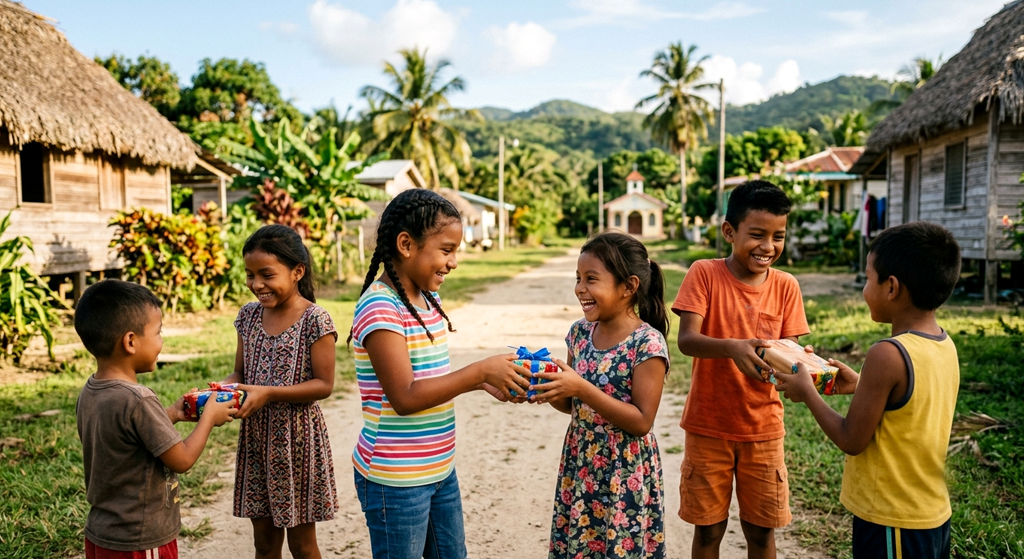
Another childhood saying warned children never to take back something they had already given away.
According to the belief, doing so would cause a small bump to appear on the eyelid, commonly called a “Piscuch.”
While this condition is actually a common eyelid lump, the superstition encouraged generosity and discouraged selfish behavior.
Some older stories even claimed that watching dogs mate or relieve themselves could also cause a Piscuch, adding another humorous warning that many Belizeans still laugh about today.
Many Belizean beliefs may sound unusual today, but they often carried valuable life lessons.
These traditions encouraged children to:
Rather than simply frightening children, many of these stories served as memorable teaching tools.
Here are a few fun facts about Belize Superstitions and Folklore:
Belize Superstitions and Folklore are more than old stories, they are living traditions that reflect the country’s rich cultural heritage and the wisdom of generations past. From the playful warning about sharpening a pencil on both ends to the mysterious tales of Tata Duende, Bad Breeze, El Cadejo, and the Good Friday mermaid belief, each superstition carries a lesson, a cultural value, or a glimpse into Belize’s diverse history.
Today, these legends continue to entertain, educate, and connect people of all ages. Whether you hear them from a grandparent, discover them while traveling through Belize, or simply enjoy learning about different cultures, they remain an unforgettable part of Belizean life. Through these timeless stories, Belize continues to celebrate its unique traditions while preserving the folklore that makes the country so special.