Quick Links: About Us - Contact Us
For bookings, call us at
+501 677-2900
Quick Links: About Us - Contact Us

Quick Links: About Us - Contact Us
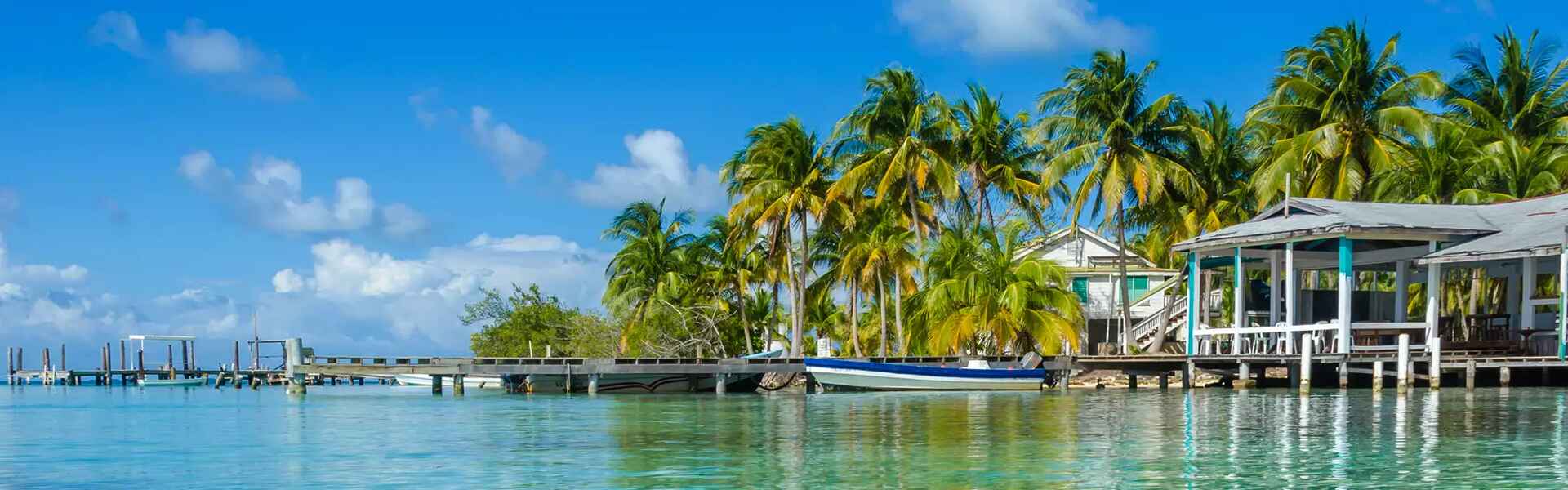

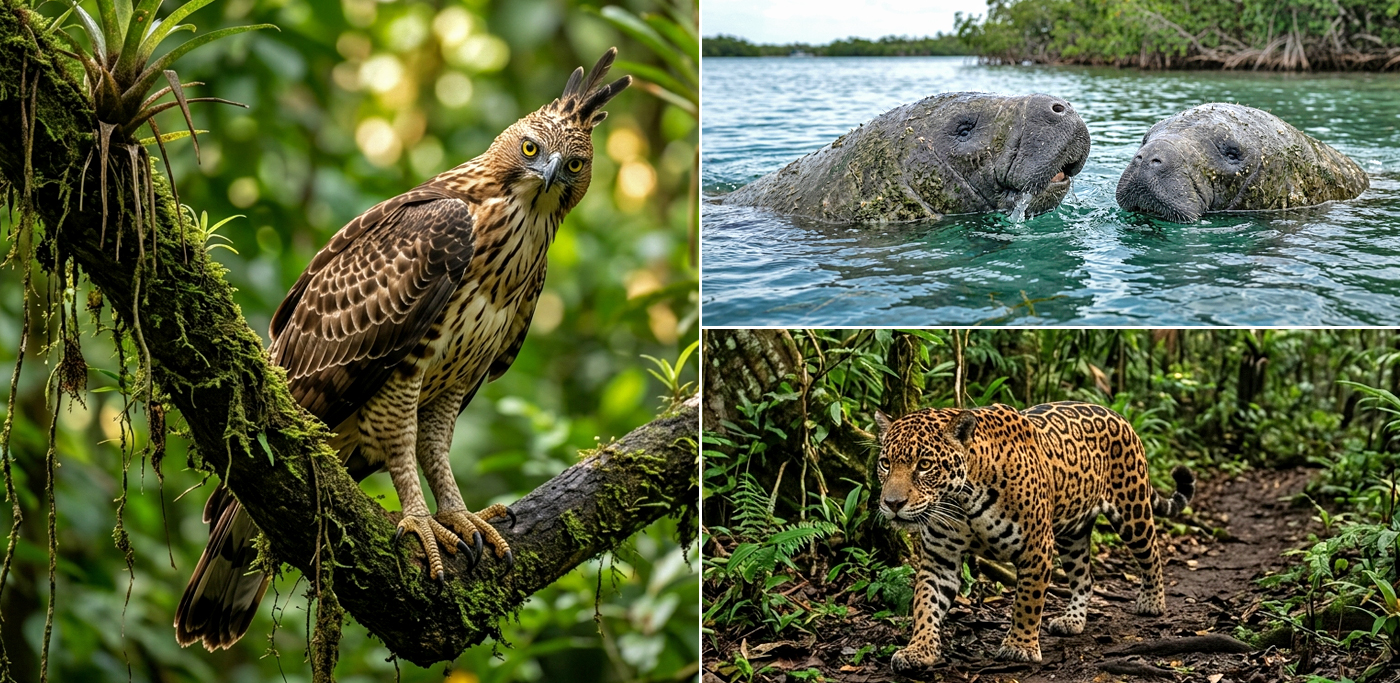
Belize packs an outsized amount of biodiversity into a small footprint — jaguars, howler monkeys, toucans, manatees, and hundreds of bird species share a country roughly the size of Massachusetts. For wildlife photographers, that density is a gift, but capturing it well takes more than just showing up with a good lens. We asked local guides across the country for their best advice.
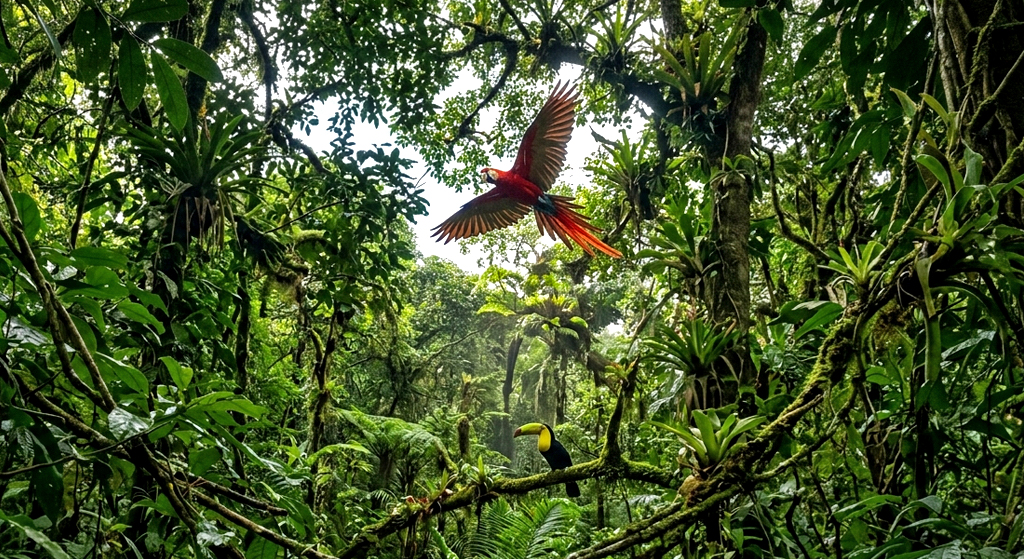
Belize’s rainforest canopy creates deep shade with occasional bright light gaps, a challenging combination for exposure. Local guides recommend shooting in shutter priority or manual mode with a relatively fast shutter speed (1/500s or faster) to freeze movement in low light, paired with a wider aperture and higher ISO than you might typically use, since jungle wildlife rarely poses for slow exposures.
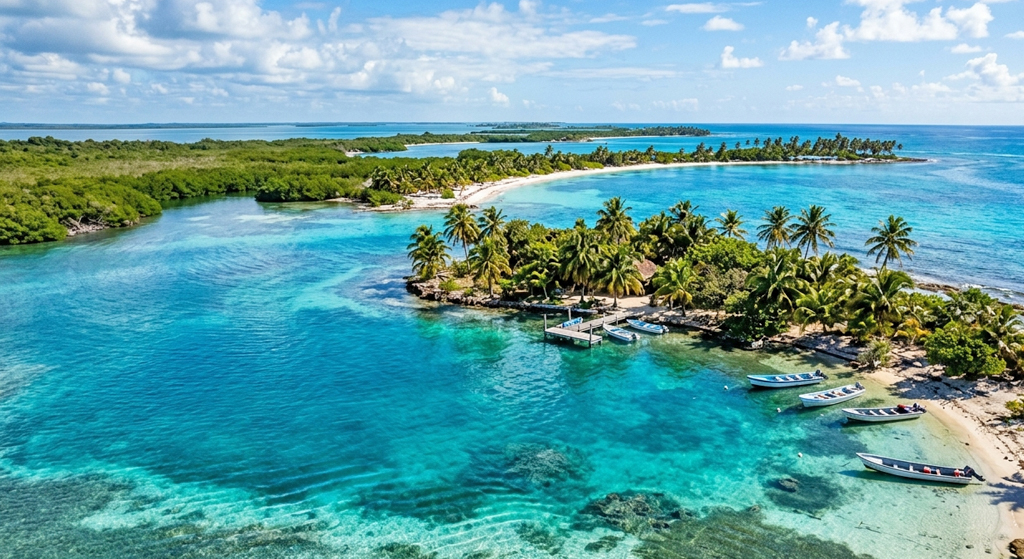
Bright, reflective water conditions along the coast and cayes call for the opposite approach — watch for blown-out highlights, use a polarizing filter to cut glare and saturate water colors, and consider slightly underexposing to preserve detail in bright skies and water.
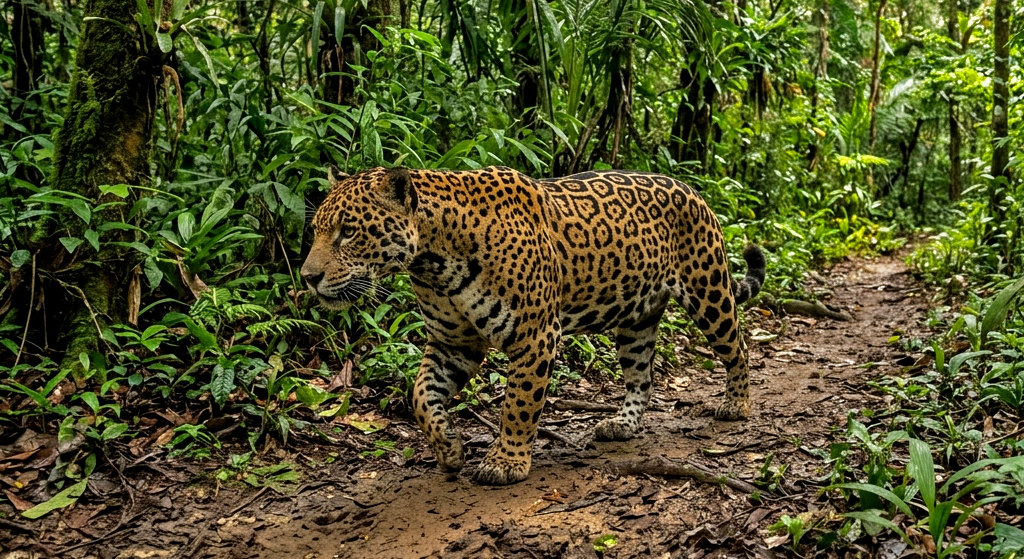
The world’s first jaguar preserve offers a slim but real chance of a sighting, though most visitors should set expectations around jaguar tracks, camera trap photos displayed at the visitor center, and the broader forest ecosystem rather than guaranteed cat sightings. Guides recommend early morning hikes on the sanctuary’s trail network for the best overall wildlife activity.
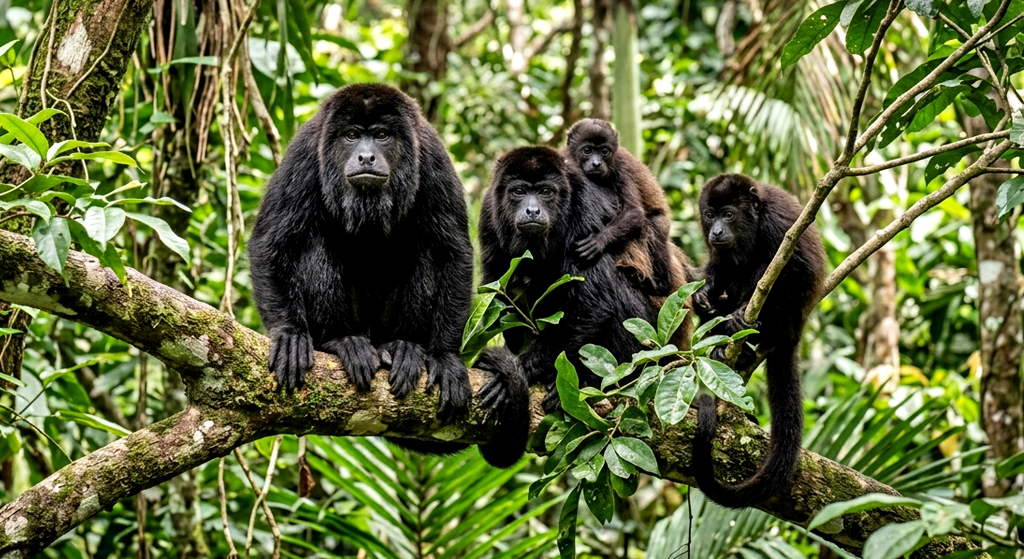
Despite the name, this sanctuary near Bermudian Landing protects black howler monkeys (locally called “baboons”), and it offers some of the most reliable primate photography in the country. Local guides know specific trees where troops regularly rest, dramatically improving your odds of a clean shot.
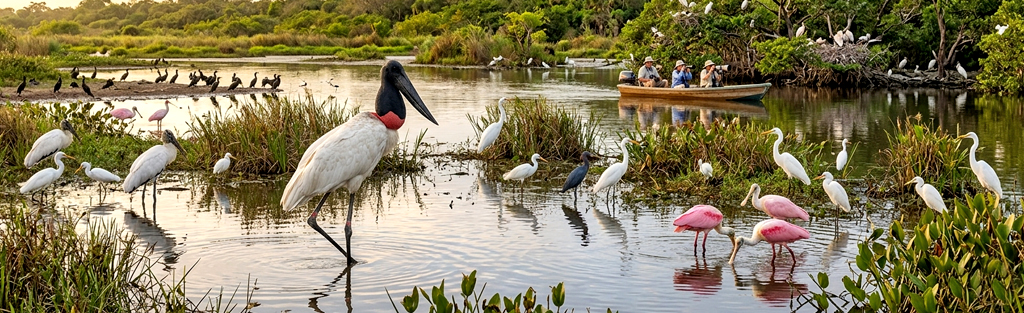
This wetland sanctuary is one of Belize’s premier birdwatching destinations, particularly during the dry season when water levels drop and concentrate wading birds, including jabiru storks — the largest flying bird in the Americas. Boat-based photography here offers stable platforms and close approaches to nesting colonies.
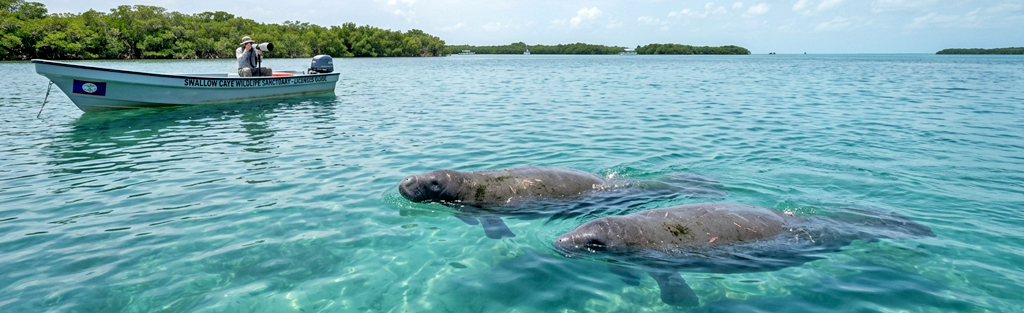
Patient, quiet boat-based photography near Swallow Caye Wildlife Sanctuary offers some of the best manatee photo opportunities in the country, though guides emphasize maintaining respectful distance rather than pursuing close approaches.
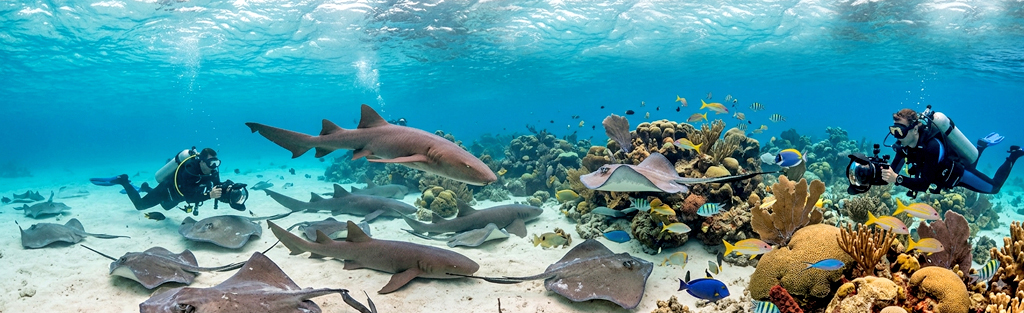
Underwater photographers should focus time around Hol Chan Marine Reserve and Shark Ray Alley for reliable encounters with nurse sharks, southern stingrays, and abundant reef fish in relatively shallow, clear water suited to both snorkelers and divers.
A telephoto lens in the 100–400mm range covers most wildlife scenarios without excessive weight for jungle hikes. A weatherproof camera body or protective rain cover is essential given Belize’s humidity and unpredictable showers, even in dry season. For underwater and boat-based photography, a housing rated for the depths you’ll actually reach, plus a polarizing filter for surface glare, rounds out a solid kit.
Early morning, generally within the first two hours after sunrise, consistently offers the most wildlife activity across nearly every habitat in Belize, from birds at Crooked Tree to howler monkeys beginning their morning calls. Late afternoon offers a secondary window as temperatures cool and animals become active again after midday heat.
Local guides with specific wildlife photography experience, rather than general tour guides, make a meaningful difference in both access and results. Many are affiliated with specific sanctuaries or lodges and can advise on seasonal patterns, recent sighting locations, and optimal timing that general tour operators may not track as closely.
Belize’s wildlife photography opportunities reward patience, respect, and local knowledge more than expensive gear. Whether you’re chasing jaguar tracks at Cockscomb Basin or photographing jabiru storks at Crooked Tree, a knowledgeable local guide will consistently get you better shots than going it alone — and you’ll be supporting the conservation work that keeps these habitats intact for the next visitor’s lens.