Quick Links: About Us - Contact Us
For bookings, call us at +501 677-2900
Quick Links: About Us - Contact Us

Quick Links: About Us - Contact Us


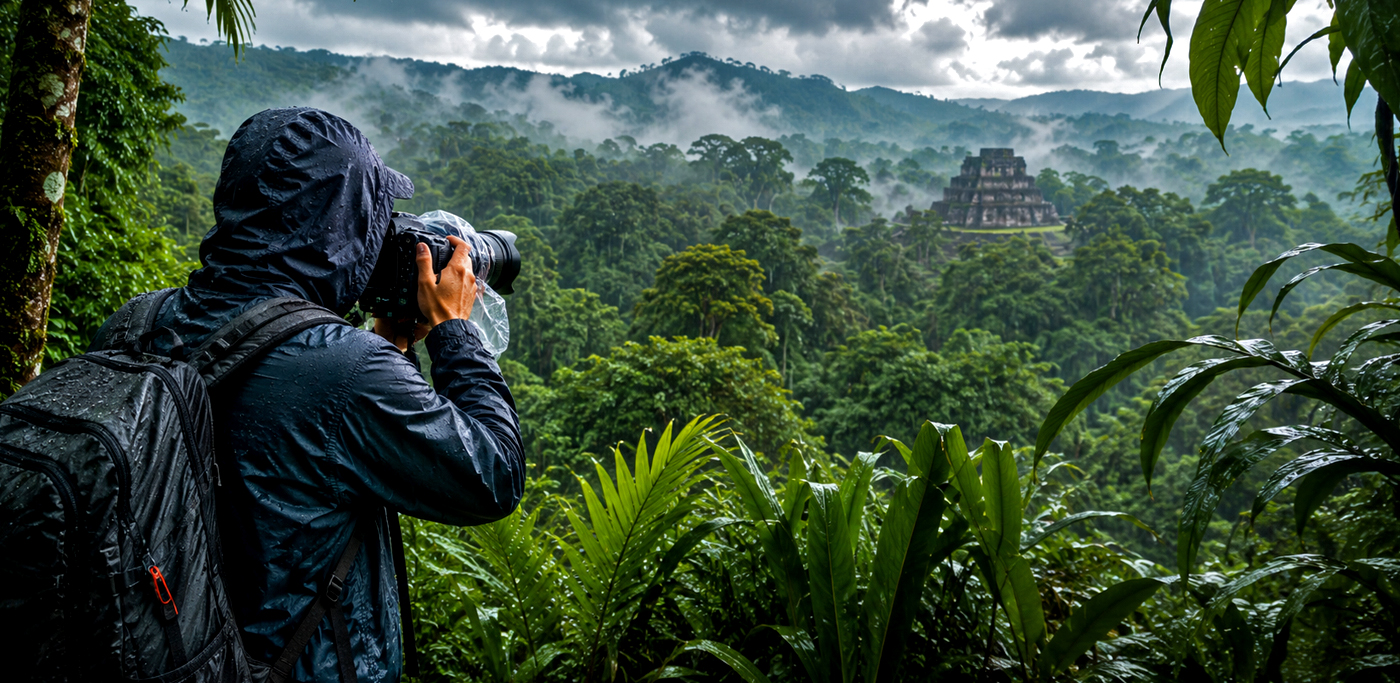
Belize’s rainy season often gets a bad reputation among travelers, but photographers know that a little rain can transform ordinary scenes into extraordinary images. June marks the beginning of the wetter months, bringing lush landscapes, dramatic skies, and a fresh perspective on some of the country’s most beautiful destinations.
If you’re planning a trip during this time, these Belize rainy photography tips will help you protect your equipment, adapt to changing weather, and capture stunning photos that showcase Belize at its most vibrant.
Many travelers assume rainy conditions limit photo opportunities. In reality, they often enhance them. Cloud cover acts like a giant softbox, creating even lighting that’s ideal for portraits, landscapes, and wildlife photography. The tropical rain deepens the greens of Belize’s jungles, enhances textures, and produces dramatic skies that add mood and depth to your compositions.
You’ll also encounter fewer crowds at popular attractions, allowing for cleaner shots and a more relaxed photography experience. Instead of waiting for sunshine, embrace the atmosphere that the rainy season naturally creates.
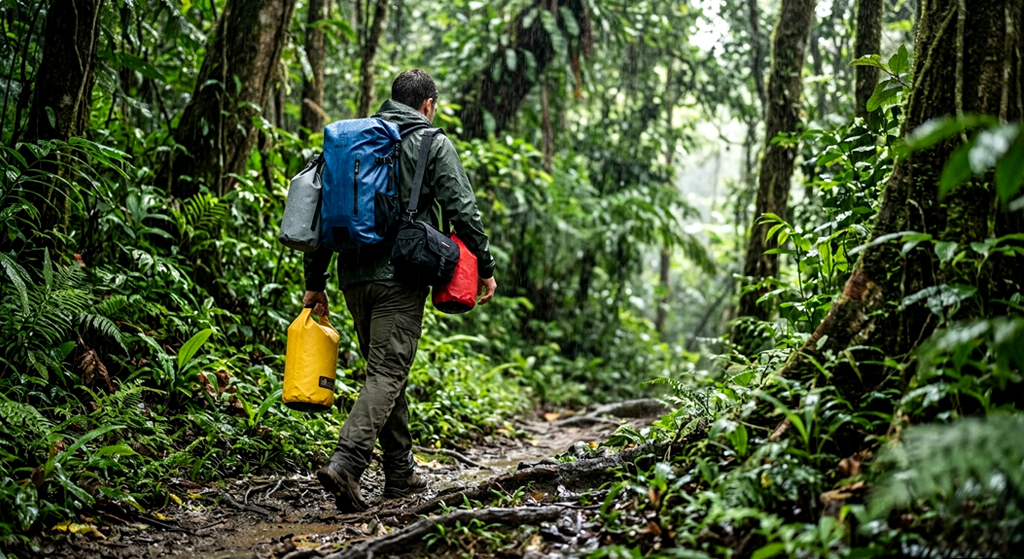
Preparation is the key to successful wet-weather photography.
Choose Weather-Resistant Equipment – If you have access to weather-sealed cameras and lenses, they’re worth bringing. These systems are designed to handle light rain, humidity, and dusty environments more effectively than standard equipment. However, you don’t need expensive gear to capture beautiful images. Entry-level cameras can perform just as well when properly protected.
Bring Rain Covers – A dedicated rain cover is one of the simplest investments you can make. Lightweight camera sleeves protect your gear while allowing access to controls and viewfinders. For emergencies, resealable plastic bags can provide temporary protection until you reach shelter.
Use Waterproof Storage – Dry bags and waterproof backpacks are invaluable during boat rides, jungle hikes, and unexpected downpours. Keep a few silica gel packets inside your camera bag to absorb excess moisture and reduce the risk of condensation.
Humidity and rain can affect image quality if you aren’t careful.
Changing your settings slightly can dramatically improve your results.
This lighting is ideal for environmental portraits and travel storytelling.
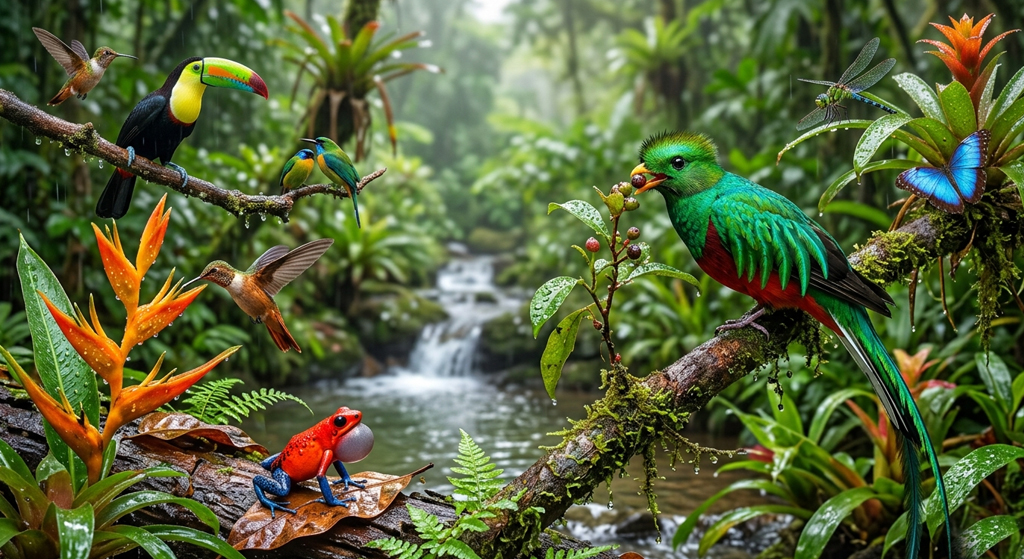
Wet conditions often reveal a different side of Belize that many visitors never experience.
Lush Rainforest Landscapes – The country’s tropical forests become even more vibrant after rainfall. Mist drifting through the trees creates depth and atmosphere that elevate landscape compositions. Look for leading lines along jungle trails and streams to guide the viewer’s eye through the frame.
Wildlife Activity – Many animals become more active after rain showers. Birds emerge to feed, frogs become vocal, and insects offer incredible macro opportunities. Patience and observation can reward photographers with unique wildlife encounters.
Reflective Beach Scenes – Cloudy skies and shallow puddles can transform coastal settings into artistic compositions. Instead of focusing solely on turquoise water, experiment with reflections, dramatic horizons, and minimalist beach scenes.
Everyday Local Moments – Some of the most memorable travel photographs capture daily life. Colorful umbrellas, bustling markets adapting to the weather, and people navigating sudden showers all tell authentic stories about Belizean culture and resilience.
Rain adds visual elements that can make your photographs stand out.
Photograph Reflections – Puddles on streets, docks, and pathways offer opportunities to create symmetry and abstract compositions. Try changing your shooting angle to emphasize mirrored scenes.
Highlight Water Details – Close-up images of droplets on tropical flowers, leaves, and textured surfaces can reveal intricate details often overlooked in dry conditions. These intimate shots provide variety within your travel portfolio.
Use Rain as Part of the Story – Instead of avoiding precipitation, include it intentionally. Raindrops, splashes, and stormy skies help communicate the experience of traveling during Belize’s tropical season. They transform photographs from simple records into visual stories.
Photographing in wet conditions requires extra awareness. Avoid open areas during thunderstorms, and never continue shooting if lightning is nearby. Wear appropriate footwear on slippery trails, especially during rainforest excursions. Keep spare batteries and memory cards sealed in waterproof pouches, and always check weather conditions before heading out on full-day adventures. Protecting yourself is just as important as protecting your camera.
Rain shouldn’t discourage you from bringing your camera to Belize. In fact, some of the country’s most captivating scenes emerge when the skies open and the landscape comes alive.
With thoughtful preparation, proper gear care, and a willingness to embrace changing conditions, you’ll return home with images that capture a more authentic and atmospheric side of the destination. Whether you’re exploring jungle trails, photographing wildlife, or documenting local life, Belize’s rainy season offers endless creative possibilities for photographers willing to see beauty beyond blue skies.